My hometown, Mombasa, is a small coastal city in Kenya and one of the most popular destinations on the coast of East Africa. When it was in its early years,…
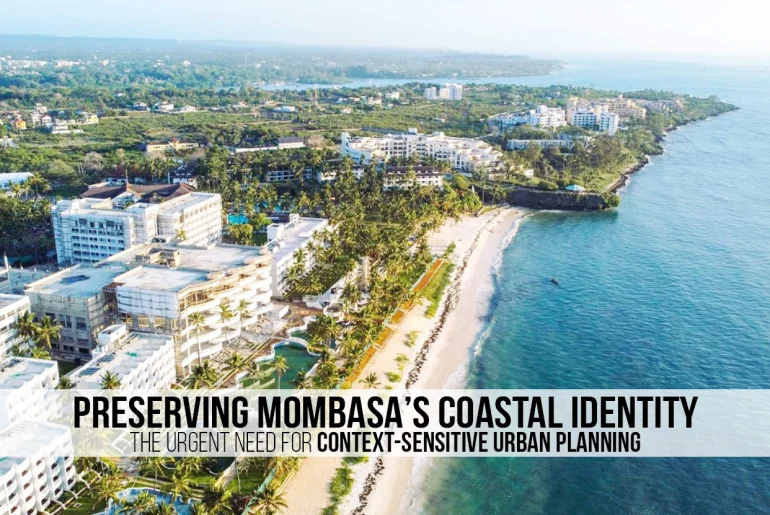


My hometown, Mombasa, is a small coastal city in Kenya and one of the most popular destinations on the coast of East Africa. When it was in its early years,…
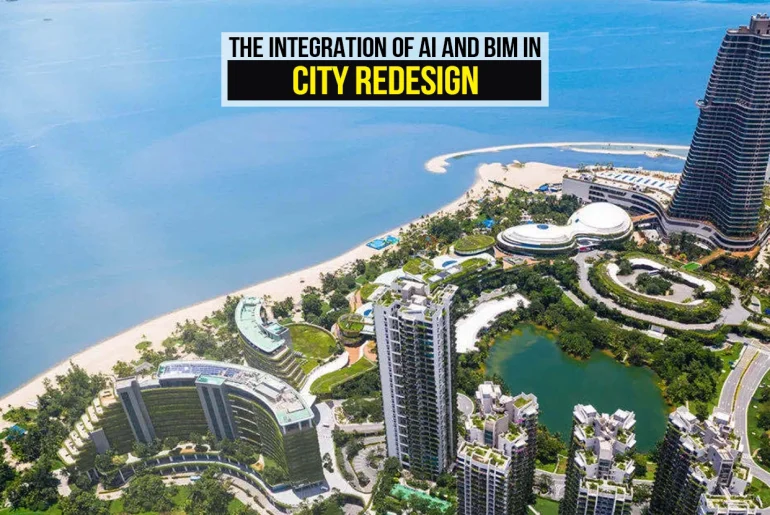
Due to the rapid population growth, the demand for smarter and more efficient cities has become essential. The traditional system of city planning is not sufficient to meet the ongoing…
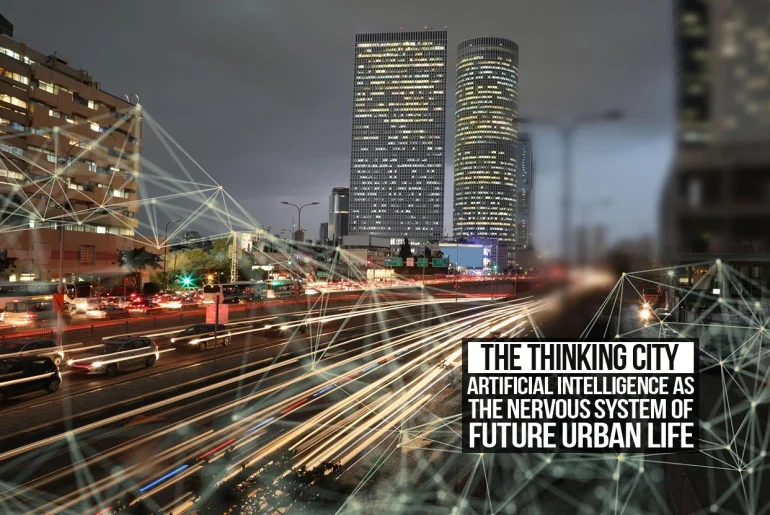
From early times, cities have taken on characteristics of organic life forms. Growth occurs in unpredictable ways; they adapt to external forces and undergo change over time. Flourishing areas coexist…
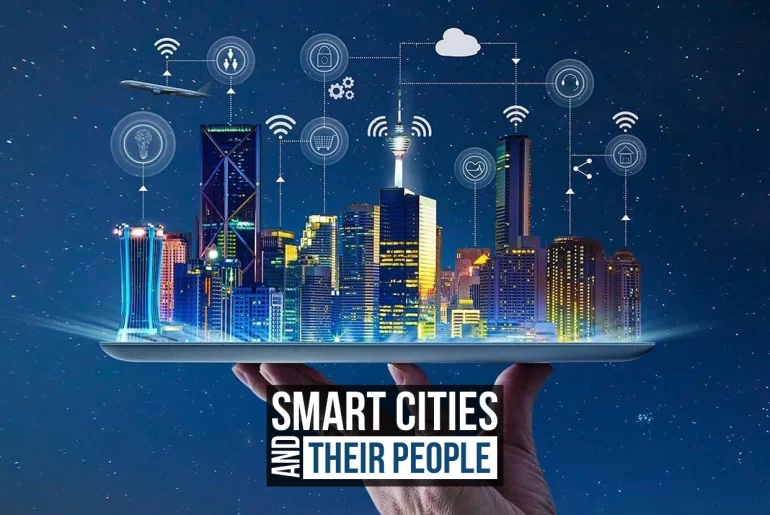
The idea of designing cities has intrigued many architects for centuries. Take Le Corbusier and Villa Radieuse, or Frank Lloyd Wright and his Broadacre City. Bordering on utopias, these designs…
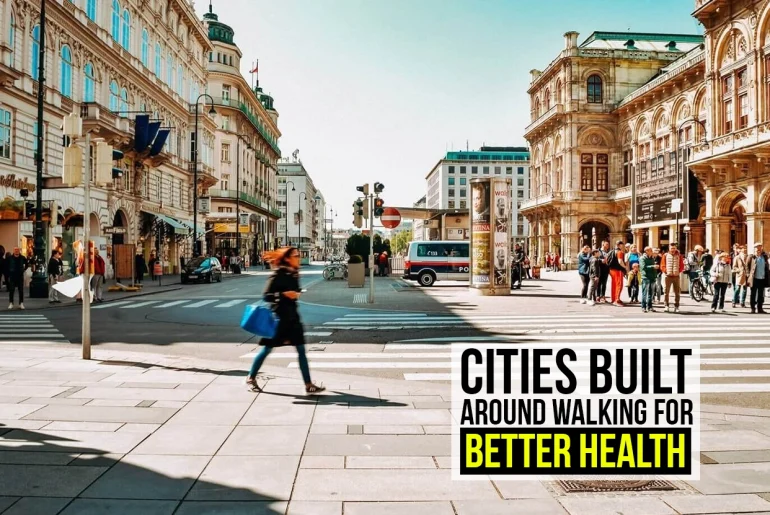
Walkability is usually considered a transportation challenge, signifying how easily people can navigate a neighborhood or city by walking. Walking changes the pace of city living: it slows people down…
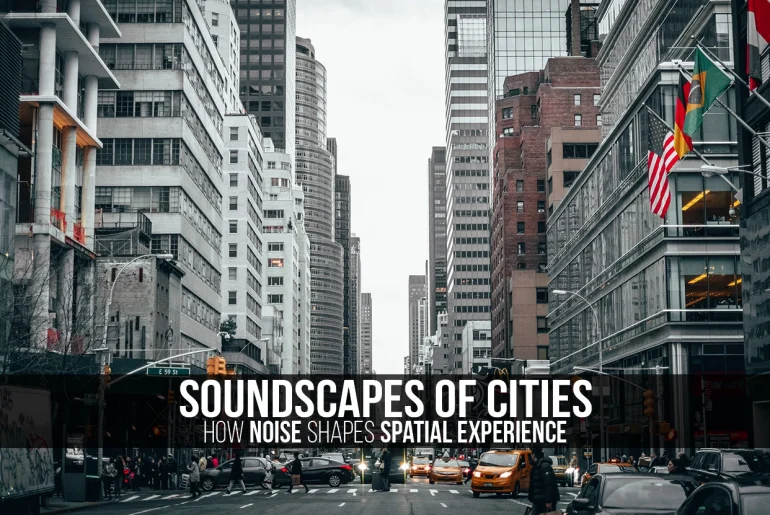
What is Sound? Sound is a concept we cannot abstract ourselves from in urban design, despite our best efforts. Spaces and cities constantly emit sound – enjoyable sounds or otherwise.…
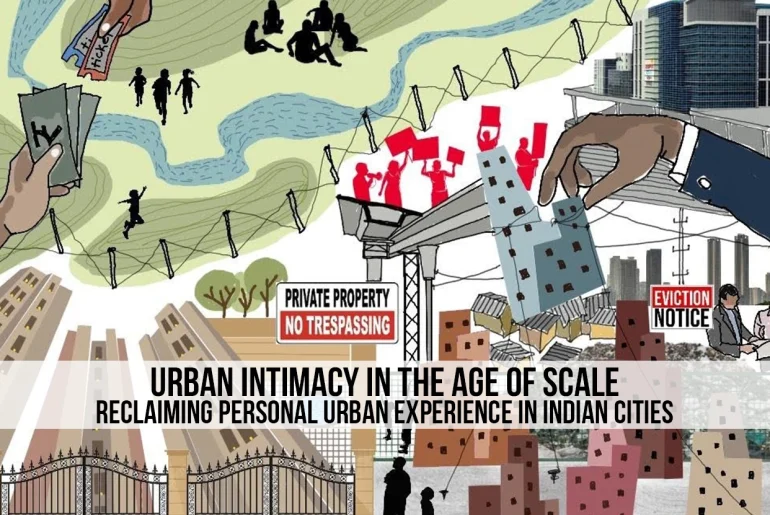
The cities we live in now are growing faster than ever before. The sheer extent of growth is marked by the development of infrastructure, connectivity, and the economy. However, what…
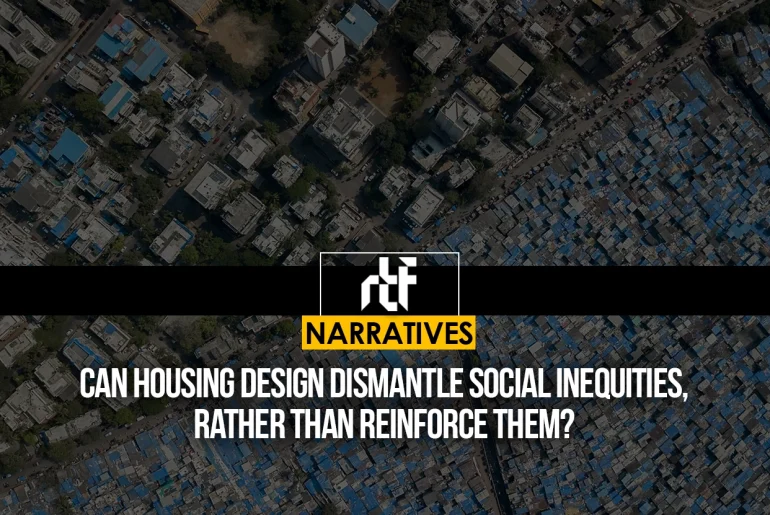
Sitting on their balcony, Gita finishes her call and turns to her husband, “Membership is 5000 rupees a month, including access to the pool, but coaching will cost extra.” All…
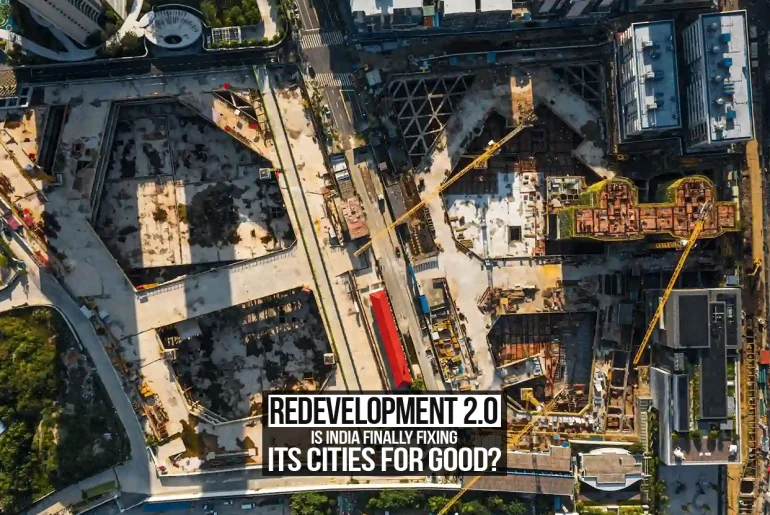
Over the last two decades, India’s population has grown rapidly. As of 2015, approximately 33% of India’s total population resided in cities, and by 2050, more than half of India’s…
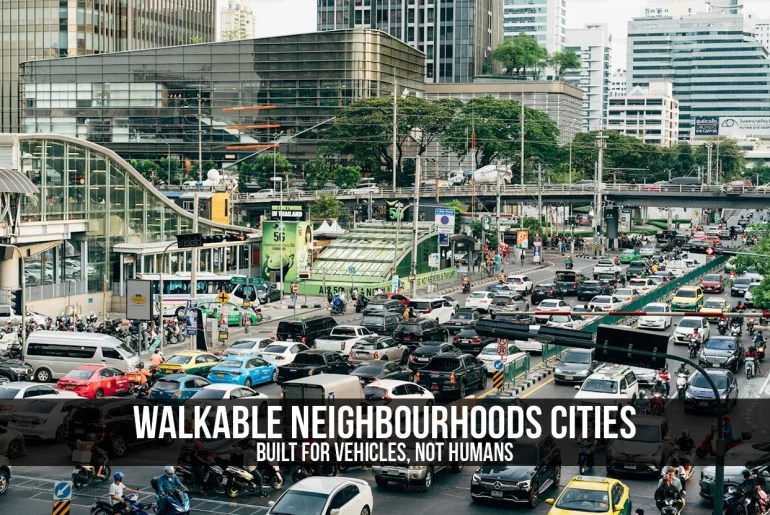
Walking in Indian cities feels like a subway surfers’ run where cars and scooters have all the right and footpaths are optional. In many cities, 40% of the major roads…
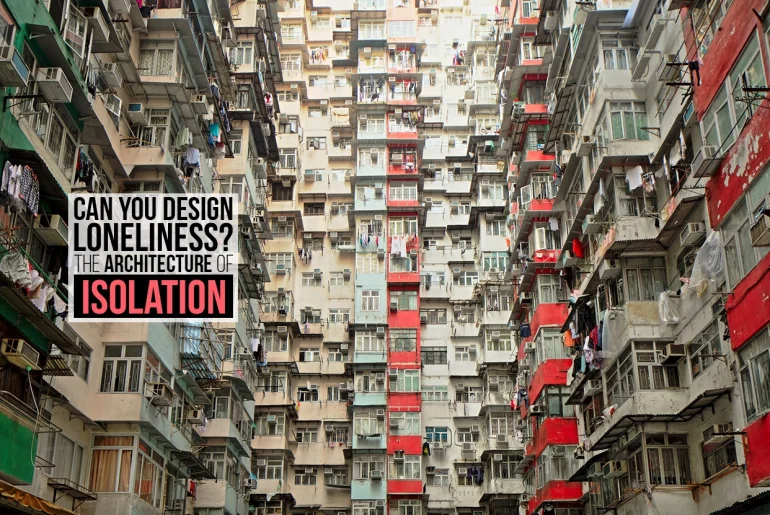
“Loneliness does not come from having no people around, but from being unable to communicate the things that seem important.” -Carl Jung Cities are often imagined as places of public…
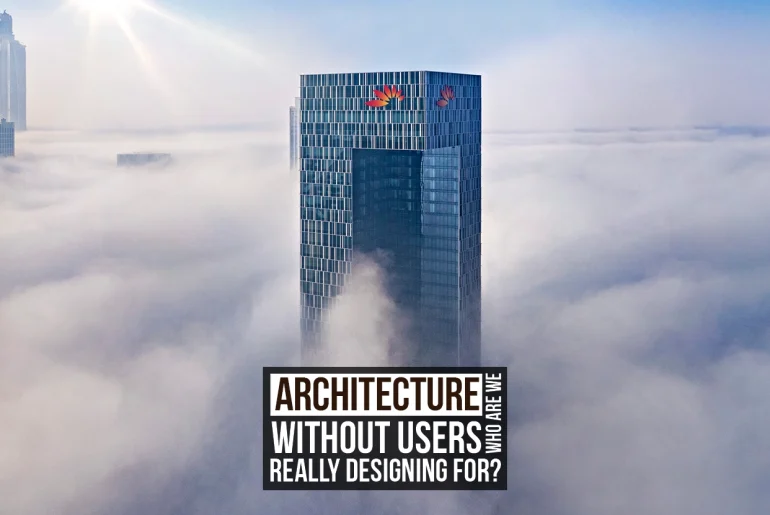
Architecture frequently claims to be “user-centered,” yet the reality of contemporary practice suggests otherwise. While design briefs emphasize comfort, accessibility, and experience, many buildings are shaped more by economic pressures,…