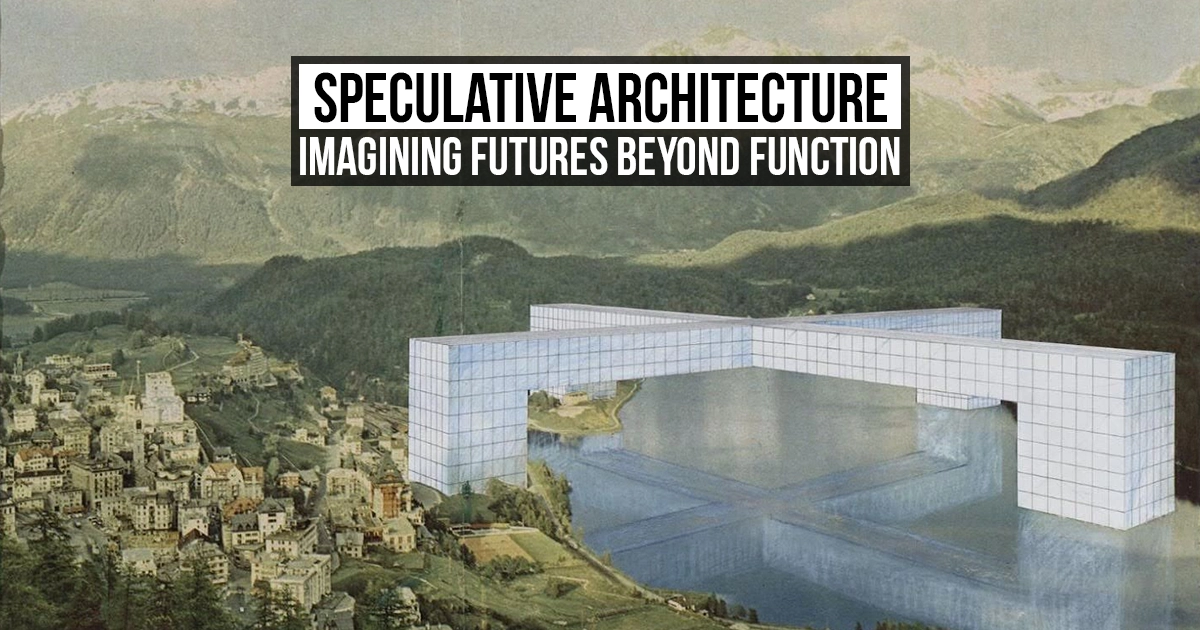
Speculative architecture sits at the crossroads of imagination and spatial inquiry. It looks beyond blueprints and construction schedules to ask deeper questions: What if buildings could adapt to climate shifts? What if cultural dreams rather than market forces shaped cities? What if gravity, material limits, or political constraints didn’t bind architecture? This discipline is less about designing structures for immediate construction and more about exploring possibilities in social, ecological, technological, and even existential parameters. By suspending the rules that govern traditional architecture, speculative design opens doors to futures that may feel utopian, cautionary, or eerily plausible. In a world facing extreme environmental challenges, rapid urbanisation, and technological acceleration, speculative architecture has gained new relevance. It allows practitioners to interrogate the systems shaping our built world and to envision alternative paradigms that prioritise resilience, equity, and imagination.
Beyond Utility: Architecture as a Tool for Worldbuilding
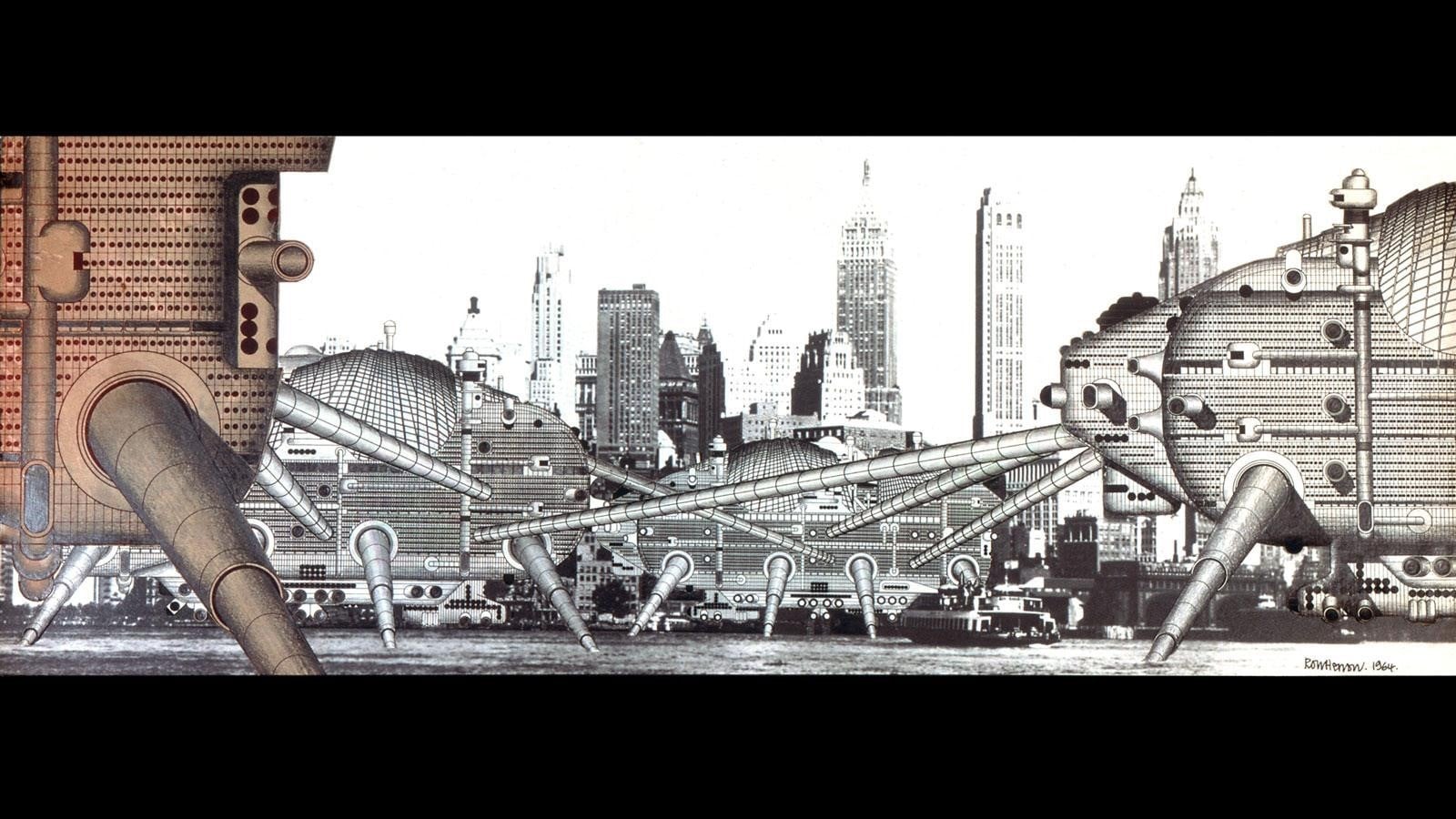
These allow architects to imagine planetary-scale systems, post-human habitats, or cities that operate according to non-linear logics. Such proposals help broaden our vocabulary for discussing future urban experiences, from climate-adaptive floating settlements to decentralised communities built around shared resources. Yet critics argue that worldbuilding can sometimes drift into escapism, prioritising aesthetics over substance. Still, the value lies in stretching the collective imagination. By offering a window into alternate futures, speculative architecture invites society to question what environments we truly want to inhabit or avoid.
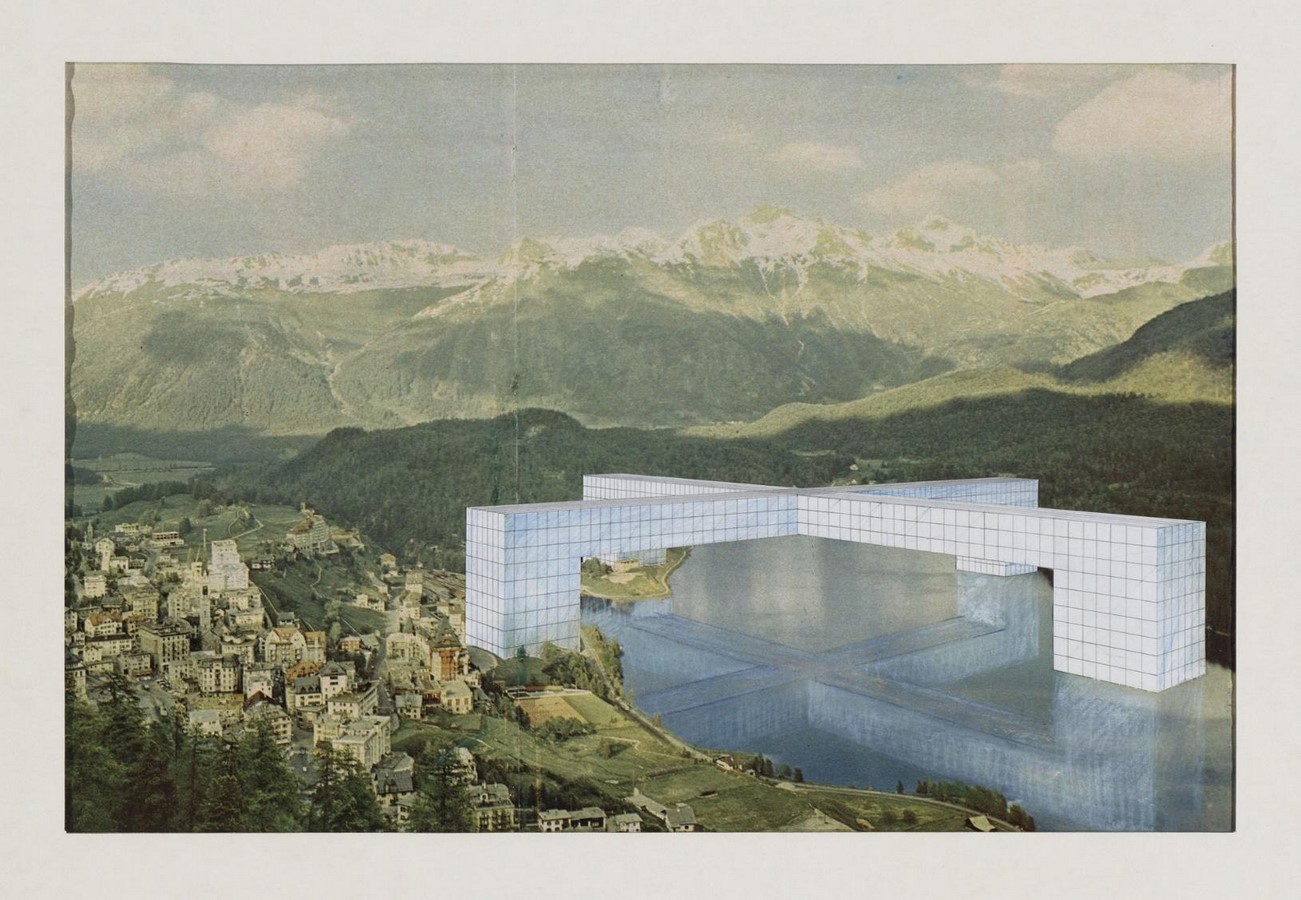
Speculation as a Critique of Present Urban Systems
Speculative architecture also operates as a form of critique, highlighting systemic failures encoded in contemporary urban environments. Rather than presenting polished futures, many speculative projects expose fractured realities like inequality, surveillance, climate injustice, or hyper-consumption. The intent is not to celebrate dystopia but to provoke dialogue.
For example, Dunne & Raby’s Critical Design ethos uses fiction to question the social implications of emerging technologies. Their work often imagines alternative governance systems, living devices, and social rituals, pushing audiences to reflect on ethical challenges. Similarly, architect Liam Young’s film-based speculative work reveals the invisible infrastructures powering cities like data farms, shipping networks, and extraction landscapes, suggesting that the real futures we are building may be stranger than fiction.
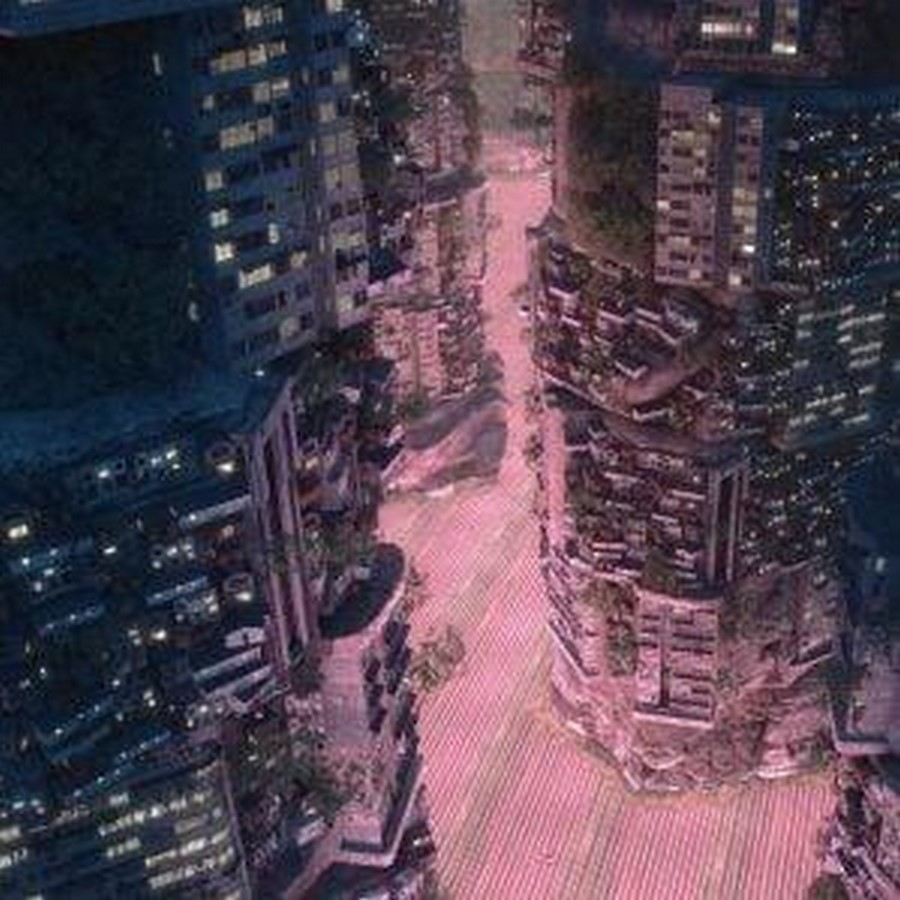
Some practitioners criticise this approach for being overly pessimistic. By illuminating the blind spots in our current systems, speculative architecture enables more grounded and responsible future-building. It becomes a method for confronting uncomfortable truths and reimagining the structures, both physical and political, that shape urban life.
Technology, Ecology, and Post-Human Futures
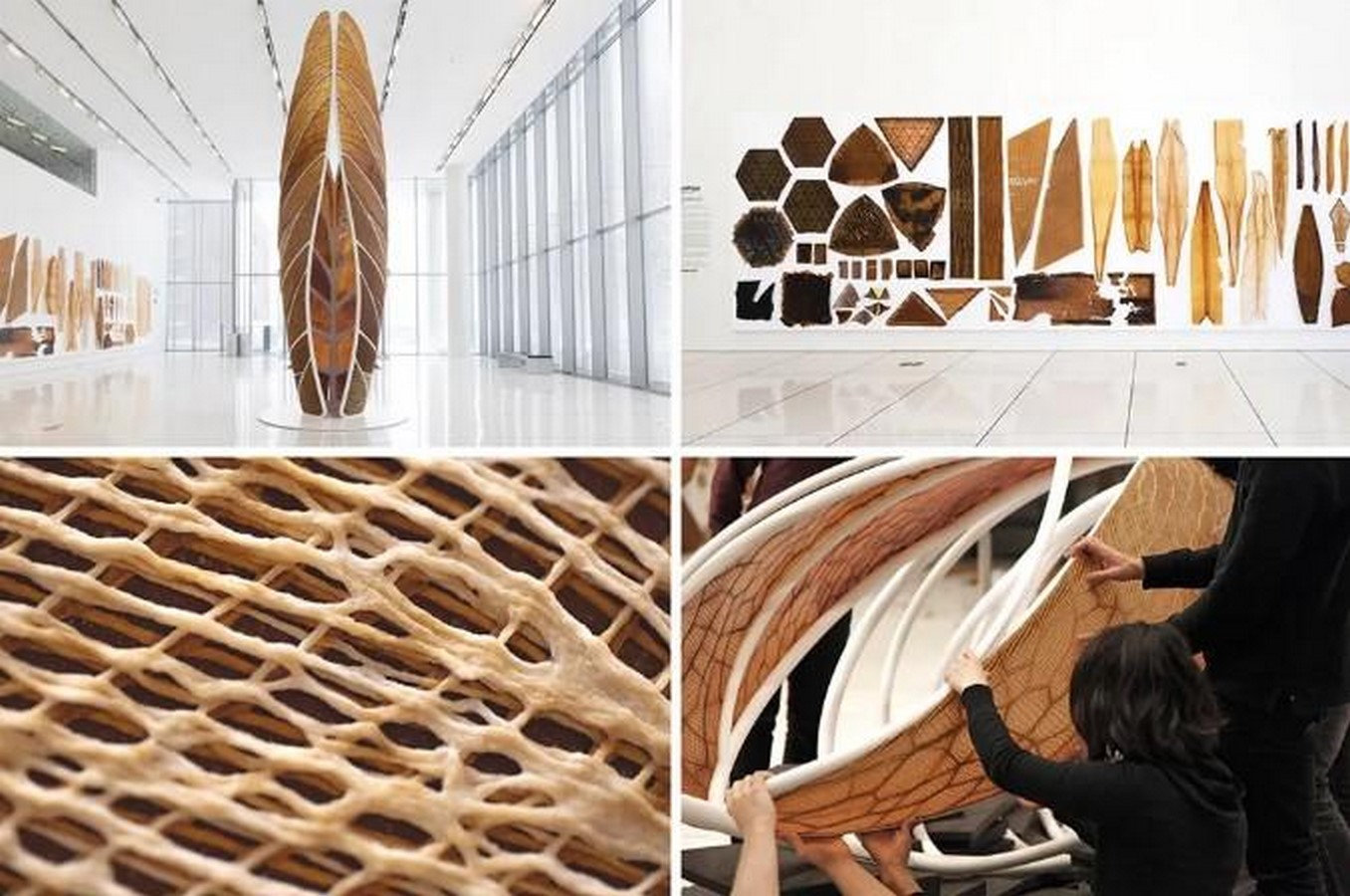
A significant branch of speculative architecture grapples with the relationship between humans, machines, and planetary systems. With accelerating climate change, architects are exploring infrastructures that move beyond human-centred functionality toward more ecologically symbiotic futures. This includes concepts such as living buildings, bio-integrated envelopes, self-healing materials, and distributed energy micro-systems. Speculative proposals often incorporate robotics, AI, and responsive materials, creating adaptive environments that reshape themselves in real time. The idea of “post-human architecture” positions buildings not as static shelters but as evolving organisms within larger Earth systems. Still, technological speculation helps architects explore how built environments might fundamentally transform in response to ecological crises. It pushes us to rethink the boundaries between biology, matter, and design, and challenges the assumption that human needs must always dominate architectural decisions.
A Living Example: The Mars Habitat Prototypes
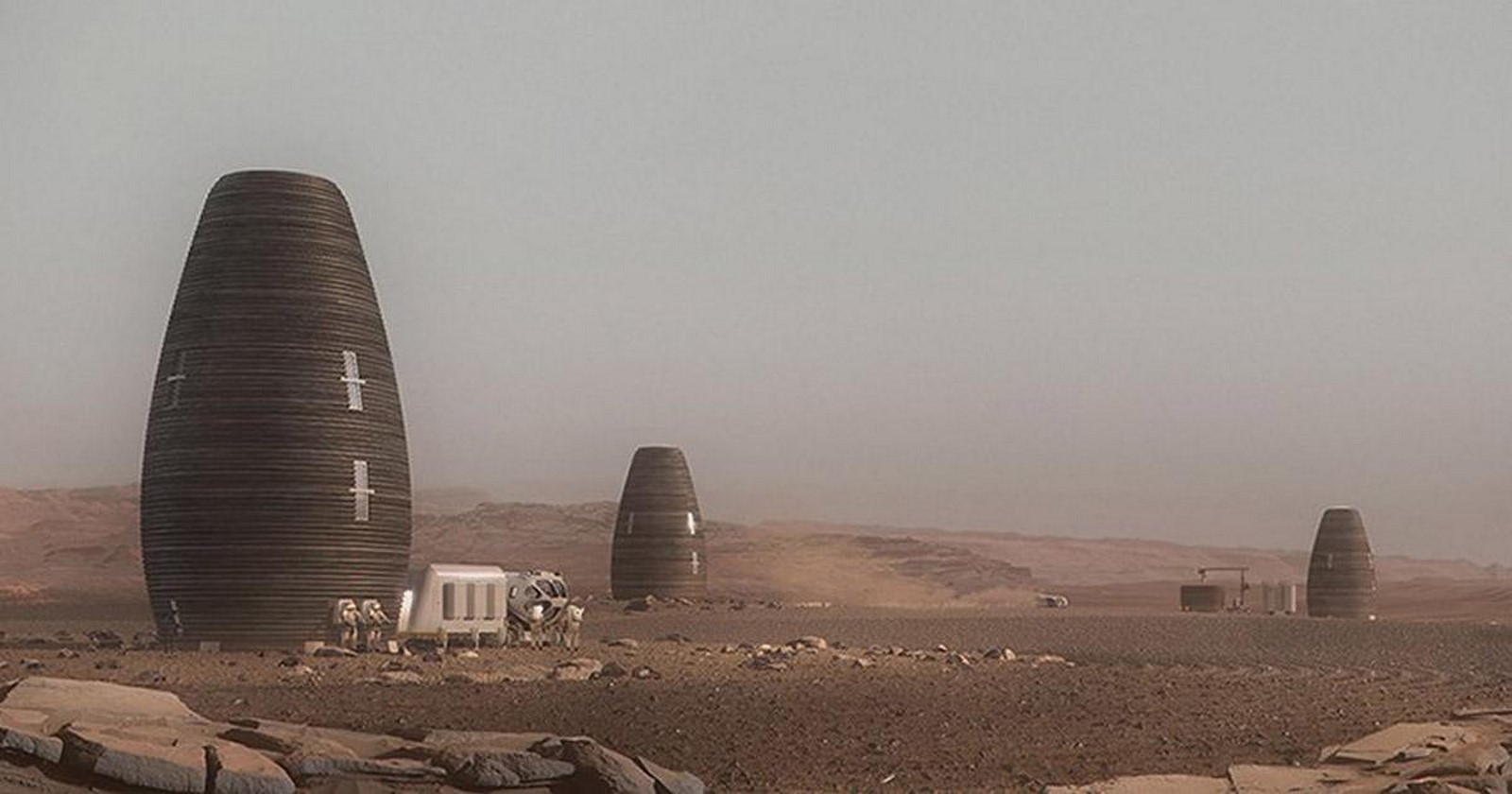
A compelling real-world example of speculative architecture influencing practical research is NASA and AI SpaceFactory’s experiments with Martian and lunar habitat prototypes. Initially conceptual, these proposals imagined structures built using extraterrestrial soil, autonomous robots, and 3D printing systems. The speculative vision suggested that humans might one day live in vertically stacked, radiation-shielded cocoons derived from local materials. What began as theoretical imagery quickly evolved into a physical prototype: MARSHA, a 3D-printed habitat that won NASA’s 3D-Printed Habitat Challenge. Although not intended for immediate colonisation, it demonstrates how speculative ideas can translate into engineering innovations. The design emphasised psychological comfort, light-filled interiors, and adaptable systems, crucial qualities for long-term extraterrestrial living. Extraterrestrial research can yield breakthroughs in sustainability, materials, and resource efficiency back home. Indeed, the technologies developed for MARSHA, like recyclable composites, autonomous construction, and minimal-waste fabrication, are now being adapted for sustainable housing on Earth. This example highlights how speculative architecture can serve as a bridge between visionary thinking and tangible innovation.
Speculative architecture is a form of design inquiry that transcends the built environment, stepping into cultural imagination, ethics, and futurism. It encourages architects, policymakers, and the public to challenge assumptions about how we should live and what forms our settlements might take. Whether proposing adaptive ocean cities, AI-driven urban systems, or post-human ecological habitats, speculative design offers a platform for expanding the boundaries of thought. Critics often dismiss the field as impractical, yet speculation has historically paved the way for transformative breakthroughs. Today’s green building technologies, modular systems, and smart infrastructures were once mere conjectures. As the world confronts climate instability, demographic shifts, and technological change, speculative architecture becomes increasingly essential, not as prophecy, but as a method for exploring possibilities and revealing blind spots.
Ultimately, speculative architecture does not claim to predict the future. Instead, it invites us to imagine multiple futures and decide which ones we want to pursue. By blending critique, creativity, and experimentation, it empowers society to envision more resilient, equitable, and inspiring environments. In doing so, it reminds us that architecture is not merely about constructing buildings; it is about constructing worlds.