What is Sound?
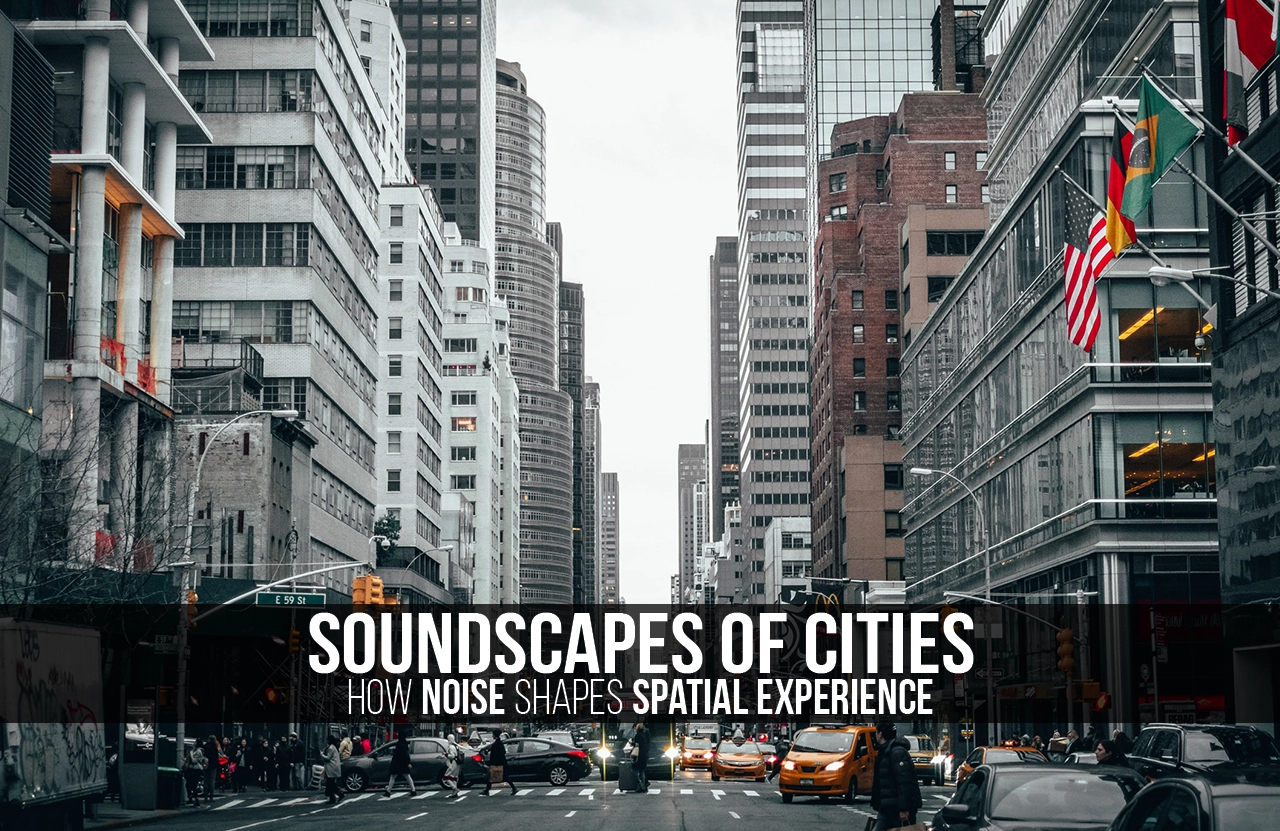
Sound is a concept we cannot abstract ourselves from in urban design, despite our best efforts. Spaces and cities constantly emit sound – enjoyable sounds or otherwise. In the context of urban design, ‘soundscape’ is a term that describes the relationship between people, sound and the built environment, derived from the term ‘landscape’.
People are constantly exposed to different sounds. On a simple walk down the street, one can hear the loud clankings of a construction site, the slow chatter of a cafe, or the loud chatter of a schoolyard, with the constant buzz of traffic and cars in the background. The multitude of sounds we hear within a city is called an ‘urban soundscape’. Sound is inevitably part of the sensory experience of a city. Despite it seeming like background noise, an urban soundscape has a significant impact on our daily experience. Not all sounds are pleasant, nor are they welcome.

Noise vs Sound
When soundscapes are taken into consideration, the first question that arises is what do the urban soundscapes tell us? What should be silenced, and who is allowed to be heard? What kinds of spaces and spatial knowledge are produced through listening? When sound becomes unwanted, it becomes ‘noise pollution’.
Noise is commonly defined as ‘sounds out of place’. Contrary to popular belief, what separates noise and sound encompasses cultural and social dimensions. Sound to one group is noise to another. Essentially, sounds are not noisy in themselves, but can become noise if they occur in a place where they are not welcome or supported.
Deciding when sound becomes noise can be very controversial. For example, neighbours complaining about music levels, the sounds of church bells and mosque prayer calls in multifaith cities, to urban governance mechanisms seeking to control and regulate the urban soundscape at scale. Sound, in other words, resonates in spatial and social relations.
Evidently, sound is not neutral. Sounds are perceived differently by different groups and are surrounded by controversies and power intrusions, affecting bodies and spaces. Some noisy areas may be labelled that way simply because of class differences between different groups. Those so-called noisy areas are highly likely to be lower income groups doing labourous jobs for a living – construction, hawking, selling vegetables, etc.
Soundscapes and spatial experiences
Due to the connotation behind which they are labelled as noisy within a city, they are more likely to be excluded as a whole, creating not only a social divide, but a spatial divide as well. Fewer resources and development initiatives would be channelled into the area, which simply propagates the cycle.
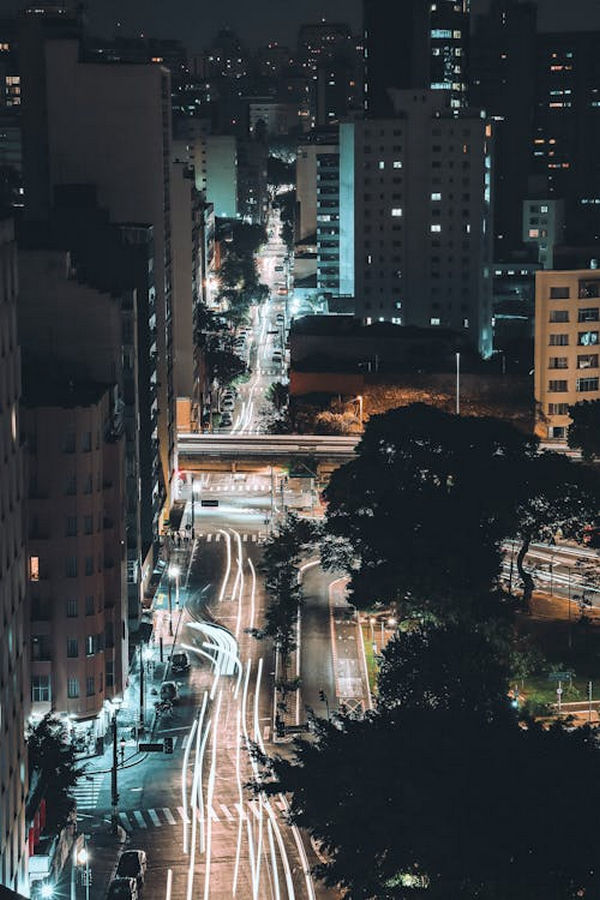
With cities constantly expanding, it is important to acknowledge how soundscapes impact spatial experience. Aside from the social aspect, according to experts, poor acoustic environments can negatively affect mental health, productivity and safety.
When rethinking a city’s soundscape, it is not only about reducing noise pollution, but it’s about creating an environment where objectively positive sounds are highlighted — birds chirping, quiet chatter, children’s voices in parks, etc. It’s about creating an environment where the city’s vibrancy is enhanced.
Technology is now a key player in shaping urban soundscapes. Sound mapping and acoustic sensors allow urban planners to map the soundscape of a city very accurately. Through this, they are able to identify the high areas of noise and help designers plan better urban environments that promote positive sounds, like natural elements and human interactions, while reducing harmful noises like traffic and construction.
Furthermore, the introduction of sound zoning, where spaces are allocated according to their acoustic characteristics, can help mitigate unwanted noise in high-density areas. In addition, smart city technologies are focusing on integrating soundscapes as part of their design to enhance public spaces and make urban life more enjoyable.
Some examples of aspects urban planners are focusing on include green spaces with parks and tree-lined streets, which can absorb and filter noise. To add on, some focus on sound design in public spaces, for example, installations and events which can foster a unique atmosphere that encourages community engagement and ultimately improves the acoustics of public transport spaces, making commuting more pleasant by minimising harsh sounds and introducing calming elements.
These initiatives make the city less focused on what is ‘noise’ vs ‘sound’. By enhancing the positive sounds, the spatial and social divide with respect to how people hear/ perceive sound is minimised. Through this focus on sound, cities have the potential to create spatial zones that are not only visually appealing but acoustically harmonious, fostering healthier, equal, and more vibrant communities.
References:
Buchberger, K. (2026). Designing with Sound: How Audio Shapes Residential Architecture. [online] ArchDaily. Available at: https://www.archdaily.com/1041306/designing-with-sound-how-audio-shapes-residential-architecture [Accessed 25 May 2026].
Eduardo Souza (2021). What Is Soundscape and What Does It Have to Do with Architecture? [online] ArchDaily. Available at: https://www.archdaily.com/972913/what-is-soundscape-and-what-does-it-have-to-do-with-architecture [Accessed 25 May 2026].
Laleh Foroughanfar and Möller, P. (2025). Sound as Urban Matters – Urban Matters Journal. [online] Urban Matters Journal. Available at: https://urbanmattersjournal.com/sound-as-urban-matters/ [Accessed 25 May 2026].
UTS Online (2025). Reconstructing the city soundscape: how urban design is shaping our acoustic environment. [online] Uts.edu.au. Available at: https://studyonline.uts.edu.au/blog/reconstructing-city-soundscape-how-urban-design-shaping-our-acoustic-environment [Accessed 25 May 2026].