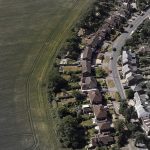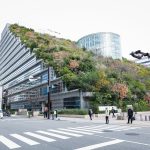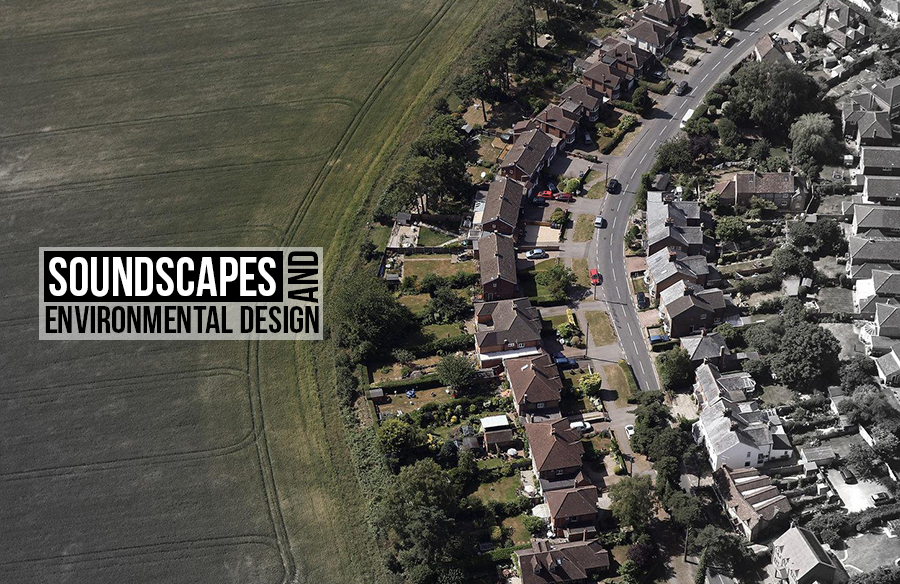
Environmental Design is identifying the environmental factors involved in designing a built environment that is feasible, sustainable, and ecologically friendly; the acoustic environment and how it is experienced, known as the soundscape, is an essential part of this design approach. Soundscapes are applied to the Design and planning of interior and outdoor spaces. They are concerned with the context, subject, and sounds imperative to the Design and functional qualities of the built environment. Soundscapes are a part of the solutions created by Environmental Design; environmental analysis produces information about the physical environment, which is used to develop apposite forms and functional qualities of a successfully built product or structure. Environmental Design is an essential part of the design process, and Soundscapes are vital for the functioning of our physical environment; they are key factors that impose sustainability and ecological order within the built environments.
Environmental Design and Architecture of all things
Environmental Design is focused on environmental factors like geography, climate, solar and wind patterns, water cycles, and soundscapes to design a built environment that is feasible and responsive to these criteria. It is a process of understanding the positive and the negative aspects of the environmental factors that affect the Design to find appropriate solutions. The typology found in Environmental designs is essential for the effective functioning of rural and urban plans, housing, and transportation facilities and equally crucial for industrial products like automobiles, generators, and power-generating equipment. Well-designed structures with south-facing facades collect less heat in summer and more sunlight in winter, the east-to-west axis disrupts northern winds, and green belts around highways and airports create pockets of soundscapes protecting the natural ecology. Similarly, industrial products like automobiles, wind turbines, and solar panels are built to function with direct contact with the outdoor environment and require distinctive environmental designs to make them effective, safe, and economical. It is a core requirement that defines the design criteria and how the product or structure is realized and communicated in form.

Environmental Design and Sustainability
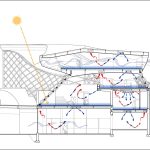
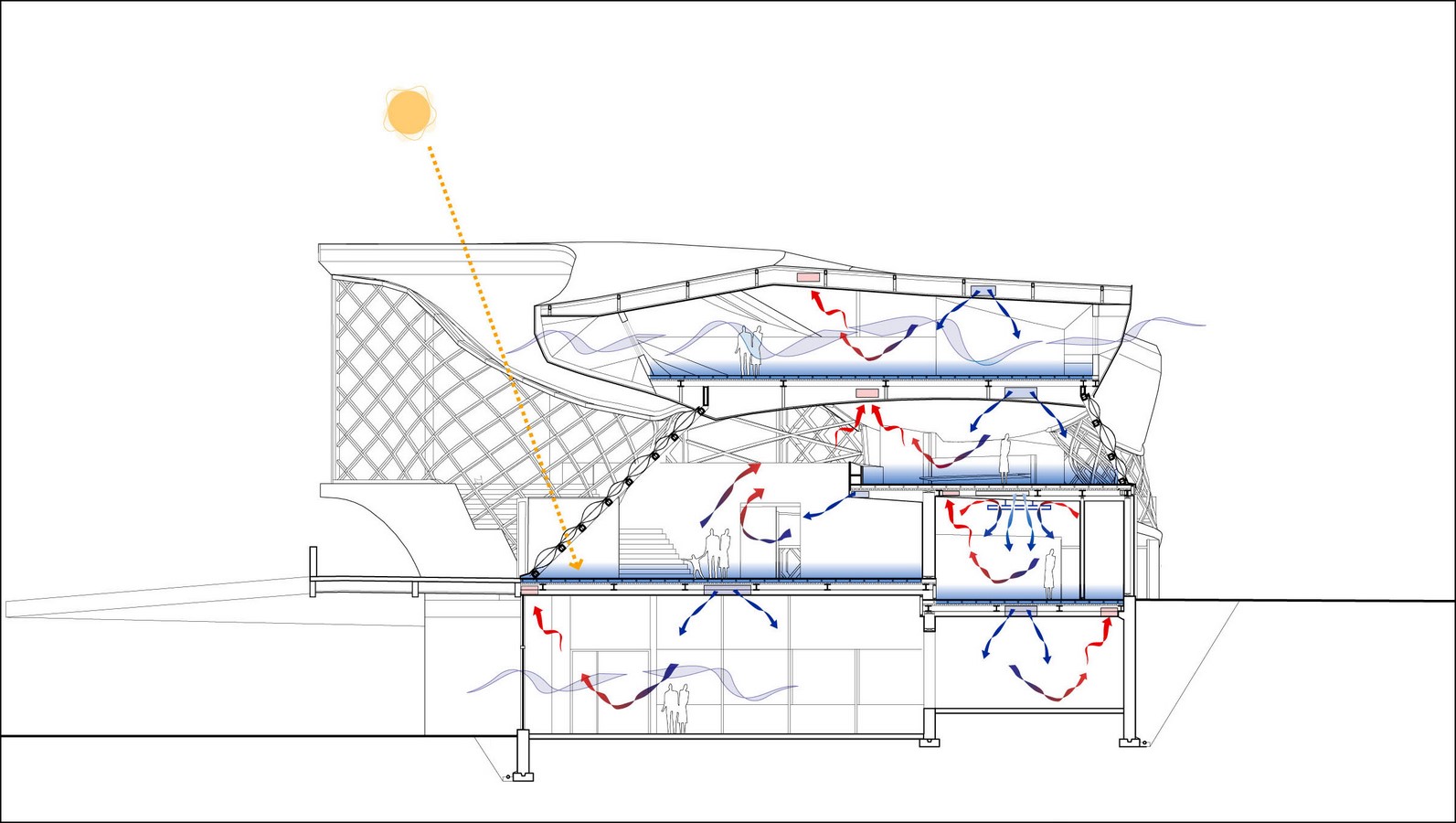
Environmental Design supports sustainability by understanding how various environmental factors dictate the effective Design of sustainable typologies and by implementing effective Design typologies. Energy conservation and energy efficiency are vital to creating efficacious products and structures designed to function as extensions of the site environment. Sustainable design typologies are created by focusing on energy conservation and sustainability by becoming a part of the ecosystem. Zero-emission Automobiles, wind and hydro-powered electric generators and solar farms are responsive to environmental factors and promote sustainability through environmental Design. The use of solar patterns to design site-responsive building facades and structural units gathers heat in the winter and rejects heat in the summer. Heavy construction and appropriate ventilations lead to stable internal temperatures, and the central void systems result in daylight exposure reducing the need for excessive artificial lighting. Environmental Design leads to energy conservation, efficiency, reuse, and recycling and becomes a direct approach to promoting sustainability and carbon neutrality.

Soundscapes
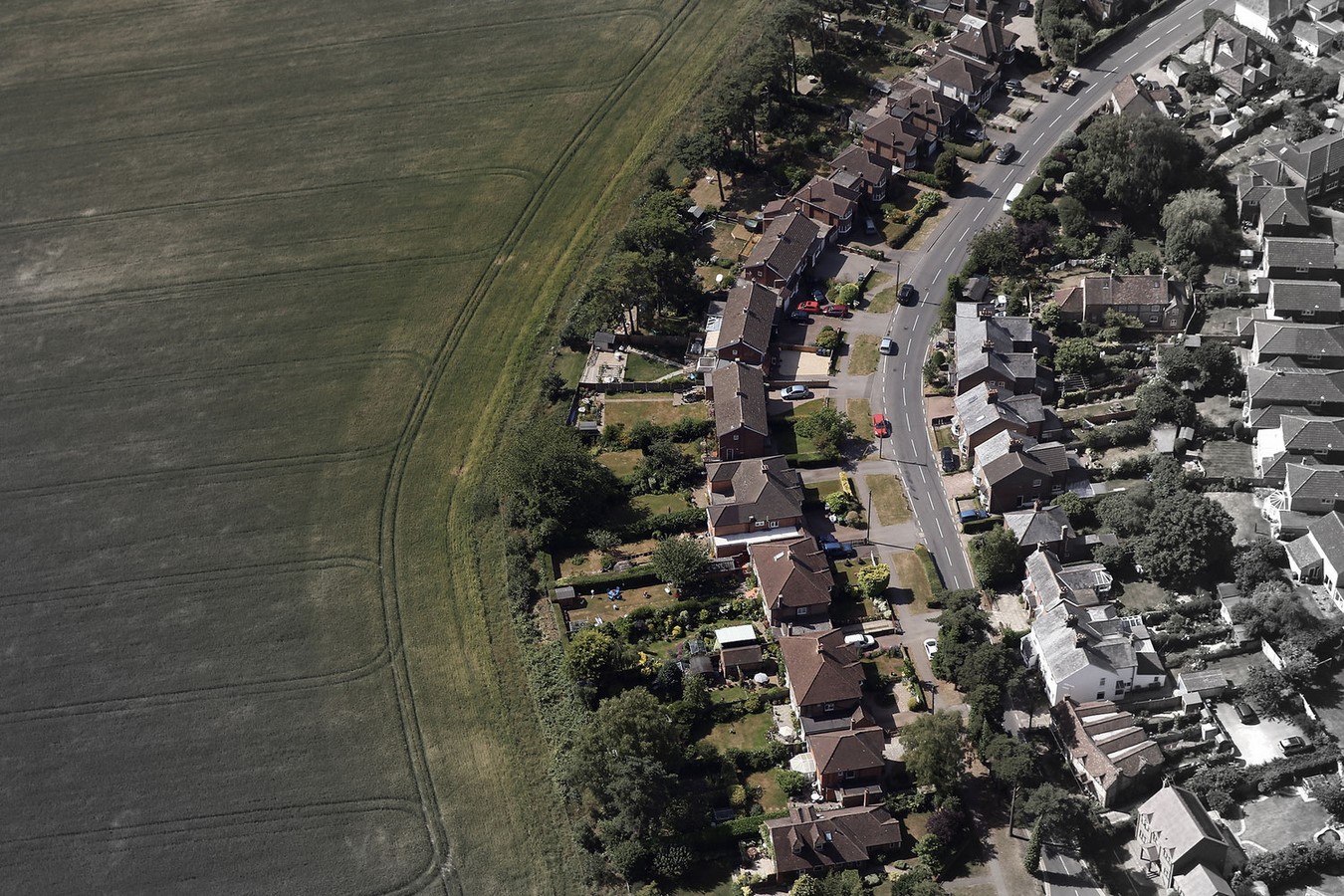
A soundscape is an acoustic environment experienced by humans in a physical setting; it defines the physical world through sounds perceived by our hearing senses. The Design of the built environment and the rural and urban settings often reveal soundscapes as a critical element that dictates the design approach. We recognize particular spaces according to the acoustic sets, and public spaces are perceived as loud and overlapping in terms of perceptible sounds. In contrast, private rooms seem isolated, and soundscapes define the essence of freedom and generate locus. Commercial, residential, and industrial sectors overlap to create soundscapes of everyday settings; our perceptions become multilayered with various sounds of different magnitudes. We see green belts of natural environments around airports and highways that create sound pockets, and the barriers shelter residential areas from high-decibel noises. City centers have extensive parks and public places to accommodate the physical program and contain the generated soundscape. The Design of building typology, site locations, materials, and structure define this soundscape, and it is decisive in creating successful and functional built environments.

Negative Soundscapes
Urbanization generates soundscapes that juxtapose infrastructures like highways, airports, and industries with the natural environment creating sound pollution and a negative impact on the environment. In urban settings, trains and interposing motorways cut through residential districts making constant noise and disruptions. The existence of such Soundscapes becomes generalized due to rapid development, and noise pollution becomes the common ground. This interminable stress factor becomes an apparent threat to health, productivity, and the environment of the particular place. People who live close to constant noise pollution suffer from hypertension, sleeping disorders, lack of concentration, and other physiological issues. Sound pollution in the natural environment also affects wildlife leading to an imbalance in the natural cycle and unforeseen ecological damage. Creating Soundscapes that lead to positive environments is essential for the well-being of the people and the environmental order.
References:
- (No date) Supporting document 1: Soundscape design – GOV.WALES. Available at: https://www.gov.wales/sites/default/files/consultations/2022-10/supporting-document-1-soundscape-design.pdf (Accessed: 05 August 2023).
- Environmental soundscapes (no date) University of York. Available at: https://www.york.ac.uk/physics-engineering-technology/research/communication-technologies/audio-and-acoustics/environmental-soundscapes/ (Accessed: 05 August 2023).
- (No date a) A review of progress in soundscapes and an … – Griffith University. Available at: https://research-repository.griffith.edu.au/bitstream/handle/10072/50262/82864_1.pdf%3bsequence=1 (Accessed: 05 August 2023).
- Beckdorf, S. (2020) Shaping soundscapes: Multi Scales Design Guideline, ArchDaily. Available at: https://www.archdaily.com/939210/shaping-soundscapes-multi-scales-design-guideline (Accessed: 05 August 2023).
- Centre for Mathematical Sciences (no date) Environmental Design | Centre for Mathematical Sciences. Available at: https://www.cms.cam.ac.uk/environmental-design (Accessed: 05 August 2023).
- (No date a) Site and environmental analysis Daniel Williams, FAIA. Available at: http://dwa-design.com/data/documents/Emerging_Practices.pdf (Accessed: 05 August 2023).
- Admin (2022) Architecture and Environmental Design, Brisa. Available at: https://brisa-buchanan.blogspot.com/2022/03/architecture-and-environmental-design.html (Accessed: 05 August 2023).
- Studio, R.D. and Studio, R.D. (2015) Rise blog. Available at: https://risedesignstudio.co.uk/blog/index.php/2015/08/26/sustainable-architecture-principles/ (Accessed: 05 August 2023).
- Soundscape (no date) Self Sufficient Building. Available at: http://legacy.iaacblog.com/maa20122013selfsufficientbuilding/2013/08/soundscape/ (Accessed: 05 August 2023).