As humanity is progressing, several novel and groundbreaking ideas emerge defying the limits of design and structures and pushing to the innovative age which inspires the transformation of the urban realm and nature of architecture inspiring a new wave of architectural wonders. Architecture would imitate nature, blend in with the environment, and harmonise with the natural world because of the growing climate crisis, urbanisation, and increase in housing demand. This desire for closer ties to nature would spur a resurgence of biophilic architecture, where structures would embrace organic forms and let in natural light to reduce the distance between the built environment and the natural world. Buildings would soar to never-before-seen heights while defying gravity. As the world embraces this era of architectural revolution, we are invited to witness a future in which the imagination and the intelligence of the human psyche would permanently alter the landscapes we call home.
Self-sustainable Buildings and Cities (Smart Cities)
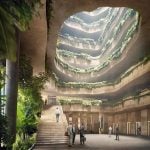
The buildings and cities which can fulfil their demands without the need for extra resources to be extracted from nature are becoming critical in the face of climate change and increasing demands for a quality life. Self-sustainable buildings utilize renewable energy sources such as solar energy and wind energy. Using renewable energies reduce the use of fossil fuels, lowering carbon emissions. Further, rainwater harvesting and water recycling systems in a building could be mandated which would help in saving water and reusing it for the future. Designing a building to maximize daylight and materials which are eco-friendly and thermally intelligent materials as per the climatic conditions can reduce the need for air-conditioning systems and other devices which would result in lower utility cost and less stress on the energy grids.
The smart cities would incorporate walkability and accessible connectivity which would promote an active lifestyle, reducing the need for personal transport which would further reduce pollution, and traffic congestion and provide a nurturing environment to the pedestrians and NMV users. Self-sustainable structures and cities ultimately pave the way for a greener, healthier, and more resilient future where environmental stewardship and human well-being go hand in hand.
Vertical Cities
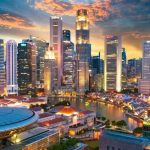
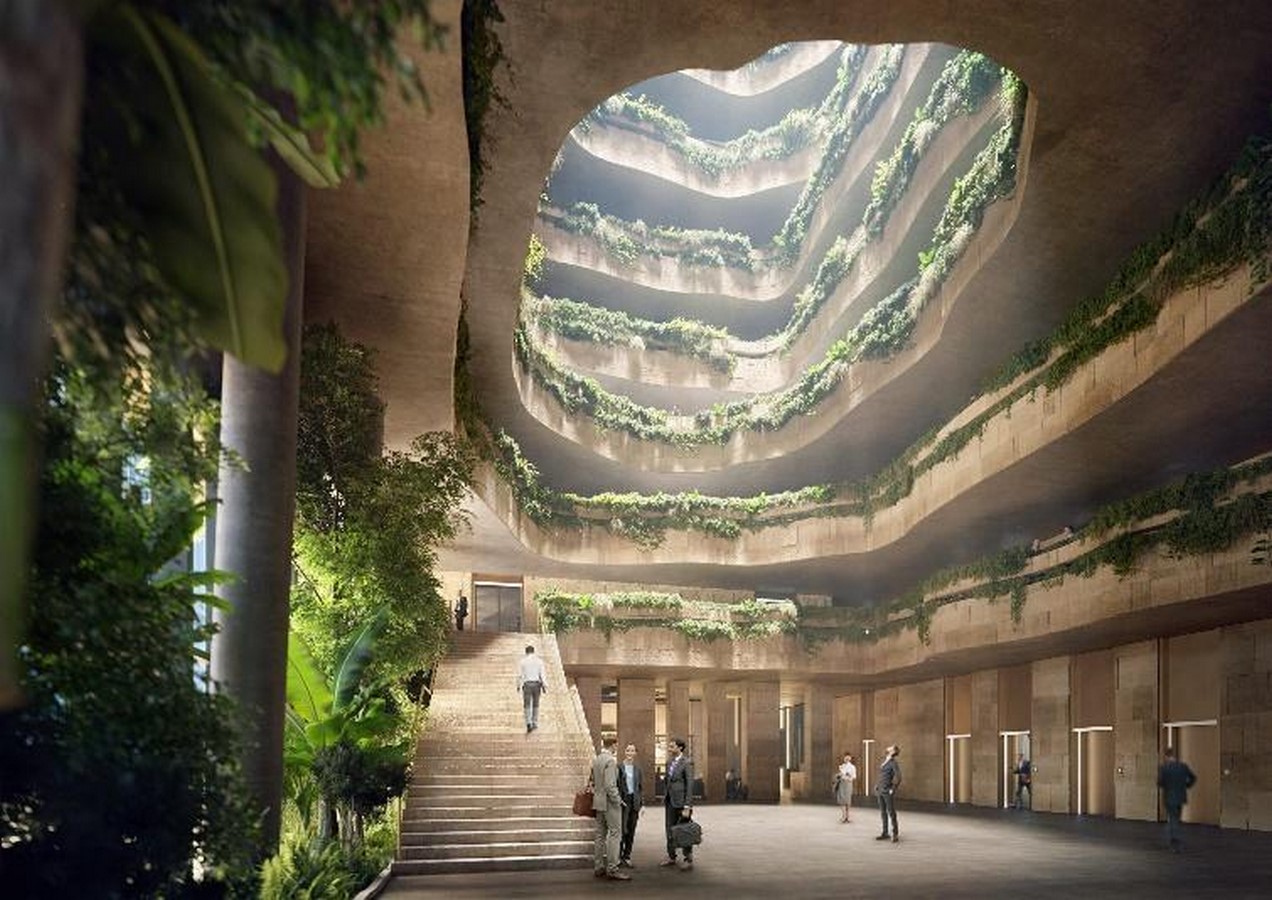
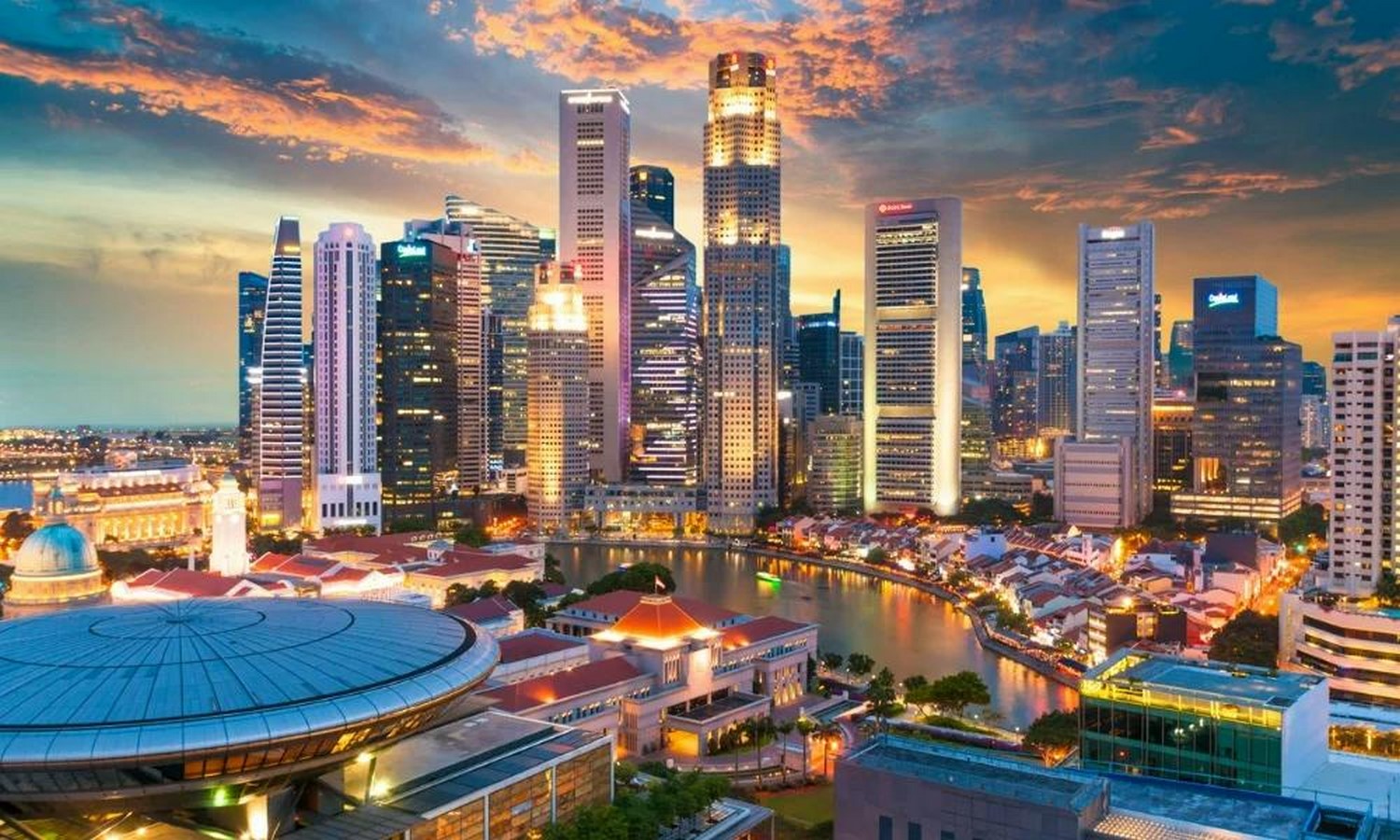
Vertical structures are expected to proliferate in the future as a practical solution to meet the demands of society considering the increasing population and limited amount of land. By stacking multiple functions, it maximises land use and saves space for other uses. These structures transform the city’s skyline and produce a stunning visual of the city. These vertical structures along with sustainable features like the use of eco-friendly materials, vertical gardens and energy-efficient systems with the use of advanced technologies, can fulfil the demands of the society. One such example in the present exemplifying the verticality is Singapore, the city-state, nestled on a small island. Singapore’s verticality improves the efficiency of land use in the city since the city is constructed over a small island. The compact nature of the vertical structures allows for more green areas and public amenities at ground level.
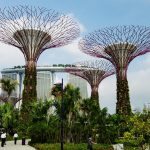
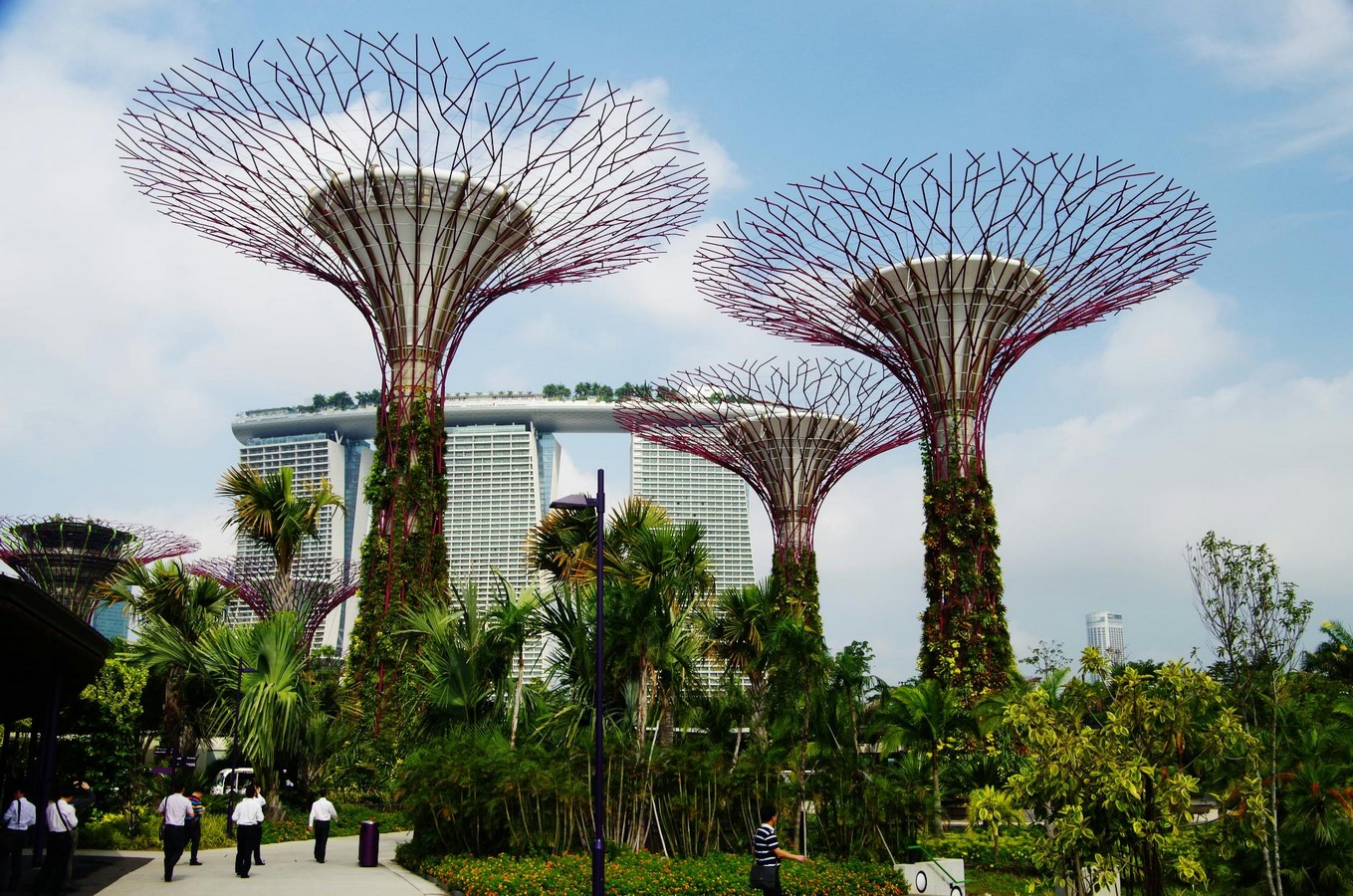
Beyond the vertical buildings, the city has also incorporated the idea of vertical gardens. One such example is the “Gardens by the Bay”, with stunning vertical gardens and super trees which serve as a landmark for the city. Furthermore, these vertical structures are planned and interconnected with elevated pathways, sky bridges, and high-speed elevators which provide a seamless experience for the people, all thanks to the advanced technologies.
Floating Houses and Cities
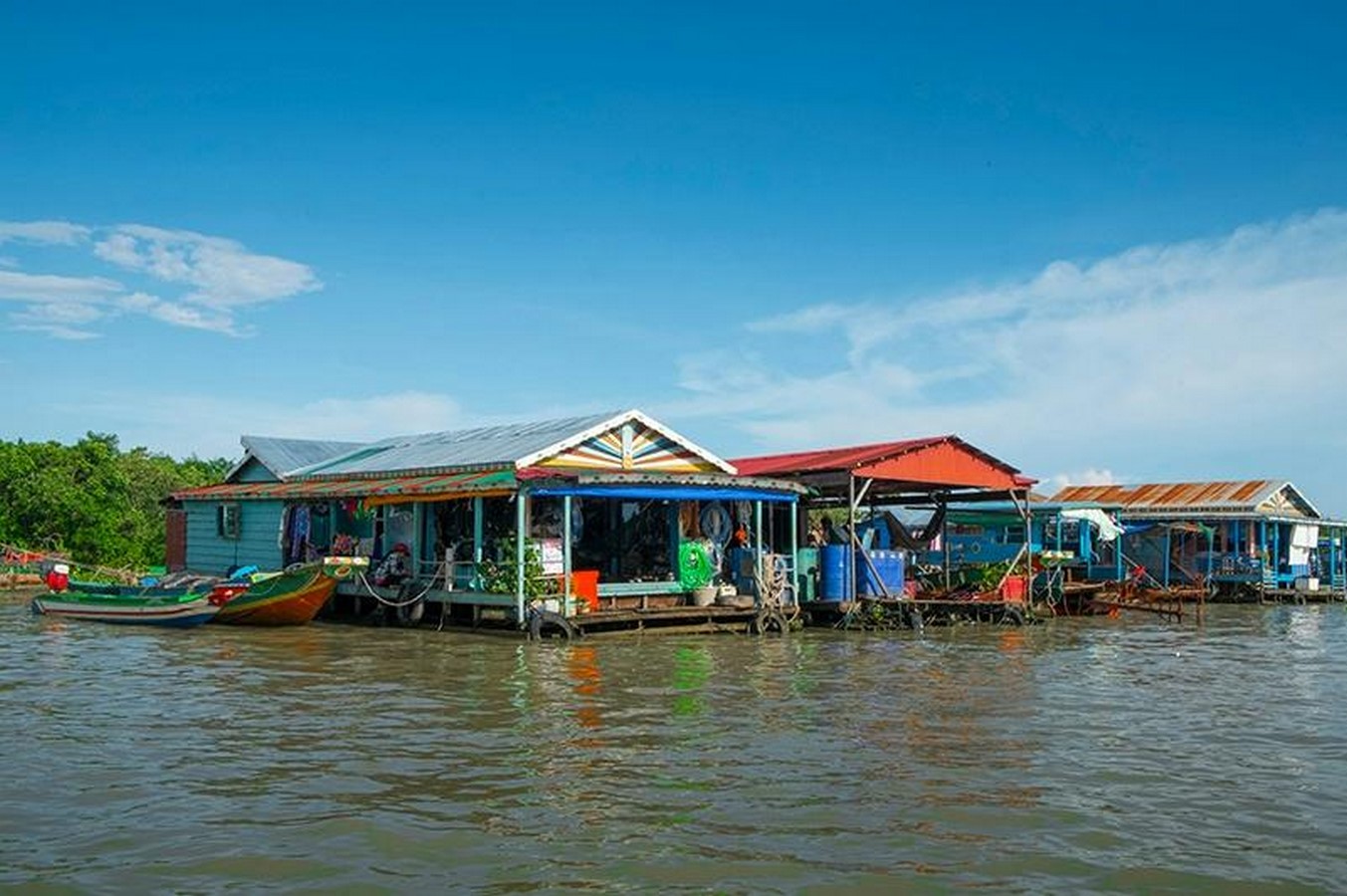
Floating structures present a promising alternative as sea levels rise and coastal areas become more susceptible to flooding. By adapting to shifting water levels, these homes create resilient and sustainable habitats. Cities and homes that float allow us to coexist peacefully with water bodies, maximising their potential rather than fighting against it. An inspiring illustration of this idea can be seen in Tonle Sap, Cambodia, where floating villages coexist with the lake of the same. Ingenious architectural and engineering methods have been developed by these communities to build homes that sustain and move across the water’s surface. Such examples serve as models for the future of floating homes and cities, which envision environmentally friendly plans that embrace the water bodies and provide adaptable living spaces. We can develop resilient communities that coexist harmoniously with our dynamic and constantly changing natural surroundings by welcoming the potential of floating architecture.
Adaptive Reuse
In the future, the concept of adaptive reuse will become a staple practice focusing on sustainability and a desire to reduce waste. Architects will reuse existing buildings, giving them new life by altering their designs to satisfy the changing needs of society and preserving the cultural heritage of the area.
This approach has many benefits for the environment and culture. By modifying existing buildings, we lessen the demand for new construction and the resource consumption that goes along with it, cutting down on waste and carbon emissions. Additionally, adaptive reuse recognises the past and distinct features of buildings while preserving their historical significance. Future designers will effectively incorporate contemporary modifications into the design of the existing buildings, balancing between preservation and progress.
Conclusion
In conclusion, the future of architecture would be an example of sustainability, innovation, and a strong bond with nature. As humanity develops, we are pushed towards a built environment that values resilience, verticality, floating structures, self-sustainability, and biomimicry. These ideas come together to form a vision of cities and buildings that harmoniously blend ecological responsibility, functionality, and aesthetics. These ideas are already being implemented in the present but will grow more in the future for the needs of society. The past, present, and future
References:
Floating cities: The future or a washed-up idea? (no date) construction21.org. Available at: https://www.construction21.org/articles/h/floating-cities-the-future-or-a-washed-up-idea.html (Accessed: 09 July 2023).
Gattupalli, A. (2023) Floating cities of the past and future, ArchDaily. Available at: https://www.archdaily.com/992148/floating-cities-of-the-past-and-future (Accessed: 09 July 2023).
The Scrapbook Of Life (2022) Tonle Sap floating village – a unique day trip from Siem Reap, Cambodia, The Scrapbook Of Life. Available at: https://thescrapbookoflife.com/tonle-sap-floating-village/ (Accessed: 09 July 2023).
Images:
01_Sanko headquarters, Istanbul, Turkey 10 Examples of Sustainable Architecture Around the World – RMJM
02_Singapore City_Is Singapore the world’s most expensive city? | HRD Asia (hcamag.com)
03_Gardens by the Bay, Singapore_©Balou46 / Wikimedia commons (2013) [Photograph]
04_Tonle Sap APT Mekong River Cruise | Flight Centre Travel blog