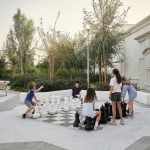
Urban life is enabled through the experience of the public space of a city – from the bus stops used by millions of people on the daily, to the parks which provide little moments of pause or relaxation in one’s day. The character of a city, the convenience of navigating it and its level of pedestrianisation are all impacted by the quality of its public spaces, which are described as spaces available for use by anyone. Yet, the experience of a city is rarely universal, and the decisions that go into designing it are often less than democratic. Globally, only 44% of urban residents live near an open public space, and that figure drops to 30% among urban residents in low- and middle-income countries. (Guerra, 2026) Limited space, obstacles, noise, pollution, risk of accident, and generally disgraceful conditions are typical for city dwellers in most of the world’s cities. (Low and Smith, 2006) The top-down nature of decision-making in modern administrations ensures that the majority of the power to decide ‘who gets to experience what and how much’ remains in the hands of a few – city councils, planning authorities, developers, individuals who fund or regulate schemes. But collective effort by common people, or thoughtful design decisions by architecture practices, can give rise to a vibrant and functional public realm.
Top-down Concentration of Power
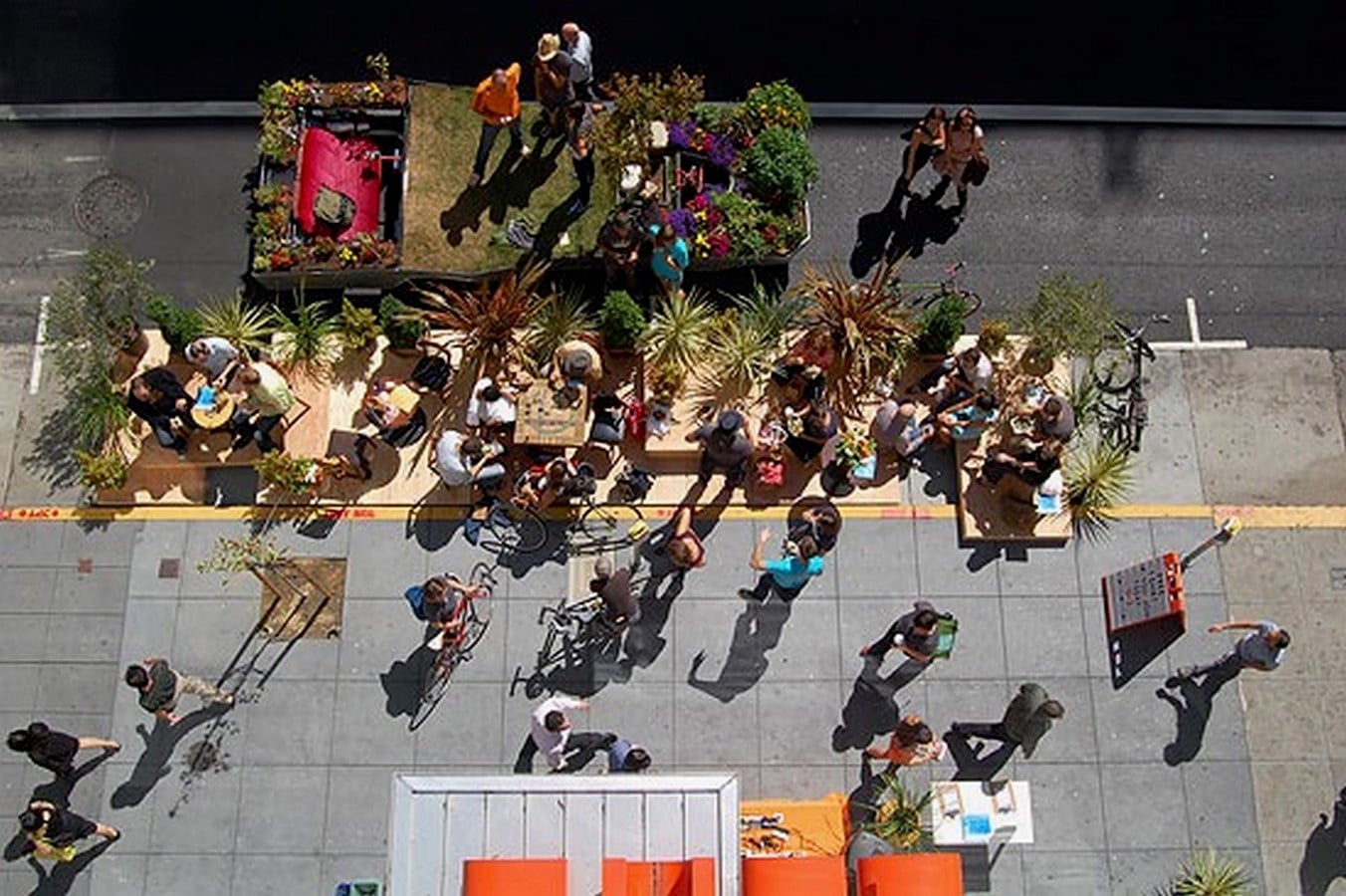
The modern world has an ever-increasing desire for control, and the public realm is no exception. Firstly, planning authorities and zoning laws determine the allocation of public space. Increasing privatisation in recent times has led to a decline in public-sector control over the quality of infrastructure. More often than not, those in charge of designing amenities for public use prefer to follow precedent and stick to tried-and-tested solutions without heed to changing needs of the population. Inefficient distribution of resources by planning authorities and lack of participatory decision-making exacerbate the inability of facilities to meet demand.
An Architecture of Hostility
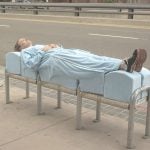
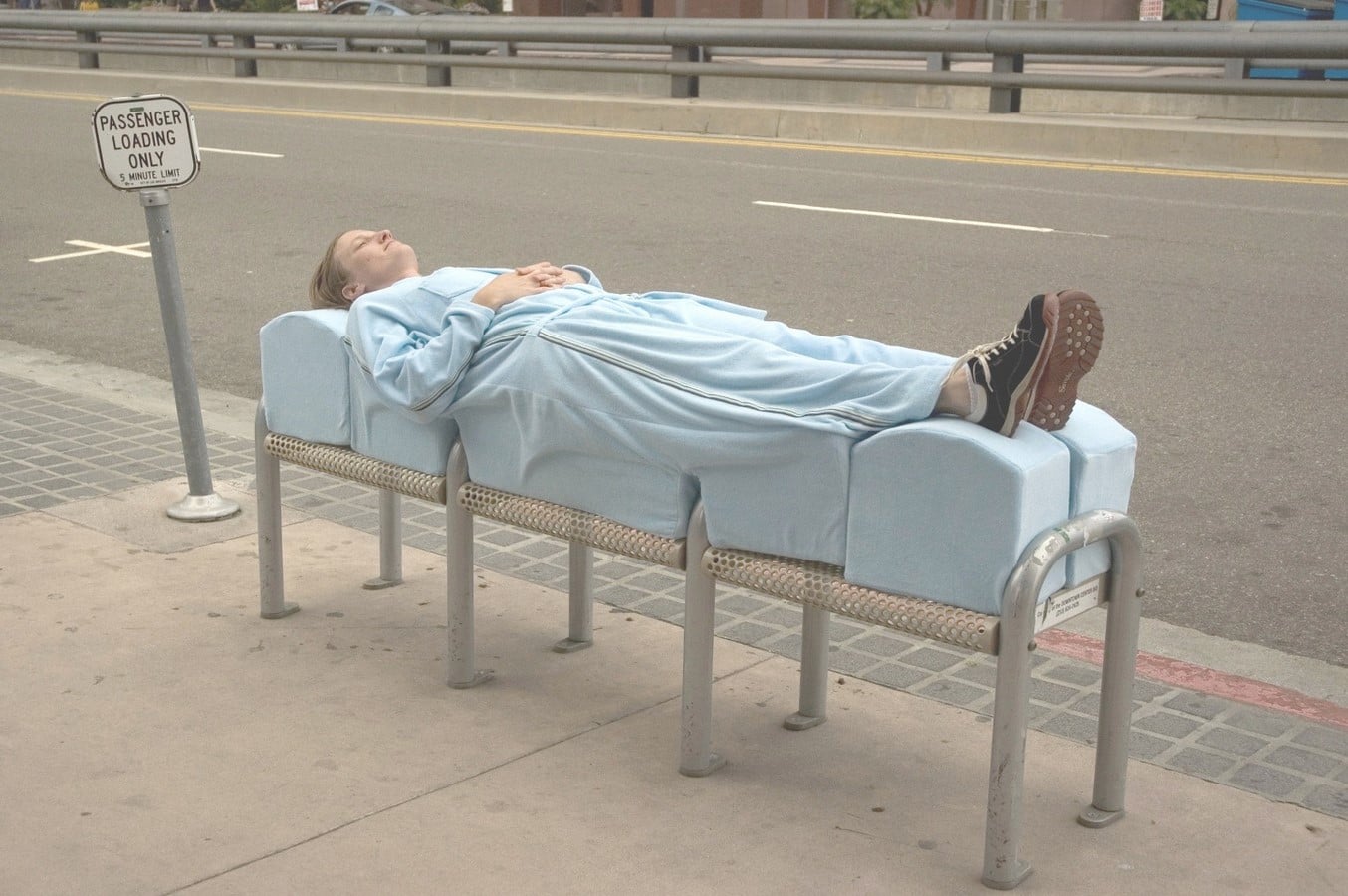
Be it the environment or the movement of people, space is optimised to separate the desirables from the undesirables. Hostile/defensive architecture subtly makes it impossible for the homeless to settle for a night’s sleep on public benches, while decorative bird spikes keep shiny facades immaculate and the pigeons away. Discrete surveillance is used to monitor people, lowering crime rates, as well as being used to recognise patterns of movement, which may inform future design decisions. This keeps the experience of the city from becoming a modern-day Panopticon, but perhaps highlights a lack of mutual trust between citizens and governments, especially in the case of vulnerable sections of society.
Gentrification and Segregation
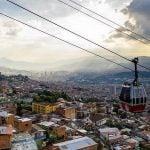
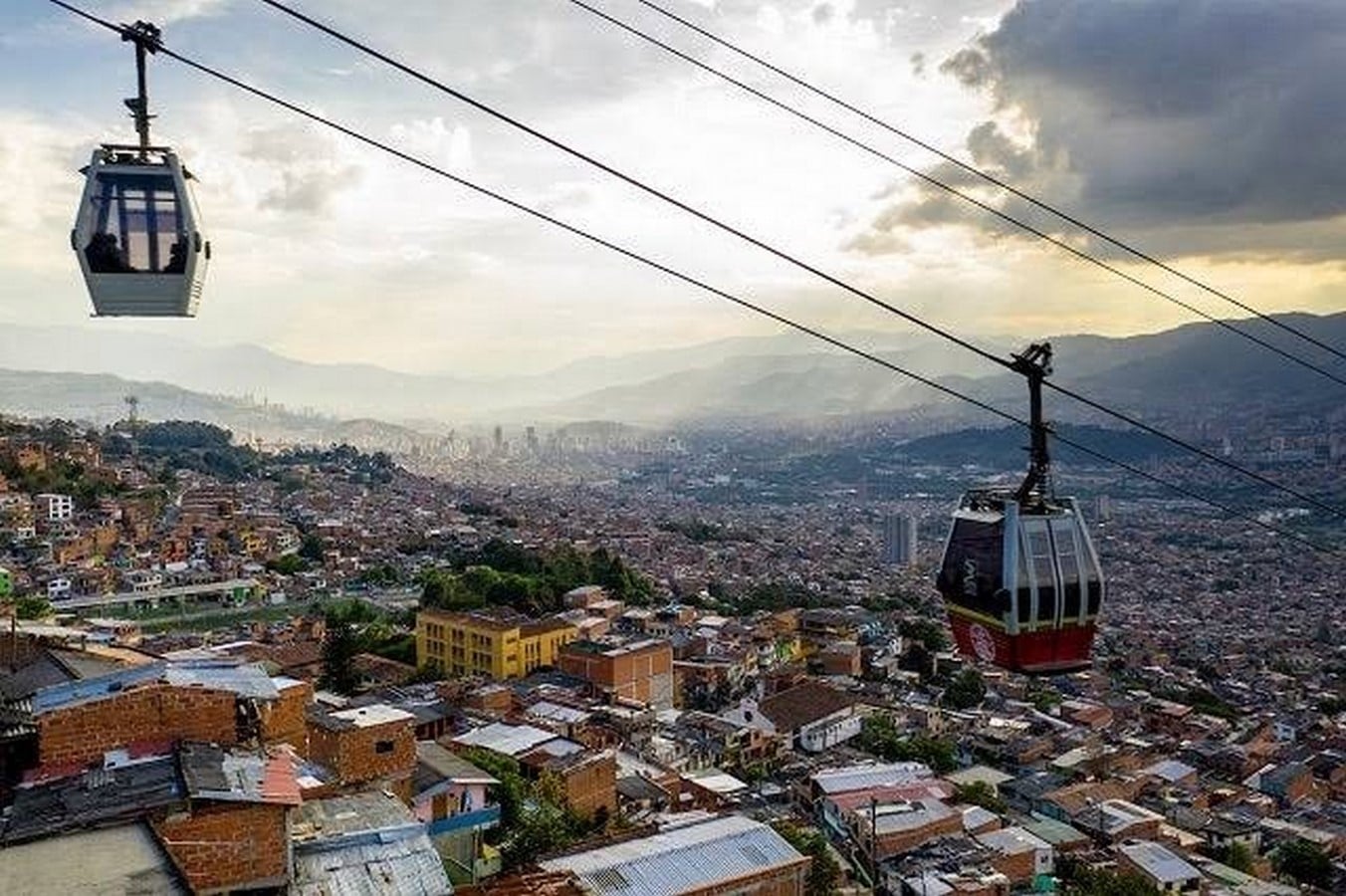
Urban gentrification – the phenomenon of an influx of wealthier populations that forces inhabitants out of lower-income neighbourhoods – is another factor which results in a greater disparity in the ability of the population to benefit from good public infrastructure. As lower-income individuals are pushed to the edges of the city, they are deprived of enjoying developed public transport routes and public amenities such as parks, promenades and civic centres, or the regular maintenance of said amenities – facilities they might have most benefitted from. In most cases, economic depravity lines up with minority identity, emphasising segregation along racial or cultural lines. Another effect of gentrification and capitalism has been the degradation of local civic identity through the increasing commercialisation of places in favour of tourism and attracting footfall. This takes the sense of belonging out of a place as inhabitants are forced to fight for space to exist.
(De-)Regulating Public Use
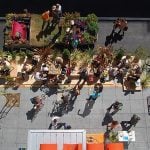
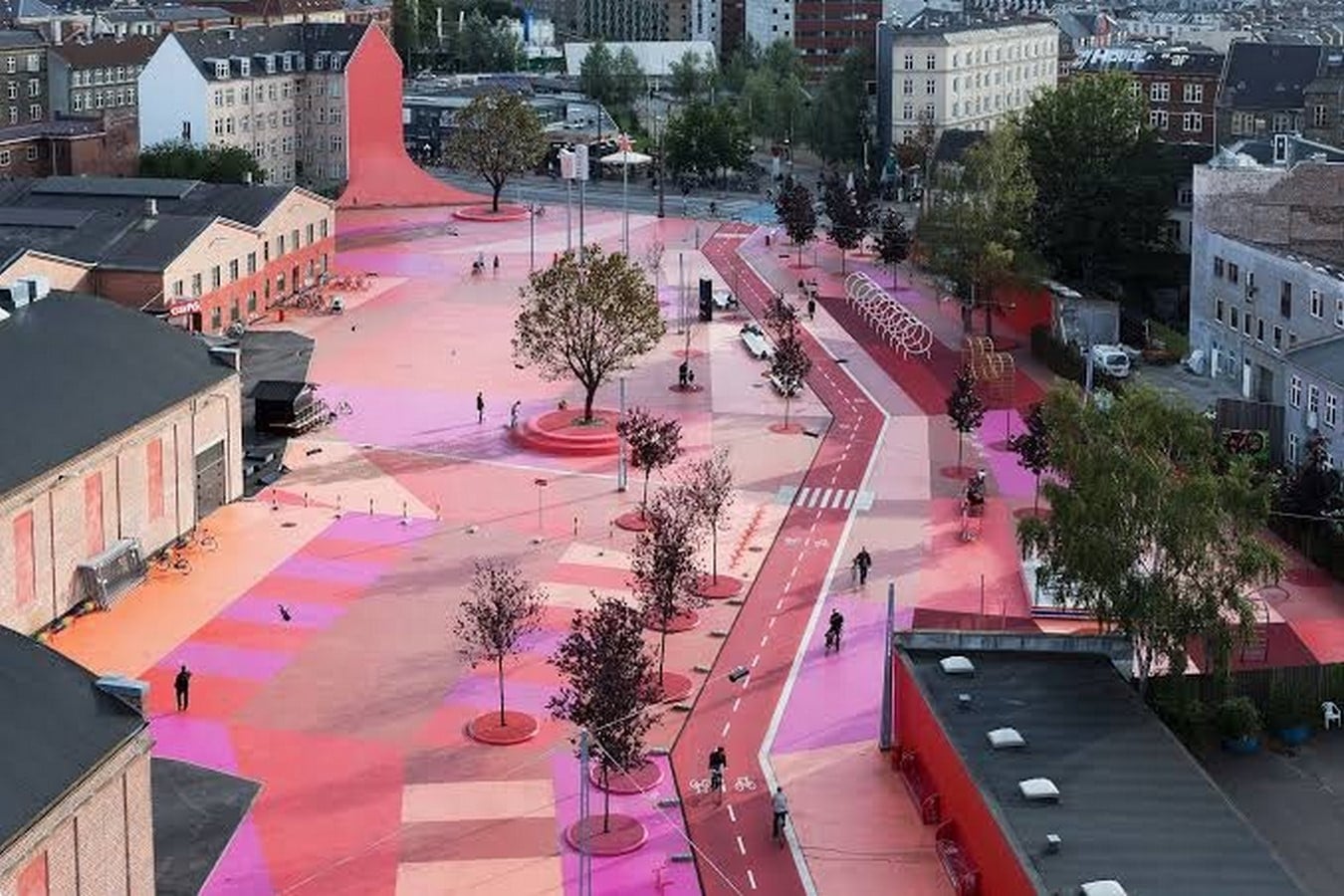
The liveliness of a streetscape is often dependent on the generosity of pedestrian pathways and regulations regarding their permitted use by street vendors or buskers. Generous pedestrian walkways and comfortable public seating are the building blocks of a thriving town square. Large trees provide shade in the summer and sustainable drainage systems (SuDs) aid in managing surface runoff with carefully planned greenery. Investment in such facilities can improve public space usage manifold and improve tourism in the area. But encoding minimum standards in urban design laws and regulations, and regularly updating them, should be a starting point.
Gender and Accessibility
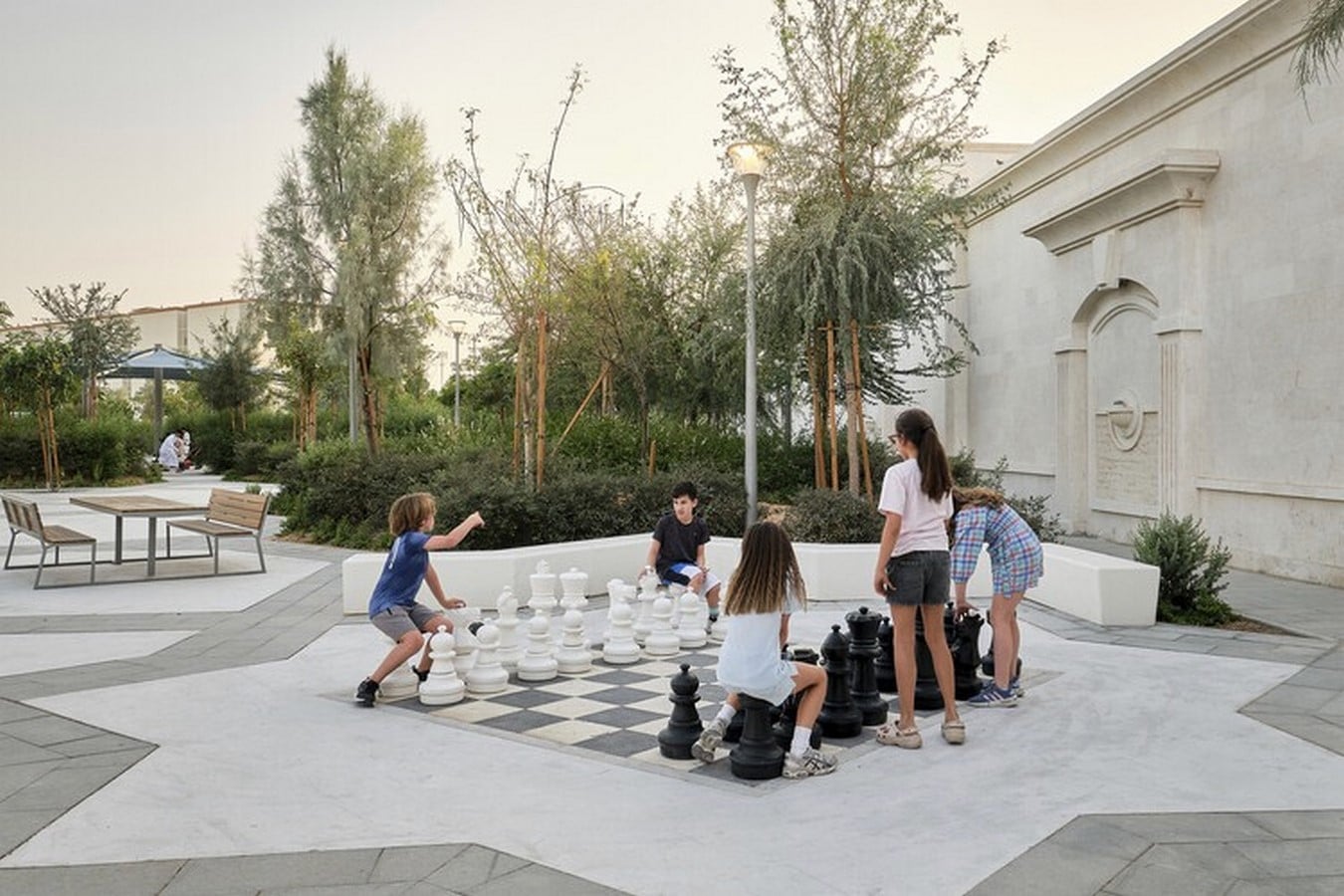
Public space is gendered space. For long, infrastructure has been developed with working men in mind, and does little to serve the purposes of other demographics. Developing facilities for all ages – like providing spaces to support child care and other caregivers in general – allows women and the elderly greater mobility and independence in movement. Improving accessibility by means of curb cuts, safe crossings, or tactile paving not only benefits those with disabilities but also makes life easier for most others (the curb cut effect!).
A Shared Identity
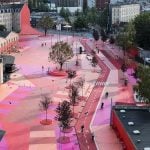
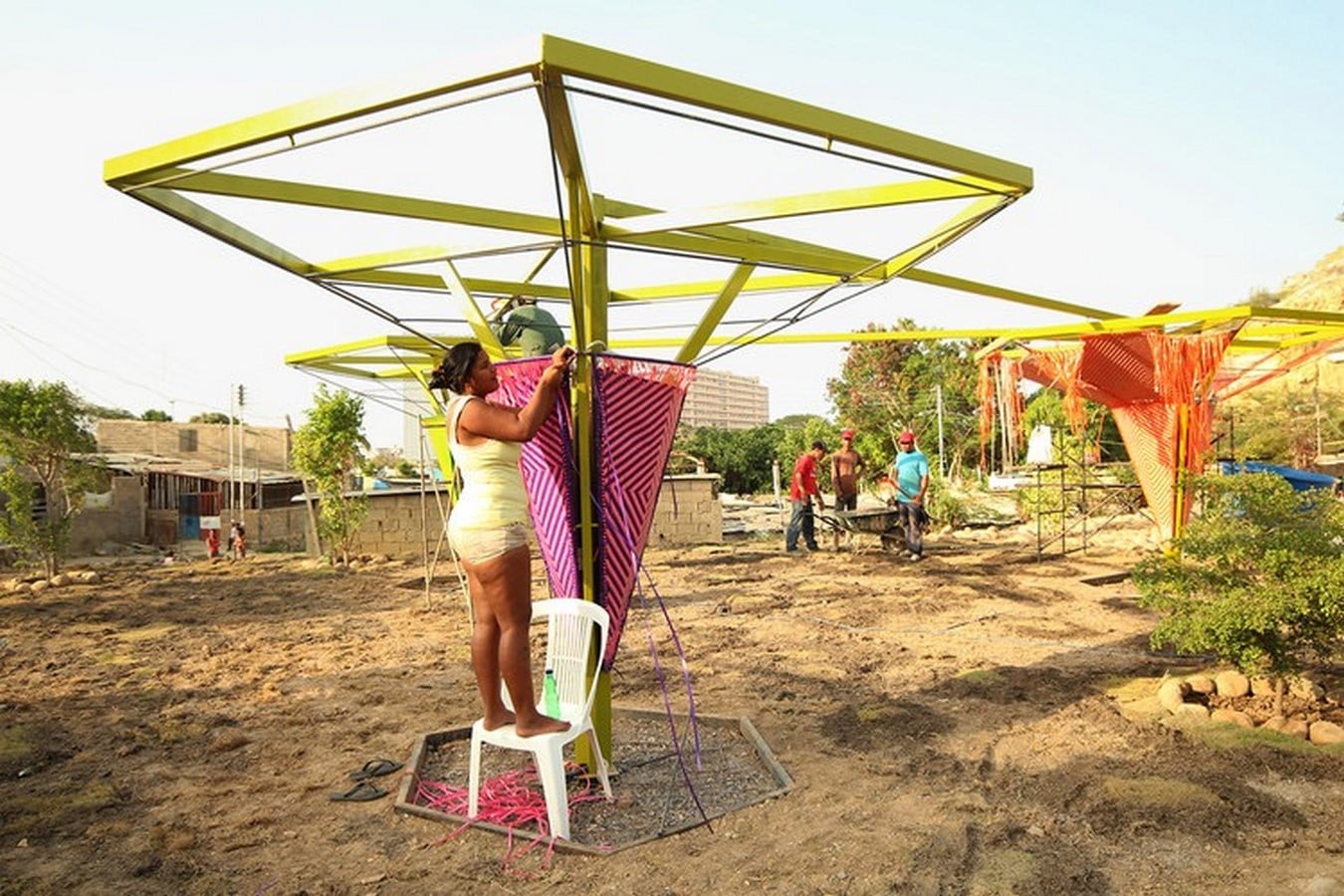
The earliest formal notion of the public realm was the Greek Agora, a place for gathering or a public square. While the traditional function of city space as social forum has been phased out, civic identity lives on in its spaces of cultural production and public assembly. (Low and Smith, 2006) People’s freedom of expression takes the form of street performances, demonstrations, protests, activism, public art, murals and graffiti, making a lasting mark on the face of the city. Yet, capitalism has normalised public space being swathed in advertisements, and public art is seen as vandalism. In order to enable such creative expression, authorities must allow space to create and display for all. Sharing responsibility for maintenance and upkeep with these communities can ensure accountability from both parties.
Public space is essentially political; it is shaped by various lines of power, each constantly tugging at the fringes of the urban make-up. While treading around those lines carefully keeps outcomes in equilibrium, sometimes perhaps a little shake-up is required to make oneself heard. Challenging conventional design choices requires deliberate boldness, but most importantly, a willingness to listen to the needs of others, and collaboration.
Reference List:
Bakalova, E. (no date). https://architizer.com/blog/inspiration/collections/copenhagen-playful-architectural-design/, architizer.com. Available at: https://architizer.com/blog/inspiration/collections/copenhagen-playful-architectural-design/ (Accessed: 26 July 2026).
Freeman, C. (2017). Radical Cities: Across Latin America in Search of a New Architecture. Journal of Latin American Geography, 16, pp. 210-11. 10.1353/lag.2017.0001.
Gehl, J. (2010) Cities for people. Washington, DC: Island Press.
Guerra, J. (2026) New Guide promotes safe, inclusive and child-friendly public spaces, who.int. Available at: https://www.who.int/news/item/21-01-2026-new-guide-promotes-safe–inclusive-and-child-friendly-public-spaces (Accessed: 27 July 2026).
Kohlstedt, K. (2016). Unpleasant Design & Hostile Urban Architecture – 99% invisible, 99percentinvisible.org. Available at: https://99percentinvisible.org/episode/unpleasant-design-hostile-urban-architecture/ (Accessed: 26 July 2026).
Low, S.M. and Smith, N. (2006) The politics of public space. London: Routledge.
Passmore, M. (2010). Participatory urbanism | spur, spur.org. Available at: https://www.spur.org/publications/urbanist-article/2010-02-01/participatory-urbanism (Accessed: 26 July 2026).
Picoestudio (2014). Espacios de Paz (spaces for peace) | Pico Estudio | Archinect, archinect.com. Available at: https://archinect.com/picoestudio/project/espacios-de-paz-spaces-for-peace (Accessed: 26 July 2026).
Piñeiro, A. (2025). Make space for girls launches strategy for gender-inclusive public spaces | archdaily, archdaily.com. Available at: https://www.archdaily.com/1034835/make-space-for-girls-launches-strategy-for-gender-inclusive-public-spaces (Accessed: 26 July 2026).