The Life “In-Between”
The architecture of a city reinforces and represents its systems, often forming icons that remain imprinted in minds. Yet it is the spaces in between its buildings; particularly streets, parks, plazas and other shared environments, where urban life unfolds. These “ in- between spaces” (so frequently treated as residual spaces) are actively shaped by their users, which in turn creates patterns of behaviour and movement, fostering familiarity and ultimately a sense of belonging. In this reciprocal relationship between people and urban design, the life of the city is continuously produced and reproduced through its public spaces.
When does a public space become Political?
In his seminal work. Life Between Buildings (1987), Danish Architect and Urbanist, Jan Gehl articulates his foundational tenet: “First life, then spaces, then buildings. The other way around never works”. However, in the throes of “modernity”, this principle was quickly forgotten, and the amount of space dedicated to the public usage has historically seen a drastic decrease. Visually, this stark difference can be traced through historical imagery and satellite records, such as those available through Google Earth. According to UN-Habitat, the share of urban surface dedicated to streets (a core component of public space) fell from 25% in the early 1990’s to 20.8% in newly built urban areas between 1990-2015. In Mumbai, the public open space per capita has been recorded at 1.24 square metres, far below the World Health Organisation’s recommended 9 square metres of green space per person in Urban Areas. These figures illustrate the broad pattern of prioritisation of private development and vehicular infrastructure over communal, people- centric environments.
This imbalance raises an important query into the nature and operation of a public space: When does a public space become political? The answer lies beyond the physical boundaries of the space itself. A public space becomes political when the rights and accessibility of its occupants; are contested. A seemingly neutral public space, therefore, is political even before any protest or act of dissent may occur; through the decisions taken by authorities conveyed through languages of design and architecture.
The Politics of Gathering
Public spaces are arenas that allow individual to move beyond private existence and participate in a collective identity. In ancient Greece, cities feature large open meeting grounds called Agora. These spaces functioned both as gathering space for born citizen to hear the statements of the king or the council and as a marketplace. In this manner, Agora was the hub for social, political, judicial and commercial exchange. The heart of the Ancient Rome, The Roman Forum was considered the most celebrated meeting place in the world and in all of history. Throughout history, shared urban spaces functioned not just as places of recreation or movement, but as places where community were established through shared ideas and needs. In Scandinavian Ting. Outdoor sites functioned as parliaments and courts for the free people. What connects these spaces from distinct cultures are their roles in breaking the boundary between the everyday individual life and shared political life.
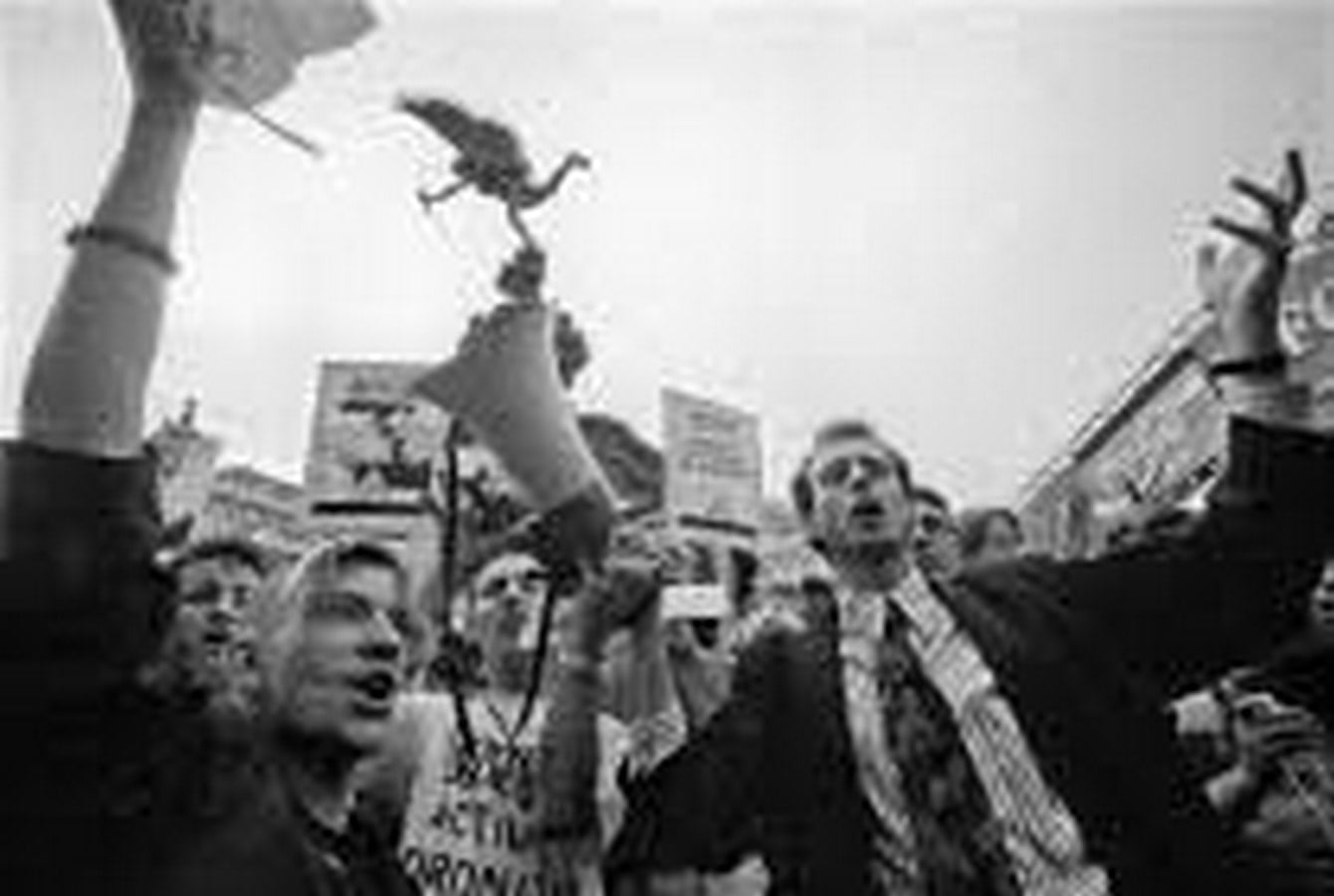
This gathering can be argued as the condition by which politics exist. Visibility garnered through gathering makes it unignorable. In 1987, more than 100 queer individuals took the Piccadilly Circus for the “kiss-in” protest to show affection in defiance of the then existing discriminatory laws. The protest helped shift public visibility and expose the ludicrousness the unfair laws. The wide open of the Piccadilly Circus set the stage to make the marginalised queer folk visible.
To this day, physical gathering in spaces remains to be the key means by which collective concerns and grievances are made publicly visible.
Deciding the Publicness of Public Space
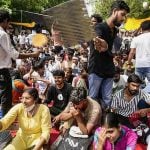
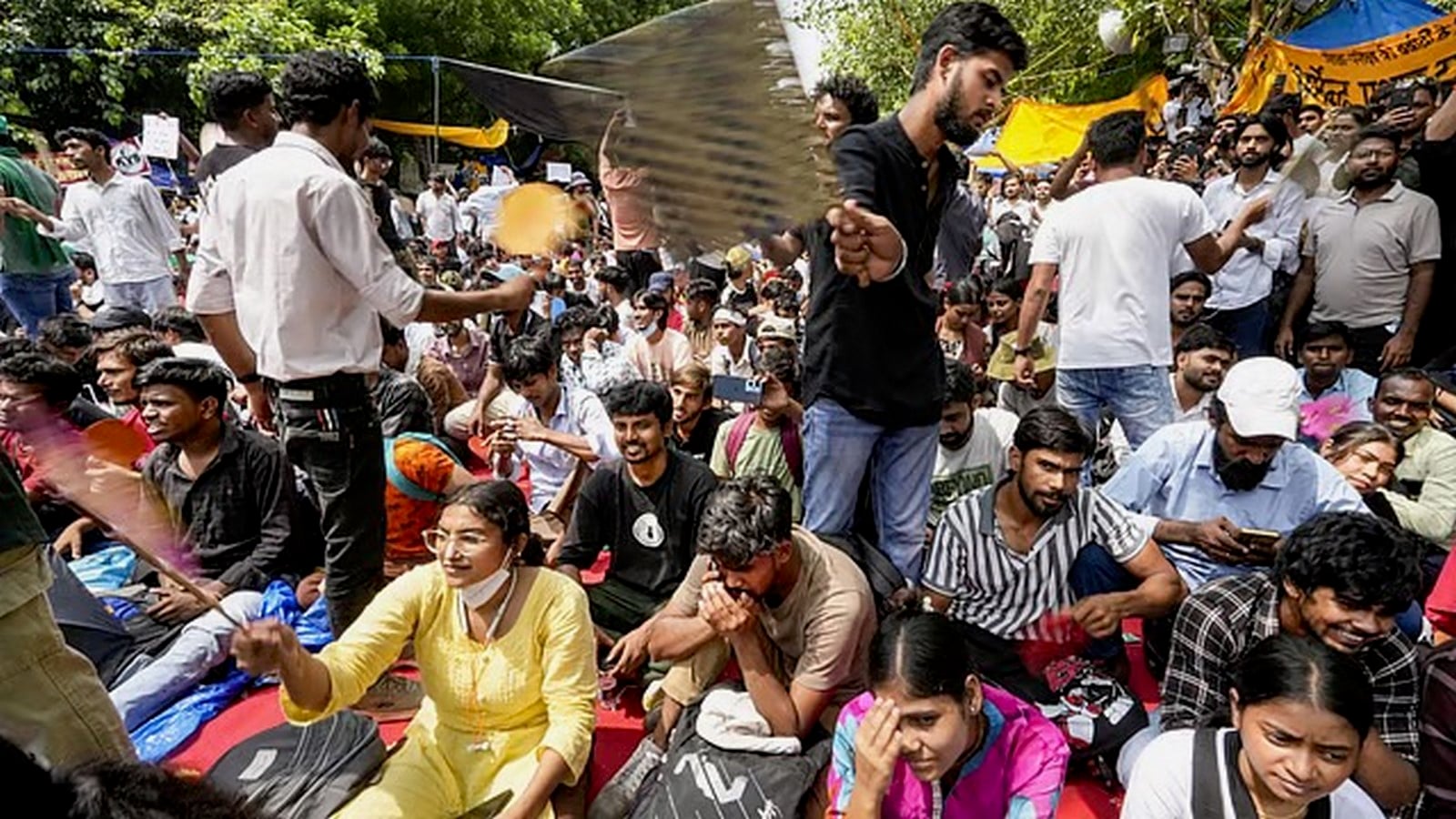
The student protests in Delhi during mid -July 2026, occurred in a site prescribed as protest site by the authorities. It is thus, imperative to talk about regulation and the means and the extended of the regulations.
Jantar Mantar was designated as a site for public protest after the Framers Rally in 1988. The narrow lanes allow for the ease of crowd control via barricades ,policing and other security measures. While the designation of protest sites acknowledges the rights to democratic express and facilitates the same, it does a raise a difficult question: If protests are permitted only within selected spaces, who controls the geography of political expression? Often times the collective spaces selected for the public dissent are those that offer easier means of regulatory systems. By allotting site sites for dissent, authorities are not just “regulating crowds” ; they actively regulate the visibility of the democratic expression withing the city. Publicness, therefor, is not just determined by a whether a space is accessible , but also by the terms under which the access is granted
In a world where modernity has become synonymous with capitalism than an improved quality of life, privatisation of infrastructure and urban space defines the norm. Public spaces and amenities for the public are designed thoughtlessly ,cutting corners in the name of economic priorities and ignoring the need for those these spaces are intended for.
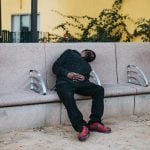
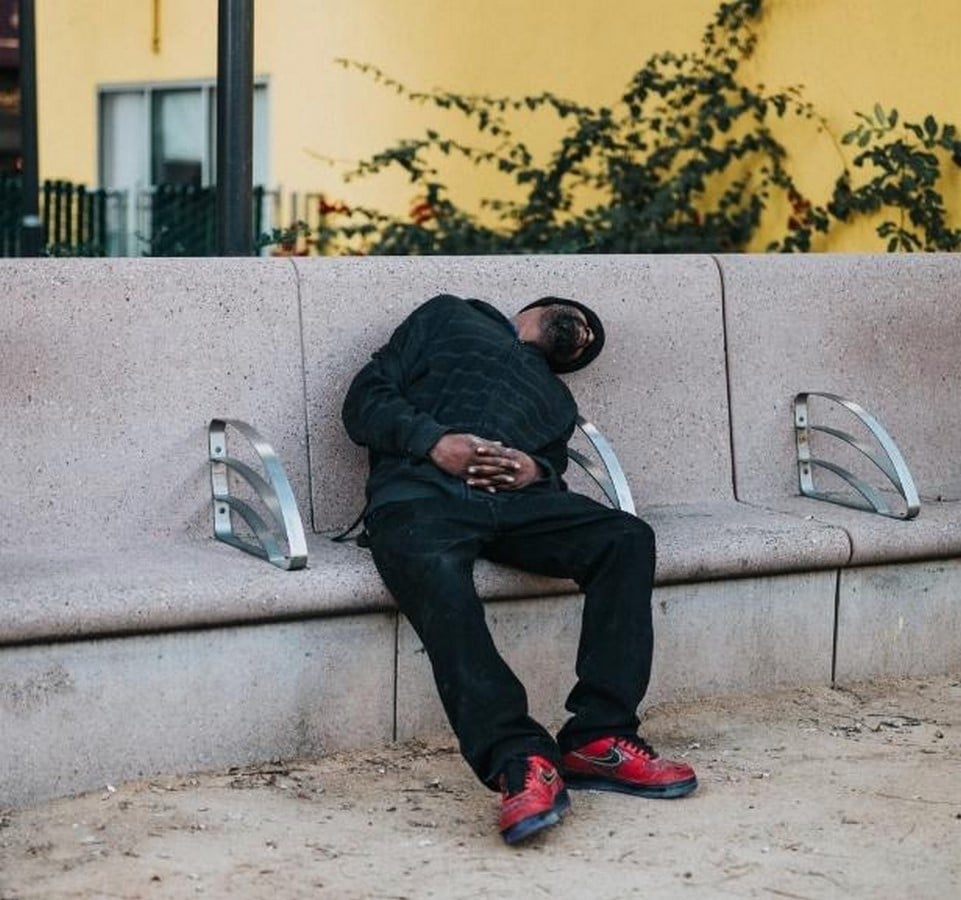
Consider the blatant intend of hostile architecture making it impossible for unhoused people to rest anywhere. What does this say about the authorities and designers who allow this form of design to exist. The existence of hostile architecture signals to a sect of people who are considered undesirable and therefore unwelcome. and essentially not allowed to participate in the public. Who then , is the public?
The politics of public space does not just exist in the noise of dissent but also in the quiet of the daily life. Increased surveillance and policing are prescribed by the authorities as measures to promote public safety (protection from “the undesired”) , yet environments itself plays the major role in shaping perceptions of safety. Studies have shown how well-maintained green spaces would be a better antidote for crime and for public safety concerns. The COVID-19 pandemic directs the attention to relationship between public spaces and individual wellbeing (Roe & McCay, 2021). Large open and accessible green spaces can reduce stress and foster social connections as opposed to mandated surveillance systems.
The Politics of The Body
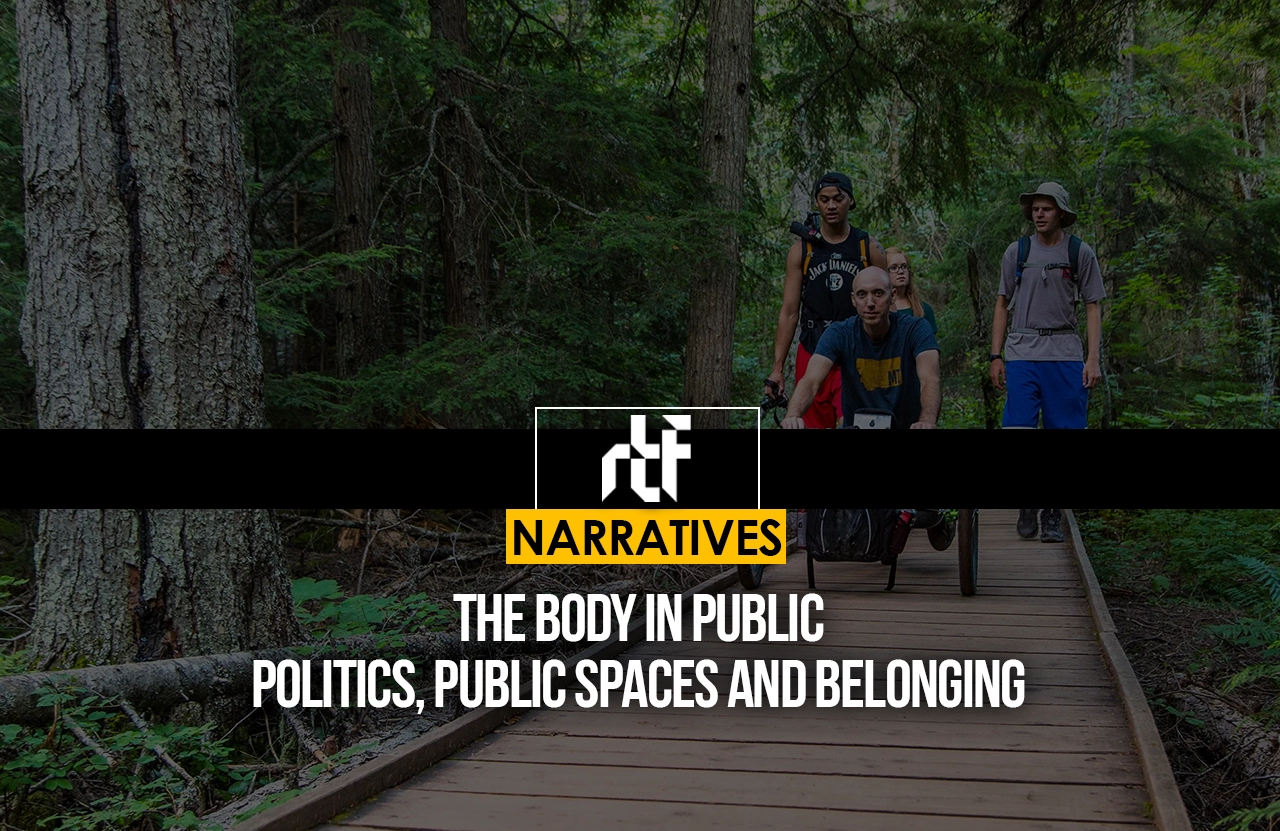
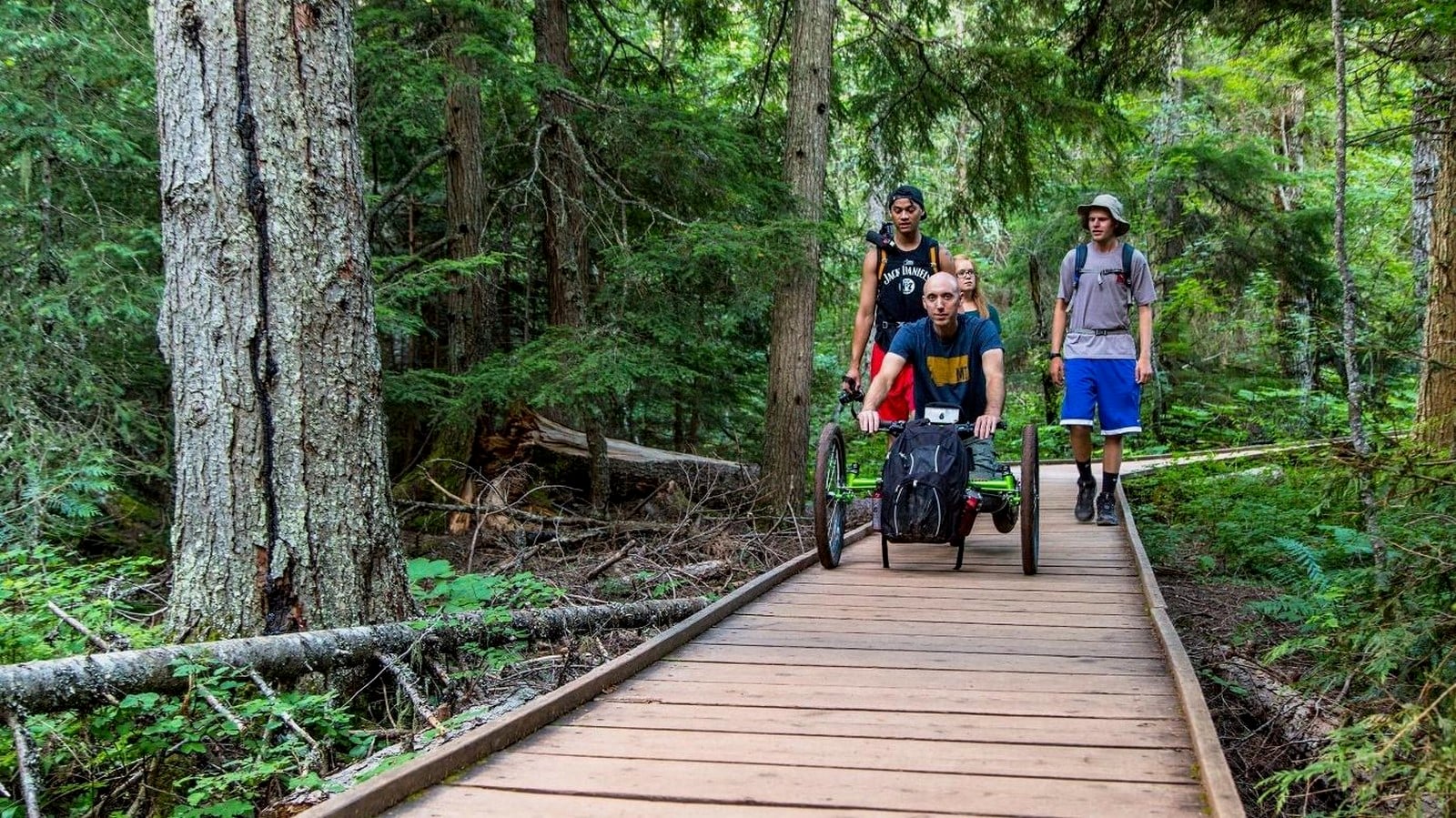
The publicness of a space raises a fundamental question; whom the authority considers to be the public? The answer to this question lies in plain sight. One’s public environment consisting of the streets, parks plazas and other public spaces are designed around assumptions about how a body navigates a space. The body in question, imagined by the authorities , assumes its capacity to function at its optimum at all times while often refusing to acknowledge the realities of age, gender, disability , illness neurodivergence or the fluctuating physical and mental states through which bodies actually experience the urban space.
This ableist design is not often a product of deliberate exclusion but a crisis that emerges through the unquestioned reproduction of designs assumed around an assumed able-body This form of architecture and design can result in public spaces that do not acknowledge or account for the access of people outside the assumed the able-body reducing the publicness of public spaces.
Architecture and design hold the power to more than accommodate or exclude. It can determine who is allowed to navigate, occupy and participate in the public space and in doing so, influence who is recognised as constituents of a public.
The politics of public space is therefore also the politics of the body
References:
Gehl, J. (2011) Life between buildings: using public space. 6th edn. Translated by J. Koch. Washington, DC: Island Press.
UN-Habitat (n.d.) 11.7 Public space. Available at: https://unhabitat.org/11-7-public-space.
Urban Studies Institute (n.d.) Understanding the Causes Behind the Decline of Open Spaces in Urban India. Available at: https://urbanstudies.institute/urban-planning-development-challenges/decline-open-spaces-urban-india-causes
Global Centre on Healthcare and Urbanisation (2021) Does public space shape a democratic, peaceful and healthy society? Available at: https://www.gchu.org.uk/2021/04/does-public-space-shape-a-democratic-peaceful-and-healthy-society/
LGL (n.d.) Public Spaces are a Part of Democracy: A Call to Local Governments. Available at: https://elgl.org/public-spaces-are-a-part-of-democracy-a-call-to-local-governments/
Low, S.M. and Smith, N. (eds.) 2006. The politics of public space. New York: Routledge
Re-thinking the Future (n.d.) History of Public Open Spaces. Available at: https://www.re-thinkingthefuture.com/architectural-community/a7347-history-of-public-open-spaces/
Khaleej Times (n.d.) Jantar Mantar, India: New Delhi protest site and its significance. Available at: https://www.khaleejtimes.com/world/asia/jantar-mantar-india-new-delhi-protest-site-significance
This Week in Queer History (2024) How The 1987 Piccadilly Circus Kiss-In Changed History. YouTube. Available at: https://www.youtube.com/watch?v=vXmCoh63-aw