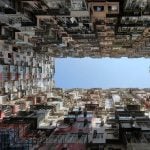
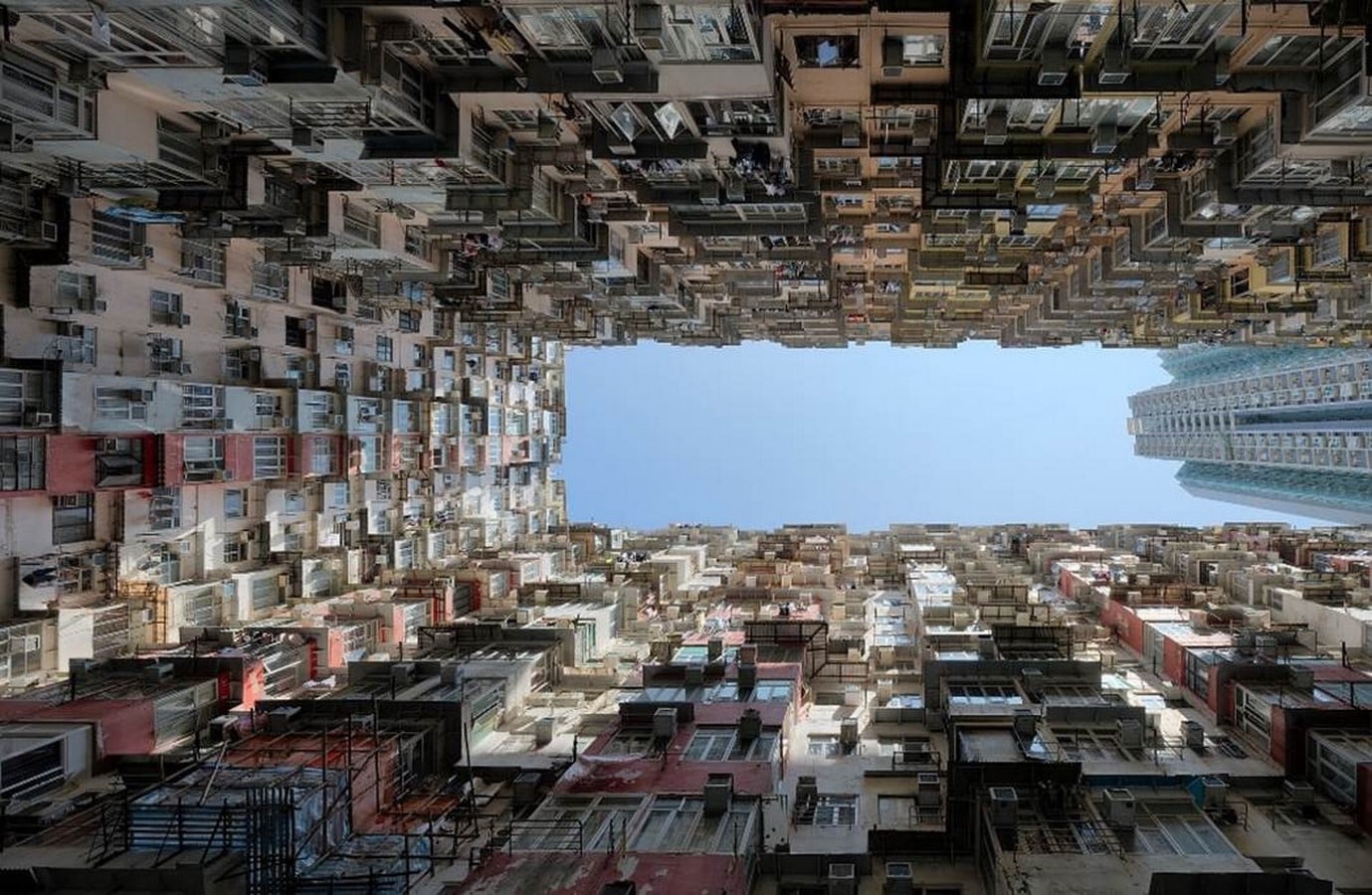
Imagine a city without gaps, every void is filled and buildings are almost touching each other. Doors, balconies, and windows open into nowhere. However, nothing appears to be missing, the architecture itself has disappeared in an endless mass. This apparent contradiction reveals an important principle in architecture and design, absence is not the opposite of creation, but one of its essential components. Voids between buildings don’t contain walls nor ceilings, but can define boundaries and create relationships at the same time, also admitting light, air and making the separated buildings look like one body.
Without Emptiness, Architecture Disappears
In architecture, completeness does not mean filling every space. If every void is filled, there would be no space to live, no streets leading to entrances, no courtyards to let daylight and airflow inside, and not enough distance to admire a beautiful façade. Beauty would be hidden behind blindness. The more buildings, the less architecture. Empty spaces cannot be defined as an unfinished area nor an architecture and design mistake; also, they are not wasted land nor economically unproductive. Voids exist to give meaning to solids, to shape the space for life and human activities. Human beings were never created to exist within a small defined structure, but for a life of openness along with the vast earth.
Void is not what remains after a building is constructed, but it is what gives architecture its meaning, designed and shaped at the first moment of a drawing’s birth, carefully designed to glow up the structure surrounded by it. A wall gains its value because it has an end; similarly, a door exists because the wall is incomplete. Even inside buildings, life and activities happen within voids, not solids themselves. Humans do not live inside the walls or concrete slabs but inside spaces created between them. Solids can create the body of the architecture, but voids give this body its soul.
The Room Without a Roof
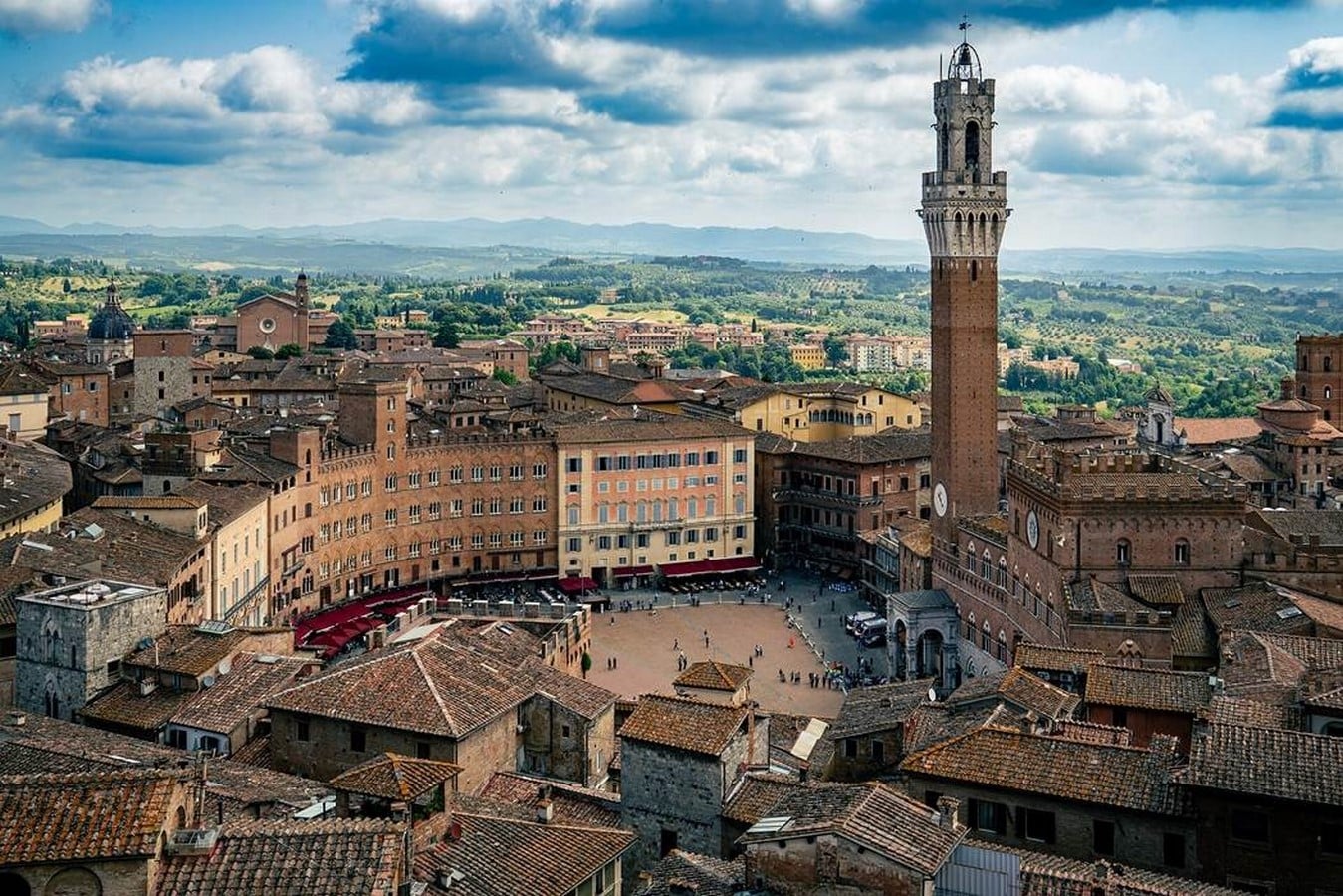
The exterior void can act like a room; however, it does not contain a door or ceiling. Façades of surrounding buildings can be walls; the ground forms the floor of the room; the sky pretends to be the ceiling, and daylight is its lamp. A courtyard could give warm feelings; a narrow street could lead people in a certain direction, while wide empty spaces can give a feeling of greatness. Alexander and his colleagues describe the exterior void as “positive” when its boundaries and shape are specified, instead of being only a large, empty void area without organisation. According this concept, (Alexander, et al., 1977), architecture’s role does not end at building boundaries, but in creating a huge room in the open air.
The physical form is considered only half of an open room, while people create the other half by their practices. Human behaviour like walking, sitting, playing, or conversing can create the space. This is what Gehl focused on (Gehl, 2011), the value of any public space cannot be known or understood by looking at the buildings alone, but by observing what people can do between them. Any space may look complete in its drawings and photographs, and may look beautiful and well designed, yet remain unsuccessful in reality until inviting people to enter and interact with it, to sit, meet, or stay. Architecture and design can define the boundaries of any public space, but people are the ones who can transform it from an empty area into a living one. A space becomes complete when it achieves the life for which it was created. Image 2
A City Dies Long Before Its Buildings Fall
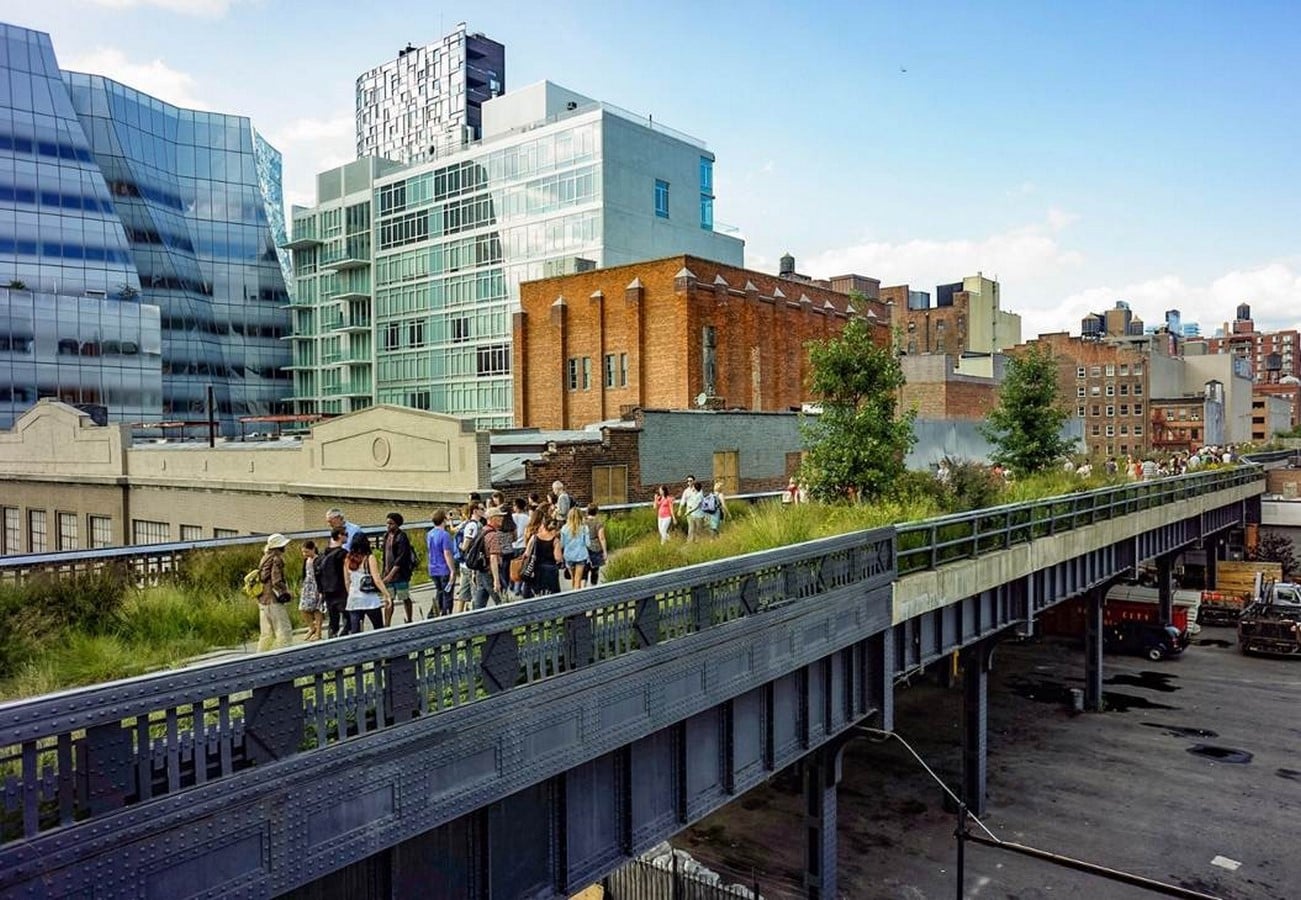
A city which contains buildings, roads and people is not necessarily alive. A real pulse of the city appears in the spaces where people can pause not only passing through, a bench beside a tree, a public garden with flowers, a neighbourhood park gathers families, an open space which can be a part of everyday life, let people rest and feel the nature, without such spaces the city may continue its function like a machine built only for movement and work, died long before buildings fall.
Pausing from the city’s movement is not only for comfort, but it can also support human mental health. Regular contact with green areas gives people the chance to slow down their racing thoughts to clear their mind and temporarily escape traffic and noise. The World Health Organization links urban green spaces with relaxation, stronger social connections, and better mental health, (World Health Organization Regional Office for Europe, 2016). That’s why architecture and design are considered an influence on emotional well-being. Parks and gardens look silent and inactive until they can offer something the surrounding buildings cannot give, which is a space to recover.
The Difference Between a Void and a Leftover
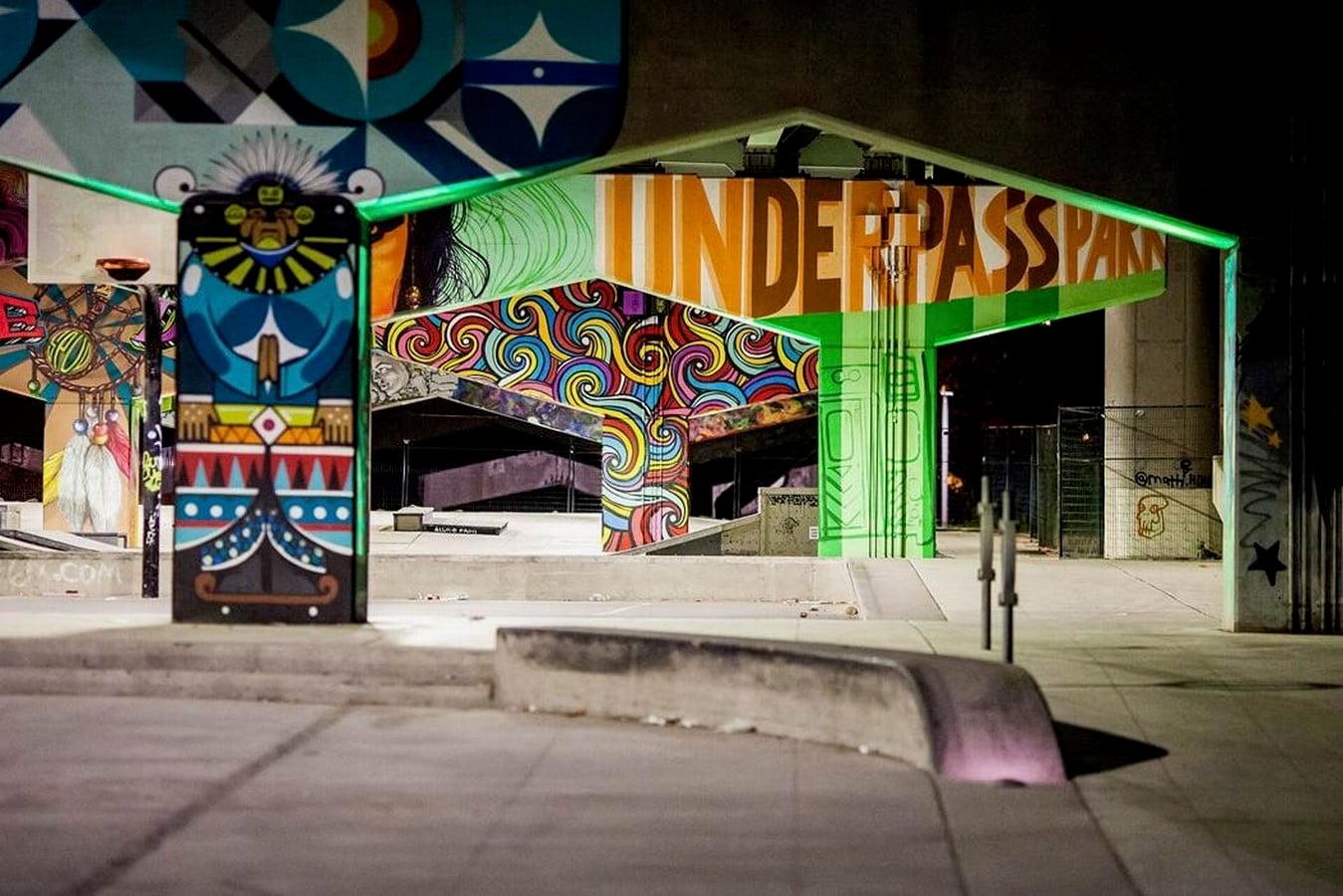
Space does not create the architecture alone, some spaces are designed for a specific target, some others are simply areas that remain after buildings, streets and parking took place, designed space has its defined reason to attract people, while the leftover only represents the (Nothing), that’s why some small spaces give the feeling of spaciousness and comfort while a wide space may make the user feel uncomfortable and lonely. Architecture and design are not for saving land to be built up, but to specify the real benefit from every space.
To read the space that is not built, we need to reshape our usual point of view; buildings cannot remain the basis of architecture that attracts all interests. Voids are not a background for solids; space should be programmed as a standalone architecture that has its own identity. When this point of view is clear, absence would never be a miss; it would shape the frame of visuals, connect the unlinked shapes, and leave a space to make a change. The quality of any city cannot be evaluated by what’s built on it, but also by what it chooses not to occupy. Architecture is not complete when nothing is left empty but when emptiness is given a meaning.
References:
Alexander, C. et al., 1977. A Pattern Language: Towns, Buildings, Construction. https://global.oup.com/academic/product/a-pattern-language-9780195019193 New York: Oxford University Press.
Gehl, J., 2011. Life Between Buildings: Using Public Space. https://www.jstor.org/stable/jj.41003936 Washington, DC: Island Press.
World Health Organization Regional Office for Europe, 2016. Urban Green Spaces and Health, Copenhagen: World Health Organization.
Image1: Lu, D. (2024). Monster Building courtyard upward view, Quarry Bay, Hong Kong. [Photograph]. Available at: https://commons.wikimedia.org/wiki/File:Monster_Building_courtyard_upward_view_Quarry_Bay_Hong_Kong_2024_dllu.jpg [Accessed: 29 August 2026].
Image2: Parlette, A. (2025). Piazza del Campo from above, Siena. [Photograph]. Available at: https://commons.wikimedia.org/wiki/File:Piazza_del_Campo_from_Above.jpg [Accessed: 29 August 2026].
Image3: Dansnguyen (2012). High Line Park with the IAC Building, New York City. [Photograph]. Available at: https://commons.wikimedia.org/wiki/File:High_Line_Park,_Section_1a.jpg [Accessed: 29 August 2026].
Image4: Harris, R. (2015). Underpass Park, Toronto. [Photograph]. Available at: https://commons.wikimedia.org/wiki/File:Underpass_Park_(20605552534).jpg [Accessed: 29 August 2026].