In olden days, people built buildings with local materials and construction techniques. The architectural style depended on local masons and carpenters. Temples were built based on the local beliefs and philosophies of that culture. The buildings had to withstand the local climate. People built buildings with ancestral knowledge. Buildings belonging to same region used to be of the vernacular or regional architectural style. Details on walls and windows were created by the masons and carpenters and women of home. Small technological advancements brought slow changes in the local architecture.
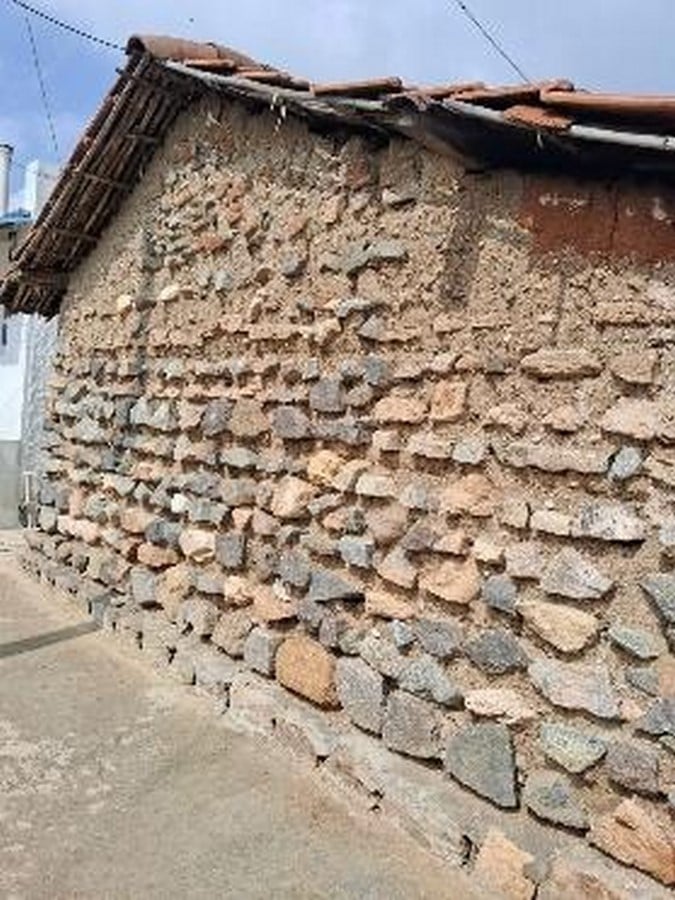
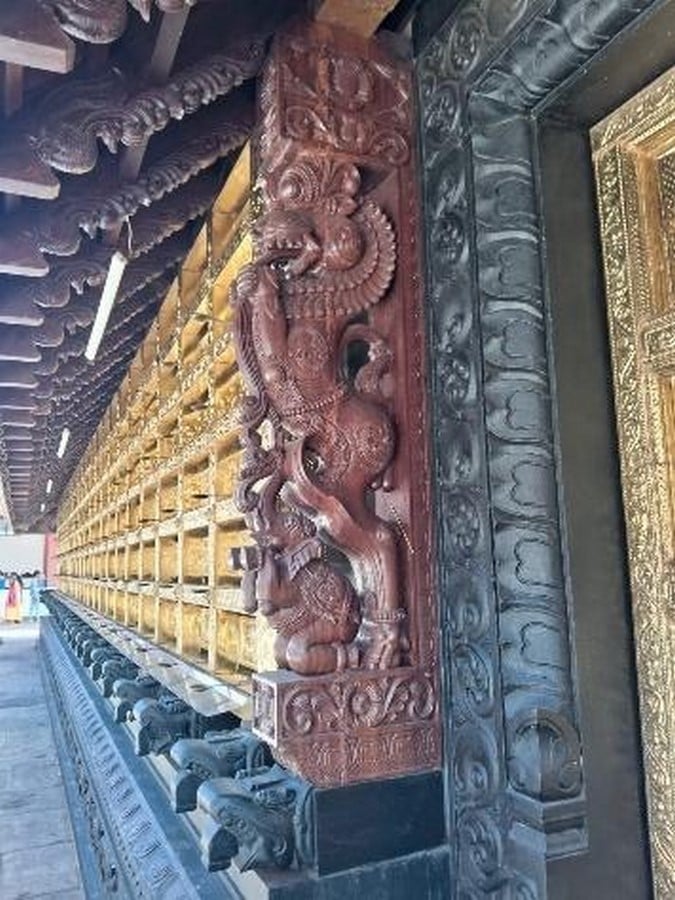
The stone motifs, wooden carvings, and ornaments incorporated in the building would narrate stories of the history and folklore. They depict local gods, natural flora and fauna. Building was an art form. Home in a Chinese Village was different in architectural style from a home in an Indian village. The carpentry techniques, method of building walls, decorating homes were different from region to region. The architectural style would pass on by next generation. Old streets of Jaipur consists of buildings of the same architectural style. Local materials and construction methods were used for the construction. The Jaipur architectural style is unique to the region. People from no other regions can tell the style is from their land. These buildings are the essence of the rich culture of Jaipur. Jaipur people are proud of their buildings. The forts and palaces were built for the hot climate of Jaipur. We can see new concrete buildings popping in between these buildings-that look out of place. Guthu houses in Mangalore were built using laterite stone that is locally available and climate responsive. Every mason and carpenter knows the construction methods of the Guthu houses. They are culturally important, and they have survived for a long period of time. New architectural styles were first taken to foreign lands by rulers and merchants. They constructed new buildings in different architectural styles. They used local materials and labor. Sometimes the buildings built were a mixture of local and foreign architectural styles. During the colonial period, rulers built the buildings in architectural style of their original nation. They brought new building technologies with them and trained local people. They imported expensive materials like steel. Changes in history has shown its effect on architectural style. When a new government was formed, people of the country would build administrative buildings and new townships to show development. Architects from various countries were called for the designing. Borders of designs started to thin. They introduced new philosophy and architectural styles that spread widely to other countries. For example, when Le Corbusier designed the town of Chandigarh, he designed the city on new principles. Architects received formal education, through which new design philosophies and ideas were introduced to them. They learn new construction methods. Design schools and groups of thinkers brought new thought processes and design movements, according to the political background and technological advancements of the time. Technological advancements in material production and construction methods, over time, give rise to new architectural styles. And these styles spread to different locations with industrialization and improvements in transportation. Now buildings are not restricted to local materials and methods and local architectural styles. Architects were traveling to learn new architectural styles and construction methods. They had openness for new ideas and philosophies. They started to express their ideas through designs. Print, television and other medias help explore and spread new design ideas across the globe. People started to see buildings from mere structure to something more — art, technical advancement, service, infrastructure. Buildings influence history, geography, and economic activities. A building has multiple purposes-to reflect the time, serve a function, express an idea, sell a product, convey meaning and authority, etc. Sometime local architectural style might restrict the purpose of the building and make it challenging in terms of durability and construction time. People contact designers and architects for their special requirements. They admire new aesthetics, modern and unique designs. These factors also result in slow demand in regional and vernacular architectural styles buildings. Vernacular architecture is valuable in terms of sustainability, heritage preservation and climate-responsive architecture for younger generations. Rural areas are less exposed to modern architecture. These are places that are adored by tourists and nature lovers. People love the uniqueness of these buildings. They are beautiful and in harmony with the surrounding natural environment without the effort of an architect. Regional architecture belongs to a particular region and is unique to that region. Sometimes architects cannot copy the style. They have the local culture and history embedded in them. It is a precious gem for that region. Medium-sized towns are places where traditional, vernacular and different styles of architecture can coexist. It creates streets and localities where building typologies are diverse, compared to the monotony of planned suburbs of a few cities.
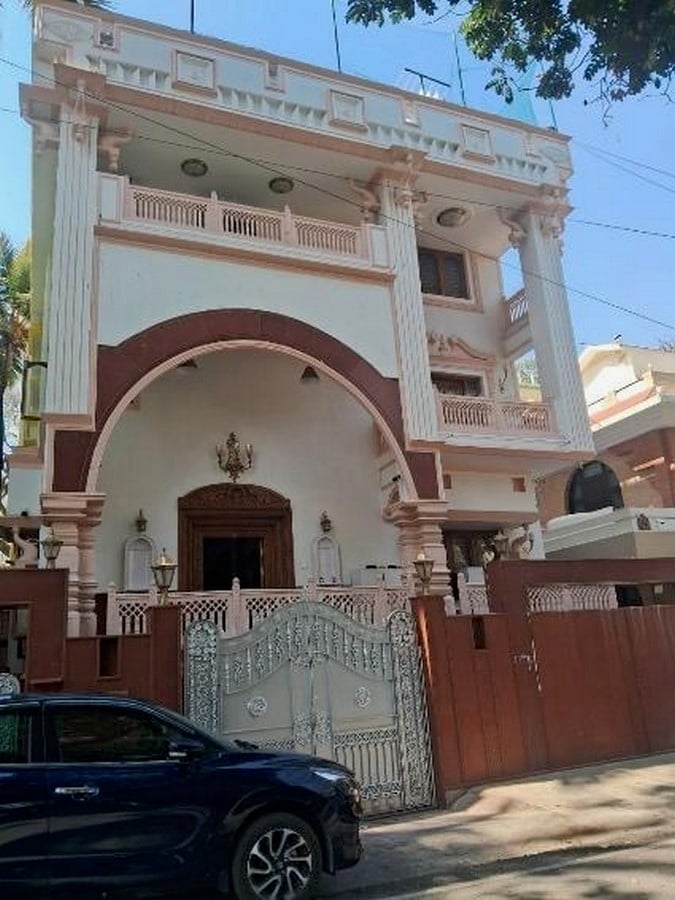
Bigger cities like Bangalore have a variety of buildings. Numerous architectural styles are followed within the same region. All the buildings are different from each other. It is an example of how globalization of architectural styles can change human life and our surroundings. A Chinese restaurant in the city can give a customer new experience in the city. A Rajasthani – style house in Bangalore can give a sense of belonging to the homeowner, also spreading the charm of Rajasthani architecture. A restaurant with French Architectural style can take you out of place without traveling long distances. We can see some examples where a new architectural style might bring problems. A modern skyscraper surrounded by Mangalore tiled homes may not match its surrounding context. A building may not be climate responsive- a building with a glass façade without good ventilation in a hot, humid city. The transportation materials like Italian tiles increases environmental pollution. Non-local materials increase the carbon footprint of a building. Buildings contribute majorly to climate change. Losing regional architectural styles is equal to losing heritage. If people forget the local architectural style, both history and art is lost. The lessons of local materials, building methods, simple climate responsive designs can be forgotten. People must relearn about vernacular architecture and engage in preserving it.