There’s a strange familiarity about walking around a gallery nowadays. The fact that there’s a controlled atmosphere, with the blank walls determining what art should be shown, seems like a contradiction. Exhibitions were originally thought to be a means of expressing something akin to the more spontaneous aspects of human nature and could therefore have a resonant effect. Still, now they are organised in such a way that they dictate how art is made, viewed or enjoyed. The way these arrangements are presented limits the possibility of moving through the art or of understanding it.
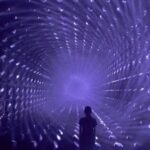
People as well as structures have already started using optical illusions. There is a search going on for the perfect angle from which to take a photograph. These structures have now become a kind of stage for social interaction, the focus having been on the art itself. It is not incorrect to take part in this, since it gives them a sense of institutional importance, but the experience is based on social interaction and on the pleasure derived from being photographed in these unusual settings. Cultural spaces have always been places where one can escape from the routine, share time with others, and enjoy the spectacle. An interactively designed installation can be particularly memorable because it requires the visitor’s body to be part of the work. However, the issue still remains: what kind of experience is one receiving when the museum itself becomes a format for entertainment, and the photograph becomes the most clear record of what takes place inside?
The Architecture of Formats
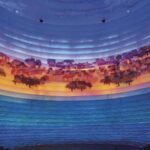
Architecture is by no means neutral; it is always expressed in terms of opinion. Although the white cube gallery originally aimed to provide focus, it has now become a rigid format, reducing art to things that can be consumed. Nowadays, new kinds of format are appearing: immersive projections, thematically organised museums, and participatory installations. In each case, architecture is used not only as a container but also as a kind of script; the walls, the paths for circulation, the lighting arrangements, and the mirrored surfaces all organise the visitor’s body and way of perceiving things. What used to be an act of discovery has become a performance.
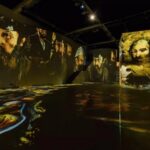
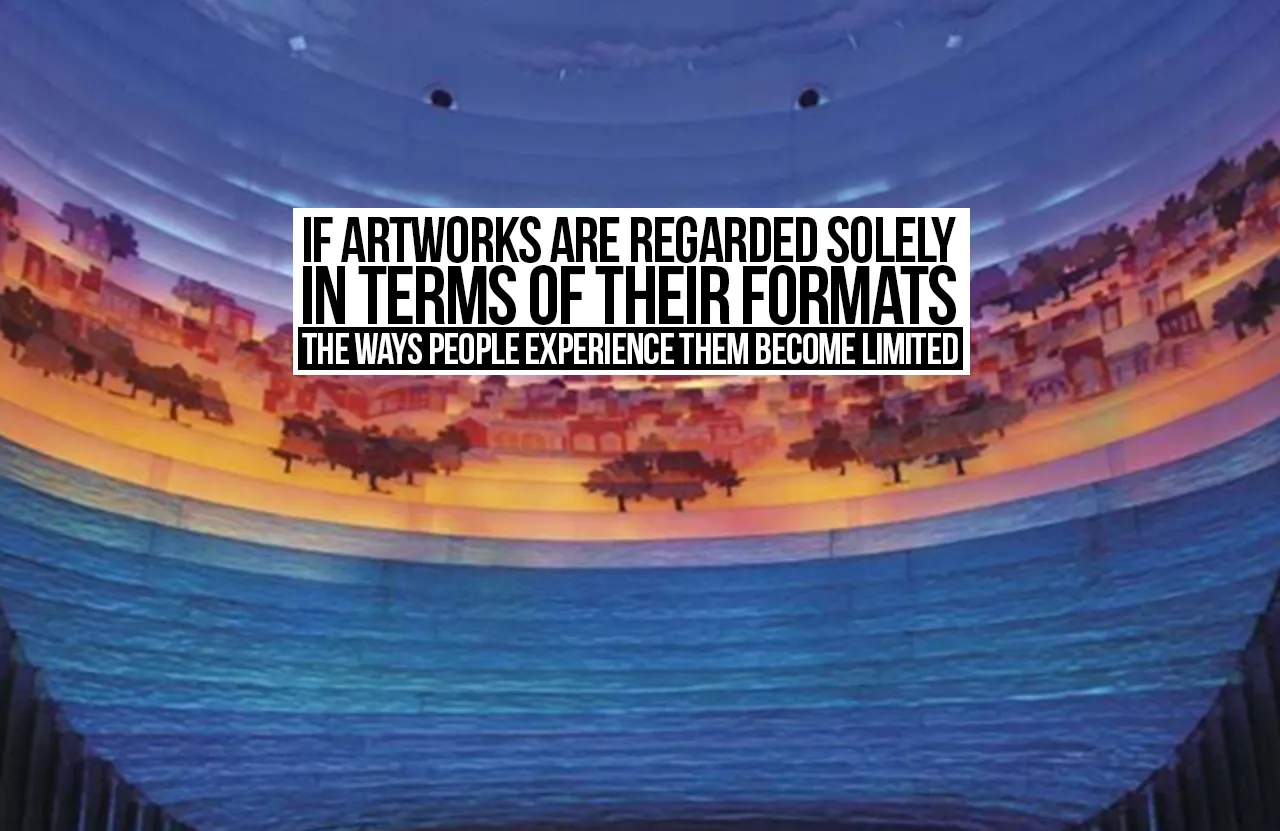
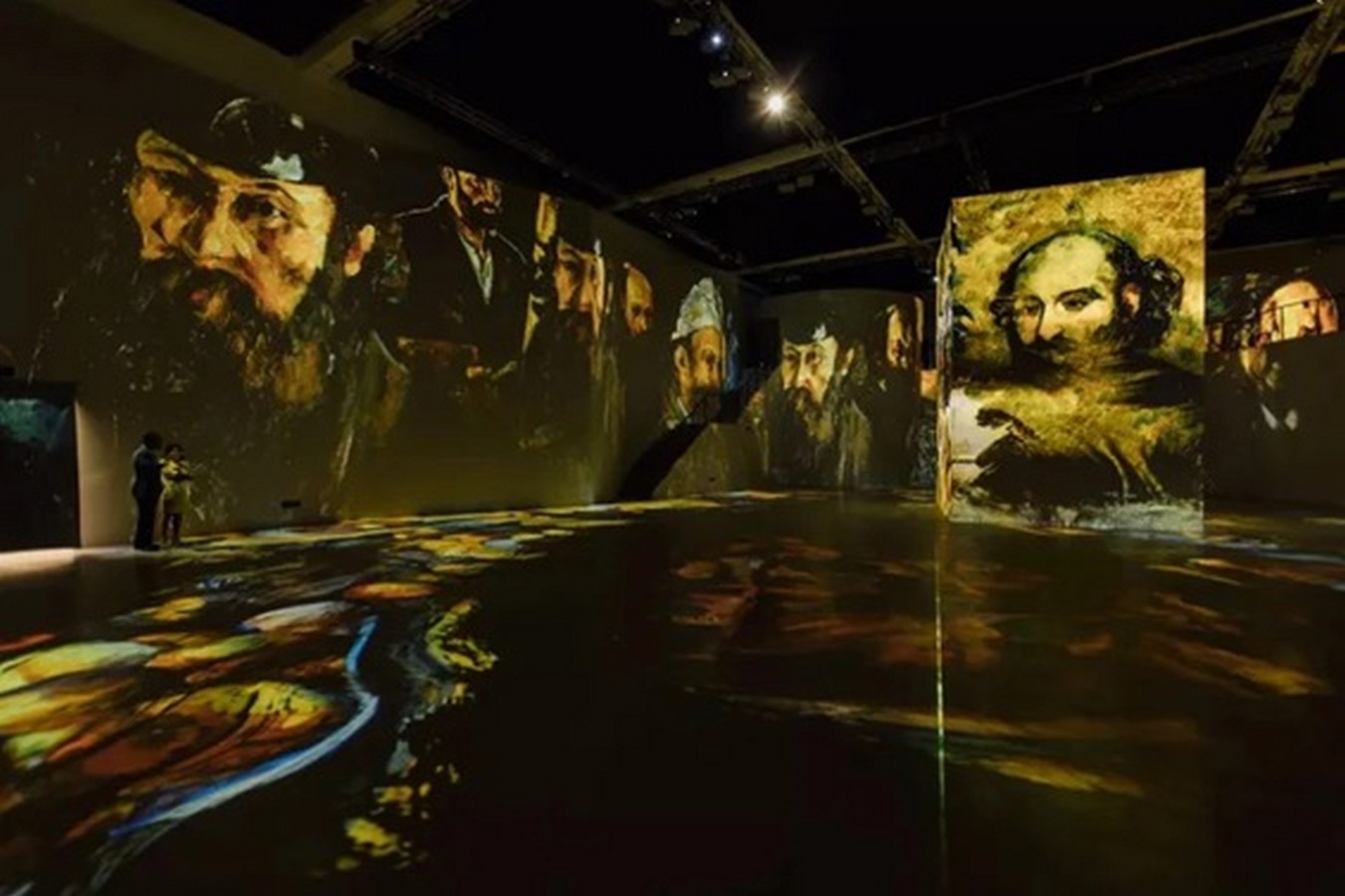
Large-scale projections achieve a sense of immersion in real space when they combine the right degree of scale, perspective, and alignment with the environment, thereby making the audience feel as if they are actually there rather than just watching a screen; the image no longer appears as a rectangle on a surface, and it is the coverage and framing that decide whether the perspective clues match the actual position of the people.
Previously, works that were already known from the popular artists’ books and on screens were enlarged so that they became architectural in scale and surrounded the visitors with moving images. It was clear that the attraction of this idea was that cities without museums could offer experiences based on well-known artists, and people who never go to major museums could still come across a version of those artists’ works locally. The format is easy to copy and has therefore appeared in city after city. It also reflects the way most people currently consume art—through screens. Immersive exhibitions merely take this method of viewing and extend it: the painting becomes a screen, the screen becomes the room, and the visitor then steps into imagery which they have already come to know.
The change can be interesting in that a projected painting takes on the character of an environment rather than remaining a remote object and thus gives rise to emotional reactions which a static display might not. It can even act as a way for newcomers to get into the artist’s world. However, there is a drawback: the brushwork, textures, and dimensions that the artist selected disappear when the painting is projected. In place of the stillness of the painting—its appeal for people to stay and to decide for themselves where and for how long to look—there is a carefully arranged atmosphere of movement and sound. The danger is that the visitors will regard the immersive experience as if it were the original work.
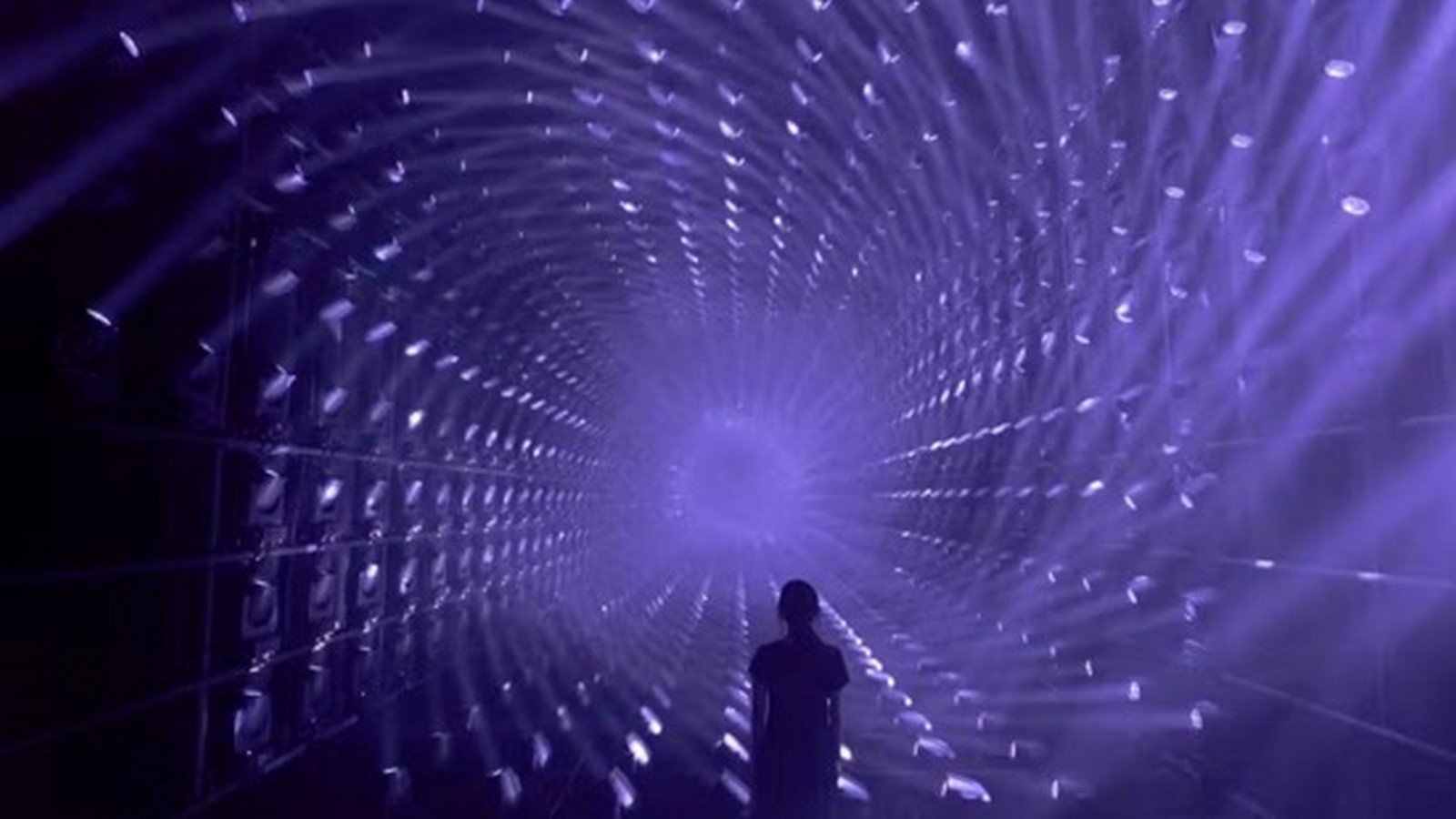
Such formats do well in an online environment. A picture of a visitor standing beneath a large Starry Night projection conveys a sense of recognition, scale, and grandeur all at once. The image functions as both a souvenir and an advertisement, thus influencing the way the exhibition is spread around. Rooms are generally designed with this kind of consideration in mind—arranged around viewing positions and installations created with the camera in mind. While the visitor goes through the space, they are at the same time producing its most widely shared version.
It is not true that all exhibitions limit the experience; some counter the traditional format by incorporating art into flexible architectural structures—such as factories being converted into museums, ruins being put to use in a cultural context, and open-air stages that blur the line between art and everyday life. Others, for instance the Crow Museum of Asian Art in Texas or the Venice Biennale pavilions, extend art into ordinary daily life or use space as a form of argument. These examples show us that architecture has the potential to facilitate encounters rather than determine them.
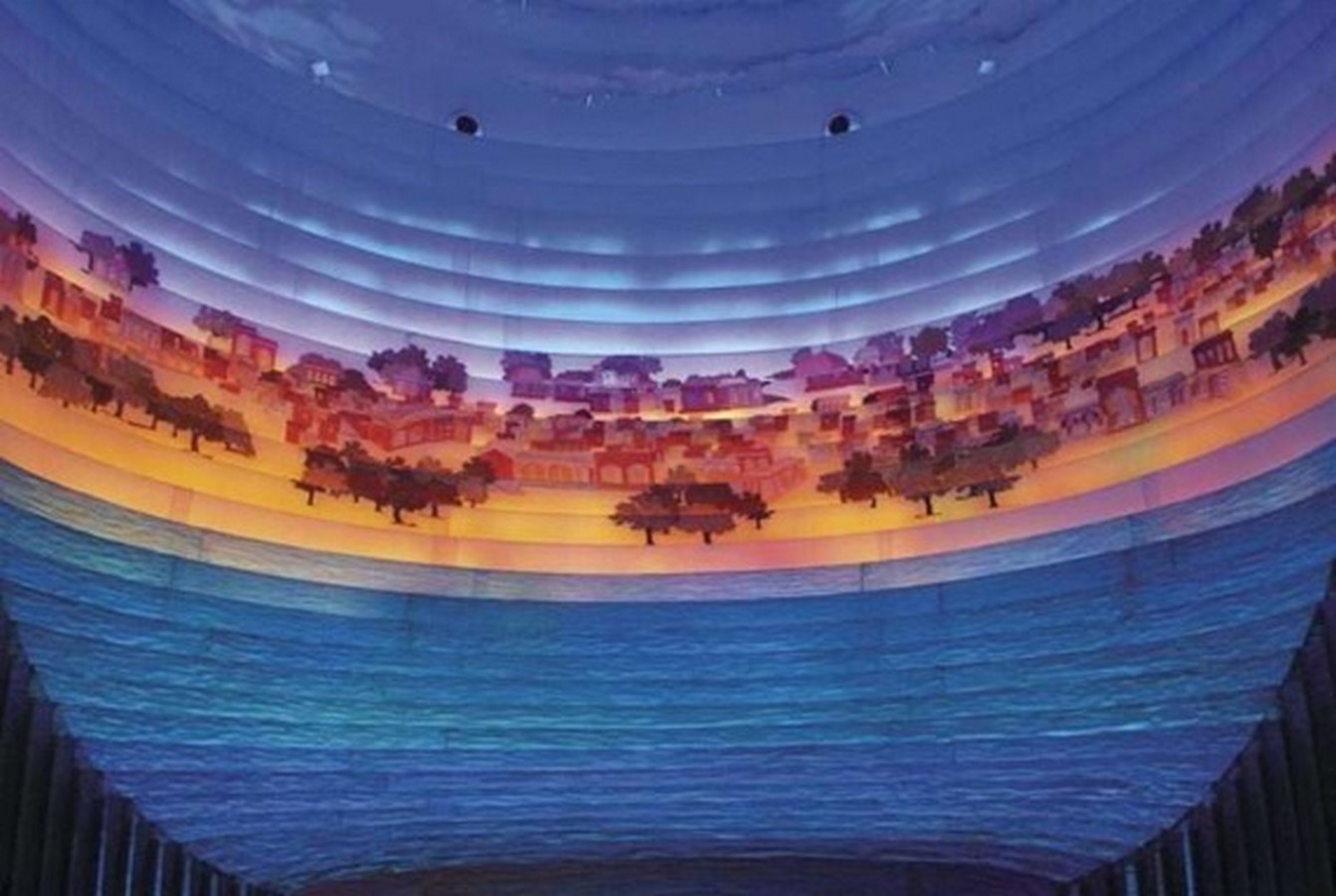
If exhibitions take on the form of established formats, then it is architecture and design that shape the experience—on some occasions reducing it to a routine and on other occasions expanding it into one of participation. The problem is not whether such formats should exist, but rather how we are to tell them apart. We must recognise these differences if we are to ensure that the museum remains something more than just a format and that art remains something more than simply an image.