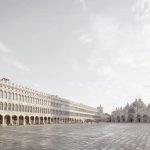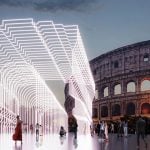
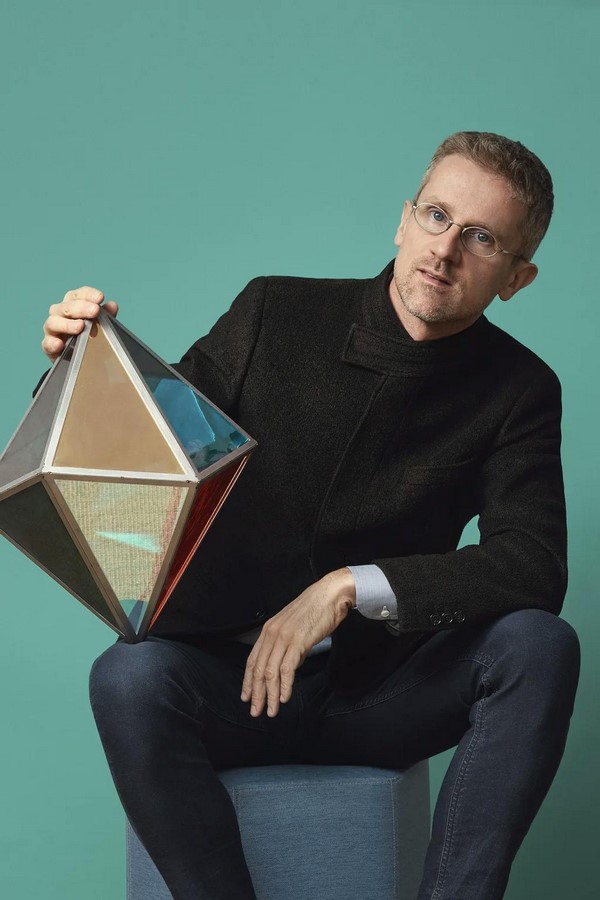
The Venice Architecture Biennale is the most significant global platform for architectural exhibitions. This year, it is the 19th edition of the Venice Architecture Biennale titled “Intelligens. Natural. Artificial. Collective.” The exhibition was curated by Carlo Ratti, and the concept combines intelligence with the people, which symbolises a broader and inclusive notion of intelligence. There were over 750 participants exploring the adaptation of architecture with three kinds of intelligence: Natural, Artificial and collective adaptations. The exhibition focuses on adaptation to climate change, artificial forms of intelligence and shifting populations. This Biennale marks a departure from traditional architecture in form and aesthetics and focuses on experimentation and ecological responsibility.
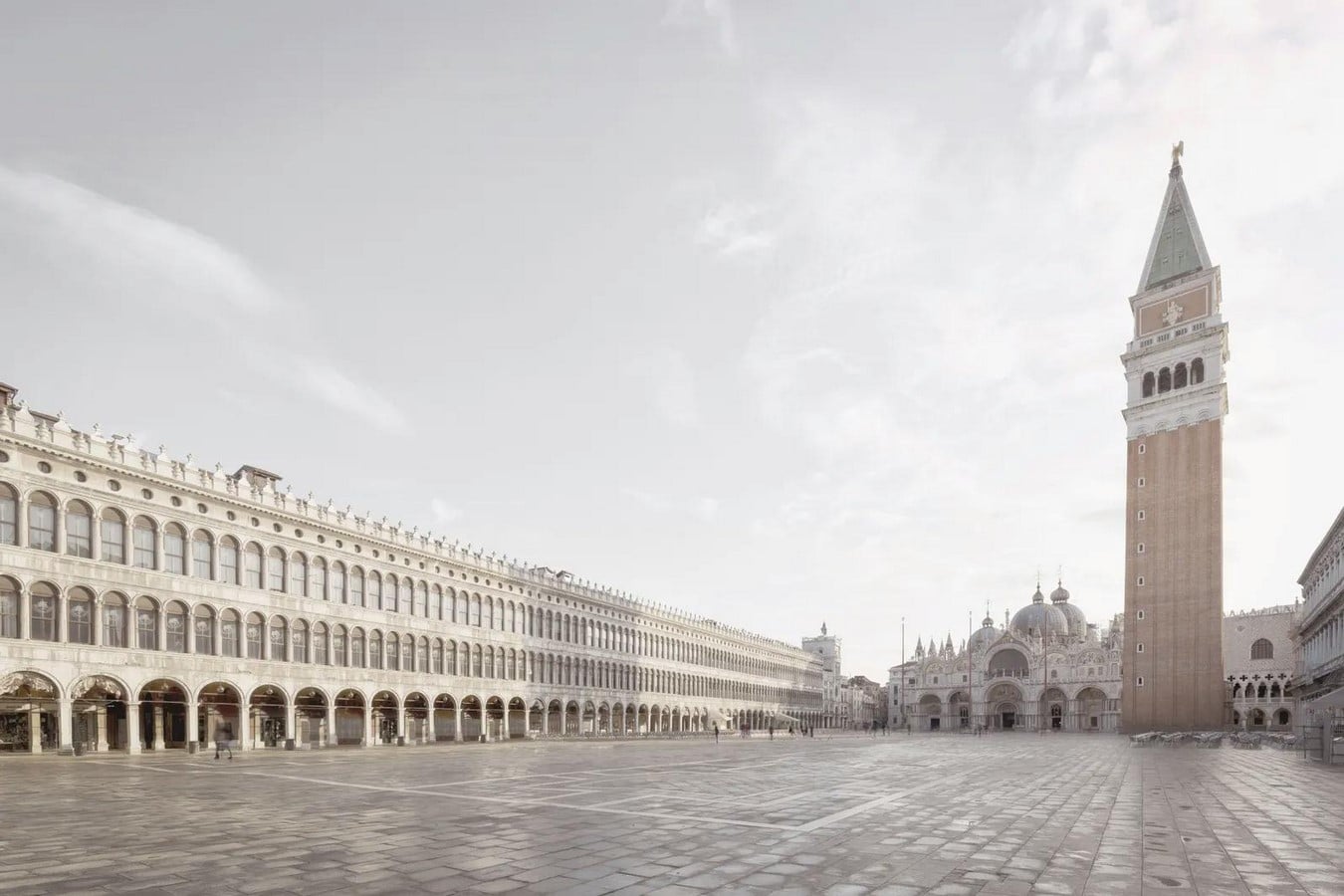
The Biennale was celebrated for its architectural marvel, including the pavilions and installations, which highlighted the design language, materials and national identity. The theme helps emphasise resilience, circularity and the capacity of design to change according to its environment. The Biennale has been structured around three main pillars: national pavilions, collateral events and the international exhibition. There are 65 national pavilions, which are curated independently for the participating countries. At the same time, the collateral events are approved by the appointed curator with 11 major events across the Biennale. Ratti also looks at four respective sub-themes: Transdisciplinarity, Living Lab, Space for Ideas, and Circularity Protocol, which were the main pillars of the show.
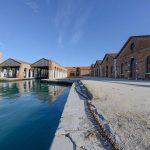
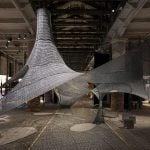
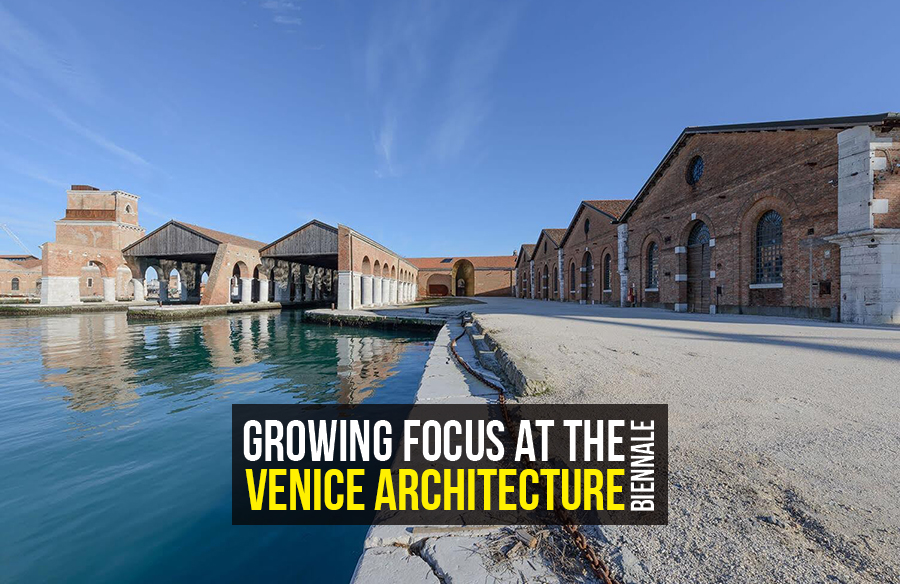
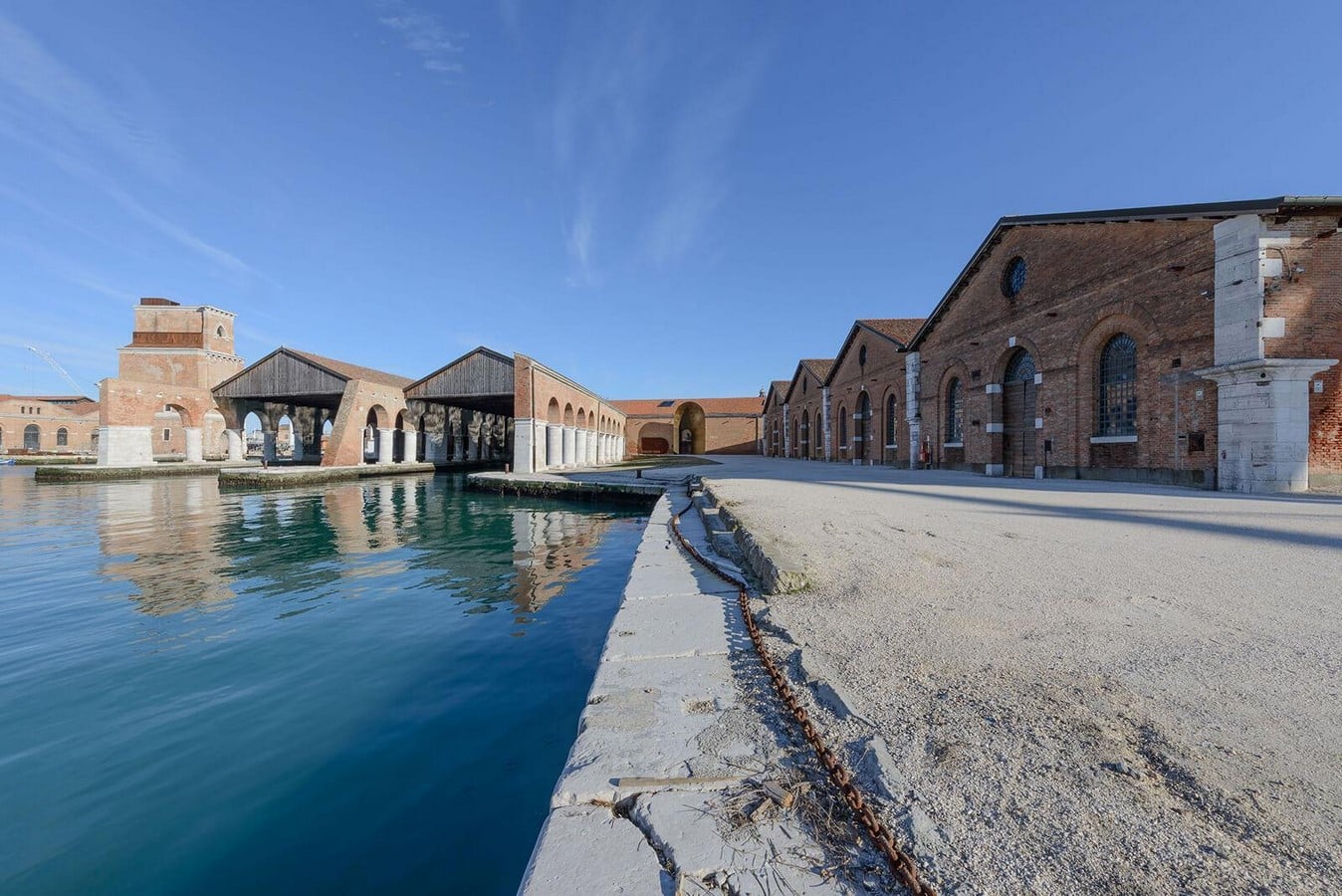
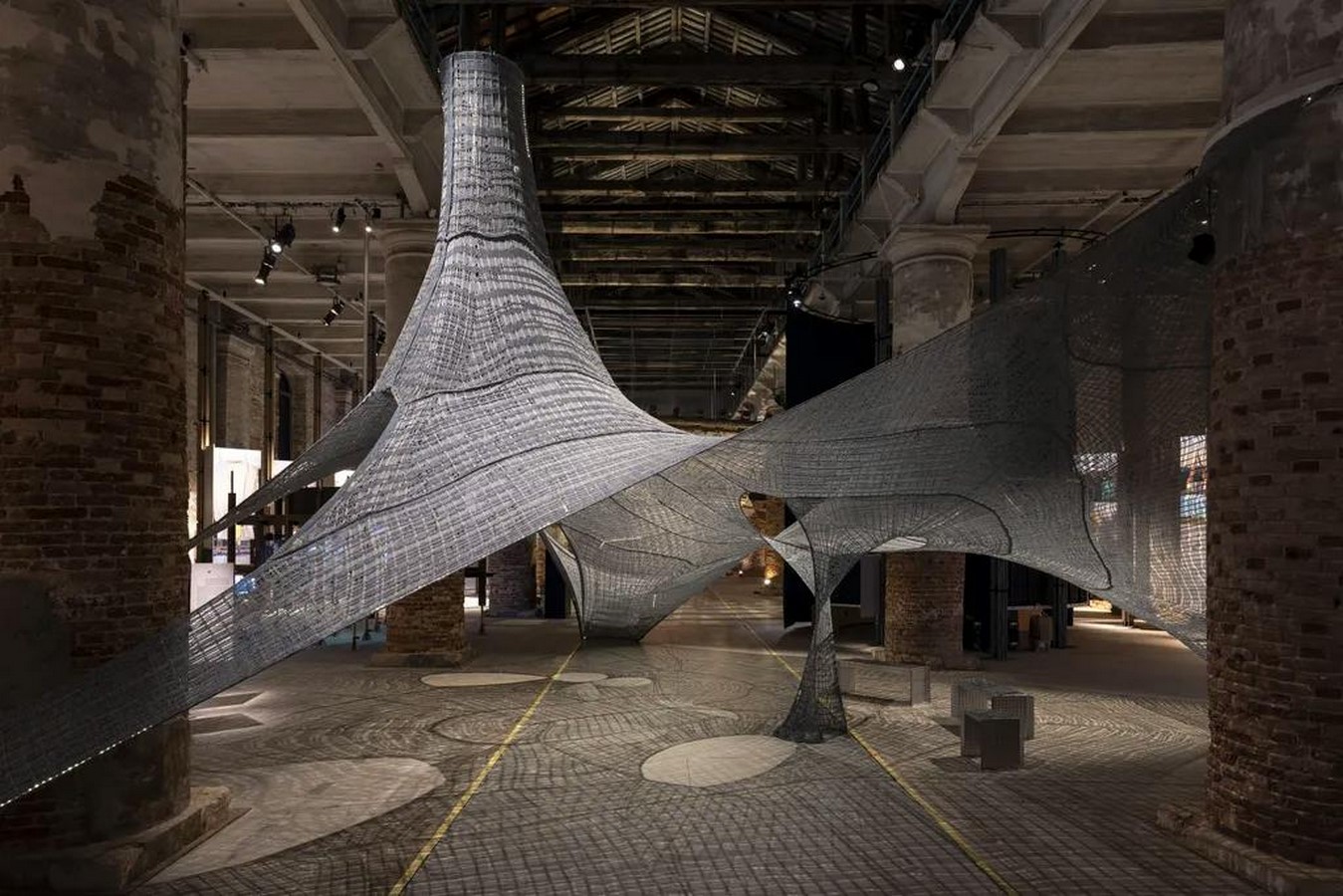
The main venues of the Biennale are the Giardini della Biennale and the Arsenale, which is a production complex. The Arsenal is a combination of a bookstore, a bar, and a restaurant and also hosts 11 exhibition and event areas. The central pavilion of the Biennale, located in the Giardini, has most of the national pavilion buildings, library, bookstores and café. The Giardini, the Arsenale and other venues of the city centre of Venice are all divided into national pavilions. The Biennale Architecture of Venice became a living laboratory with installations, prototypes and experiments across the Giardini. Installations, including the Skywalk by Platform Earth, immerse the visitors in marshes of Venice that turn the Biennale into an experiential space for ecological awareness and adaptation.
The Biennale also focused on material innovation and circular practices, like the National pavilion of Spain, which showed regenerative use of wood, cork and clay with low-carbon concrete that reveals a strong commitment to reducing the environmental footprint for architecture. There were new developments in this year’s exhibition as a new permanent pavilion for Qatar was added in the Giardini, designed by the Lebanese architect Lina Ghotmeh. There were also awards of the Golden Lion for Best National Participation, International Exhibition and Promising Young Participation conducted by the Biennale Jury. The board for the jury was made on the recommendation of Carlo Ratti, including several other architects, historians, sculptors and critics from around the world. The significance of the Golden Lion award dates back to 1949, when it was first awarded at the Venice Art Biennale. Its winged lion figure is the emblem of the city of Venice and its Republic.
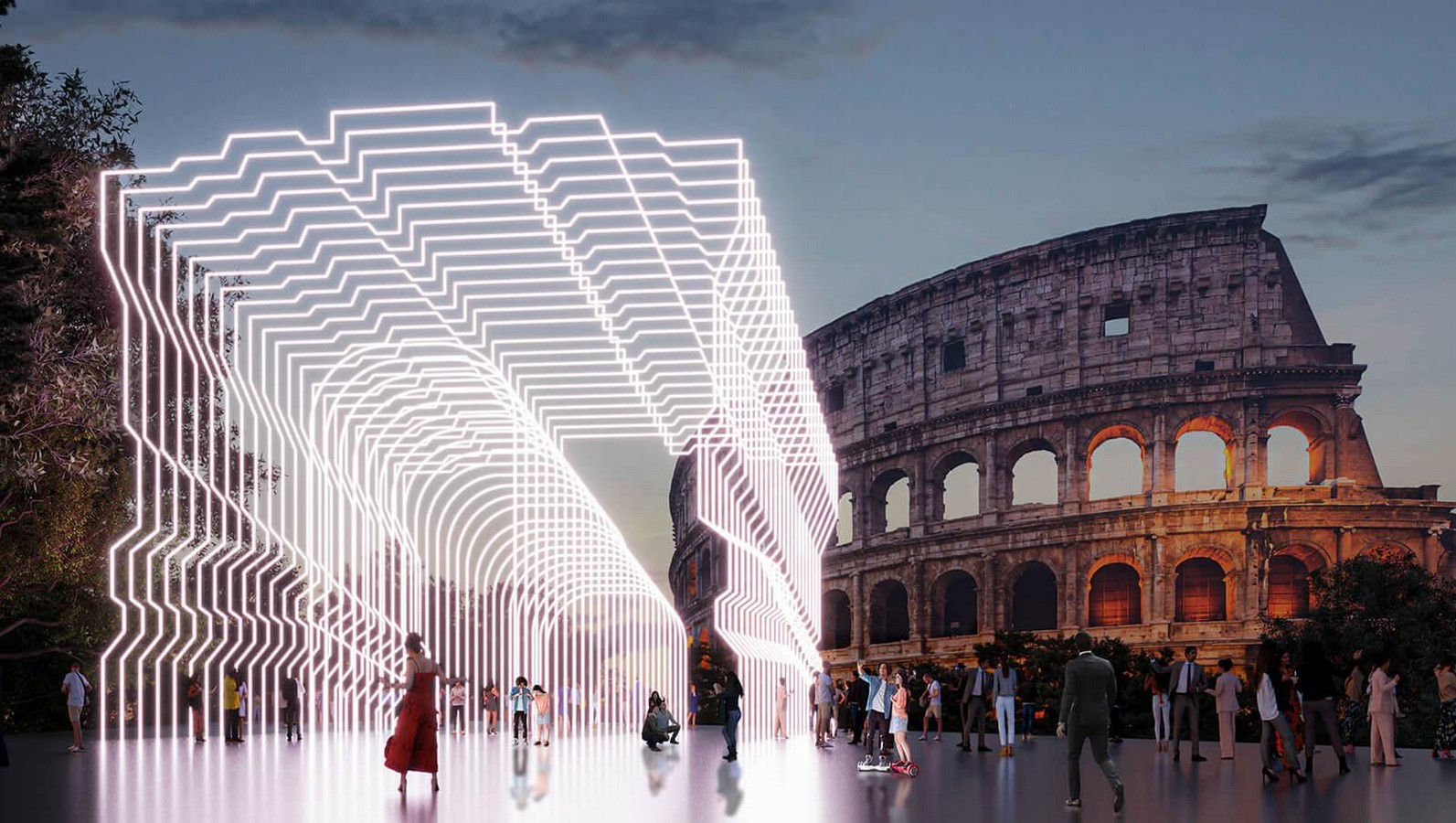
This edition of the year 2025 became an institution with a fixed format that reflected contemporary trends and challenges in its disciplines. Each edition was differently curated and organised by a different set of people, while the countries also remained consistent with their exhibition, renewed every two years. This edition promised to engage a larger section of Venice city by extending the grounds to a broader audience. The Manifesto on circular economy was also created by Ratti, which helped participants to create spaces, installations and exhibitions that served as the example of circular design with minimum ecological impact. This initiative aligned with obtaining carbon neutrality certification under new standards, having environmental impact as its main challenge.
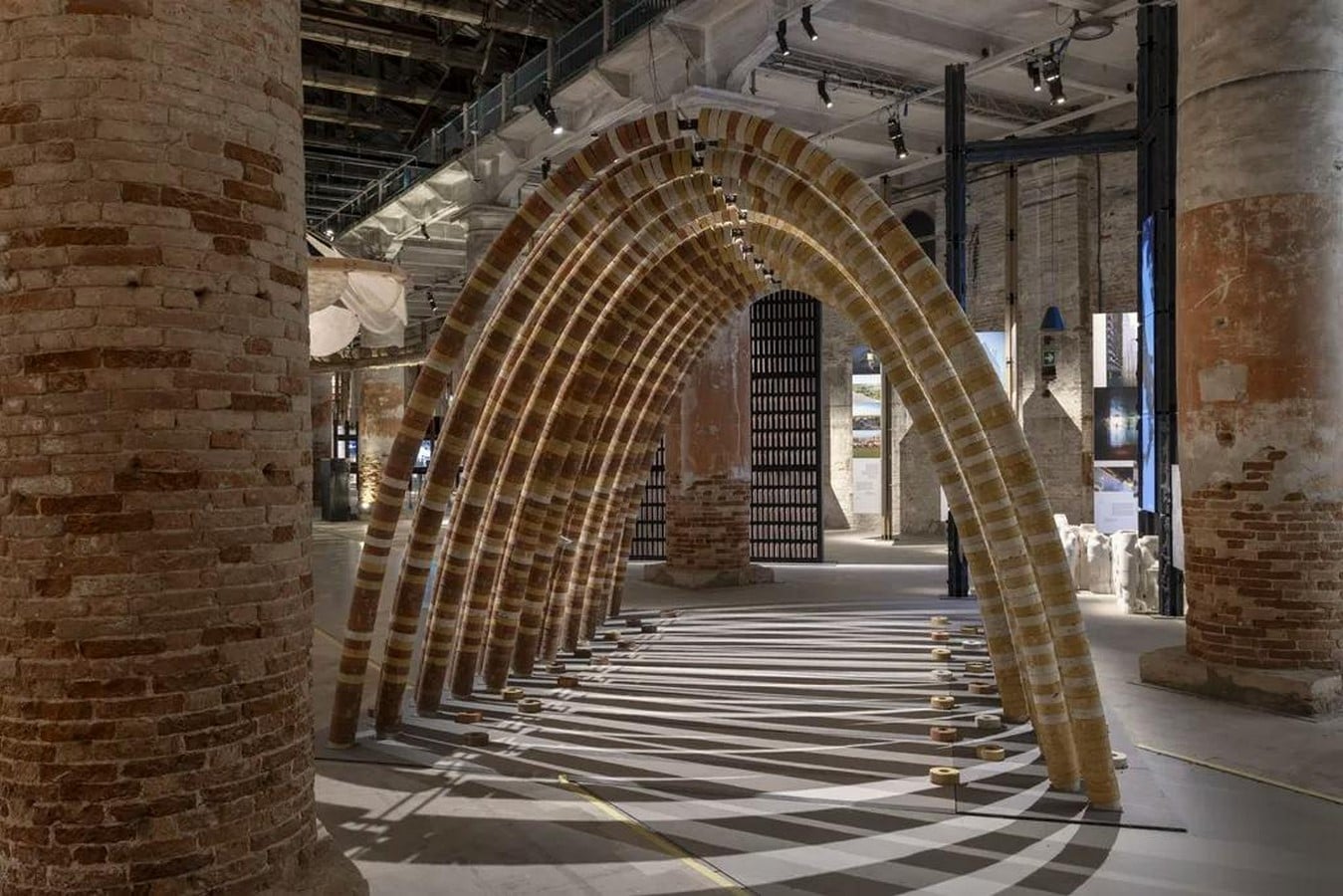
The Venice Architecture Biennale’s main focus was on adaptation, collaboration and sustainability, which revolved around rapidly changing architecture. Resilience and innovation were its main tools for discipline that focused on form, ideas, transformation and dialogues. The use of artificial intelligence, smart buildings and their technologies and digital fabrication helped international collaborations, reflecting the globalised nature of contemporary architectural practice at both local and global perspectives. With the help of all this, the Biennale continues to be an architectural event, recognised as a global forum where design meets the challenges of our time.
Citations:
- Everything You Need to Know about the Venice Architecture Biennale 2025 (2025) Archdaily. Available at: https://www.archdaily.com/997848/everything-you-need-to-know-about-the-venice-architecture-biennale-2023(Accessed: 15 August 2025).
- Venice Architecture Biennale 2025: the ultimate guidefactors (2025) Wallpaper*. Available at: https://www.wallpaper.com/architecture/venice-architecture-biennale-2025(Accessed: 15 August 2025).
- “Intelligens”: Carlo Ratti announces the title of Venice Architecture Biennale 2025 (2019) Stirworld. Available at: https://www.stirworld.com/see-news-intelligens-carlo-ratti-announces-the-title-of-venice-architecture-biennale-2025(Accessed: 15 August 2025).