Architectural activism is a vibrant and emergent field where architects use their skills and platforms to challenge social, political, and environmental issues through the built environment. It bridges design with advocacy, addressing inequalities and promoting sustainability, equity, and community engagement. This essay introduces five seminal books that delve deeply into the theory and practice of architectural activism, providing insights for students, professionals, and enthusiasts eager to understand how architecture can catalyse social change. Each book presents unique perspectives, richly supported by case studies and critical discourse, illustrating the power of architecture beyond mere aesthetics or functionality.
-
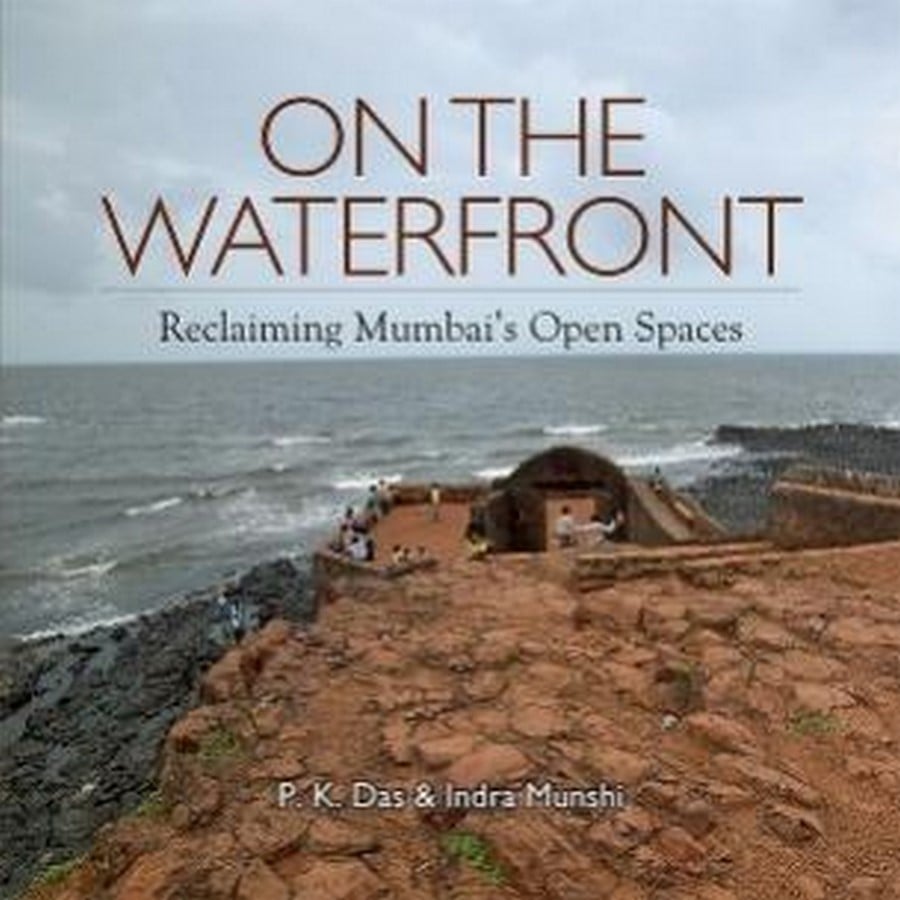
On the Waterfront
Author: Ar. P.K. Das
The book presents a narrative of Mumbai’s waterfront reclamation. The journey of activism led the author Ar. P.K. Das to dive into the public spaces and their decline due to political and private ownership. The story of the Mumbai seafront development is a culmination of the challenges and outcomes derived from several surveys and public participation. The challenges not only include the planning and design, but also the popularisation of the promenades and waterfront to make better use of the space. The book clearly demonstrates the design solutions developed and promotes community engagement in every public project.
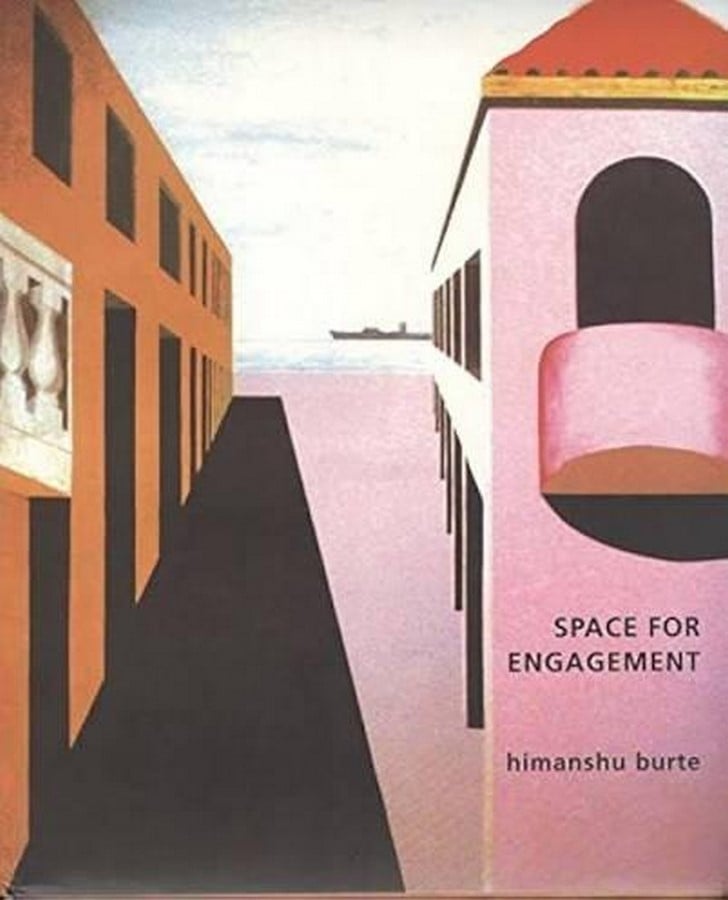
2. Space for Engagement: The Indian Artplace and a Habitational Approach to Architecture
Author: Himanshu Burte
The book is an answer to several questions architects face. Architecture is a field for society. Then how can architecture foster participation between the public and the spaces? Experience is directly associated with Habitability. The author documents the experiences of the inhabitants and critically reviews the gap between the user and the user experience in public spaces. The architect and activist critiques the existing public spaces and identifies the absence of connection with space. The book offers a framework of parameters of placemaking, considering the everyday experiences of the users.
2. Shigeru Ban: Complete Works 1985-2015
Author: Philip Jodidio, Shigeru Ban (Contributor)
The book is a visual treat for the reader. The monograph encompasses all the famous projects of Ar. Shigeru Ban, explaining the philosophy of the architect. The Pritzker Prize is a testament to a humanitarian approach in all his works. The problem-solving approach with economic activism in terms of material manifests his acute sensibility and attention to detail. The book is a compilation of large-scale photographs of his projects, ranging from exhibition centres in shipping containers to cathedrals of cardboard.

3. Biome Diaries
Author: Chitra Vishwanath and S. Vishwanath
Biome Diaries places itself at the crossroads of architectural discussions. Their work fosters social activism, engaging those who work to protect the environmental diversity. Unlike other publications that share stories of people or communities. This book offers insights from the built environment to pause and reflect. Through this book, Chitra and S. Vishwanath unfold the journey of Biome through archiving various projects of Bangalore. The wide spectrum of essays engages the reader with personal quests, professional benchmarks and socio-political responsibilities of an architectural practice, striving for ecological consciousness.

4. The Ponds Are Still Relevant
Originally written in Hindi ‘Aaj bhi Khare Hain Taalab’
Author: Anupam Mishra
The novel is a non-architectural piece but is relevant to the sociology and ecology of architecture. The book revolves around the traditional practices of rainwater harvesting, which were designed and executed by the users, through their experiences. This act by the people showcases a subtle activism against policymakers. This book features the most innovative and still relevant techniques of harvesting and reusing stormwater. The book documents the daily lives of the people of Rajasthan and how their lives shape the techniques of designing stormwater management systems.

Although design dominates architecture, architecture is not limited to the design process alone. The societal impact on architecture shapes how our spaces look or perform. The books mentioned provide crucial insights into how architectural activism addresses complex social, environmental, and cultural issues within a region. The monographs reveal the nuances of the role of an architect as an advocate, collaborator, and catalyst for urban transformation. These works collectively reinforce the idea that architecture, when coupled with activism, is a powerful tool for fostering more just, sustainable, and inclusive urban futures.