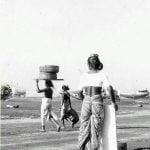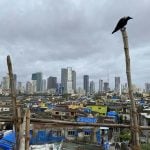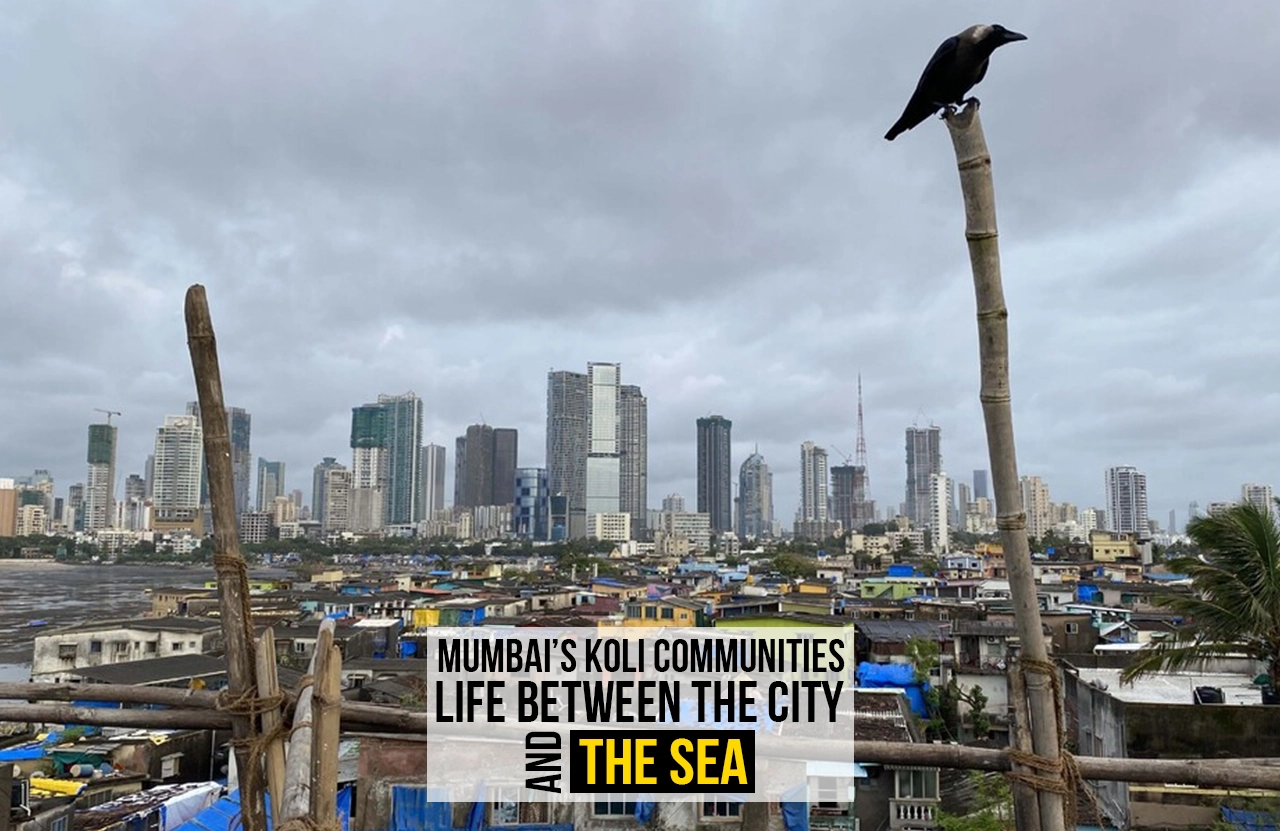
The skyline of the city, the roads, the marketplaces, and the speedy development of the city have all been used to describe Mumbai. But there were times when the coast of Mumbai was not a metropolitan area but rather a home to the Koli community. The Koli community is a native fishing community that has been living around the region for many centuries and has contributed to shaping Mumbai’s relationship with the sea. Their settlements are known as Koliwadas, meaning “a home that opens to the sea.”Koli – a term of indefinite meaning used for several tribes which are of low standing and have nothing in common except for being of lower rank than the Kunbi or the cultivating class. The term Koli was almost certainly the root of the term ‘coolie’ which was promiscuously used by the Europeans in India for manual labourers.
History
Traditionally, the Kolis have been known for fishing and are located along the coastal areas of Maharashtra and the North Konkan belt. The word “Koli” in Marathi is derived from “Kolah,” which means fishermen. Mumbai originally comprised seven islands, which are Colaba, Little Colaba, Bombay, Mazgaon, Parel, Worli, and Mahim, each of which was populated by the Kolis before the development of Mumbai.
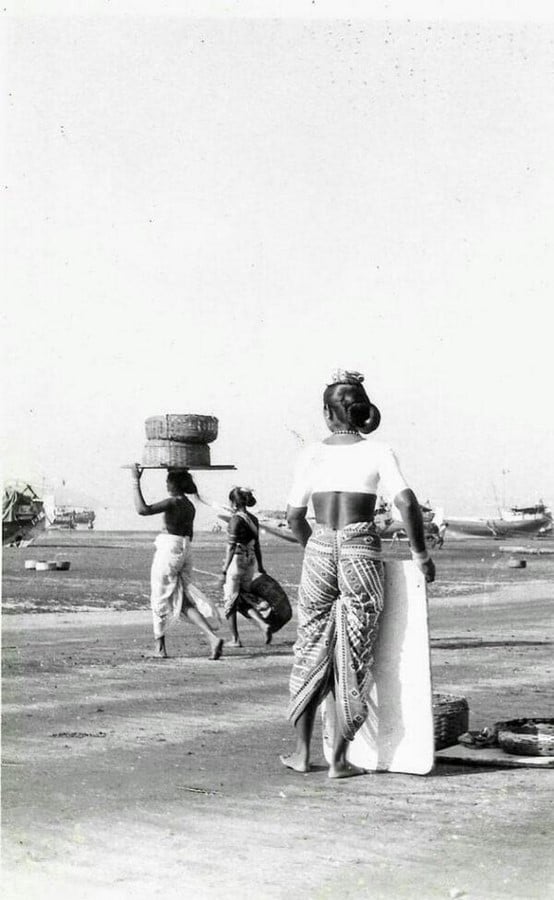
The process of transformation of Mumbai was started via colonial intervention, land reclamation, and gradual linking of the seven islands together. As the East India Company was developing the city of Bombay, its coastline underwent some changes that facilitated the development of roads, housing, ports, and economic activities. Thus, step-by-step, the Kolis were marginalized by this process and forced into the periphery of the urban environment that was created. To the Kolis, the sea is not just a landscape or a means of livelihood. The sea constitutes their workplace, food source, culture, and knowledge system. All aspects of fishing, building boats, observing weather conditions, and understanding the tides and seasonality have been handed down from generation to generation. The Kolis’ identity is therefore intimately linked to the coast.
koliwadas
Koliwada is a term that encompasses all traditional fishing villages or colonies of the indigenous Kolis in Mumbai, and among the more notable ones are Sion Koliwada and Worli Koliwada. Worli is an ancient fishing village in South Mumbai, known for its long fishing history, winding lanes, and the Golfadevi Temple.
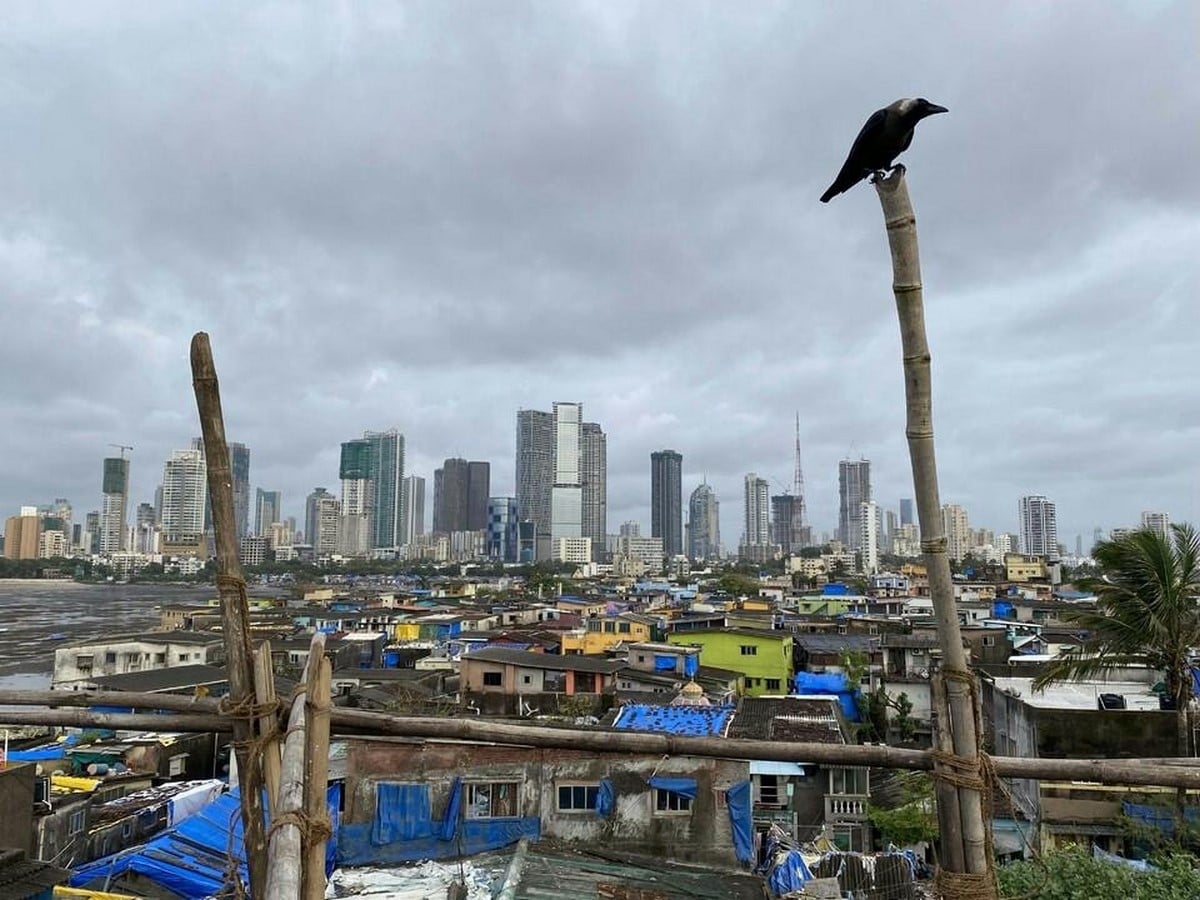
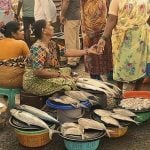
These settlements still engage in traditional fishing and related occupations despite increasing urbanization. Fishing involves catching, sorting, drying, marketing, and processing fish. For instance, in Khar Danda, the Koli women process, dry, sort, and package fish in open areas adjacent to the coastal area where sunlight and sea breeze help in drying the fish. Fish waste is used to make fish meal, fish oil, and organic manure.
Cultural and Occupational Life
The culture of the Koli people is deeply rooted in the ocean and its seasons. Various festivals and ceremonies pay tribute to the ocean and recognize the dangers involved in fishing activities. Narali Purnima, which is held on the full moon day of Shravan, marks the beginning of the new fishing season after ending the monsoon ban on fishing. The coconut offering ceremony pays homage to the ocean in return for blessings of safety and prosperity.
Festivals are important because of the sense of community unity they generate through feasting, music, dancing, family reunion, and public celebration. Koli dances emulate wave movements and are especially associated with the involvement of fisherwomen. This tradition does not happen outside ordinary life but rather strengthens collective identity and dependence on the ocean.
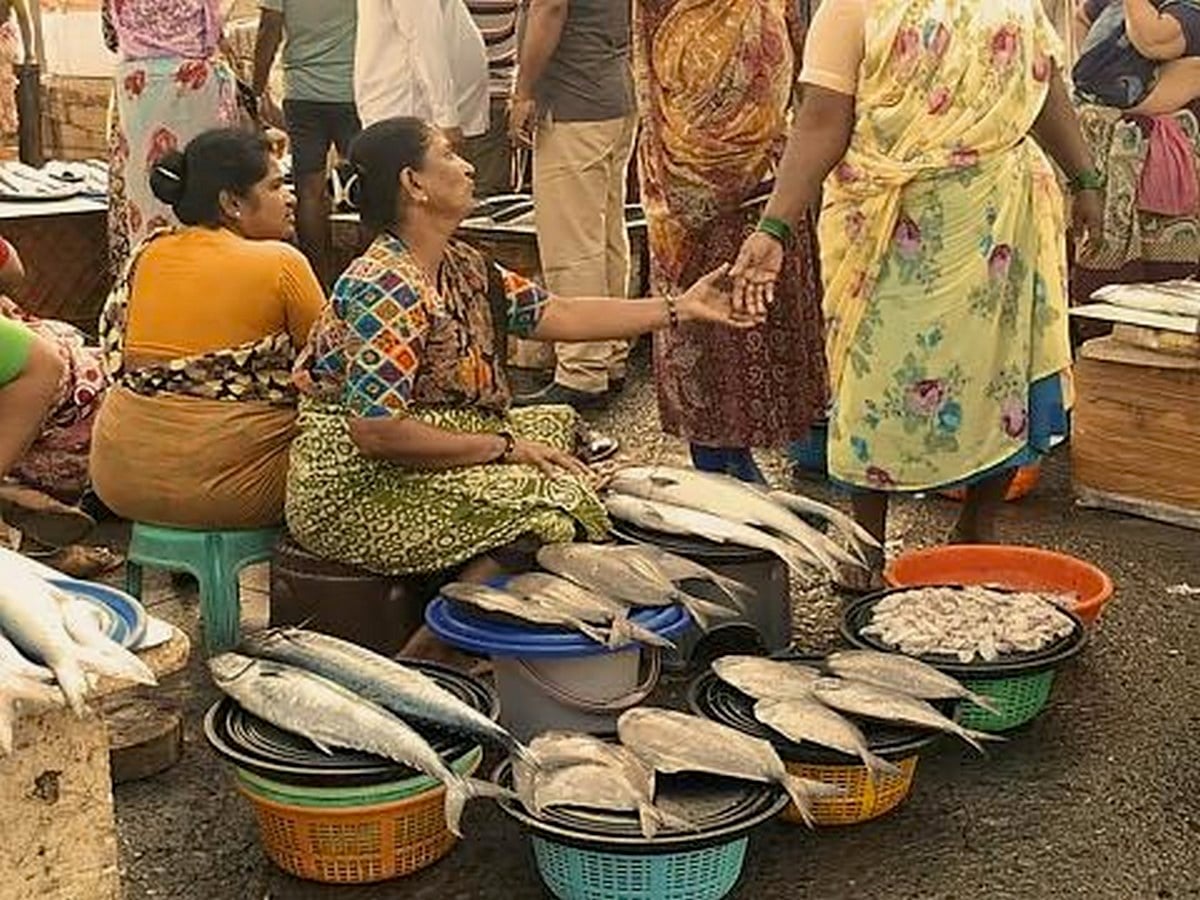
The economy of fishing is based on the gender division of labor in which men are responsible for going into the ocean, navigating boats, manipulating nets, and bringing home the catch. Women play a crucial part in sorting, cleaning, drying, transporting, selling, and processing fish. Besides that, they take care of finances at home and are active participants in local markets and food-based businesses. For instance, at Khar Danda and Mahim, apart from fish selling, women are engaged in manufacturing dried fish, door-to-door sales, seafood trade, and fish waste treatment processes. Fish waste can be transformed into fish meal, fish oil, fertilizer, livestock feed, etc. The activities showcase the economic role of women’s labor and the potential of the circular coastal economy in the community.
Traditional fishing is carried out through varied fishing methods that involve using diverse nets, hooks, traps, and small crafts according to the species of fish and geographical environment. Tide knowledge, seasonal cycles, breeding seasons, weather, marine ecology, etc., have enabled sustainable traditional fishing. The monsoon season is marked by a yearly fishing ban during which fish are allowed to reproduce and to avoid the dangers that come with the harsh weather conditions. Hence, the fishing economy goes beyond the operator of the fishing boat. Other stakeholders involved in the fishing business include boat owners, fishermen, fish sellers, women processors, fish transportation, ice vendors, market vendors, buyers, etc. Reduced fishing will impact all the above-mentioned stakeholders.
The Changing Economy
The traditional fishing economy has become unpredictable. Small Koli fishermen have to compete with modern boats, big players in the market, fluctuations in price, increasing cost of fuel, and a decreasing number of fish. Fish that used to be found near the shore have now moved farther into deep waters due to the effects of pollution, temperature changes, construction, and environmental disturbance. This means that fishermen will need bigger boats, increased use of fuel, more ice, and extended hours of fishing. These additional expenses are very hard for small-scale fishermen to cope with. With fish not being found near the shore, the equipment and small boats that the community uses become useless.
The decrease in the number of fishers has also affected the young generation. Most youth are encouraged to go for formal education and get jobs in other sectors than fishing due to the unpredictability of fishing. This makes it difficult to decide whether one should go for economic stability or cultural identity. The number of youth taking up this occupation is getting smaller.
Environmental Degradation
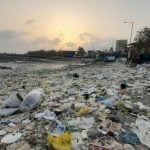
The existence of the Koli community is dependent upon the well-being of the ocean. Pollution has greatly harmed the coastal ecosystem and fishing activity. Plastic waste, domestic waste, raw sewage, industrial discharge, and drainage pipes have made the sea polluted and reduced the quality of fishing grounds.
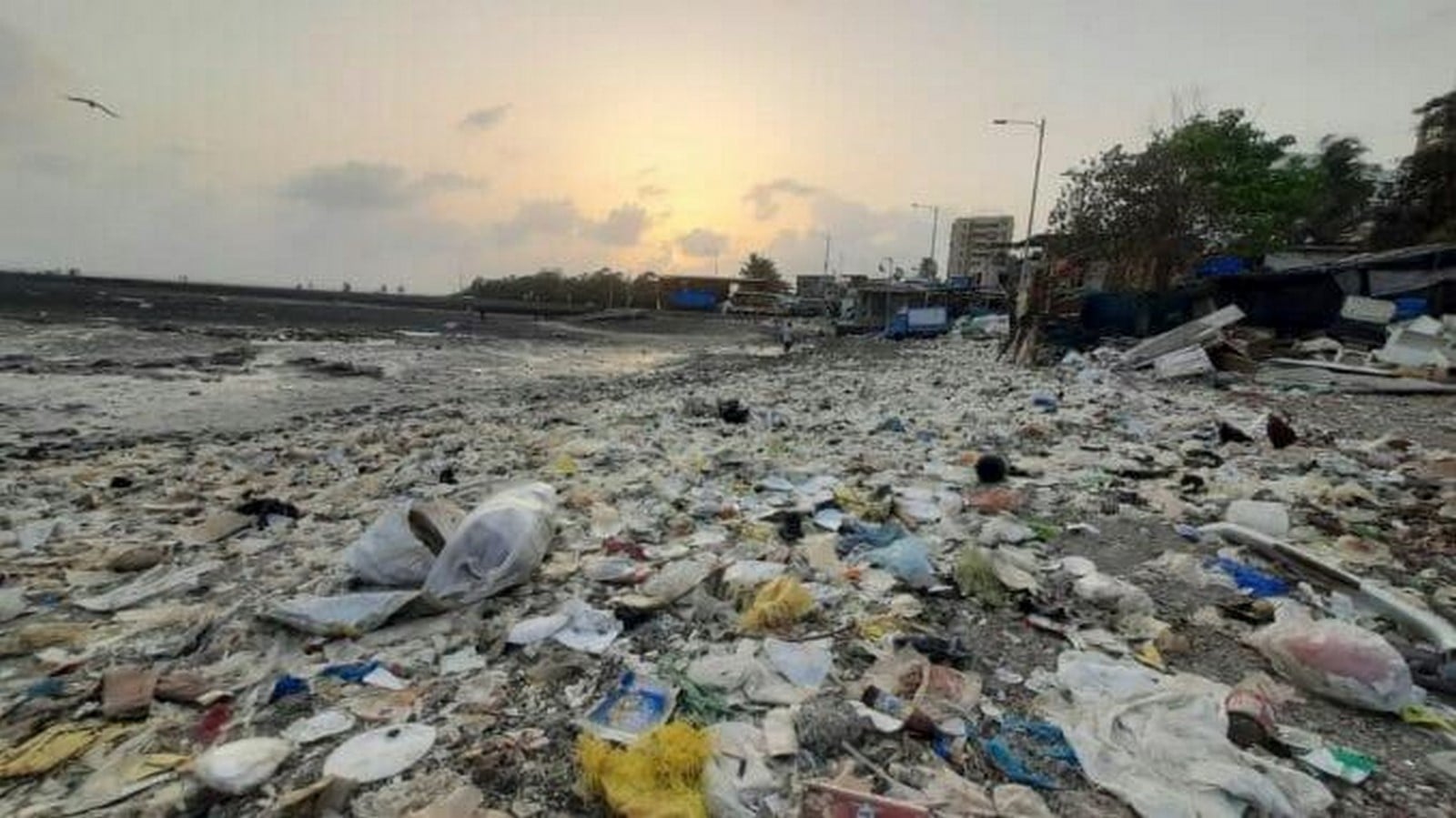
Pollution harms the community in several ways:
- Fish numbers are reduced, and habitats are harmed.
- Fishing is carried out at greater distances into the sea.
- There is increased cost and danger of fishing.
- Nets, boats, and equipment are damaged.
- There is an effect on the health and quality of fish.
- Traditional fishing becomes less economically beneficial.
The issue does not end there. Coastal development also causes changes in the marine environment. Reclamation work, road building, marine connections, ports, and coastal engineering cause disruption in seabeds, mangroves, breeding areas, and the flow of water. Vibrations from such construction might drive fish away, and coastal ecosystem pollution makes marine creatures scarce.
It is important to note that the survival of the community will not be possible by just improving the housing conditions and infrastructure. The fisher cannot continue his fishing activities without fish from the sea. Just like agriculture requires fertile land, fishing requires a healthy environment. This makes environmental protection an integral part of maintaining the Koli culture.
Urbanisation, Displacement and Political Challenges
Urbanization in Mumbai has impacted the Koli community in terms of roads, sea links, sea taxis, construction, and reclamation that have disturbed their fishing areas, forced the fish to move further down the water body, and restricted access to the sea. Areas meant for drying fish, repairs of nets, storage of boats, and processing have been constrained. Settlements of Koli are also threatened with land encroachment and redevelopment. While Koliwadas are being declared as slums, their connection with the land and sea has not been considered at all. Rehabilitation in the form of high-rises might give them houses but does not offer them facilities for fishing and their dependence on the coastal area.
Pollution, untreated sewage, and waste have further destroyed marine life. Fishermen need bigger boats, more fuel, and other equipment to move deeper, and the government does not help much. There is also competition in terms of commercial fishing and LED fishing. While the community is still suffering from a lack of infrastructure, fishing rights, and inclusion in coastal planning, there could be arguments about compensation, jetties, and other developmental projects, but the real concern is the protection of their land, livelihood, and culture.
It is important to understand the Koli communities of Mumbai through Koliwadas, which are living neighbourhoods and have their own needs in terms of space, economy, culture, and environment. It is necessary that any future planning be done in such a manner that the connection between land and sea is maintained in relation to fishing rights, ecology, workplace, markets, and housing that suits their lifestyle. Environmental activities like cleaning up the coastline, controlling sewage, conserving the mangroves, and fishing in a sustainable manner are no less important.
References:
Encyclopedia.com. (n.d.). Kolis. [online]. Available at: https://www.encyclopedia.com/humanities/encyclopedias-almanacs-transcripts-and-maps/kolis
Jio Institute. (n.d.). Sustainable traditions: Dried fish industry in Khar Danda Koliwada. Exhibits@Jio Institute. [online]. Available at: https://exhibits.jioinstitute.edu.in/spotlight/sustainable-traditions-dried-fish-industry-in-khar-danda
Jio Institute. (n.d.). Varuna’s blessings: The Koli festival of Narali Purnima. Exhibits@Jio Institute. [online]. Available at: https://exhibits.jioinstitute.edu.in/spotlight/the-koli-festival-of-narali-purnima
Koli, K. and Tandel, P. (2023). Mumbai’s Kolis are living on the edge on their own turf. Question of Cities. [online]. Available at: https://questionofcities.org/mumbais-kolis-are-living-on-the-edge-on-their-own-turf/
Loksatta. ([Year]). [Article title]. Loksatta. [online]. Available at: https://www.loksatta.com/mumbai/worli-koliwada-mumbai-800-years-history-redevelopment-issue-ssb-93-6087944/
Prasad, S.C. (2025). A day in the life of Mumbai’s Koli women: From dock to market. India Water Portal. [online]. (Last updated 28 February 2025). Available at: https://www.indiawaterportal.org/people-and-culture/culture/from-dock-to-market-a-day-in-the-life-of-mumbais-koli-women
[Author]. (2015). Son Kolis: The aboriginal inhabitants of Bombay (now Mumbai) in transition. [online]. Available at: https://www.researchgate.net/publication/283771224_Son_Kolis_-_The_Aboriginal_Inhabitants_of_Bombay_Now_Mumbai_in_Transition
Thomas, S. (2023). BMC cleans Chimbai Beach after citizens’ appeal goes viral. Citizen Matters. [online]. Available at: https://citizenmatters.in/bmc-cleans-chimbai-beach-after-citizens-appeal-goes-viral/