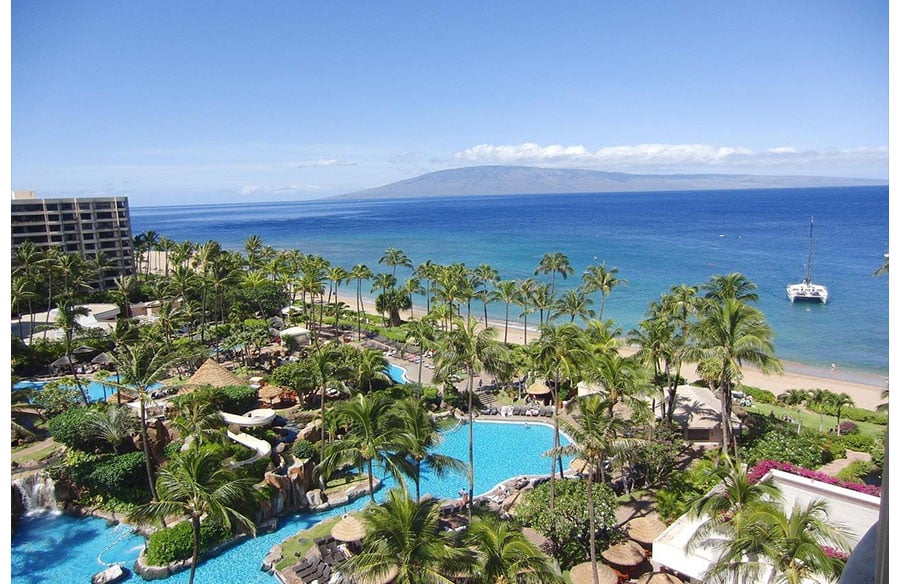
If you’ve ever dreamed of waking up to the sound of waves, Maui probably comes to mind. With its year-round mild weather, gentle trade winds, and vibrant ocean views, the island feels like paradise. Many people are drawn to coastal living here, not just for the scenery but for the calm and connection it brings to everyday life. Yet, the same ocean that provides beauty also brings challenges. Salt air corrodes materials, storms can threaten foundations, and rising sea levels test the resilience of oceanfront homes.
As more people seek to live near the water, builders and architects are rethinking how to design homes that last. Sustainable coastal construction isn’t just about aesthetics anymore. It’s about creating structures that harmonize with nature while standing strong against it. In places like Maui, where coastal living is part of the lifestyle, sustainability is shaping the way communities grow and endure.
The Appeal of Modern Coastal Developments
Across the globe, coastal communities are redefining what it means to live sustainably by the sea. Developers and architects are focusing on creating homes that respect their environment while offering comfort and elegance. For anyone exploring Maui condos for sale, it’s clear that modern coastal developments focus on more than just ocean views. They’re designed to complement Maui’s tropical climate, with open-air layouts, energy-efficient features, and materials that resist moisture and corrosion. Many properties incorporate natural ventilation to keep interiors cool, while shaded lanais and overhangs protect against strong sun and rain.
These design elements aren’t just about comfort. They’re part of a larger trend toward responsible coastal construction. Builders are now using renewable materials, such as bamboo, recycled steel, and sustainably sourced wood, to reduce environmental impact. At the same time, structural techniques like elevated foundations and reinforced concrete help protect homes from flooding and erosion. This balance of resilience and beauty makes coastal properties both desirable and durable, proving that sustainability can enhance luxury living rather than limit it.
The Foundations of Sustainable Coastal Construction
When building in coastal regions, longevity starts with strong foundations. Construction near the shore must account for shifting sands, saltwater exposure, and potential flooding. Modern builders use deep pilings, corrosion-resistant reinforcements, and water-resistant materials to ensure stability. Elevated structures are also common in oceanfront communities, allowing water to flow beneath homes during storms instead of causing damage.
Equally important is site selection and land preservation. Developers now work closely with environmental engineers to understand soil movement, drainage patterns, and vegetation. Protecting natural barriers such as dunes and mangroves helps maintain the ecosystem while reducing flood risk. This integrated approach ensures that each new build not only stands firm but also coexists with its surroundings.
Green Innovations Redefining Oceanfront Architecture
Sustainability in coastal construction is about more than structure. It’s about smart energy and resource use. Many oceanfront homes now feature solar panels that capture abundant sunlight, reducing dependence on traditional power sources: wind energy, rainwater harvesting systems, and efficient insulation further lower environmental impact.
Architects are also prioritizing passive design principles. Homes are oriented to maximize shade and natural airflow, which helps regulate temperature without heavy reliance on air conditioning. Windows and skylights are strategically placed to invite natural light, creating bright, airy interiors that use less electricity. These innovations not only make coastal homes eco-friendly but also reduce long-term costs for homeowners.
The Human Factor: Designing for Community and Ecology
Sustainable construction doesn’t end with materials and blueprints. It extends to how people interact with their environment. Oceanfront communities are increasingly built around shared green spaces, walking paths, and coastal vegetation zones that encourage both social connection and environmental care.
By blending development with conservation, planners are helping residents appreciate and protect the land they live on. For example, communities that plant native vegetation and maintain dune systems experience less erosion and enjoy better water quality. When homes and neighborhoods respect natural ecosystems, everyone benefits, from the families who live there to the wildlife that depends on those habitats.
Sustainability, in this sense, becomes a shared responsibility rather than an individual effort. It turns every resident into a steward of the coastline.
The future of coastal development lies in adaptation and foresight. Around the world, architects are exploring innovative designs such as floating structures, modular homes, and climate-resilient neighborhoods that can adjust to changing sea levels. These forward-thinking projects aim to preserve the appeal of oceanfront living while reducing environmental risk.
In Maui and similar coastal regions, future developments will continue blending natural aesthetics with advanced engineering. Expect to see more buildings that use recycled materials, self-sustaining energy systems, and layouts that enhance airflow and light. These designs not only protect against climate challenges but also promote a healthier, more connected lifestyle.
For homeowners and investors alike, the message is clear: the most desirable coastal properties of tomorrow will be the ones built with sustainability at their core.