Smart technology has reshaped almost every corner of the security industry. Cameras with facial recognition, motion sensors, AI-powered analytics, and remote monitoring platforms have transformed how threats are identified and tracked. Yet despite this wave of innovation, the demand for physical fencing has not declined. If anything, the growth of digital security systems has reinforced the importance of the barriers that surround the sites those systems are designed to protect. The two are not rivals in a competition for relevance; they occupy fundamentally different roles within a security framework. Understanding why physical fencing remains essential requires a closer look at what technology can and cannot actually do.
The appeal of smart security systems is understandable. They offer real-time visibility, remote control, and data-driven insights that no fence post has ever been able to provide. However, visibility and data are not the same as prevention, and that distinction sits at the heart of why fencing retains its place in every serious security plan. A camera records a breach; a fence stops one. That difference in function is not a minor detail; it is the entire argument. The security industry’s most effective sites have always understood that technology and physical barriers must work together, not in place of each other.
Detection Is Not the Same as Prevention
The most important distinction in security design is between detecting a threat and stopping one. Smart technology excels at detection, identifying intruders and alerting response teams within seconds. What it cannot do is physically prevent entry to a site. The gap between detection and response represents a real and exploitable window of vulnerability. Physical barriers close that window immediately. They slow an intruder down and create the time a response team needs to act. No algorithm has yet replaced the physics of a barrier that cannot simply be walked through. Detection and prevention are complementary functions; both are necessary for genuine security.
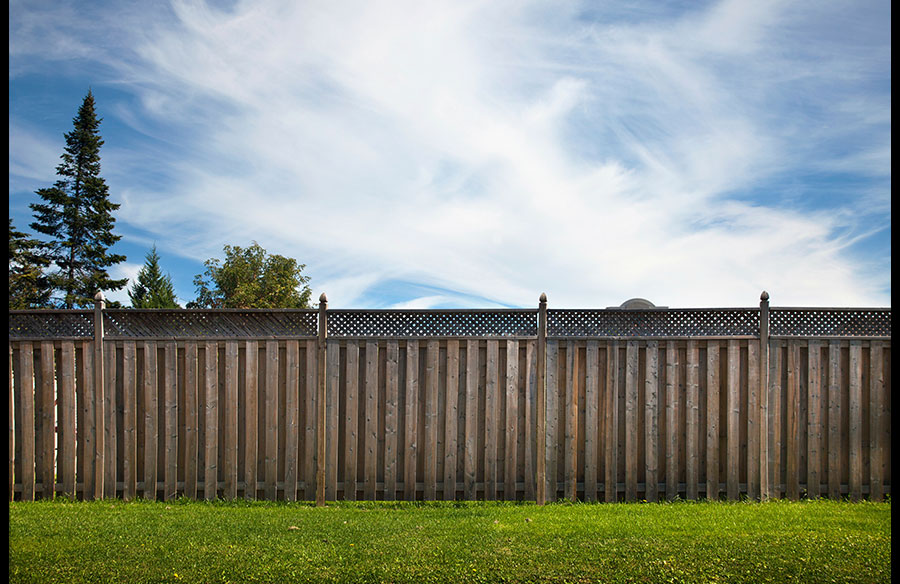
A palisade fence illustrates this principle with particular clarity. Its design is rooted in physical denial rather than data collection. The vertical steel pales create a formidable barrier against climbing and forced entry. No camera or sensor produces that physical outcome. The fence requires no power source, no network connection, and no monitoring team to function. It works continuously, regardless of whether the digital systems around it are operational. This independence from technology infrastructure is one of its most underappreciated qualities. Physical barriers deliver a layer of security that smart systems, however advanced, simply cannot replicate.
When Technology Fails, the Fence Remains
Digital security systems depend on infrastructure that is vulnerable in ways physical fencing is not. Power outages, network failures, and cyberattacks can disable electronic systems entirely. A hacked access control system or compromised camera feed can leave a site momentarily defenseless. In those moments, the physical perimeter becomes the only active line of defense remaining. Fencing does not go offline when power is cut. It does not freeze when a server fails. It cannot be spoofed by a signal jammer or deceived by a digital exploit. Physical permanence is precisely what makes fencing a reliable layer of defense in failure scenarios.
In fencing, wire mesh security fencing demonstrates how a passive system delivers active protection. Once installed, it requires no ongoing power or connectivity to function. It maintains a continuous physical boundary independent of any digital infrastructure. This quality matters especially at large sites where network coverage may be uneven. Remote perimeter sections that are difficult to monitor electronically remain physically secured. The fence holds regardless of whether the monitoring system is watching that zone at a given moment. Electronic systems and physical barriers consequently serve each other when designed together. The weaknesses of one are compensated for by the strengths of the other.
The Layered Security Model
Security professionals have long advocated for a layered approach to site protection. No single system should stand alone between a threat and a target. Each layer in a well-designed framework addresses a different phase of a potential intrusion attempt. The outer perimeter delays and deters; inner systems detect and alert. Technology and physical barriers occupy distinct layers and reinforce each other throughout that process. Removing either one creates a gap the remaining systems cannot fully cover. A monitoring system provides little comfort if an intruder can walk onto a site unimpeded. Fencing ensures any breach requires visible effort, giving monitoring systems something meaningful to capture and respond to.
A fence works alongside cameras, lighting, and access control as one component of a coordinated system. Each component amplifies the effectiveness of the others when correctly specified and placed. For example, perimeter security products are developed with this layered security philosophy firmly in mind. They are designed to integrate into a broader framework rather than operate in isolation.The fence defines the boundary; the camera watches it; the alert system responds to what happens at it. This interdependence is what makes layered security more effective than any single solution. Specifiers who understand this relationship make stronger planning decisions at every stage. Physical barriers and smart technology are at their strongest when treated as partners in the same system.
The Psychological Weight of a Physical Barrier
The deterrent effect of a physical fence is among its most underappreciated qualities. Research shows that visible barriers raise the perceived effort required to breach a site. A camera, however sophisticated, is not inherently threatening to a determined intruder. A tall steel fence, on the other hand, sends an unambiguous physical message by its presence alone. That message is registered immediately by anyone who approaches. Deterrence operates before detection even begins, and physical barriers are what drive that effect. The psychological weight of a fence cannot be programmed or downloaded. It exists in the real world, as does the threat it is designed to confront.
Smart technology has made sites more situationally aware, but awareness alone does not equal safety. Threat intelligence is only as useful as the physical infrastructure surrounding it. A monitoring system needs time between detection and response to be effective. Physical barriers provide that time by slowing an intruder at the boundary. Without that delay, alerts become notifications of a completed breach rather than early warnings. The fence gives both the system and the response team the time to act. Technology and physical barriers are not alternatives; they are mutual dependencies. Neither operates at its best without the presence of the other.
Wrap Up
The narrative that smart technology would render fencing obsolete has not aged well. Sophistication in digital security has clarified rather than diminished the case for physical barriers. Detection and prevention are separate problems that require separate solutions. Technology excels at the former; fencing excels at the latter. A security plan that focuses exclusively on one risks being undone by the limitations of the other. The industry’s most effective sites have always understood this balance. Physical barriers and smart systems each do things the other cannot. That division of responsibility is not a design flaw; it is the whole point.
Security planning is, at its core, a discipline of accounting for failure. Every system will eventually encounter a condition it was not designed for. The strength of a well-designed security framework lies in its redundancy. When technology encounters its limits, the physical fence continues to hold its position. When a fence is breached, technology records and alerts the response team. Each system compensates for what the other cannot do independently. Together they form a defense that no single approach could achieve alone. Fencing has not been made obsolete because it was never competing with technology; it was always completing it.