If you’re staring at your once-beautiful backyard pond and wondering when it transformed into a swampy green mess, you’re not alone. Countless homeowners face this frustrating problem every summer. The green water that seems to appear overnight isn’t just unsightly—it signals that your pond’s ecosystem is out of balance. Understanding what causes this discoloration is the first step toward restoring your pond to its former clarity. Green pond water typically stems from excessive algae growth, which thrives under specific conditions. The good news? Most of these problems are preventable and fixable with some practical knowledge and effort. This guide walks you through the reasons behind that green water and provides straightforward solutions to get your pond looking pristine again. Whether you’re new to pond ownership or have dealt with this issue before, you’ll find actionable advice here.
Why Pond Water Turns Green Faster Than Most Homeowners Expect
Your pond turns green so quickly because algae reproduces at an alarming rate under the right conditions. A single algae cell can multiply into billions within just days or weeks, depending on environmental factors. Most homeowners underestimate how rapidly algae takes over because they don’t realize how little it needs to thrive. Algae requires only three basic ingredients: sunlight, nutrients, and still water. When these elements combine, algae blooms happen faster than you might expect. Many people assume their pond is safe because it looked fine last week, but algae can change that in forty-eight hours. The reason for this rapid growth is that algae is incredibly efficient at using resources. It’s a survival organism that has evolved to colonize water bodies quickly. Understanding this urgency helps explain why neglecting your pond for even a short time can result in a complete takeover of green water.
The Hidden Role Sunlight Plays in Algae Growth
Sunlight acts as the primary fuel for algae growth in your pond. Algae cells use sunlight to photosynthesize and convert nutrients into energy for reproduction. The more direct sunlight your pond receives, the faster algae will grow and multiply. Most ponds that sit in full sun experience worse algae problems than those in partial shade. However, even ponds receiving just four hours of sunlight daily can develop significant algae blooms. The angle and intensity of sunlight matter significantly. Spring and summer sunlight is particularly powerful because the sun sits higher in the sky and its rays strike the water more directly. This explains why many pond owners notice their water turns green specifically during warmer months. Even a small pond in a sunny location can become completely green within weeks during peak algae season. Reducing direct sunlight exposure is one of the most effective prevention strategies. Strategic placement of shade, whether through trees, plants, or shade cloth, substantially reduces algae’s ability to flourish.
How Poor Water Circulation Creates Murky Pond Water
Stagnant water is algae’s best friend, and poor circulation essentially rolls out a welcome mat for green blooms. When water sits still, nutrients accumulate in certain areas instead of being distributed throughout the pond. This uneven nutrient distribution creates hot spots where algae thrives. Algae also releases compounds that make water murky and cloudy. Without proper circulation, these compounds remain concentrated rather than being broken down by beneficial bacteria. Moving water also helps oxygen distribution, which is crucial for maintaining a healthy pond ecosystem. Fish in still water struggle to get adequate oxygen, especially during hot summer nights. Poor circulation also prevents beneficial bacteria from working effectively. These bacteria are essential for breaking down fish waste and other organic matter that feed algae. Most ponds need at least one complete water turnover per hour to maintain good circulation. This means if your pond holds one thousand gallons, your filtration system should process one thousand gallons hourly to prevent stagnation.
Signs Your Pond Filtration System Is Not Working Properly
A failing filtration system is often the hidden culprit behind persistent green water. Your pond filter system should continuously remove particles and waste that feed algae growth. When filters stop working effectively, fish waste and dead plant material accumulate, creating the perfect algae food source. One clear sign of filter failure is when water clarity doesn’t improve despite your cleaning efforts. If you’re cleaning the pond regularly but it immediately turns green again, your filter probably isn’t working. Another indicator is visible sludge buildup at the pond bottom, which suggests waste isn’t being filtered out. Listen to your filter’s sound—unusual noises often signal internal problems. Check the filter media regularly; if it’s clogged with debris, water can’t pass through properly. Some filters have reduced flow rates, meaning water moves through without adequate processing time. A properly functioning filter should be nearly silent and produce steady, consistent water movement. If you notice water bypassing your filter or moving around it, the system needs repair or replacement.
Why Overfeeding Fish Can Make Pond Water Worse
Overfeeding fish is one of the most common mistakes pond owners make, and it directly causes water quality problems. When you feed fish more than they can eat, uneaten food sinks to the bottom and decays. This decomposition process consumes oxygen and releases nutrients that fuel algae growth. Fish also produce waste continuously, and overfeeding increases the amount of waste your pond must process. Fish waste contains nitrogen and phosphorus, which are essentially fertilizer for algae. The more fish you overfeed, the more waste they produce, creating a vicious cycle that makes water increasingly green. Most pond owners feed their fish too frequently and in excessive amounts because they believe it promotes health. In reality, overfeeding stresses fish and degrades water quality. Fish actually need far less food than most people think. A good rule of thumb is feeding only what they can consume within five minutes, once daily. Reducing feed amounts can dramatically improve water clarity within weeks.
Simple Ways to Reduce Algae Without Harsh Chemicals
Reducing algae doesn’t require expensive or dangerous chemical treatments that can harm fish and beneficial bacteria. Natural methods often work just as effectively and maintain a healthier pond ecosystem. Adding aquatic plants competes with algae for nutrients and reduces the resources available for algae growth. Water lilies and other floating plants also provide shade, which limits algae’s access to sunlight. Barley straw, when placed in a mesh bag and submerged in your pond, releases compounds that inhibit algae growth naturally. This method has been scientifically studied and proven to reduce algae by up to thirty percent. Regular water changes remove excess nutrients that feed algae without introducing chemicals. Changing twenty-five percent of your water weekly can significantly improve clarity. Adding beneficial bacteria supplements helps break down waste before it becomes algae food. These bacteria establish colonies that consume the very substances algae needs to thrive. Proper aeration through fountains or air stones also helps by increasing oxygen and preventing stagnation. These natural approaches work best when combined into a comprehensive strategy rather than used individually.
How a Solar Powered Fountain Pump Helps Keep Water Clear
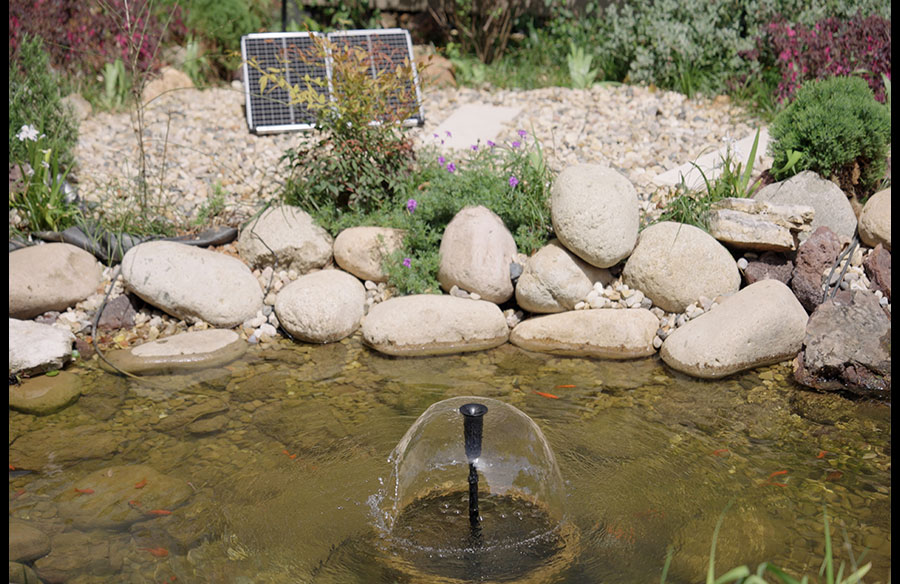
A solar powered fountain pump serves multiple purposes in maintaining a healthy, clear pond. Solar pumps provide continuous water circulation without drawing electricity, making them cost-effective and environmentally friendly. The moving water that fountain pumps create prevents stagnation, which is essential for reducing algae growth. As water circulates, dissolved oxygen levels increase, which fish need and which also helps beneficial bacteria thrive. The cascading water aerates your pond naturally, mimicking the action of healthy streams and natural water bodies. Solar pumps are particularly effective because they operate most actively during sunny days when you need the most circulation to combat algae growth. The sunlight that powers the pump is simultaneously providing energy to algae, so the increased circulation from the pump works against algae’s tendency to thrive in bright conditions. Installation is simple and requires no electrical wiring, making solar pumps ideal for most homeowners. They typically cost between fifty and three hundred dollars depending on size and power output. Many owners find that a solar pump alone significantly improves water clarity within weeks.
Creating a Long-Term Pond Maintenance Routine That Actually Works
Consistency in pond maintenance prevents problems far more effectively than reactive emergency treatments. Developing a routine schedule ensures nothing gets overlooked or forgotten during busy seasons. Weekly tasks should include checking water temperature, observing fish behavior, and monitoring water clarity. Spend five minutes daily observing your pond for unusual changes that might signal problems developing. Monthly maintenance includes cleaning filter media, testing water quality parameters, and removing accumulated debris. Quarterly deep cleaning involves partial water changes, substrate cleaning, and checking equipment function. Keep detailed records of water test results, fish health observations, and maintenance activities performed. This documentation helps you identify patterns and understand what works best for your specific pond. Adjust your routine based on seasonal changes; spring and summer typically require more frequent maintenance due to increased algae growth risk. Autumn demands extra debris removal as leaves fall into the water. Winter maintenance differs significantly depending on whether your pond freezes. Dedicating just thirty minutes weekly to your pond prevents the hours of work needed to recover from neglected conditions.
Summary
- Algae reproduces rapidly when sunlight, nutrients, and still water combine, sometimes turning ponds green within days
- Sunlight is the primary fuel for algae growth, making shade placement an effective prevention strategy
- Poor water circulation allows nutrients to accumulate and concentrate, creating conditions where algae thrives
- Failing filtration systems that don’t adequately process water waste lead to persistent green water problems
- Overfeeding fish dramatically increases waste production and the nutrients available for algae to consume
- Natural algae reduction methods like aquatic plants, barley straw, and beneficial bacteria work effectively without harmful chemicals
- Solar-powered fountain pumps maintain circulation and aeration while operating at no electricity cost during sunny days
- Consistent weekly and monthly maintenance routines prevent problems from developing rather than requiring emergency interventions