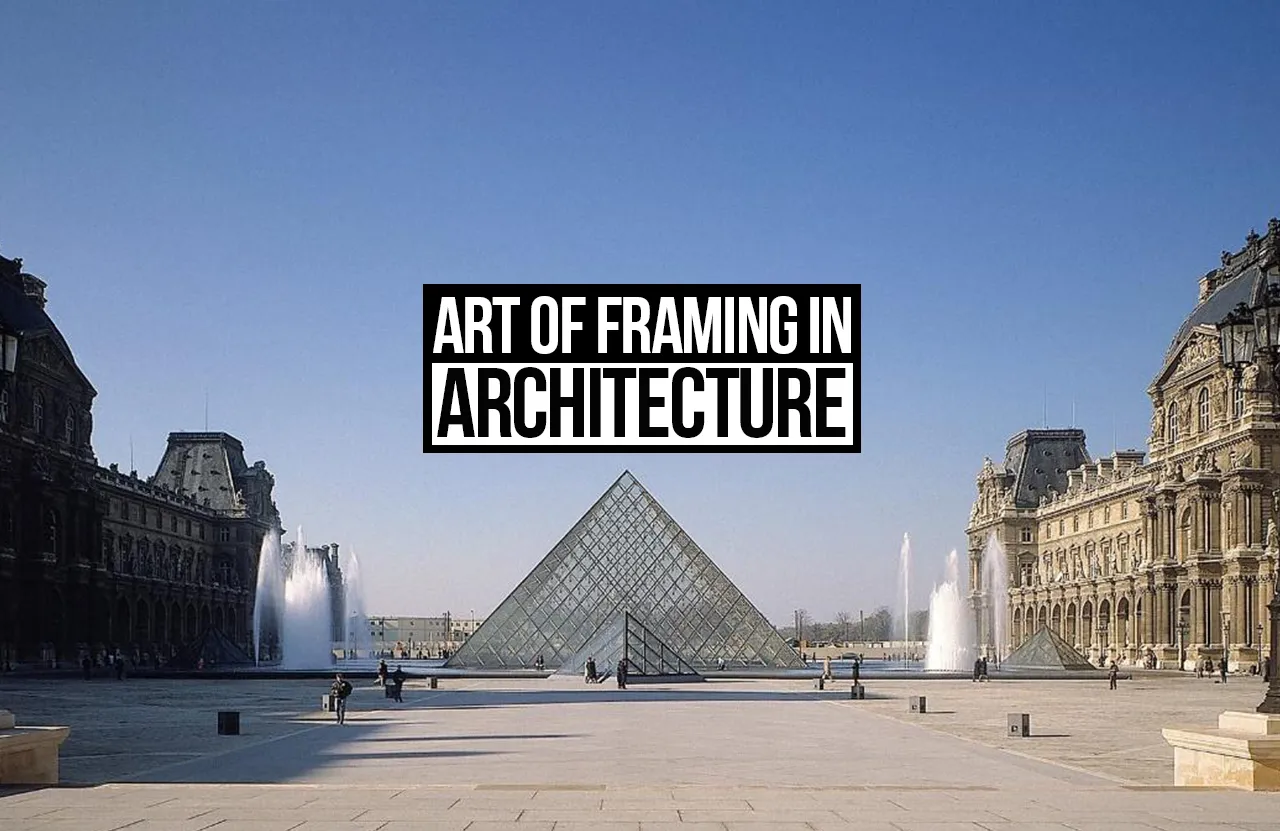
Framing as a concept
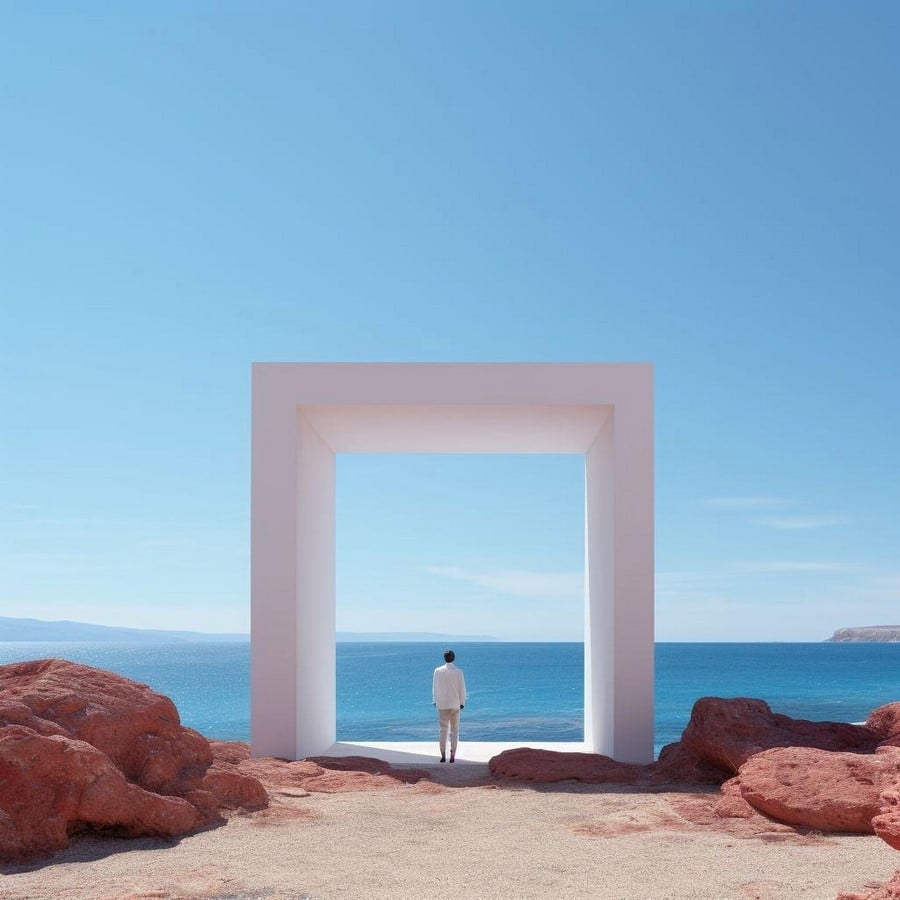
A young architect told a little college story about her journey in architectural studies. Her first college project was a farmhouse for an actress. Along with the main building, she proposed free-standing frames in the open area facing a river. The idea was to capture views through the frames and reflect the actress’s professional identity in the design of her holiday home. Just as a camera lens frames her, she can frame nature’s views while standing on her farmhouse lawn. Landscape design plays an important role in enhancing the user’s experience outside the built form.
Virtual framing in Architecture
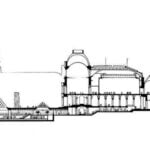
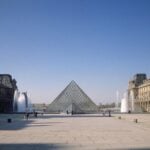
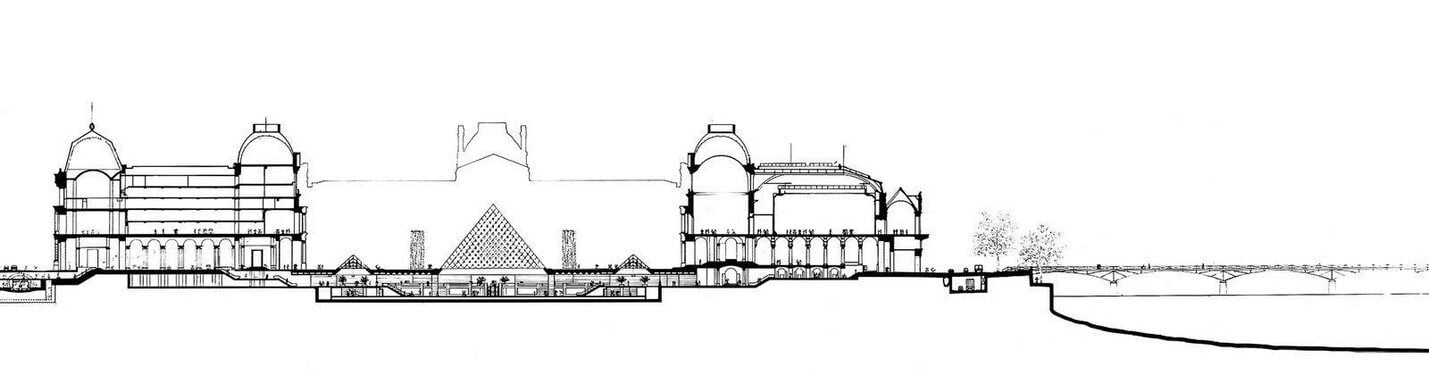
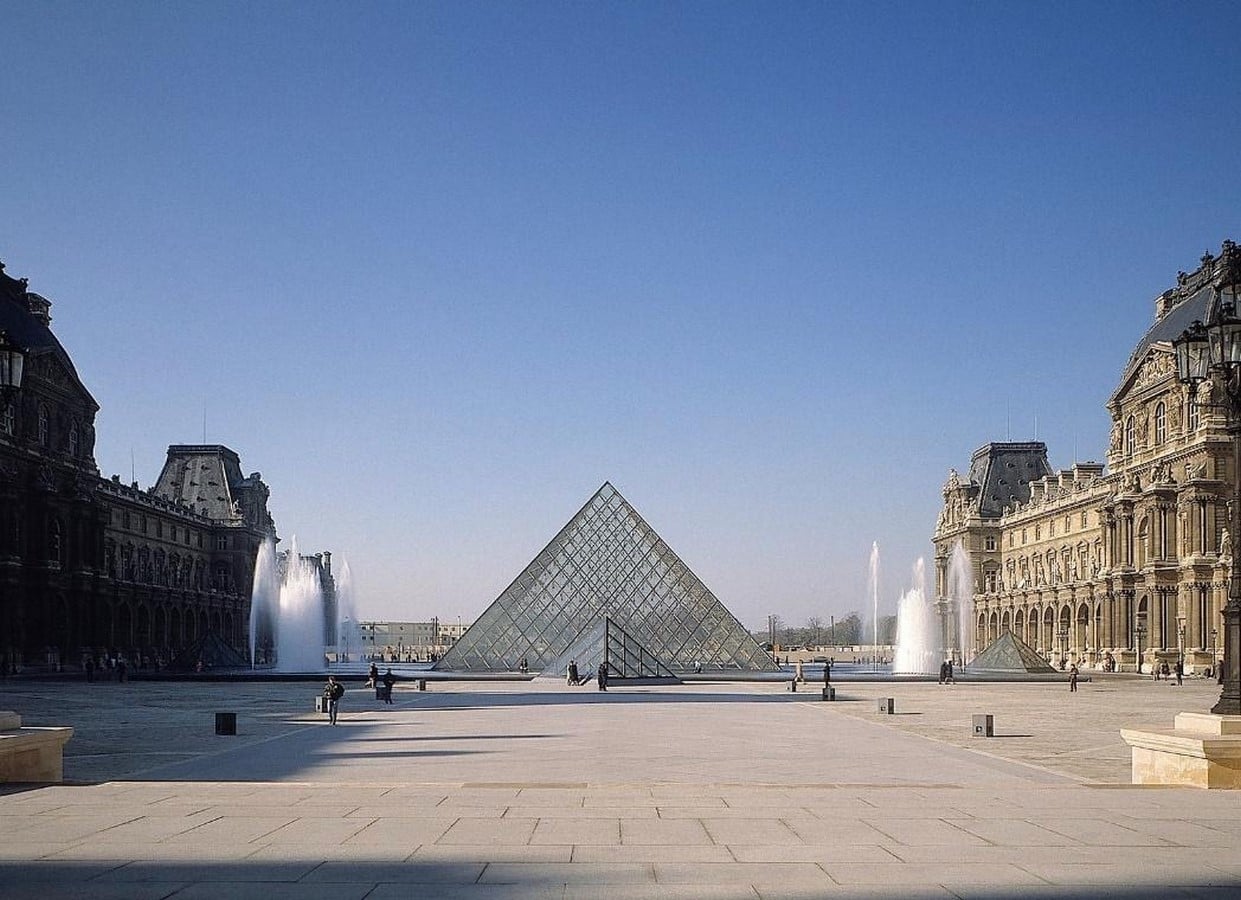
The principle of contrast can bring focus to a central structure framed by the surrounding buildings. Louvre Museum in Paris is known for its glass pyramid structure, which was built as an extension of the museum. This is a good example of virtual framing in Architecture. Anyone standing in front of this pyramidal structure witnesses a geometrically balanced view of modern and classical Renaissance architecture. The choice of material doesn’t overpower the existing part of the museum with its traditional design. The transparency of glass and visual lightness of the pyramid form a frame of complementary structures.
Strategically placed structures can create interesting visual frames for the visitors. It can be a big strategy for creating a gathering space or a plaza-like space, from where people ascend to the old or renovated building. A frame itself means to bound a certain picture or a view inside it.
Principle of design – Focus and frame
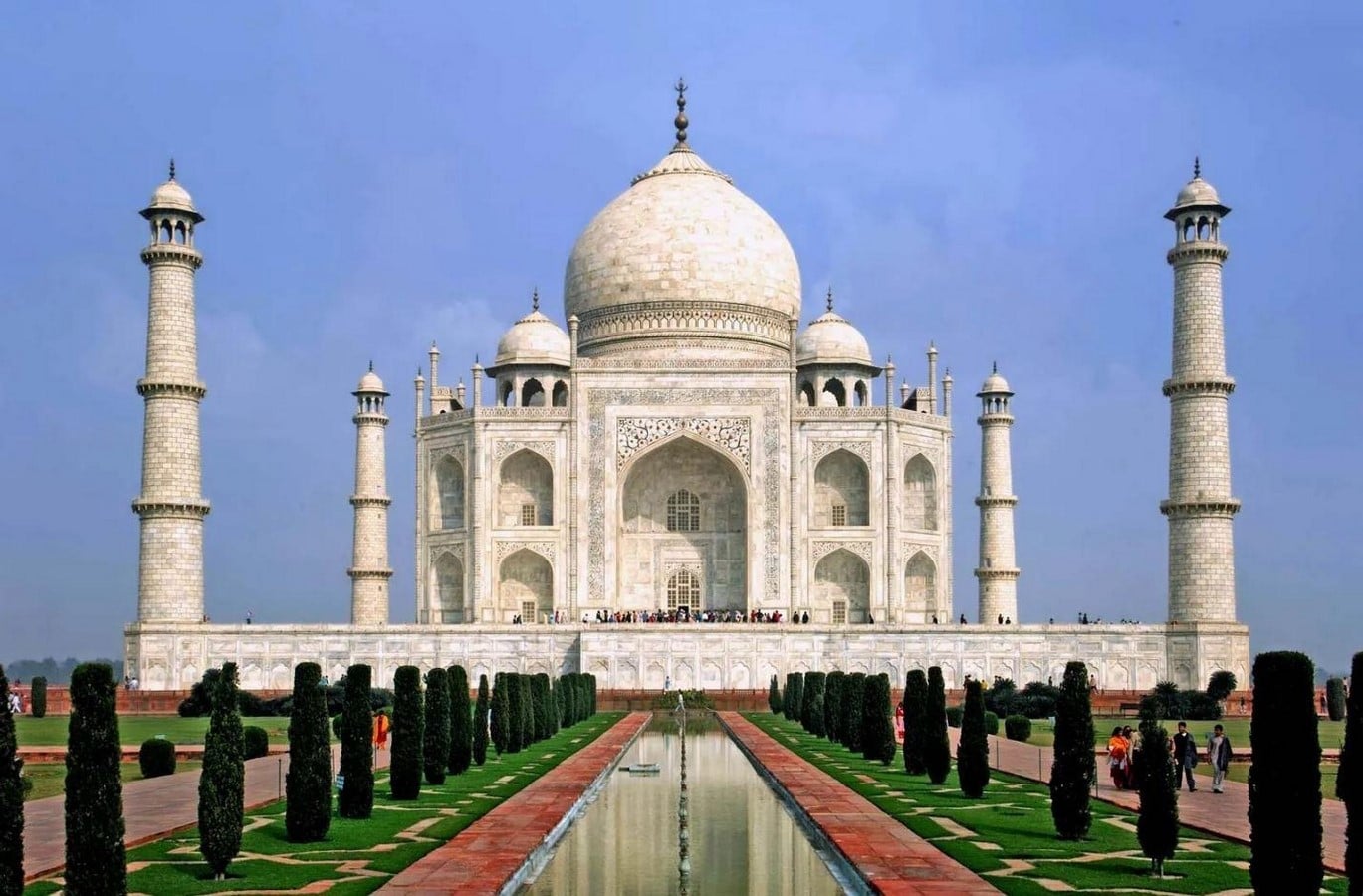
Focal point forms the point of attention for a frame. Taj Mahal in India is a living example of focus and frame. The four minarets frame the main tomb. The landscape in front adds to the frame with a central water channel and trees on both sides of it. The features of the tomb form a symmetrical balance, with similar design features on both sides of the central axis.
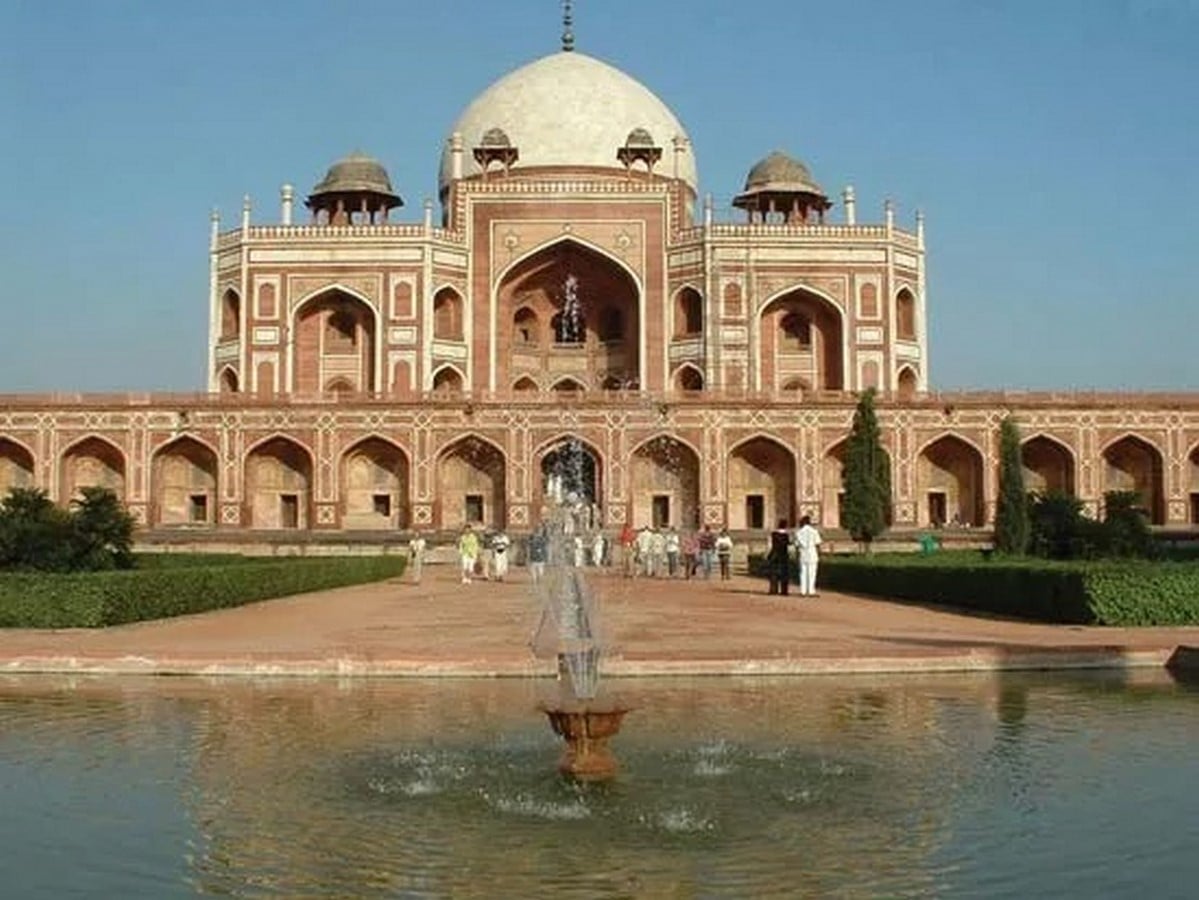
Similar framing is found in other monuments of the Mughal era in India, like Humayun’s Tomb, Agra Fort, Itimad-ud-Daulah’s tomb, and many more. A common observation among these monuments is that they stand alone on their premises as individual buildings, with a grand landscape focusing on the main structure. This is a strategic planning choice to frame the monument to make it look more prestigious.
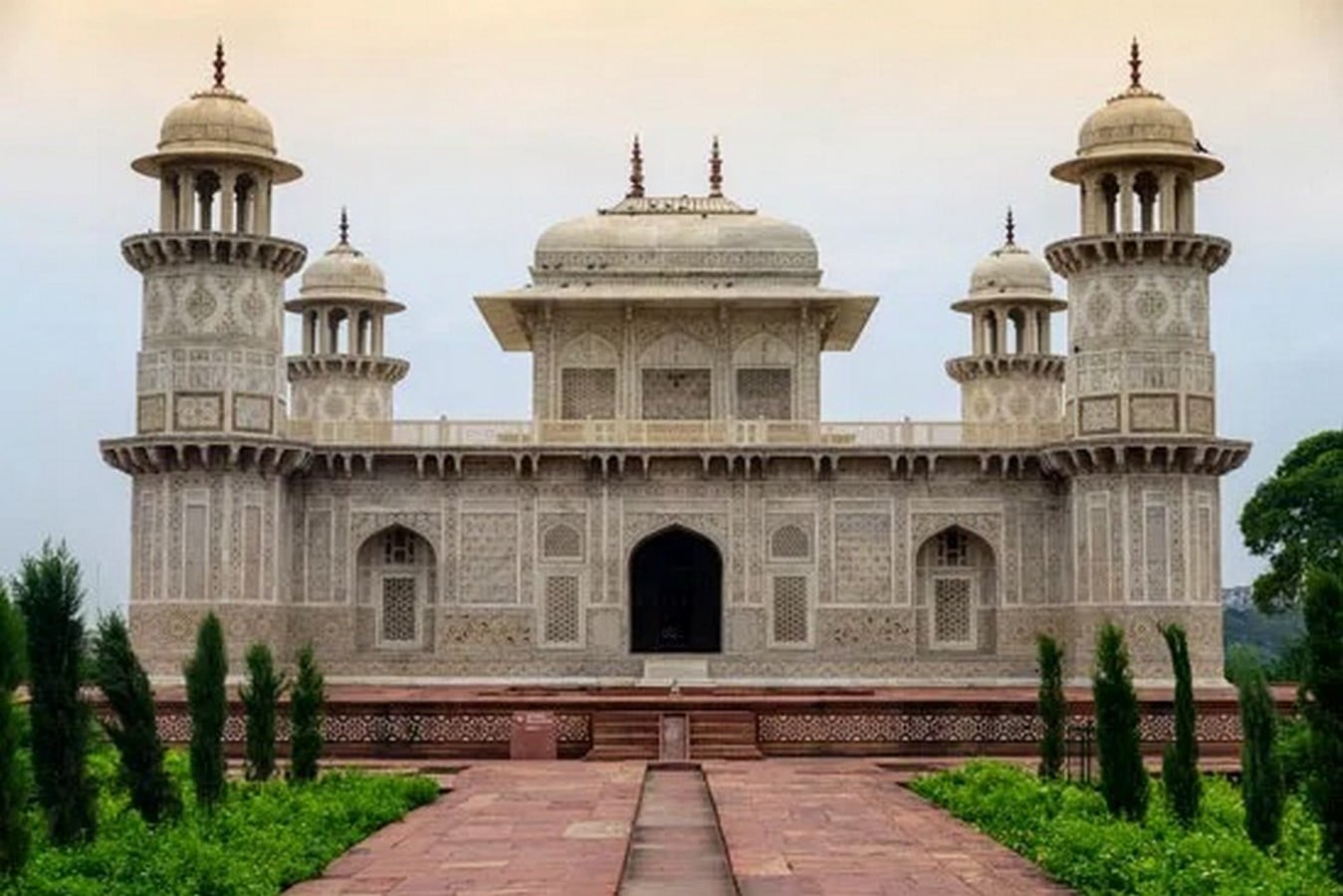
Axial planning can often be seen in monuments in India and globally.
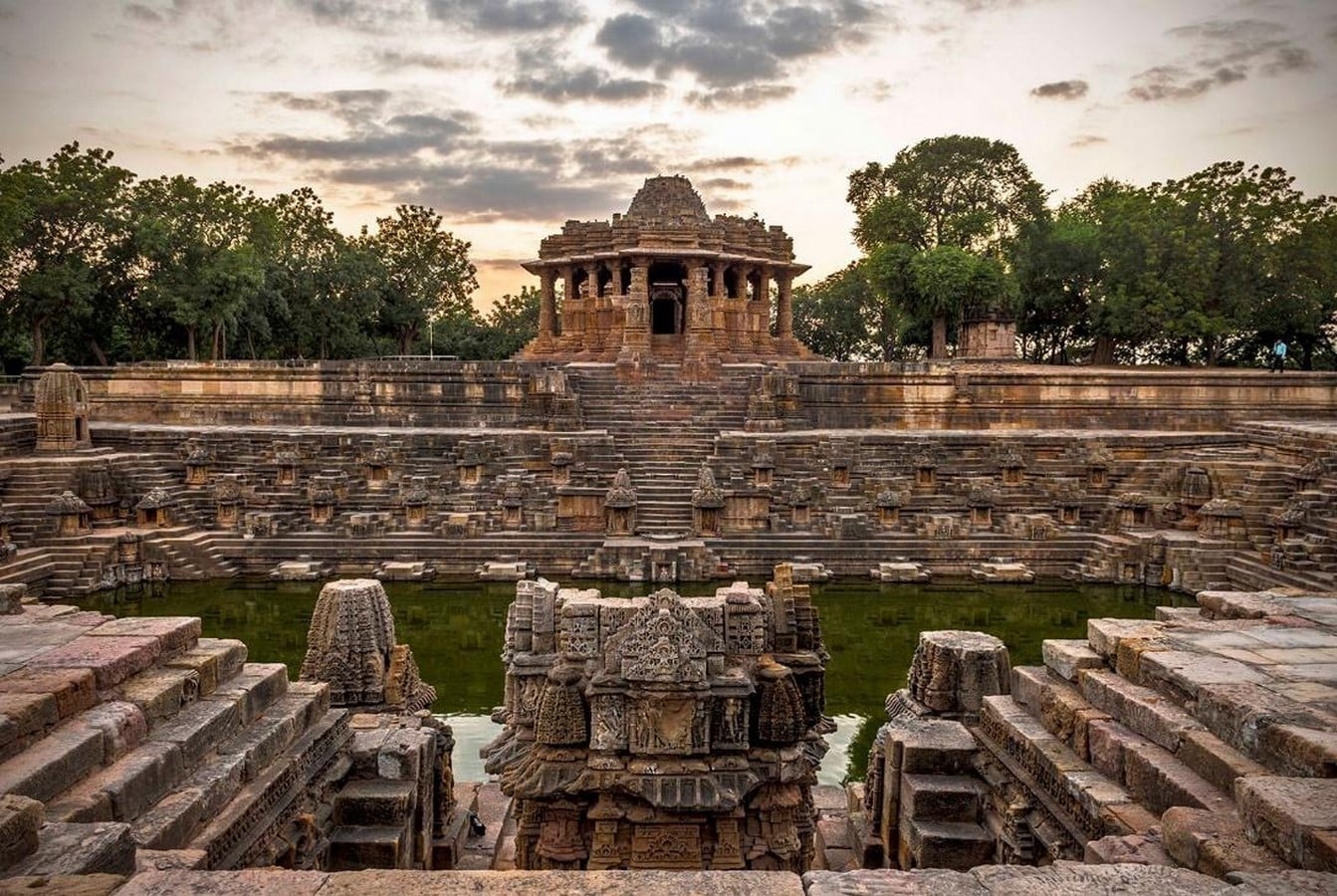
Sun Temple, Modhera
The temple is built as an axial arrangement of three parts forming a visual frame of intricate carvings rising from the kund to the shikhara of the temple. Three components are: the sanctum enclosed within a hall, an assembly hall, and a sacred stepped reservoir. These descending volumes create a visual harmony for the viewer and welcome them inside to experience the spiritual envelope that worships the Sun.
Taking nature in through the frames
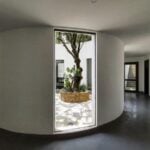
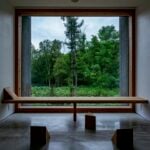
How do we see through the building to the outside? The windows! The view through the window could be intentional as well. For instance, there is an existing tree on the site of a farmhouse which would be a perfect soothing view for the resident; so instead of isolating that tree in some setback area, if the rooms are arranged such that the window opens up framing the tree, it will be a harmonious design solution.
In residential architecture, due to land area constraints, the habitable rooms end up opening the windows to the boundary wall. A green pocket there can be a breathing space for the home, to sit and connect with nature visually.
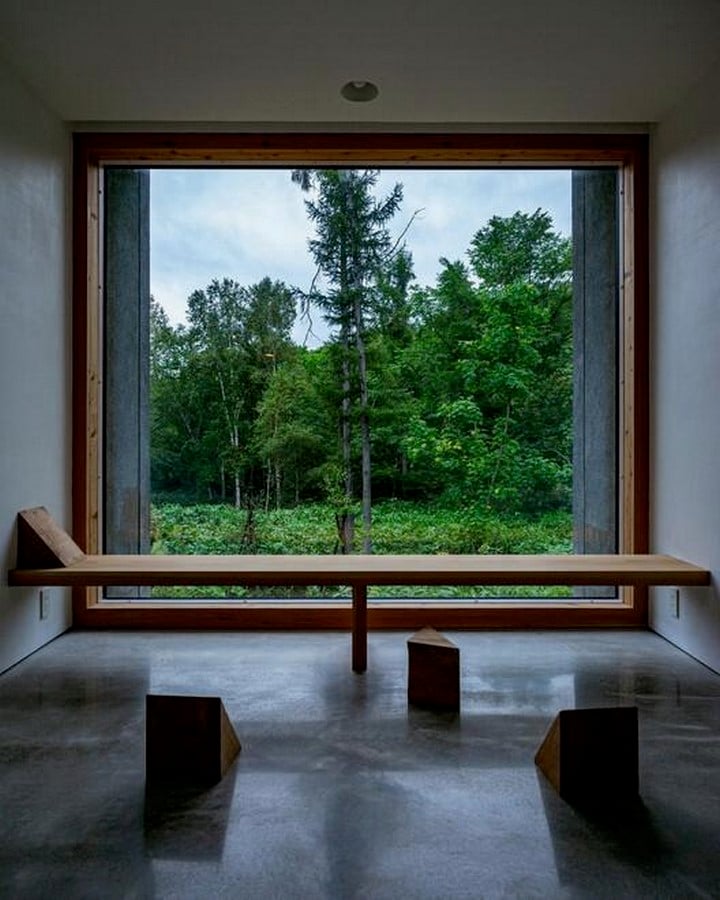
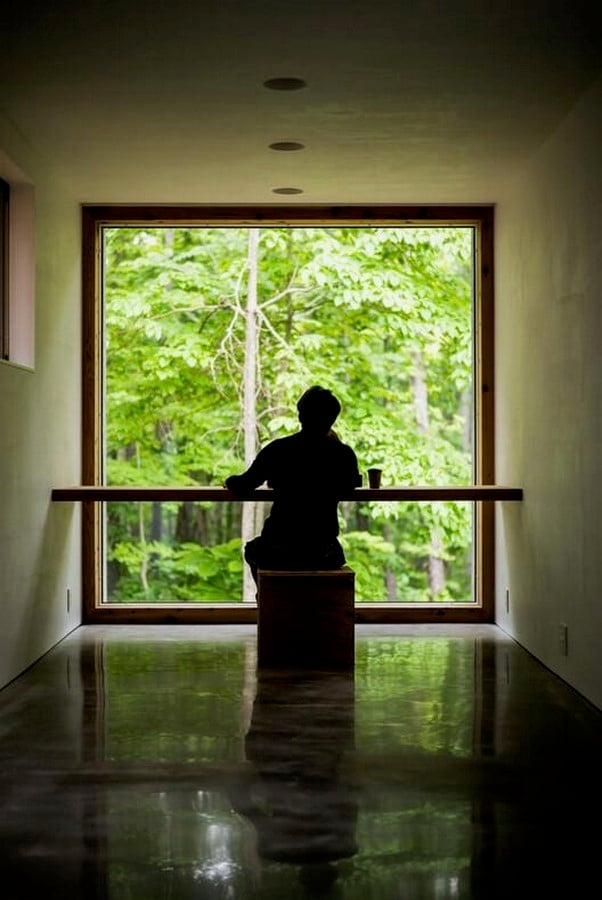
Public and cultural buildings have a large scope to form sculptural built masses around nature. Pathways in an art gallery could be designed so visitors can view greenery while walking toward the art.
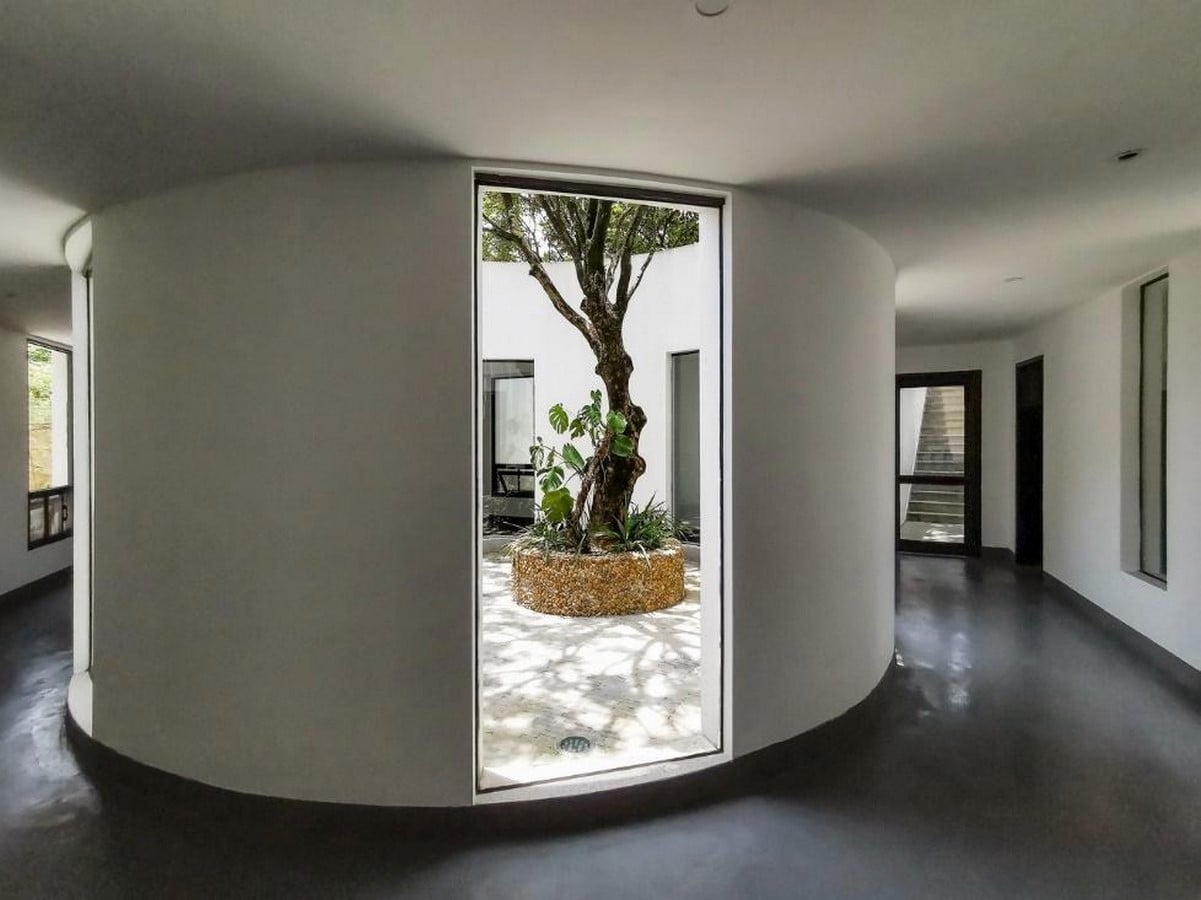
The walls are not the only way to bring nature in. Roofs could also bring the sky, or even trees, into the occupant’s view. Skylights form amazing frames for rooms, luxurious washrooms, and public buildings.
As a designer, one could choose what one builds and what one frames.