Chicago’s neighborhoods were shaped by a few repeatable building types. The brick bungalow and the two-flat are the most familiar. Each was designed for a particular way of living, and that original purpose still shows up when the building is sold.
For owners who need to move quickly, the building type matters as much as the market. A search like sell house fast chicago often leads to direct cash buyers who take a building as it is. Before choosing that route or a listing, it helps to read the house the way an architect would.
Why Do Chicago’s House Types Sell Differently?
A building type sets the buyer pool. A single-family bungalow appeals to households looking for a home. A two-flat appeals to owner-occupiers who want rental income, to extended families and to small investors.
Each group judges a building differently. Families look at layout, light and the kitchen. Investors look at rents, tenants and repair bills. Both look hard at age and condition, which is where many older Chicago buildings struggle.
Typology also shapes the paperwork. A vacant bungalow is one transaction. A two-flat with tenants carries leases, deposits and the question of who stays after closing.
What Makes a Chicago Bungalow Easy to Read?
The bungalow is close to a standard design, which makes it easy for buyers to understand. The Chicago Architecture Center’s bungalow profile sets out its defining traits.
- Scale. Chicago has more than 80,000 bungalows, about a third of the city’s single-family housing stock.
- Era. The profile gives 1919 to 1930 as the type’s completion period.
- Form. Most are brick, one and a half stories above a basement, under a low hipped roof.
- Lot. They were built to fit Chicago’s standard 125-by-25 lot.
- Location. They form a “Bungalow Belt” arc about 4 to 7 miles from downtown.
That consistency helps a seller. Buyers know roughly what they are getting, and comparable sales are easy to find. The challenge is age. A century-old bungalow may need a new roof, updated wiring or basement work, and buyers will price those in.
Why Is a Two-Flat a Different Kind of Sale?
The two-flat stacks two full units, one above the other. Many are owned by someone who lives in one unit and rents out the other. That mix of ownership and rental makes it one of the city’s most important housing types.
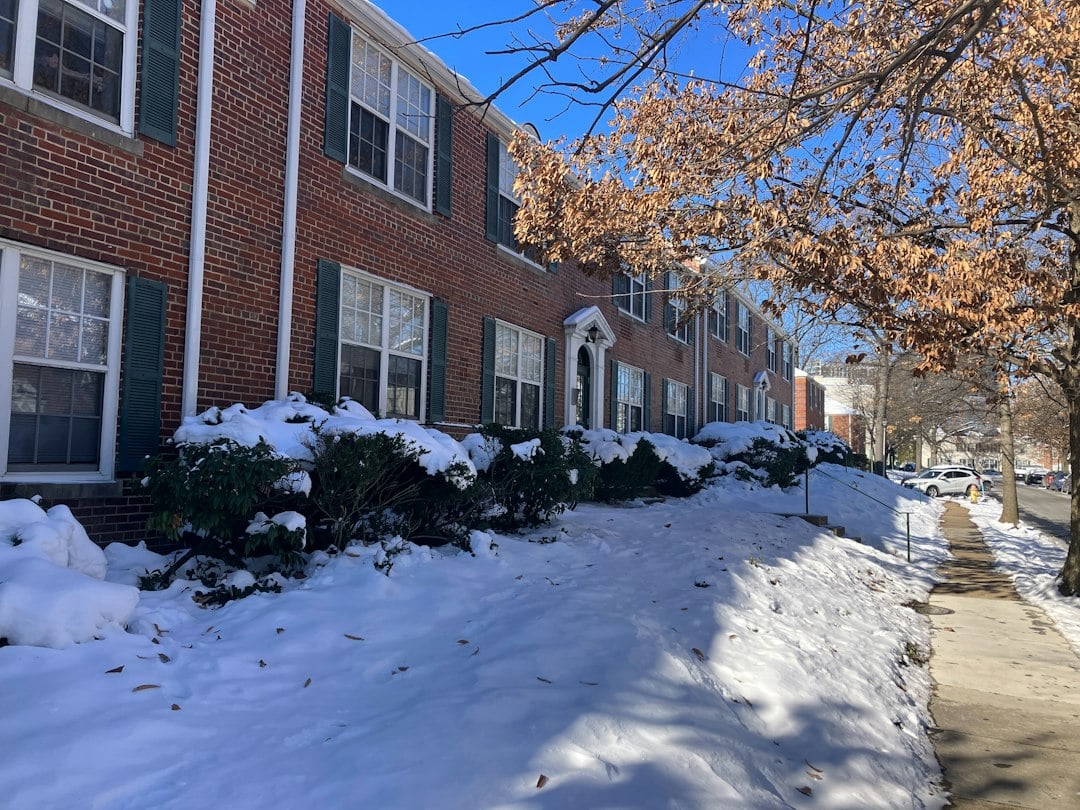 DePaul University’s Institute for Housing Studies has tracked these buildings for years. Its two-flat research found that units in two-flats made up 27 percent of Chicago’s housing stock in 2015, and an even larger share of its rentals. In some areas, including Avondale, Humboldt Park, North Lawndale and Bridgeport, 2-to-4 unit buildings make up more than half of all housing.
The same research shows the strain on the type. Cook County’s rental units in 2-to-4 unit buildings fell from 301,461 in 2011 to 279,704 in 2015. Between 2005 and 2011, nearly a third of apartments in these buildings in the county’s low-income communities were affected by a foreclosure filing.
For a seller, a two-flat raises extra questions. Is the second unit occupied? Are leases current? Would a buyer want the building for multi-generational living rather than rent? The answers change who will buy and how fast.
How Do the Building Types Compare?
| Factor | Bungalow | Two-flat |
| Typical buyer | Families and first-time owners | Owner-occupiers, extended families, investors |
| Layout | One household, finished attic or basement possible | Two stacked units |
| Common sale issues | Age-related repairs, dated systems | Tenants, leases, two sets of systems |
| What buyers check | Roof, basement, kitchen | Rents, occupancy, repair bills |
Both types reward flexibility. The best old buildings, like the examples of flexible housing that designers study, can adapt to new households. A buyer who sees that potential may look past wear and tear.
What Does a Fast As-Is Sale Involve?
When time is short, some owners skip the listing. Chicago Cash Home Buyer, operated by Two Rivers Properties, says it buys single-family homes, multi-family buildings, condos, townhouses and vacant land. Here is how its homepage describes the process.
- A form or phone call, followed by a walkthrough at the owner’s convenience.
- An offer based on location, condition, estimated repair costs and recent comparable sales.
- A cash offer within 24 hours, with no lender or appraisal involved.
- It buys rentals with tenants, and homes with fire or foundation damage.
- Closing in as little as 7 to 14 days, depending on title clearance.
The company also says that the more work a house needs, the more interested it typically is. That suits an older bungalow or a tired two-flat. The trade-off is that an as-is offer reflects the building’s condition, so compare it with a listing’s likely net before deciding.
Reading Your Building Before You Sell
- Name the type: bungalow, two-flat or something else.
- List the repairs a buyer is likely to price in.
- Gather leases and rent records for any rented unit.
- Pull comparable sales for the same building type nearby.
- Decide whether time or price matters more to you.
Letting the Building Guide the Sale
Chicago’s bungalows and two-flats have outlasted many trends because they were built to be useful. Selling one well means understanding what it was designed to do and who will want it next. Start with the building, then choose the sale that fits it.
Frequently Asked Questions
How Many Bungalows Are There In Chicago?
The Chicago Architecture Center says the city has more than 80,000 bungalows. They make up about a third of its single-family housing stock, mostly in an arc 4 to 7 miles from downtown.
Can You Sell a Two-Flat With Tenants In It?
Yes. Some buyers, including Chicago Cash Home Buyer, say they buy rentals with tenants. Leases may continue after a sale, so ask a real estate attorney how Chicago’s rules apply to your building.
Why Are Two-Flats Important to Chicago Housing?
They provide both homeownership and rental units in one building. DePaul’s Institute for Housing Studies found that units in two-flats made up 27 percent of the city’s housing stock in 2015.
Does a Cash Buyer Pay Less for an Older Building?
Usually, yes. Cash offers reflect the as-is condition and the cost of repairs. In return, the seller avoids repairs, showings and a long listing period.