The commonly used phrase is ‘men see paths, women scan for danger’. This phrase says a lot about women and the urban experience, which is shaped by different perceptions of safety, mobility, and urban experience. These differences emerge because the city has historically been shaped by men, with women having limited influence over its planning and construction, which has led to urban environments that often fail to reflect women’s needs and experiences.
The same city, Different experiences
A common family scenario is that boys are often allowed to go outside at night, while girls are frequently told to return home before evening. Family members tend to worry more about girls’ safety, whereas this level of concern is often lower for boys. Even when living in the same city and experiencing the same urban environment, why do men and women have such different experiences of public spaces and mobility?
While urban planners aim to create inclusive environments for all inhabitants, truly inclusive cities must recognise that not all locations benefit everyone equally. Cities that have traditionally been developed mostly by and for males must be redesigned to meet the needs of women and other marginalised groups. In this way, women and the urban experience may differ from men’s experience. This requires policymakers and designers to specifically examine how urban environments function for diverse populations with different lived experiences.
When walking becomes a Calculated Decision
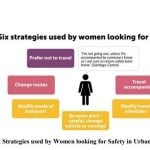
Women must use caution while they are in public places. Unlike men, women are restricted in their movement and do not have the same freedom. For example, women are being told not to walk out alone at night, and for good reason. If they walk or jog around the neighbourhood, they normally do it in safe areas. Even when a shortcut route is available, women often have to think several times before choosing to take it. They consider questions like: Will there be enough people on that street? Is the area well-lit? Will it be safe? Are women’s needs and uses of public spaces and buildings appropriately addressed? Are there affordable and safe housing options for single working women? These considerations mean that they make carefully considered judgments before moving from one place to another. This constant calculation adds an extra layer of mental stress to their daily lives. They do not always feel safe or psychologically comfortable while moving freely through the city, which should be an easy and effortless experience.
Fear, comfort, belonging, exclusion, safety, and visibility are not abstract feelings; they are produced and unevenly dispersed throughout the city. The question that arises is: Why does the urban experience pose a risk for women? Can design address and solve these challenges?
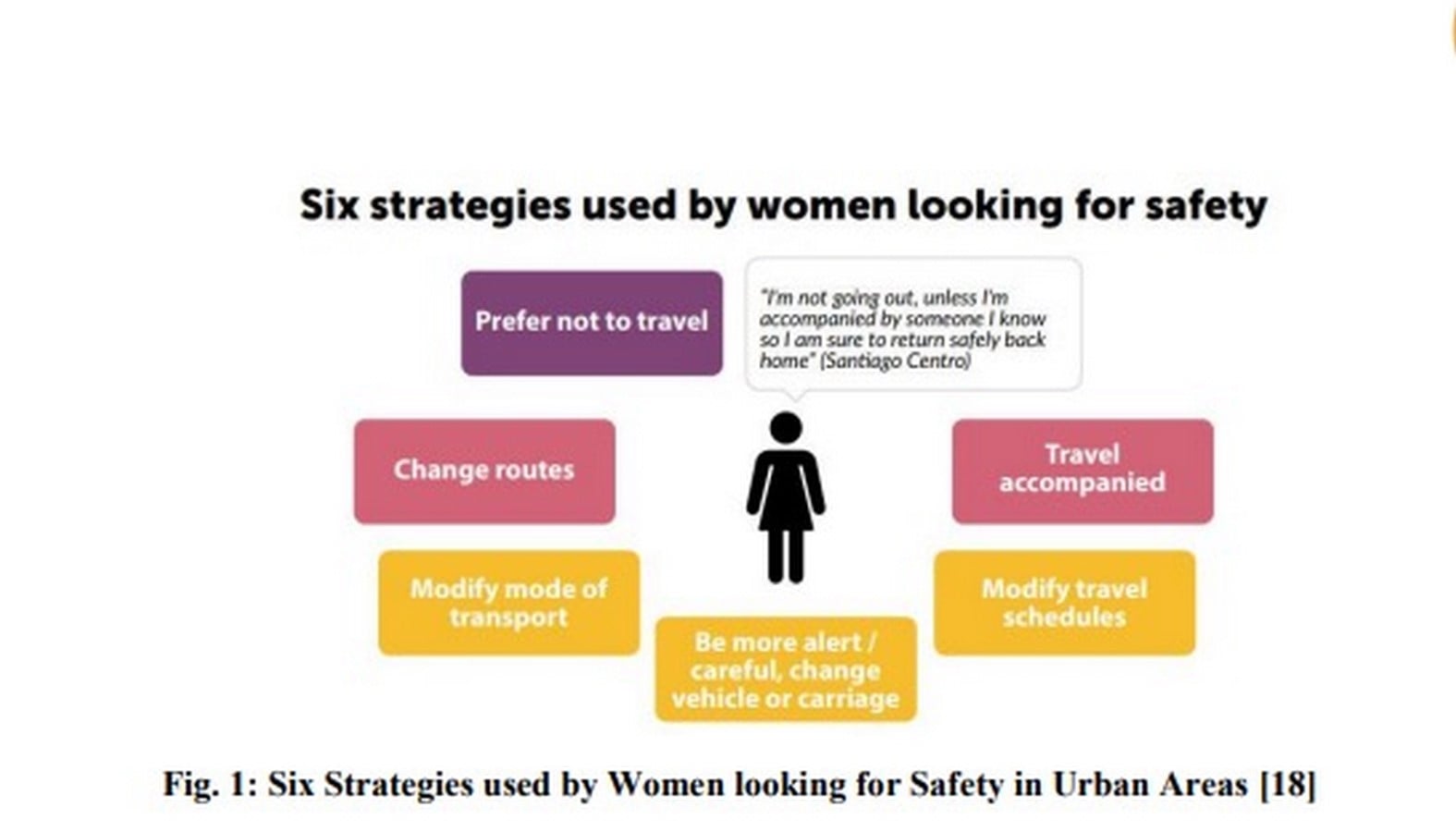
Is the space objectively safe? Vs. “Does the space feel safe?
Spatial design reinforces women’s secondary status. So, what makes a city feel safe for young women? woman feels more comfortable in places where they had clear sightlines and an overview of access points. At the same time, openness alone does not necessarily feel welcoming; complete exposure can make them feel uncomfortable and may invite unwanted attention. Women choose a preference for environments that offer partial shelter or enclosure, spaces where one could be present in public life while still feeling protected. These spatial details show how apparently minor design decisions can improve women’s experiences in cities and have an emotional impact.
Additionally, design and material aspects are influencing factors for everyday comfort. For instance, cold surfaces could prevent women from using them. It was often said that designs with a variety of sitting configurations, height levels, and intergenerational use were preferable. Elevated seating makes many feel more secure. It takes longer for someone to reach women, and women can see what’s around them. Additionally, rounder curves and warmer materials can make the area cozier and more welcoming. There are new opportunities for improving women and the urban experience in this age of rapid technology advancement. High-quality street lighting is the most effective way to reduce risk and discomfort; also, properly placed light lights at transit stops, parks, courtyards, and along pedestrian pathways lower both the actual number of occurrences and the subjective experience of fear.
From Design through to Policy
They should be included across the whole spectrum, from design through to policy, as there are many countries working on the woman and the urban experience. For example, Tunisia’s ‘Cities Alliance’, with support from USAID, launched the Femmedina project in 2020 to create safer, more inclusive urban spaces tailored to women’s needs. Before Femmedina, Place Bab Souika was unpleasant and uninviting. Women are now sitting on seats while children play, and they can relax and talk freely.
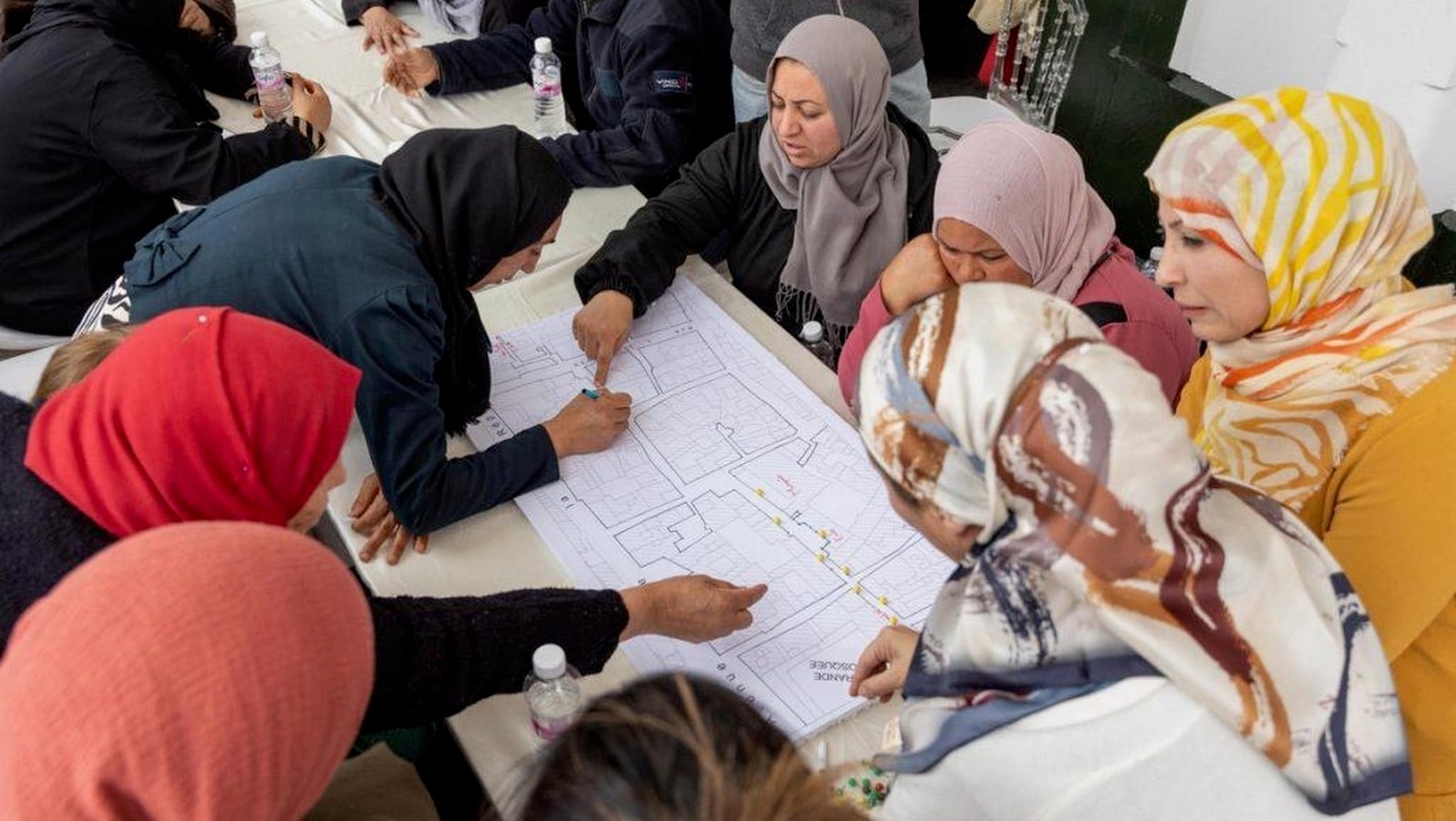
Tunisia is working on a new way to plan cities, called Femmedina, that makes sure everyone, especially women and girls, has a say in how their cities are designed. The goal is to create public spaces that meet women’s needs and get them more involved in the planning process. This way, cities can be built to work for everyone, not just a few. By doing things this way, Tunisia hopes to set an example for other cities in the region to follow, making urban planning more inclusive and fair for all. This approach is all about listening to women’s voices and making sure their needs are taken into account when designing public places, so that everyone can feel safe and included in their community.
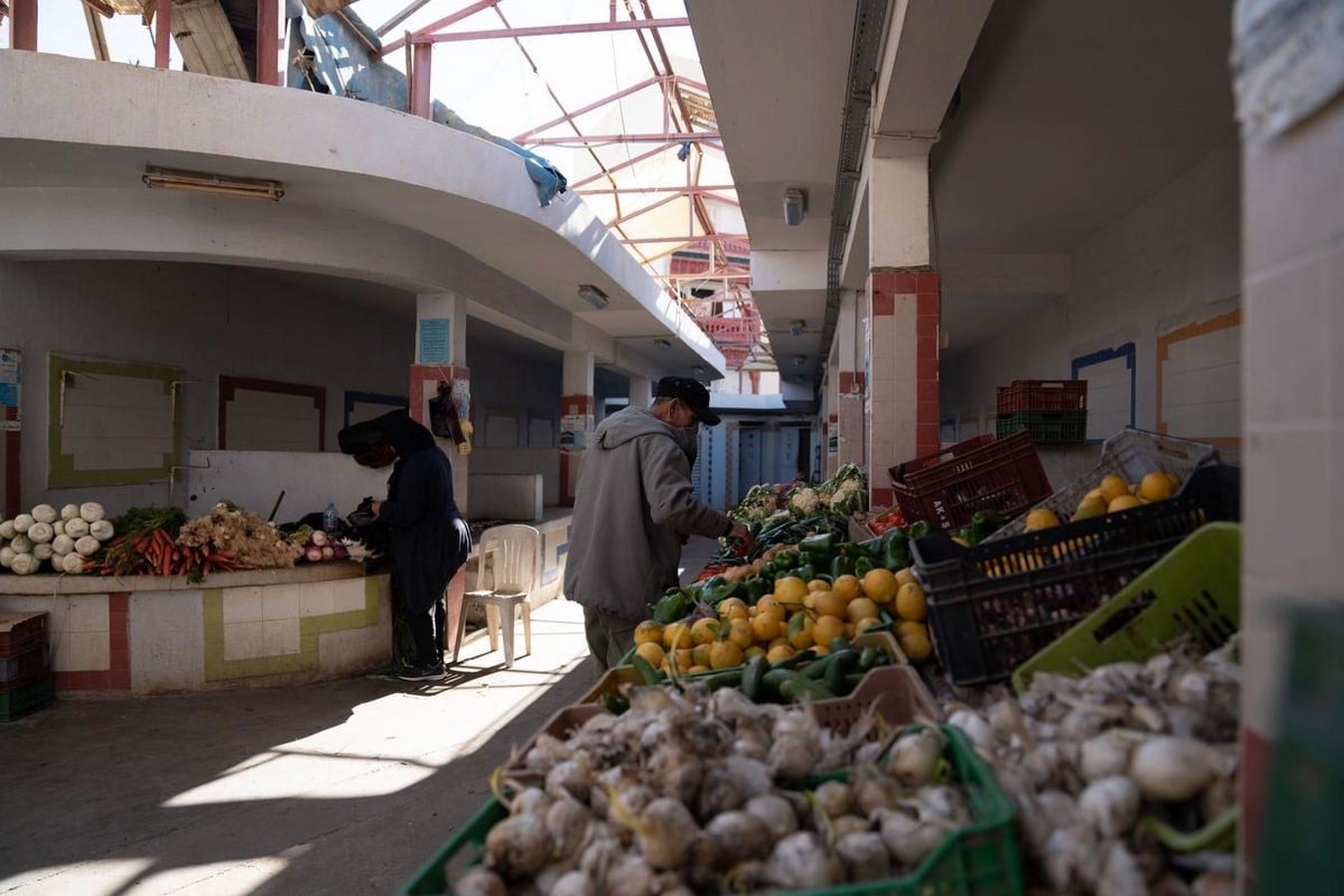
In Lebanon, gender stereotypes frequently result in increased surveillance of women, limiting their mobility and access to public spaces. For this reason, the CatalyticAction co-design program was implemented in Lebanon, whose goal was to learn about women and the urban experiences in cities and collaborating on solutions for safer, more inclusive public spaces.
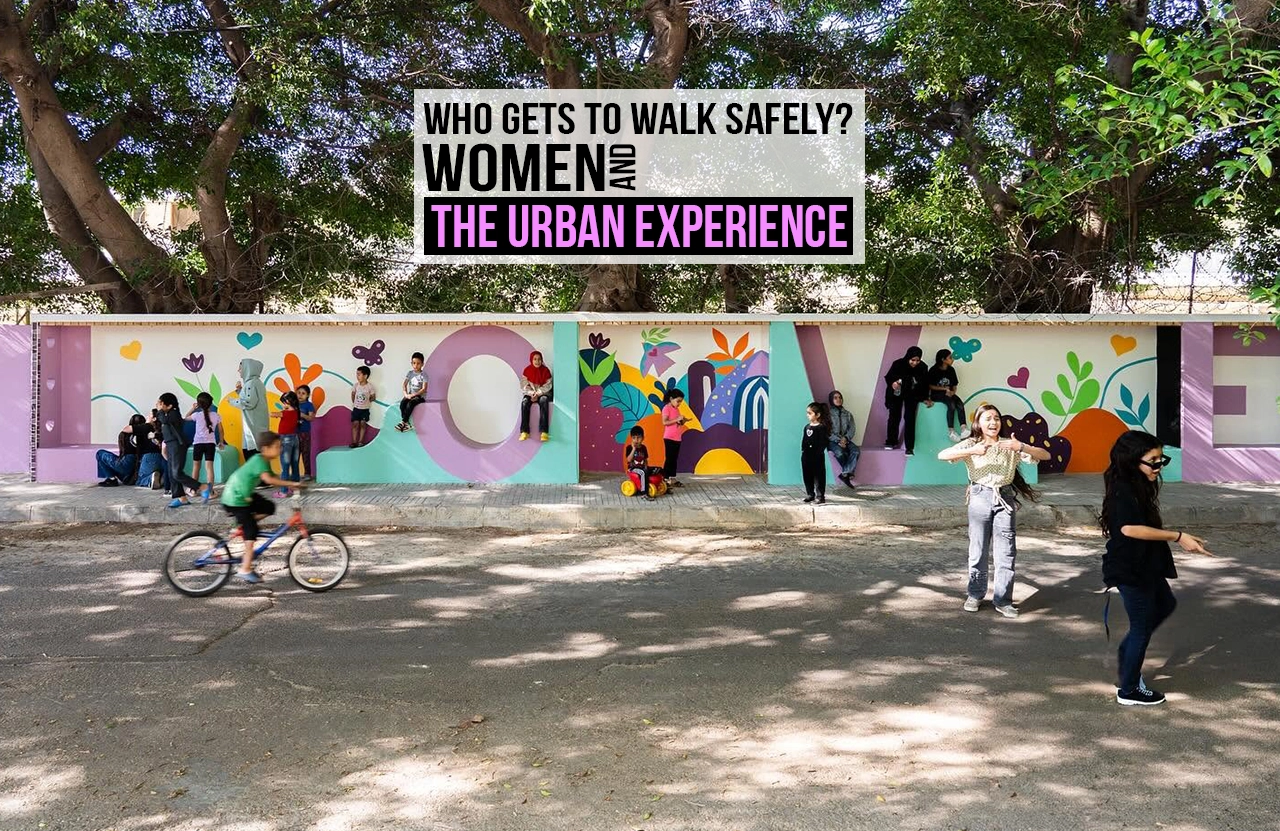
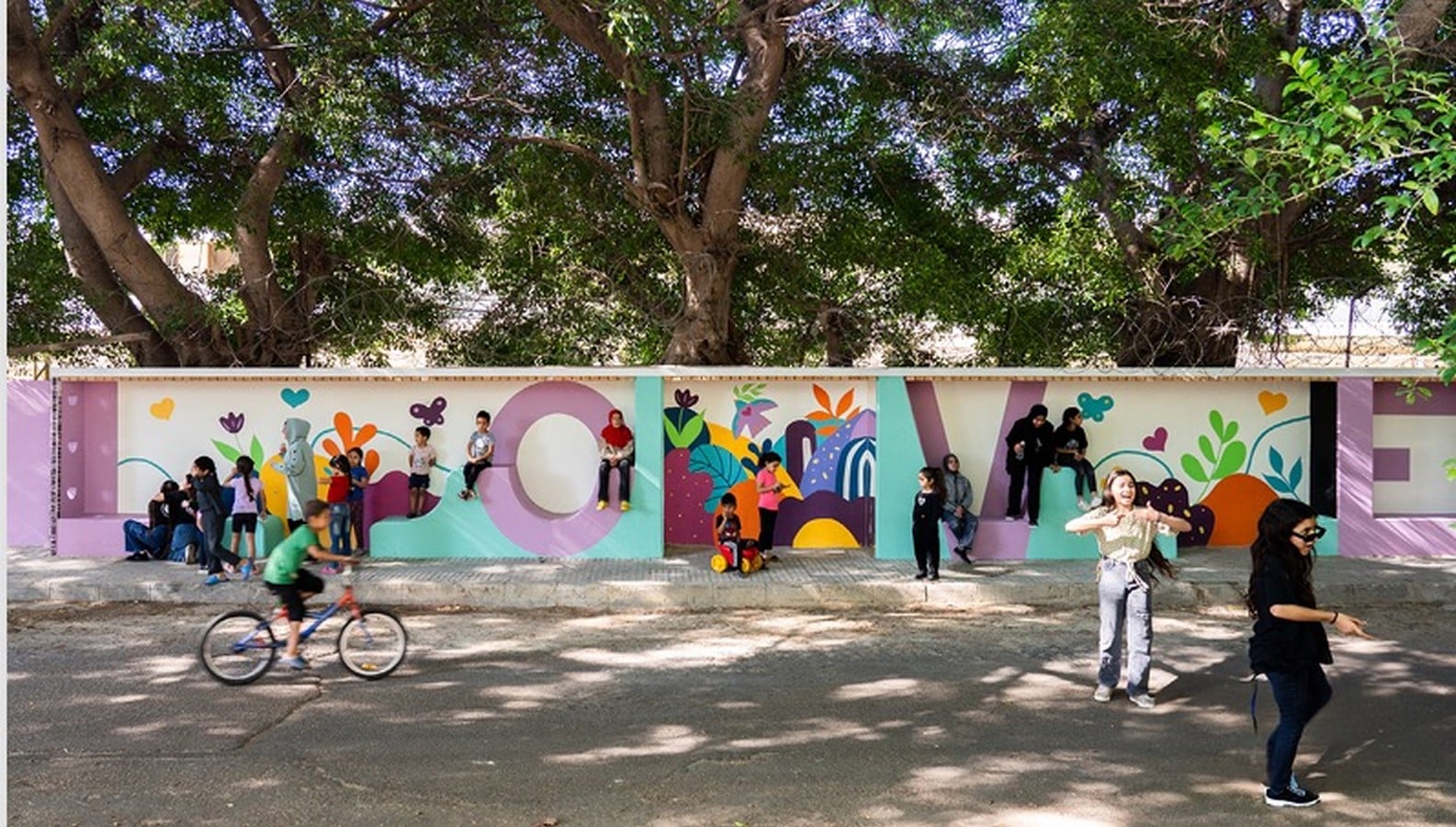
Furthermore, adolescent girls and young women had limited access to male-dominated public spaces and streets in their neighbourhoods, owing to respectability norms that restricted their activities in these areas. For this reason, several design solutions have been developed, such as an outdoor living room, which is a conveniently located street corner public spot where girls can gather. This place has a wide seating arrangement and a table on the sidewalk for meet-ups, and it is protected from the street by a privacy screen. A ‘L.O.V.E.’ wall on a sidewalk in a peaceful neighbourhood. The wall is shaded by trees and has several seating options, including a ‘photobooth’ and a painting.
Women’s Voices in Urban Planning
The participation of women in urban planning is a pivotal but frequently overlooked element. Architects and planners who do not experience the daily reality of walking home in the dark with a child in a stroller or carrying grocery bags objectively miss important details; they can’t feel woman and the urban experience. Incorporating women’s voices into public consultations on projects is a simple and inexpensive tool that has already proven its effectiveness in many countries.
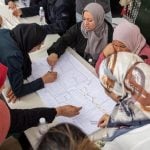
For women who experience the city through intersecting identities of gender, religion, migration status, and race, emotional mapping offers a powerful counter to technocratic and apparently “neutral” planning tools. It allows people to document how they navigate public places, transportation routes, neighbourhoods, and everyday infrastructures emotionally, frequently in ways that conventional planning data can’t capture. Approaches like exploratory walks, group mapping, and storytelling give room for voices that are generally ignored in formal involvement processes. It will be effective when emotions become evidence and lived experience becomes expertise. It switches the emphasis from extracting information to co-producing knowledge, and from asking women to “fit” into cities to exploring how cities may be built, designed, and controlled differently. Women and girls should have a say in the solutions.
Beyond the Sidewalk: Designing the Whole Journey
Designing for women at night starts with listening to how individuals interact with the urban environment. Making the city a safe place for women requires more than just individual gestures; it requires a community that is willing to listen, take action, and collaborate. Policymakers, individuals, and local organisations must work together to create an environment in which women feel respected and safe. Ultimately, Safety is more than just protection; it is a rallying cry for liberty. Working together can certainly benefit women and the urban experience.
References:
[email protected]. (2025, March 31). Women-friendly cities in Tunisia: Gender-inclusive urban planning. SDG Local Action -. https://sdglocalaction.org/women-friendly-cities/
Poston, O. (2026, September 9). The role of urban design in women’s safety: Lessons from four public spaces. ArchDaily. https://www.archdaily.com/1184374/the-role-of-urban-design-in-womens-safety-lessons-from-four-public-spaces
Vestre. (2026, April 29). Public belonging in the city through the experiences of young women. Vestre.Com. https://www.vestre.com/articles/design/understanding-public-belonging-through-young-womens-lived-experiences
Women-friendly cities: Gender-inclusive urban planning in Tunisia | cities alliance. (2025). Cities Alliance. https://www.citiesalliance.org/newsroom/news/cities-alliance-news/women-friendly-cities-gender-inclusive-urban-planning-tunisia
Women’s safety in the urban environment: An analysis of infrastructure solutions and international experience. (2026). Inconsult.Uz. https://inconsult.uz/articles/view/womens-safety-in-the-urban-environment-an-analysis-of-infrastructure-solutions-and-international-experience