The commonly used phrase is ‘men see paths, women scan for danger’. This phrase says a lot about women and the urban experience, which is shaped by different perceptions of…
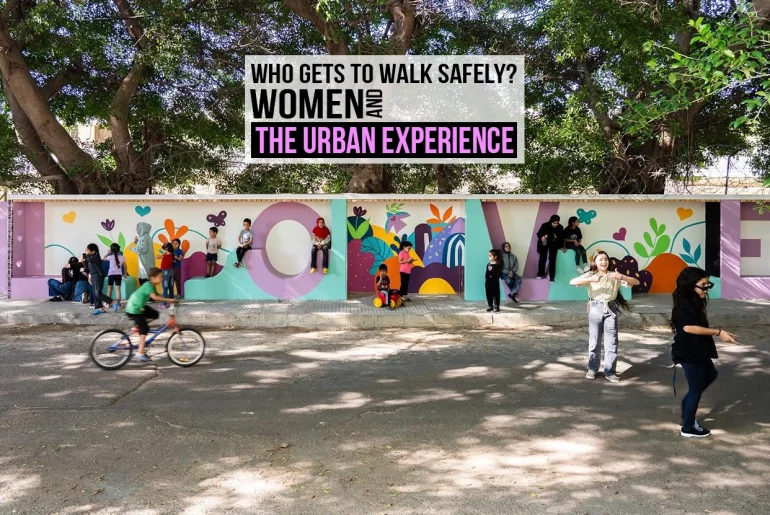


The commonly used phrase is ‘men see paths, women scan for danger’. This phrase says a lot about women and the urban experience, which is shaped by different perceptions of…
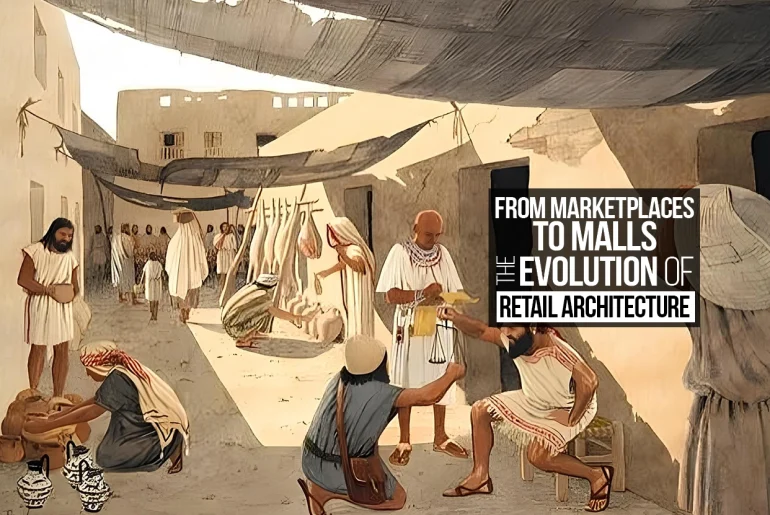
The exchange of goods between people is certainly not novel in today’s world, where it has been a form of social interaction from the primitive era to the present. Yet…
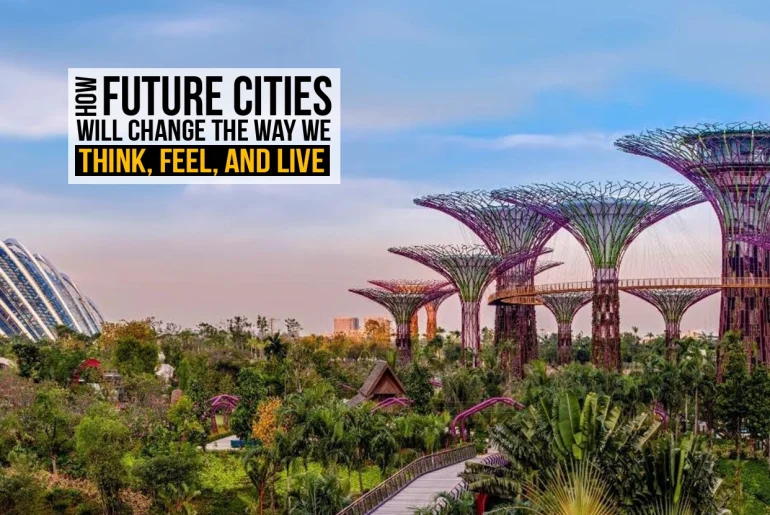
Future Cities are often imagined through autonomous vehicles, intelligent buildings and glowing digital networks, but the most important transformation may be less visible. The cities of the coming decades could…
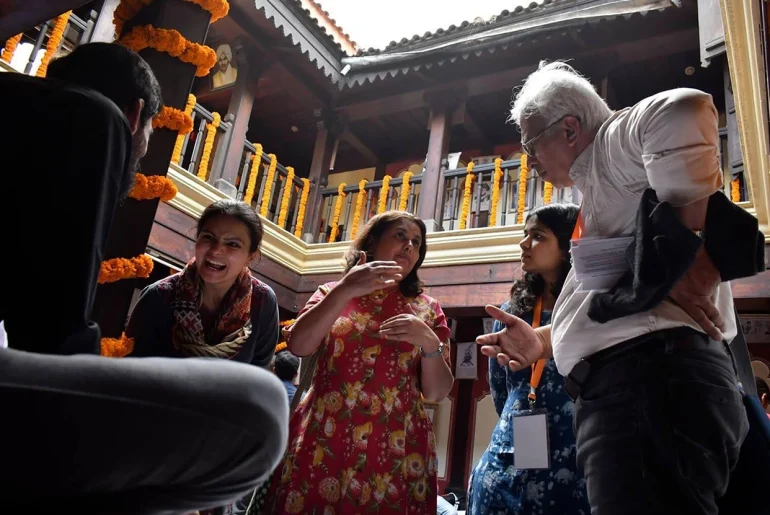
When we think about public spaces, we typically imagine parks, plazas, streets, playgrounds, or other spaces that are intentionally designed for people to gather. But through the presentation, Placemaking as…
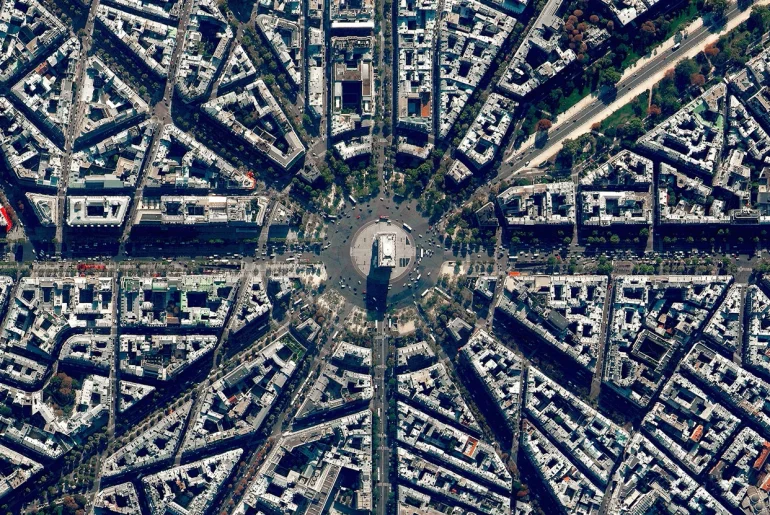
Architecture is often perceived, analysed, and commemorated for its scale. We explore and learn it as a singular output through plans, sections, elevations, materials, and details. Buildings, however, do not…
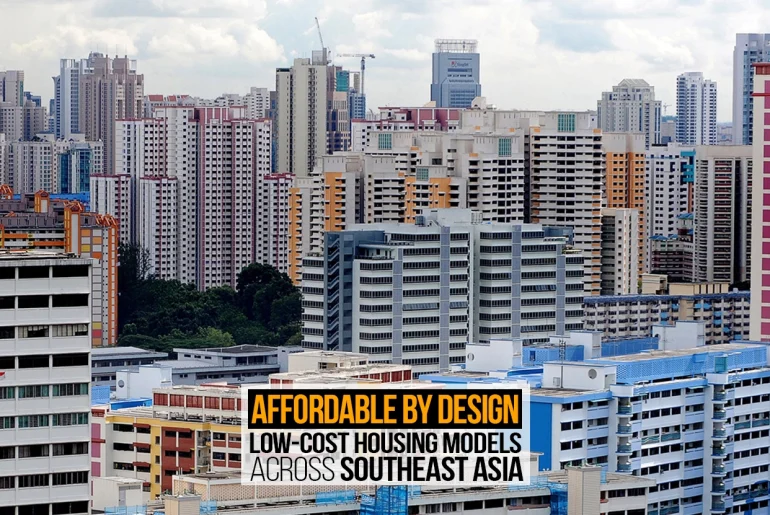
One of the most crucial human needs is a house to dwell in, with a roof on top and walls to enclose a family for proper living. Yet it’s expensive.…
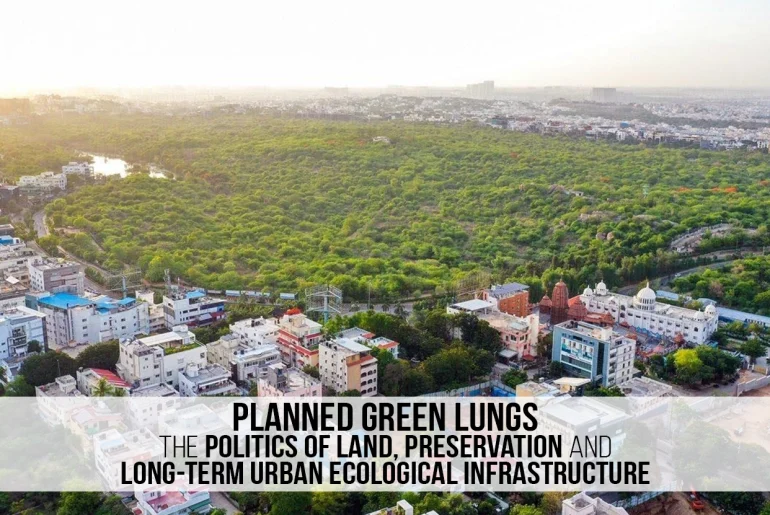
Urban green infrastructure is often framed as a design and planning issue: cities need more parks, trees, wetlands, green corridors, and open spaces to address environmental issues related to global…
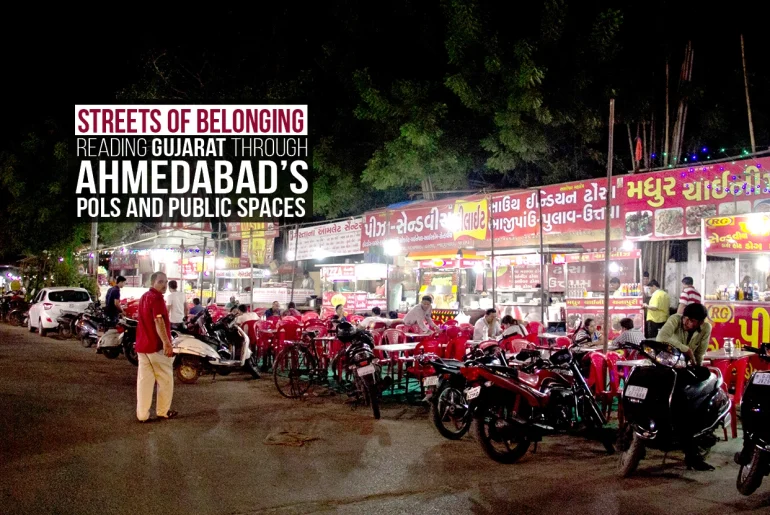
Ahmedabad is India’s first city to have been designated as a UNESCO World Heritage City in the year 2017. One reason for this is its small neighborhoods, known as pols,…

Every year, summer arrives in India like a slow-burning fire. As the sun grows fierce and the air seems to stand still, stepping outside feels impossible. Yet, beneath this relentless…

Human’s City What makes a city? High population density, advanced infrastructure, formal administration, and economic vibrancy. When you think of a city, the first thoughts that might occur are tall…

At 8:30 on a Monday morning, a city appears to be doing what it has always done. Cars move through intersections, trains arrive beneath crowded platforms, cafes open their doors…
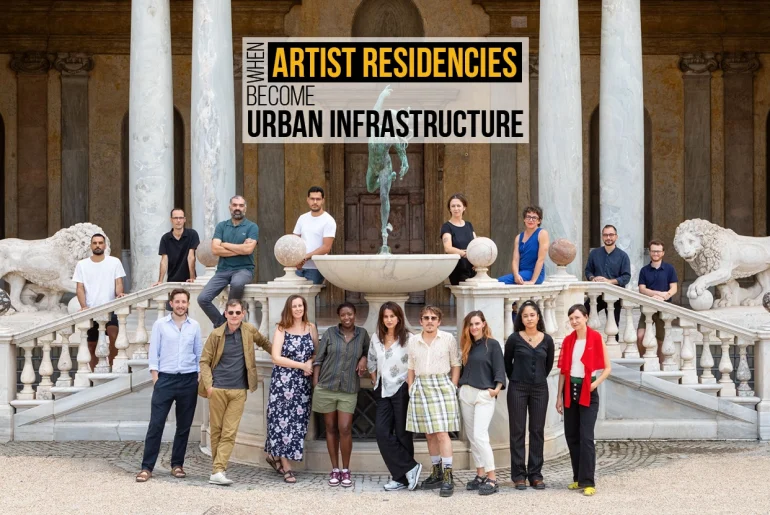
Cities are often organised around movement, productivity and constant activity, leaving little room for the slower processes of observing, experimenting and simply staying with an idea. And yet, these slower…