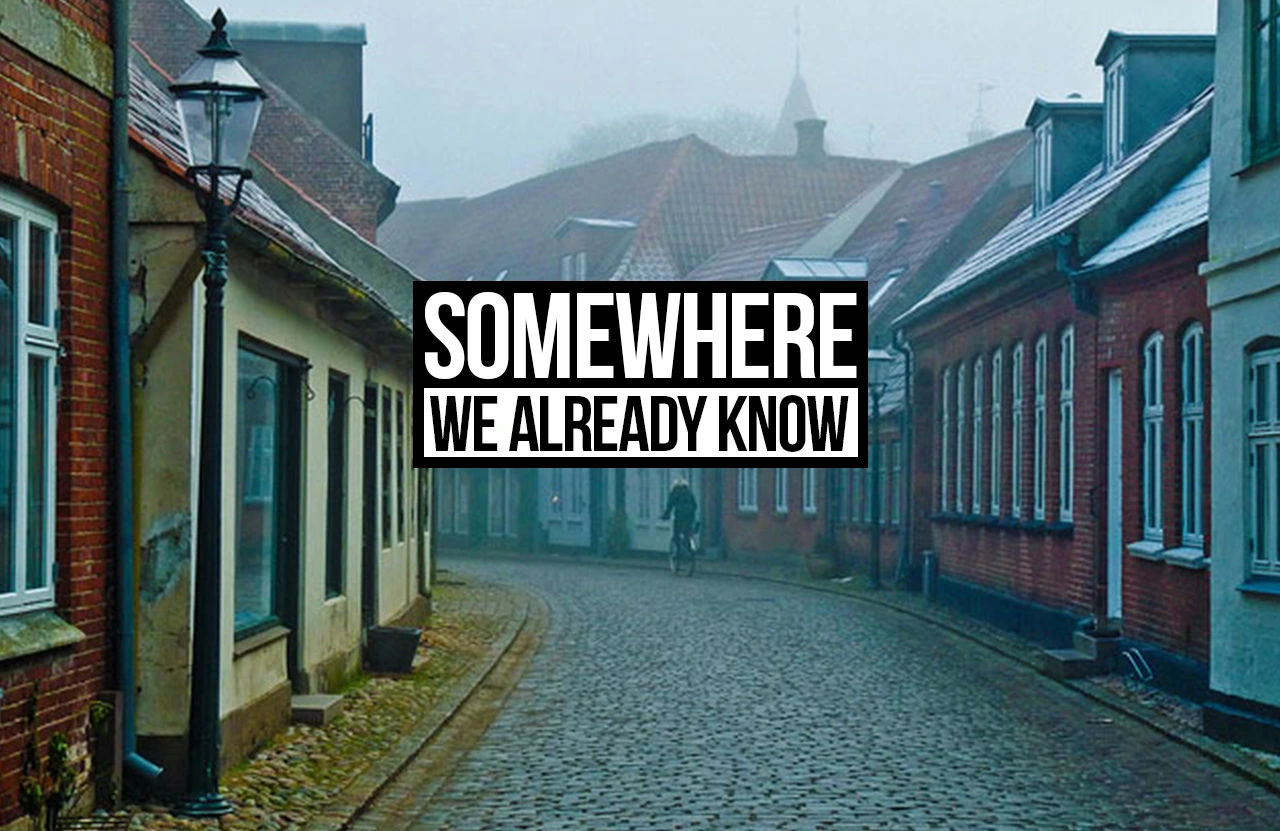
There is a kind of homesickness you can’t explain, and you feel it even for cities you’ve never known. It can suddenly hit you at awkward moments, like when you’re watching an old movie late at night or on a grey afternoon, and it hits you with an uneasy stab, as if something had been lost. What is odd is how much we seem to know. There’s a narrow street that veers slightly uphill, the upper door shutters, a green that has faded to grey, a bicycle leaning against a wall, and a café with two chairs outside, one of which is pulled back as though someone has just left. Anyone could describe such a place in great detail even if they had never been there and could not explain where such knowledge came from – a photograph, a film, a picture on a friend’s fridge – all merge into one until it seems like a memory.
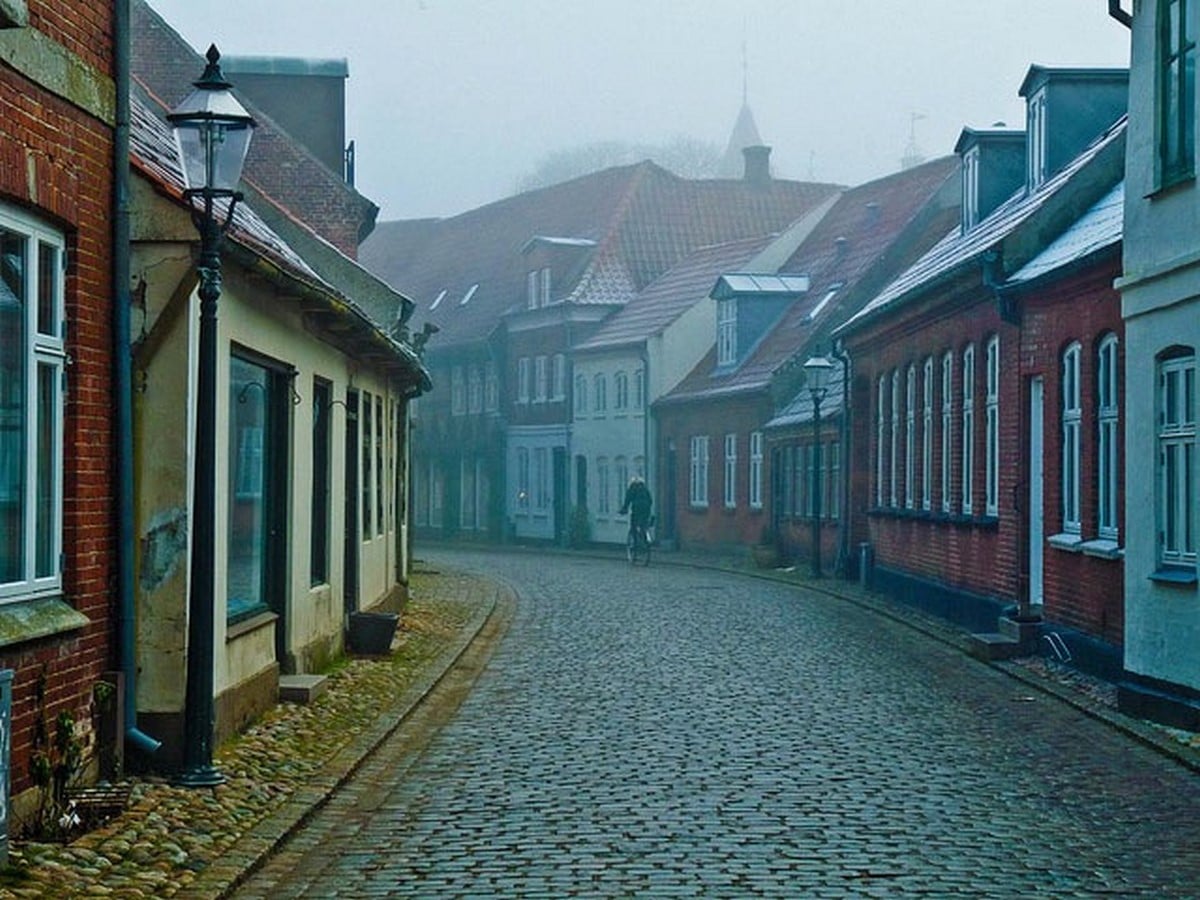
The feeling is somehow uniquely specific; it’s not just the wishing to go there, it’s more like being completely conscious of how the sunshine might hit a specific wall at four or what the scent in the air would be like after a summer rain. Though more often the scent is one from a totally different location, say a town that you’ve been to years ago and haven’t thought of much since. We know this too, but it makes no real difference. The feeling persists.
The City That We Imagine
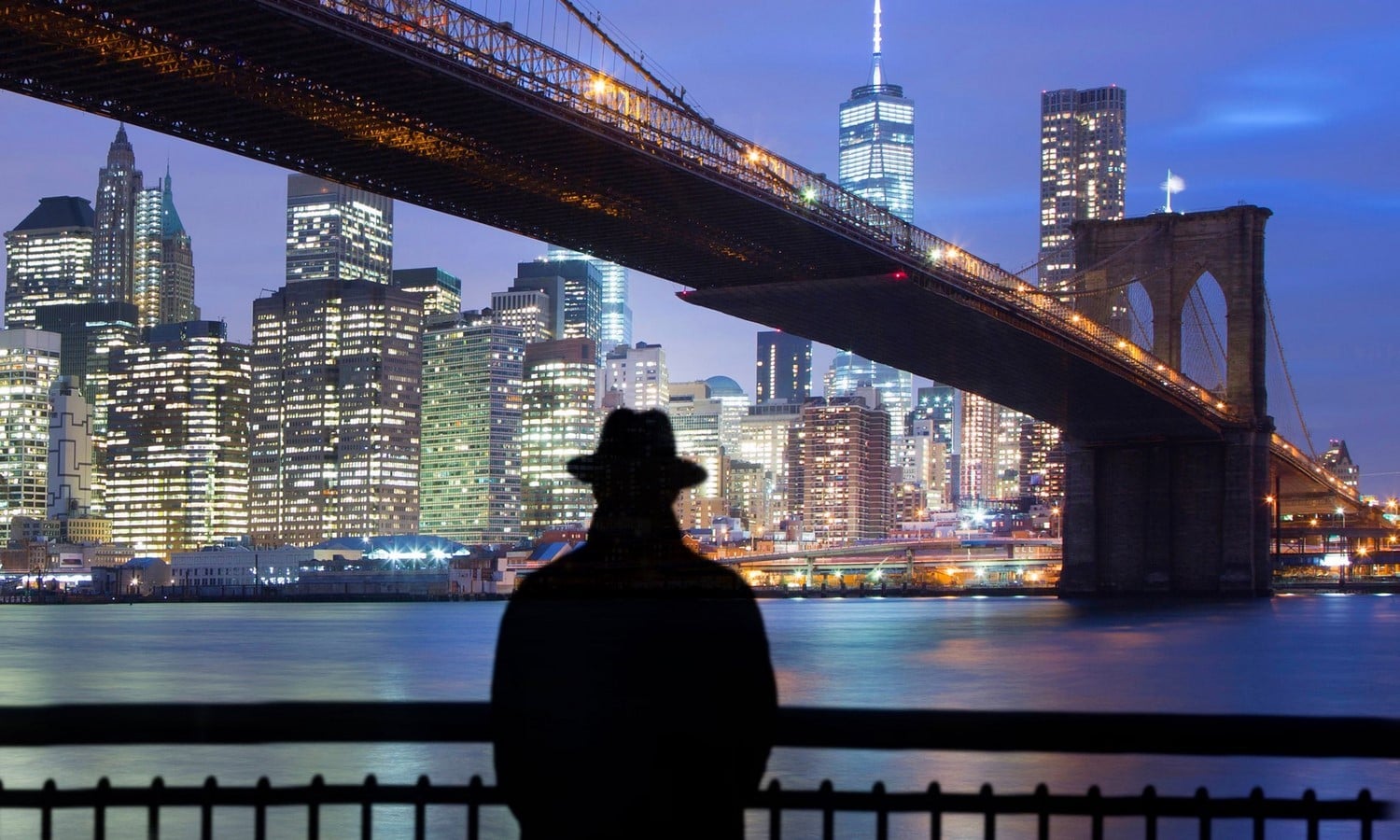
Most of what we know about a city on the far side of the planet will be second-hand. The cousin of a friend mentioned the trams he had travelled in for a year. A novel had a crime in a stairwell. Someone takes a photo from a bridge at the gloaming.
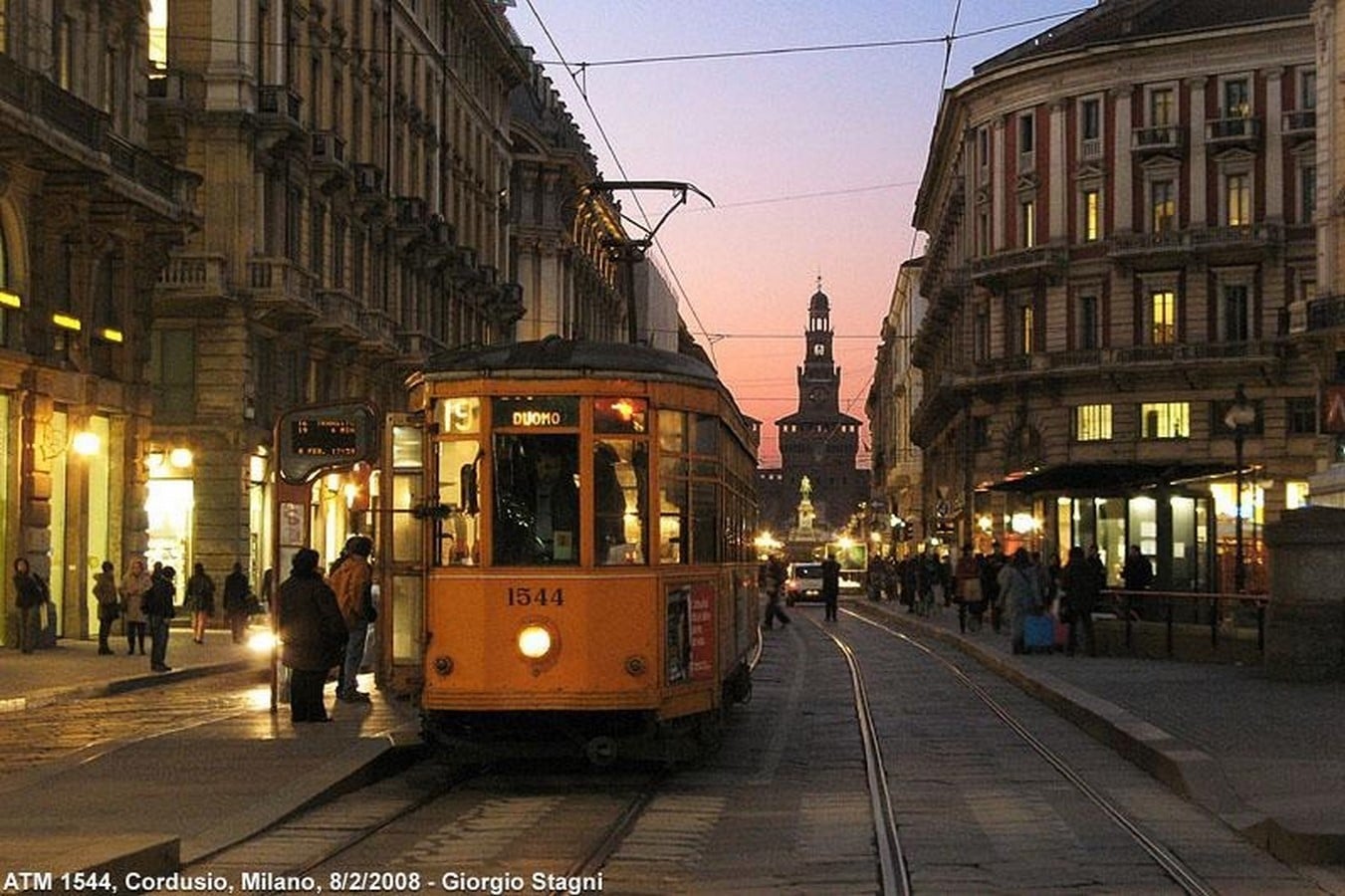
Then someone else takes a photo from the same bridge at the gloaming. Soon, we think, all that the bridge is is just the gloaming. But no one takes a photo of the bus stop in February. And yet we build a city out of these pieces, and it can become quite rich in detail. We decide whether we want to live in the south or in the north, and we imagine the bakery, sometimes even imagining the baker’s personality. It’s not real, but it can seem more like home than any place we’ve ever visited. Or perhaps that is because we did the work ourselves. When the sources ran out, we filled the gaps as best we could with whatever was in the house: a grandmother’s kitchen window, a school corridor, and a neighbour’s radio broadcast through the wall when we were children. The city we’ve imagined is, in fact, partly of our own devising, but someone else’s architecture, too. And that’s why it seems familiar; we’ve been decorating it for years. It may be rather harsh to the real city, its population, its problems and with no idea that we are present there.
Becoming in love with a place
Maybe it would be nicer to admit a little more honesty here. Now imagine that you go walking home through that city; who exactly is doing the walking? It isn’t really you, is it? It’s somebody who is more relaxed than you, more than anything, who never feels compelled to have a quick glance at their phone, who lives in a tiny flat, who has a luscious houseplant, and who eats real food during the week.
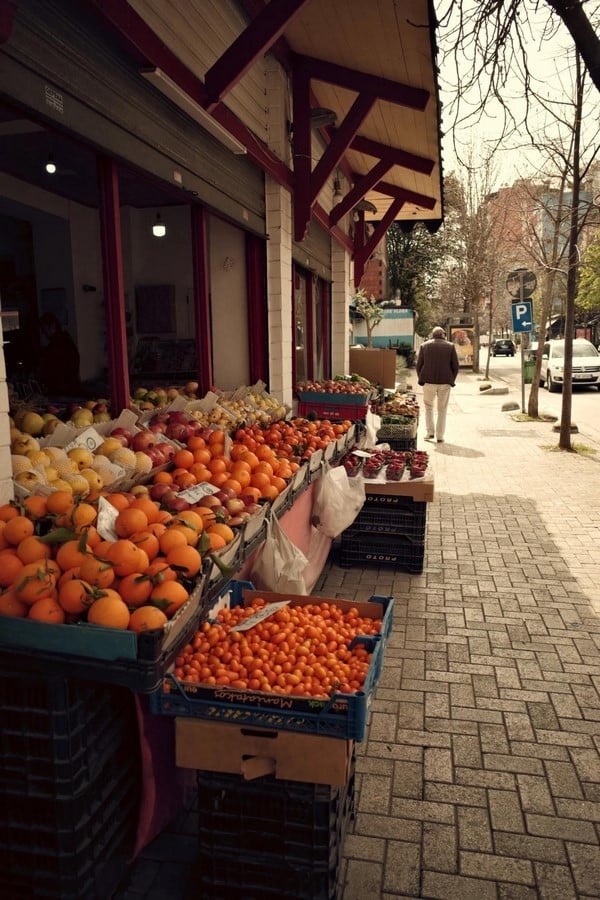
Knows the name of the man who runs the fruit stall; the favour is duly given and received. Nothing extraordinary happens to them, and it’s this that you notice. They’re just a bit settled, in the way you can’t be. Maybe we don’t even want the city after all, but only to be the sort of person who would have a city, and this is the most accessible one. For some folk it’s freedom, for others quiet or romance, and maybe even the possibility of a clean sheet, a fresh start somewhere where nobody knew what they were like at sixteen. The same placid figure could get themselves into any numberof other places, but this one has the shutters and the trams, so it is here that they are.
That explanation, however, falls a little short. If it was just about us, then any city would have been enough, but it wasn’t. This city, or this version of it that we’ve conjured up, is just a little bit off. It’s just something about this city – my city, in particular – something about it has just got this desire of a place and the desire of a change, just a little back-and-forth feeling to it.
It seems that what we miss is least when we are weary or even somewhat lonely but gets sharper when we are bored. Perhaps this is a significant fact, though it would be wise not to explore it too deeply.
When We Finally Reach Our Destination
If we ever get there, the first hour in the city is probably going to be weird. The station is going to be bigger or uglier or, conversely, smaller and more lovely than we thought. It’s going to be too hot or too cold, or rain will be falling in the wrong direction, and there will be a section of stark concrete floor that no one had thought of because no one takes photos of that bit. We’ll be walking with a bag, frowning into our phone to find where we’re going, instead of striding round the place like the person in our head.
Failure is possible. The bakery, at the very least, will not be exactly where we have left it. It might not be there at all, or it might be one of those chain bakeries with a sign that we never would have chosen. There is sometimes a moment, maybe when we get onto the side street we hadn’t planned to, when things start clicking. A door, a patch of wall, the way the late afternoon light hits a balcony. Something clicks in the head, and you can’t tell whether it’s the place or your own imagining of it. It may be the same, or it may be neither. That’s okay to not know. You don’t have to have lived in a city to call it home. Maybe all we need is for a light to have been left on in a room we don’t sleep or study in very often.
References:
- Bachelard, G. (1994). The Poetics of Space. Beacon Press. (Originally published 1958.) [Accessed: 30 September 2026].
- Boym, S. (2001). The Future of Nostalgia. Basic Books. [Accessed: 30 September 2026].
- Calvino, I. (1974). Invisible Cities. Harcourt Brace Jovanovich. (Originally published 1972.) [Accessed: 30 September 2026].