The shape of a building is not simply a form that appears in an architect’s mind. It is shaped by legal standards and frameworks that guide the first steps of building. Today, radical innovations are emerging both inside and outside the drafting table. In public administration, procurement legislation and economic modelling, individuals are shaping cities through texts.

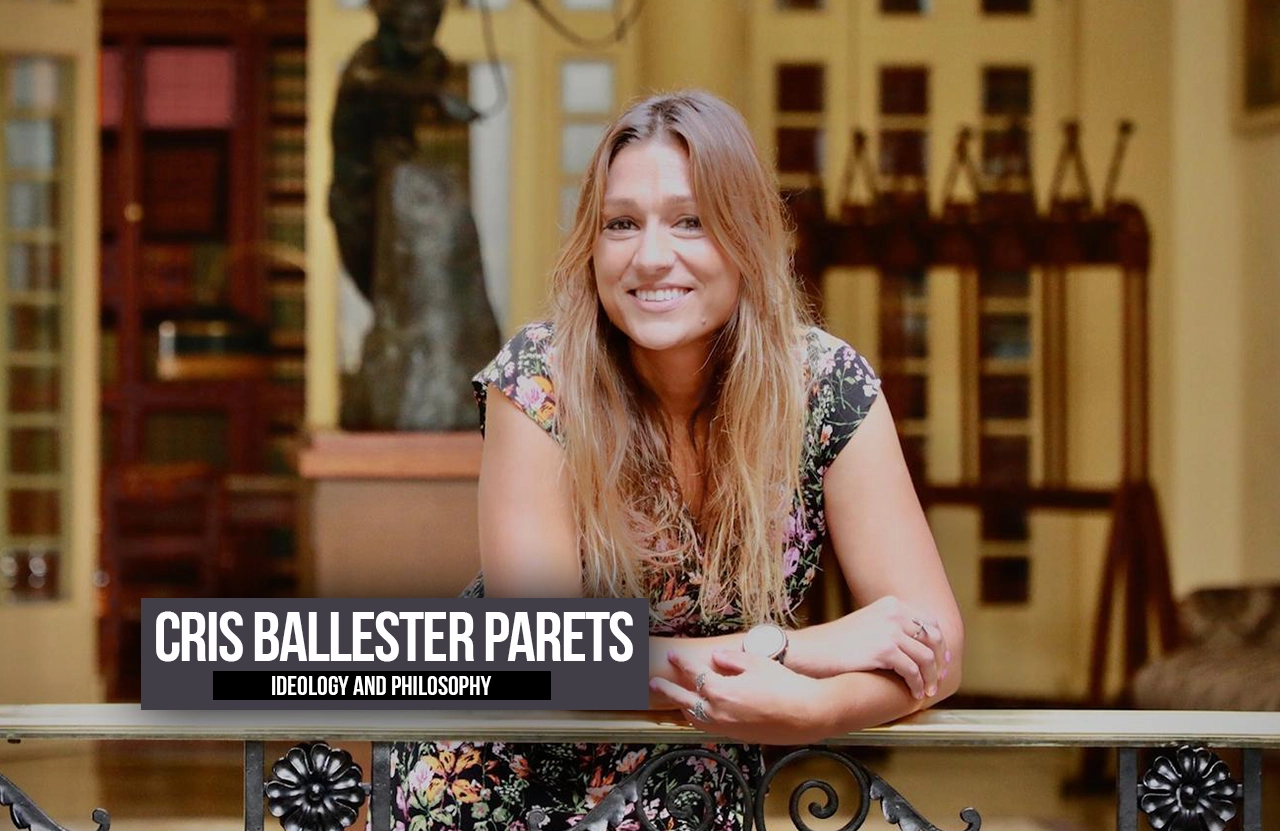
Cris Ballester Parets is one such individual. A recipient of the prestigious Royal Academy of Arts Architecture Prize and former director of the Balearic Social Housing Institute (IBAVI), Ballester Parets has transformed the field of architecture by playing the bureaucratic game. She is an economist and strategic consultant. She was Managing Director of the Balearic Social Housing Institute (IBAVI) from 2019 until May 2022, and later served as Director General for Housing and Architecture for the Govern de les Illes Balears, a role that also entailed serving as Vice-President of IBAVI.
“Hacking from Within”
Cris Ballester Parets and architect Carles Oliver Barceló’s The Balearic Social Housing Model is a methodology for commissioning and constructing public social housing. The model brings about innovation at the public body level, calling it “Hacking from Within.” Using bureaucracy, policy and procurement as creative design tools, the discourse was recognised by the 2026 OBEL Award. Where traditional architecture views public clients, legal frameworks, and procedures as constraints, Ballester Parets flips this dynamic, treating public administration as a design platform instead.
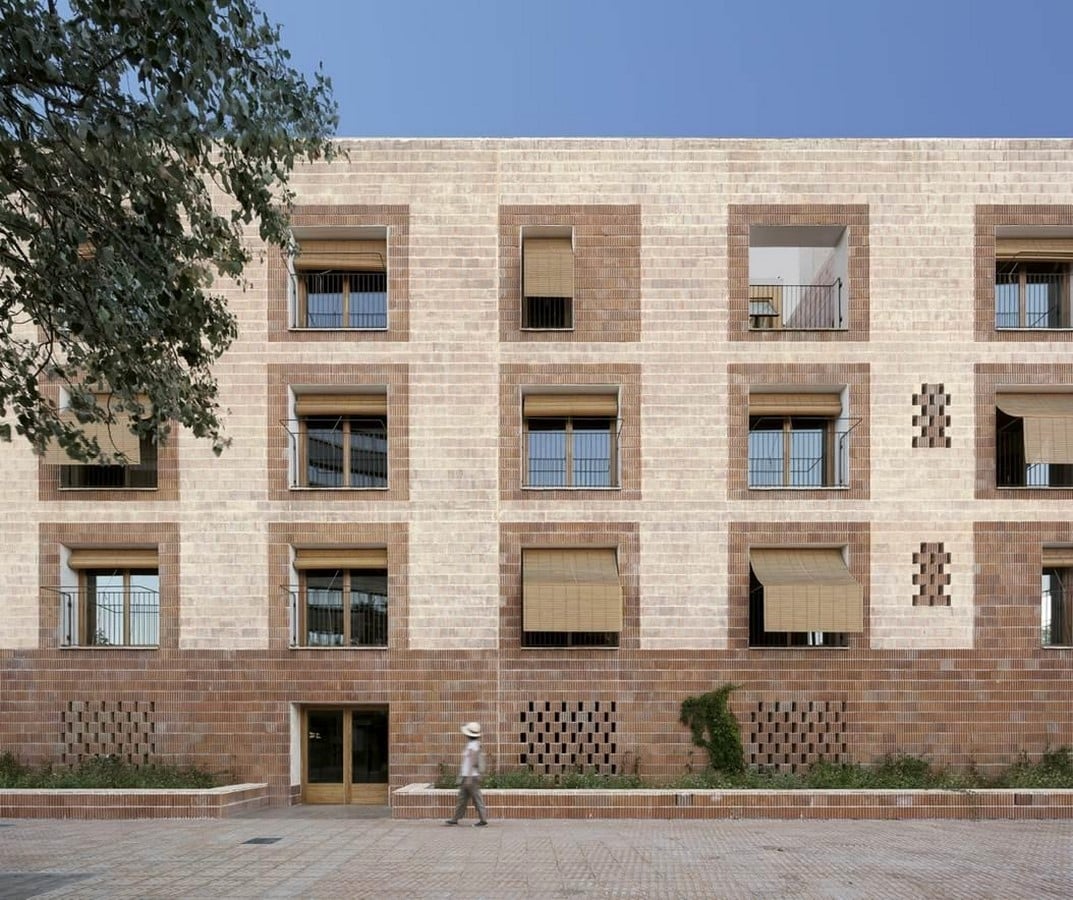
Ballester Parets puts this methodology into practice while managing the Balearic Social Housing Institute (IBAVI). She redesigned public competitions, tenders and material sourcing operations. By “hacking” the public-client maps, she made it legal to purchase non-standard and low-carbon materials like sandstone, raw earth, etc. and to hire independent design studios under the progressive climate-responsive criteria.
“Systems and Ecosystems”
The Royal Academy of Arts awarded her the 2024 Architecture Prize. During evaluation, the jury emphasised that her achievement was not a single building, but creating a unique research and production ecosystem. She viewed a building not as an isolated object, but rather a physical culmination of economic, environmental, legal and social processes. She brought together architects, local craftsmen, quarry operators, foresters, policy makers and residents as stakeholders, focusing on designing the operational model of the built architecture as well. Ballester Parets insists that to change the building, one must first cultivate the ecosystem that feeds it.
Bioregionalism, Material Sovereignty and De-growth
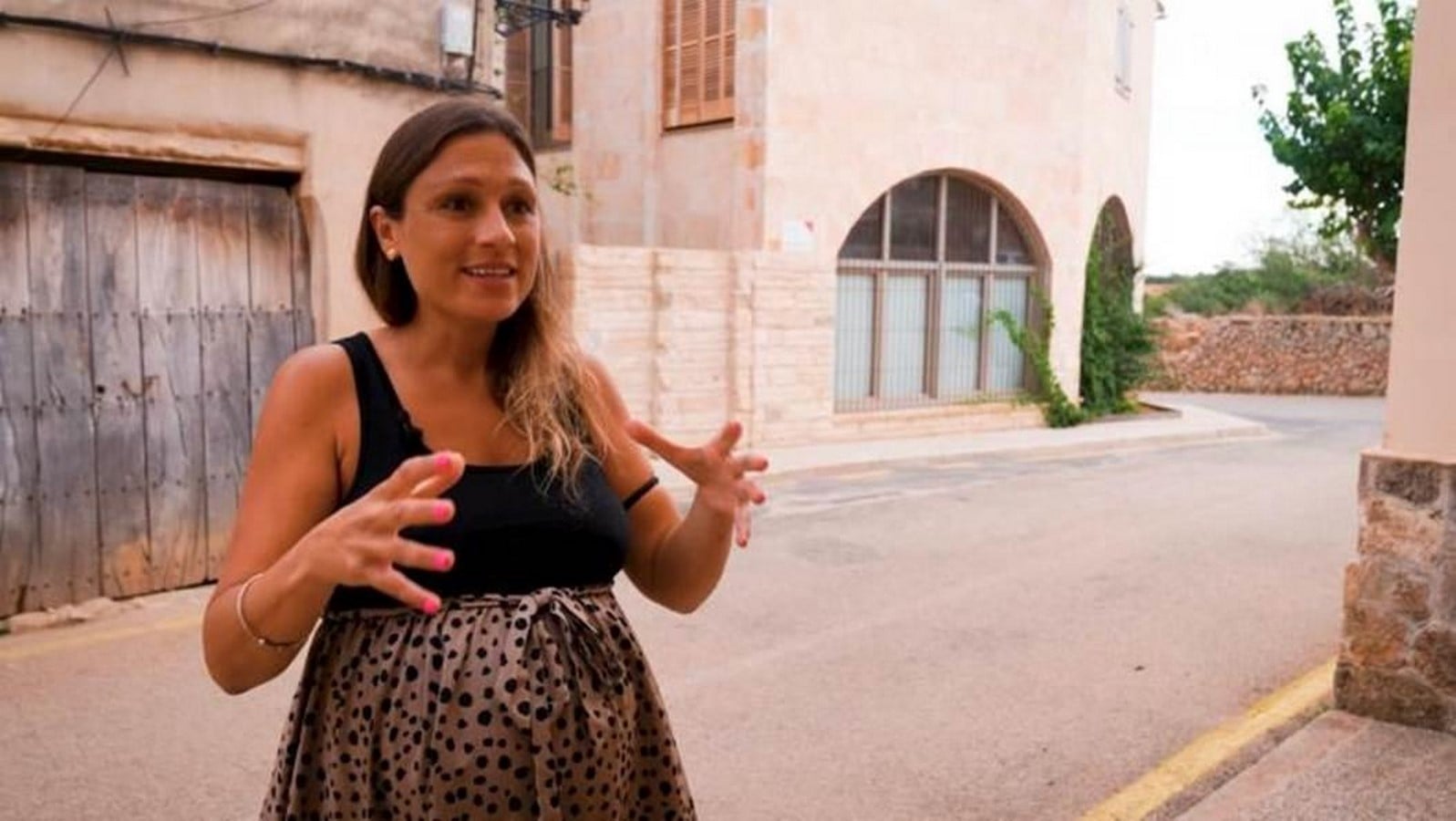
Work done by Ballester Parets in the Balearic Islands stands as one of the real-world applications of bioregionalism in public infrastructure. Her framework was defined by local ecosystems rather than public infrastructure. She advocates against the reliance on high-tech sustainable products that often carry large embodied energy values occurring due to transportation and supply chain operations. Instead, Ballester Parets turn to local, carbon-neutral and upcycled materials.
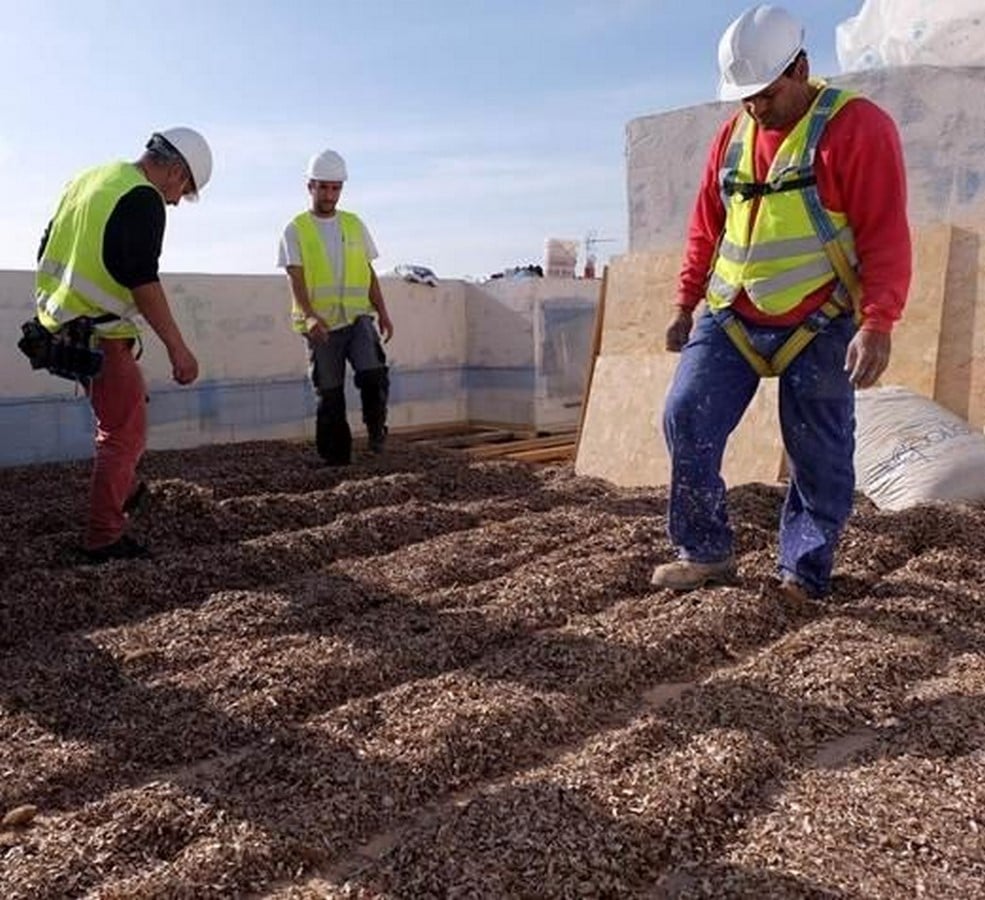
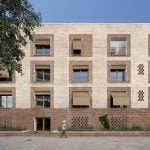
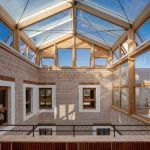
She championed the use of marés (local sandstone), unfired clay bricks, raw earth, local timber and dead sea grass called Posidonia oceanica (as dried roof insulation) that are intrinsic to the Balearic context in social housing developments. This economic strategy suggests sourcing materials within a strict geographical radius of the site, therefore drastically reducing embodied carbon and redistributing public funds to local craft industries and regional manufacturing directly.
Economic Accounting

An economist in practice, Ballester Parets brings sharp critique to accounting in the public sector. She highlights the fiscal shortsightedness of traditional housing developments, where success is measured exclusively by lowering the upfront construction costs. She believes that cheap construction is an illusion. When government builds low-quality housing with poor insulation and high operational energy needs, it creates additional economic burdens like elevated healthcare costs from cold-related illnesses, high utility bills for impoverished tenants and long-term maintenance. According to her, these indirect costs can cause a failure of public governance. Economic responsibility requires accounting for the full lifecycle cost of a building.
Passive Resilience
At the core of Ballester Parets’ ideology is a deeply humanitarian value. Housing to her is a fundamental human right, not an amenity to be determined based on affordability. For a city’s well-being, giving low-income families a home that requires heavy air conditioning or heating dependencies simply transfers cost from rent to utility bills. This is how architecture traps its users in energy poverty.
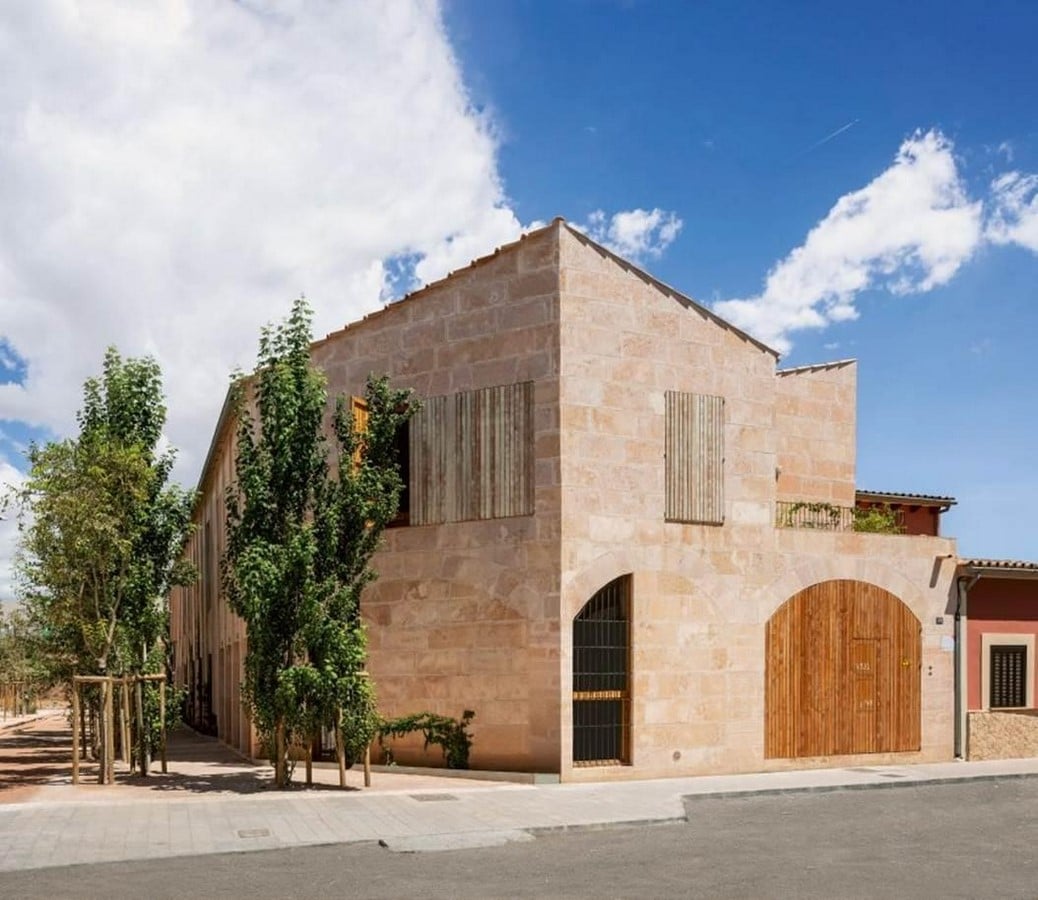
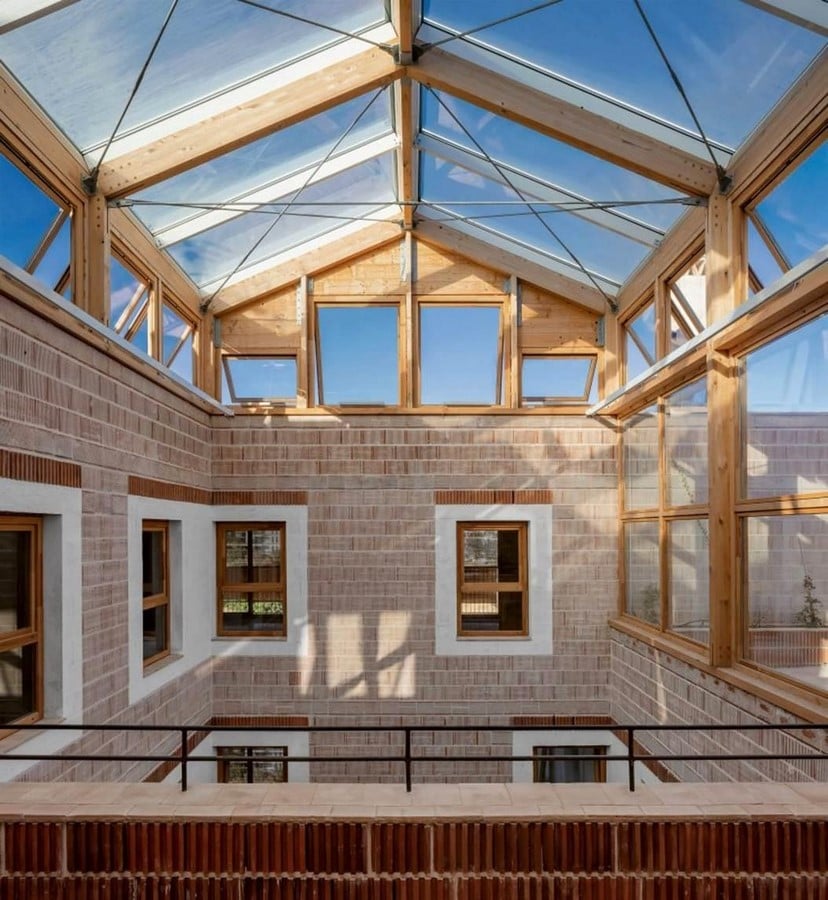
Housing developments executed under Ballester Parets’ vision prioritise low-tech passive design strategies. Utilising thick sandstones, cross-ventilation, and natural shading, these buildings maintain indoor comfort through the hot summers and cool winters of the Mediterranean. By solving the dependencies on mechanical systems, architecture guarantees long term indoor comfort without the burden of affordability.
Public Sector Absorbing Risks
The most challenging aspect of Ballester Parets’ values is reframing risk in the public sector. Market forces that thrive on short term returns are hesitant to adopt radical ecological building methods or unproven material supply chains. Private developers tend to err on the side of caution and choose default global choices of materials and standard construction practices. Ballester Parets argues that the duty of public institutions is to absorb the initial risks of social and environmental innovation. If the state does not begin the transition towards low-carbon construction, the private markets simply never will. Using public housing as a testing ground, she demonstrated that public client leadership can de-risk progressive practices for the wider industry and set new standards for the entire industry.
From Within
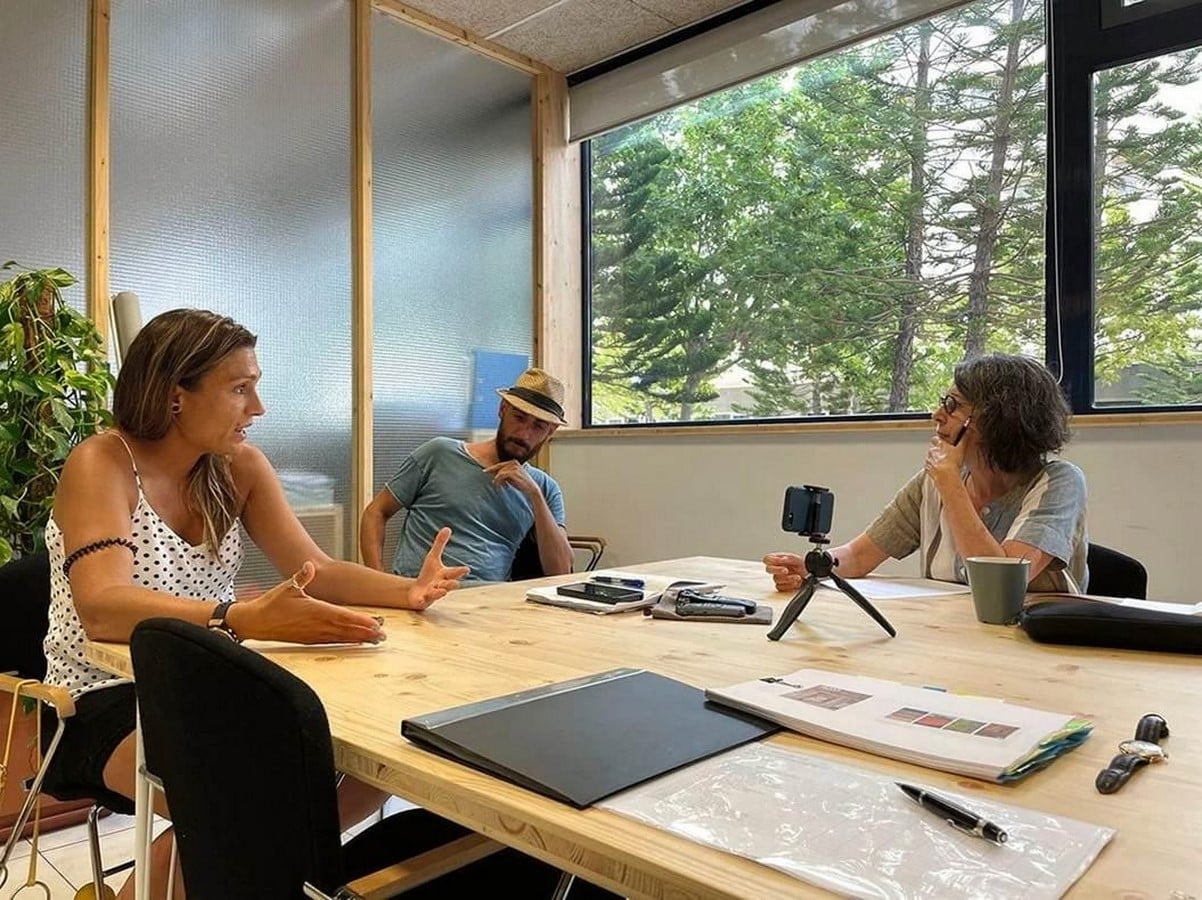
Cris Ballester Parets’ significance in the field of architecture redefines the practice of spatial design. Although not an architect by profession, collaboration with different stakeholders has enabled the economist to transform the role the built environment plays in the system called society. With visionary leadership within legal, financial and political systems, Ballester Parets shows that public architecture can set the first step towards beautiful, zero-carbon, locally grounded and human-centred cities. Cris Ballester Parets’ legacy serves as an invitation to build the world anew- from the inside out.
Citations:
Royal Academy of Arts (n.d.) Cris Ballester Parets. Available at: https://www.royalacademy.org.uk/page/cris-ballester-parets (Accessed: 12 September 2026).
Future Observatory (n.d.) Cris Ballester Parets. Available at: https://futureobservatory.org/research/network/cris-ballester (Accessed: 12 September 2026).
Bose, S. (2026) ‘Hacking from Within: rethinking public clients with the Balearic Social Housing Model’, KoozArch, 8 September. Available at: https://www.koozarch.com/interviews/hacking-from-within-rethinking-public-clients-with-the-balearic-social-housing-model (Accessed: 12 September 2026).
METALOCUS (n.d.) Ballester Parets. Available at: https://www.metalocus.es/en/author/ballester-parets (Accessed: 12 September 2026).
Charles, S. (2024) ‘Four projects by RA Architecture Prize winner Cris Ballester Parets’, Dezeen, 11 October. Available at: https://www.dezeen.com/2024/10/11/projects-ra-architecture-prize-winner-cris-ballester-parets/ (Accessed: 12 September 2026).