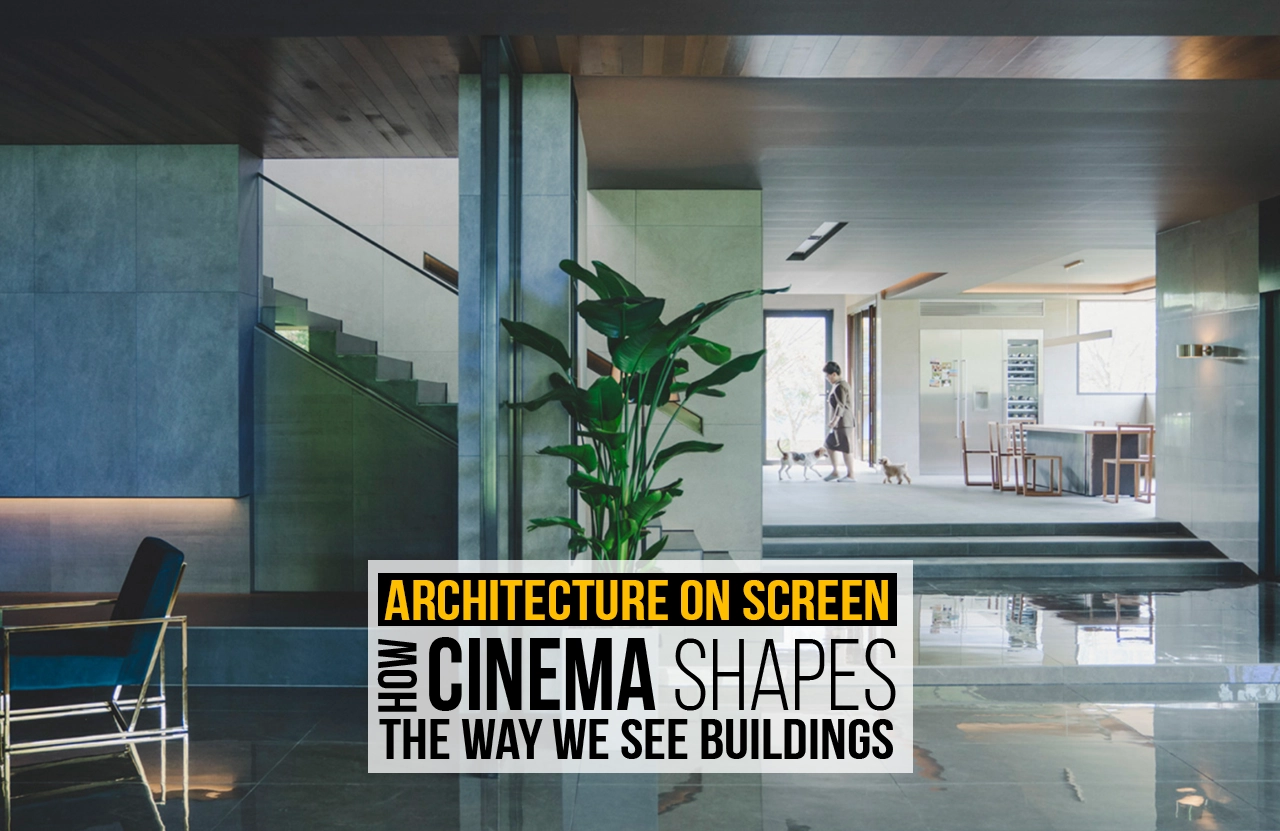
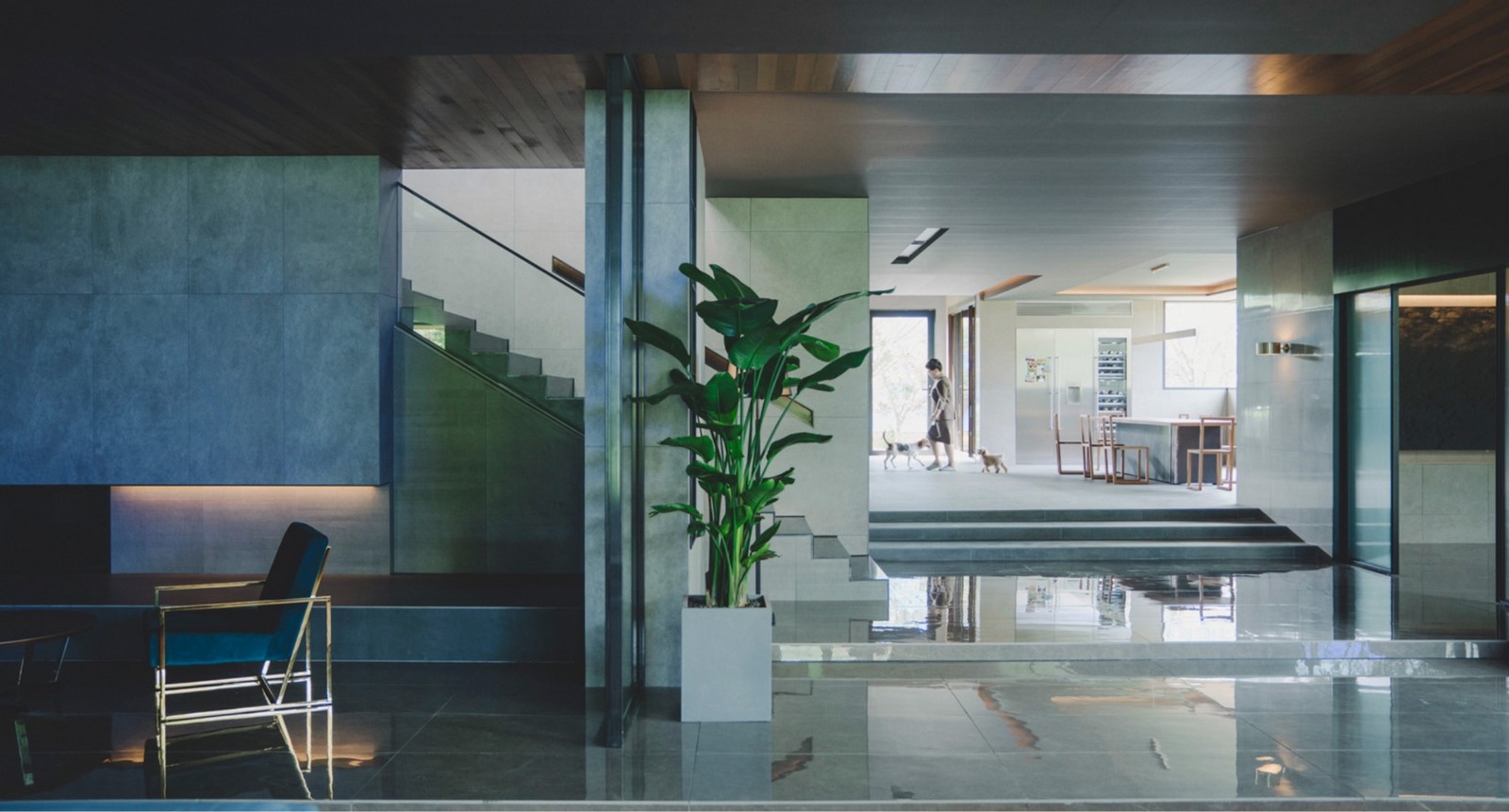
The role of architecture in films and television shows often goes unnoticed. The architecture dictates the narrative of many movies and series. One can easily guess the character’s mood or the place’s social position based on the surrounding structures, and it is believed that the architectural structures narrate the story of the character’s psychology. For example, a small and gloomy house will show that someone is depressed or imprisoned, while large interior spaces will indicate the opposite. Various aspects of architecture, such as atriums, corridors, and windows, can be used to provoke a sense of danger or reflect the character’s internal emotional state.
On the other hand, architecture can also be used to signify the protagonist’s social status. By changing the location and architecture, the director can show whether the characters are poor or rich. Moreover, the architecture can demonstrate how some characters behave worse than others due to the differences in their social statuses. The changes in architectural structures can also reflect some aspects of the characters’ lifestyles, such as poverty or wealth. The architectural structures in various media can represent more than a single story. While a single building can dictate the mood and the characters’ emotions, a cityscape can set the tone and genre of a movie or a series. Regardless of whether the city is large or small, it will affect the story and the characters in terms of their setting and the way they perform. According to Guillermo del Toro, sets and their architecture should be thought of as characters themselves. The filmmaker should imagine that the architecture has feelings and thoughts to make the narrative in a building more engaging and narrative-enabling than if they simply designed the material world.
The Cinematic Image of Cities and Buildings
Photography, advertising, and film create certain architectural images by choosing the best way to frame, light, and edit an object so that viewers can see and experience it in a particular way. The camera never lies, as multiple viewpoints and the selected height, angle, and distance from the subject alter the image, making buildings appear more accessible, welcoming, mysterious, and even more personalised. The low angle highlights structures and makes them look important, while a bird’s-eye view makes them look fragile, and the slight deviation from the vertical or horizontal axis creates the effect of a real event.
Moreover, the lighting is also essential, as it sets the mood, defines the architectural image, and highlights the relevant parts of a building or house. Lighting of the chosen architectural masterpieces can be golden hour, overcast day, or any other type, but the time of day determines the types of shots and their exposure. The final set of photos is then edited to create the desired effect by enhancing some details, removing others, and adjusting the overall look of a building, changing its perceived meaning and role. Therefore, it becomes evident that in advertising, cities are not only the backdrop but also the real stars that are meticulously crafted to look like in a movie.
Finally, the editing process and the selection of the most appropriate shots for an ad campaign complete the image, changing and defining its meaning, making buildings look impressive, isolated, claustrophobic, and extreme. The shot composition helps guide the viewer through the space and time so that a wide-angle view is suitable for showcasing an entire area, while narrow framing with an unusual perspective is suitable for creating an effect of complete immersion. Moreover, if the camera looks down at an angle, it will create a sense of uneasiness, while a bird’s-eye view shows the borders and the context within which structures are present.
From Screen to Reality: How media Shapes Architectural Perception
Repeated media exposure of buildings, structures, and cities transforms and redefines public expectations, trends, and tourist industries, provoking emotional reactions and creating associations that may have little or nothing to do with the real world. Hollywood cinema and movie-making in general have taught people to perceive architecture via association, highlighting the way visual framing, lighting, and narrative context can shape a building’s role and meaning, turning it into a hallmark of success, freedom, and danger. At the same time, the connection is split: creative industries use architectural structures as narrative devices to showcase the kinds of lives people can achieve in the specific space or on a building’s replica, teaching the public to aspire to glass-walled corporate offices, futuristic masterpieces, or luxurious mansions.
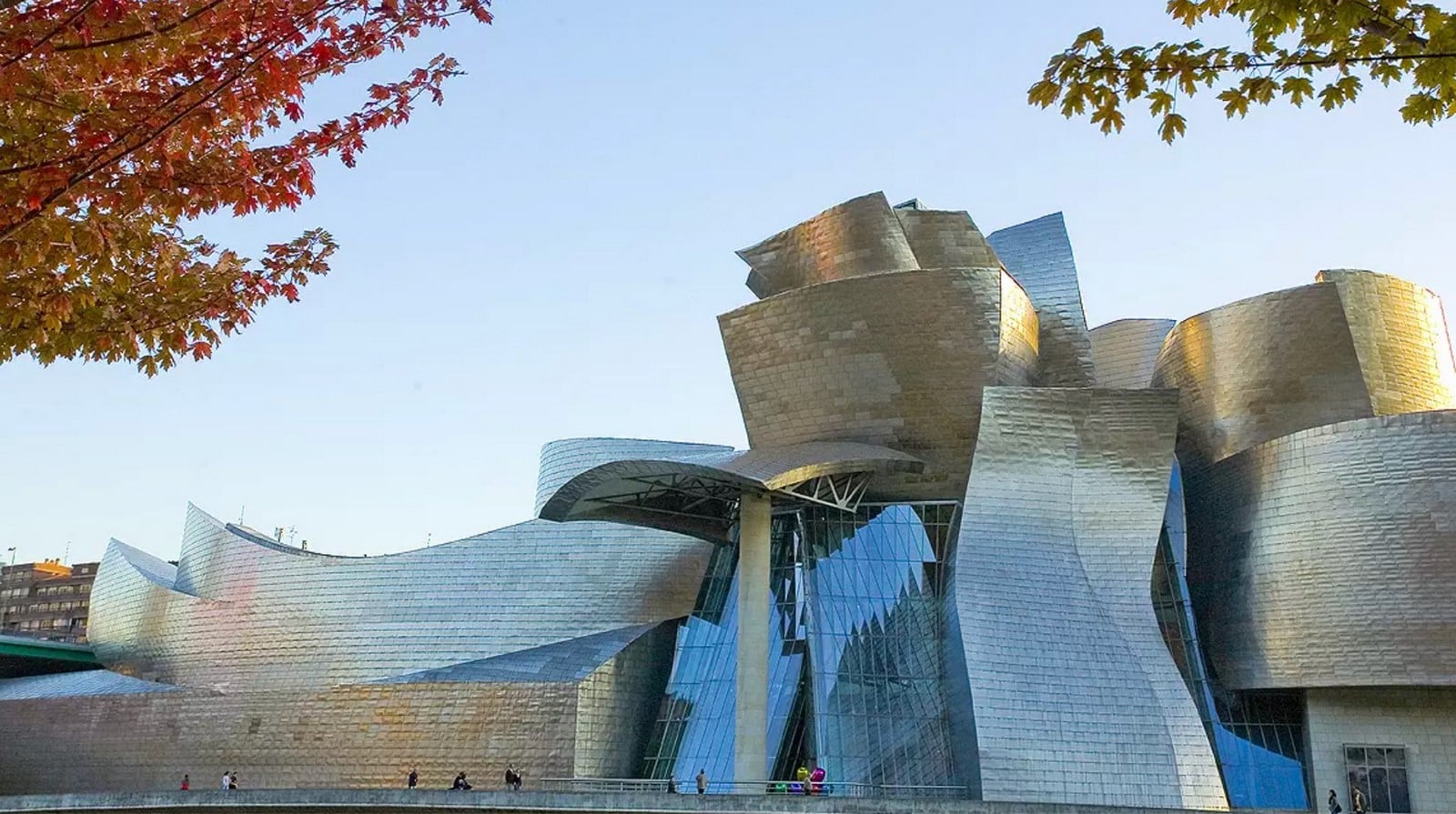
Social media’s rise and far-reaching impact have heightened the phenomenon, rewarding authenticity and uniqueness with virality and promoting a click-worthy replication of the perceived authenticity. Ultimately, the media-driven exposure of cities detaches audiences from the qualities of a destination that are actually worth knowing about and loving. It replaces local colour and uniqueness with the shallow and often inauthentic representation of itself, making travellers seek the same framed experience, no matter the location. The most dangerous part is that social networks turn remote exposure to a place into a form of interaction and familiarity, substituting actual experience for the carefully staged and artificially enhanced image.
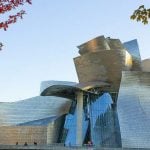
The phenomenon of film and audiovisual media as a whole, including cinematography and video content, has the capacity to affect people more intimately than reading an article or seeing a photograph. Assigning memory-making to architectural destinations enables one to create emotional connections and use the sense of place and its aura as an instrument of conservation. The ability to attract foreign attention and media coverage made the Guggenheim Museum in Bilbao a celebrity, capitalising on the internet’s rise as a distribution platform. It is an apt illustration of the way in which media exposure transforms people’s perception of the building’s role and the way it is used in society and popular culture. In effect, it shaped a unique set of conservation values, endowing it with qualities of memorability, atmosphere, and visual appeal.
“Buildings are deeply emotive structures which form our psyche. People think they’re just things they maneuver through, but the makeup of a person is influenced by the nature of spaces.” – David adjaye (Pires, 2021)
Reference list
ArchDaily. (2022). How architectural elements help storytelling in cinema. [online] Available at: https://www.archdaily.com/980825/how-architectural-elements-help-storytelling-in-cinema [Accessed 18 Sept. 2026].
Bolat, İ. and Dikmen Güleryüz, O. (2025). The interrelation of TV-series and interior design in the construction of meaning: Cinematic narratives and the psychological function of space. CINEJ Cinema Journal, [online] 13(2), pp.845–884. doi:10.5195/cinej.2025.767.
CGconnect (2026). Cinematic architectural visualization — Crafting atmosphere, narrative, and film language in ArchViz | łukasz grzesiczak. [online] CGconnect. Available at: https://cgconnect.chaos.com/insights/articles/a27915cb-cinematic-architectural-visualization-crafting-atmosphere-narrative-and-film-language-in-archviz [Accessed 18 Sept. 2026].
Ge, Z., Hou, Z., Song, Y. and Cui, Z. (2025). From screen to society: A three-stage media impact model of architectural heritage conservation in the Shadowless Tower. Journal of Asian Architecture and Building Engineering, pp.1–17. doi:10.1080/13467581.2025.2607834.
Motamed, M. (2026). How Hollywood has shaped architectural taste. [online] Parametric Architecture – Architecture News and Computational Design. Available at: https://parametric-architecture.com/how-hollywood-has-shaped-architecture/ [Accessed 18 Sept. 2026].
Neurotectura.com. (2025). Blocked. [online] Available at: https://neurotectura.com/2025/04/08/the-power-of-architecture-in-film-emotions-and-spaces/ [Accessed 18 Sept. 2026].
Pires, S. (2021). 20 Inspiring and famous architecture quotes by master architects. [online] My Modern Met. Available at: https://mymodernmet.com/architecture-quotes/ [Accessed 18 Sept. 2026].
Realitypathing.com. (2026). How do lighting and angles affect filming quality? [online] Available at: https://realitypathing.com/how-do-lighting-and-angles-affect-filming-quality/ [Accessed 18 Sept. 2026].
Runolfsdottir, T.P. (2026). Architectural photography composition capture and. [online] Bookpremiumfree.com. Available at: https://bookpremiumfree.com/ebook/uFKUSHFYFFWH/architectural_photography_composition_capture_and [Accessed 18 Sept. 2026].
Woodward, A. (2020). Go inside the architecture of South Korean film ‘parasite’. [online] The Spaces. Available at: https://thespaces.com/parasite-set-design-lee-ha-jun/ [Accessed 18 Sept. 2026].
ww3.rics.org. (n.d.). Buildings that elevated cities: Bilbao’s Guggenheim. [online] Available at: https://ww3.rics.org/uk/en/modus/built-environment/urbanisation/buildings-that-elevated-cities–bilbao-s-guggenheim.html [Accessed 18 Sept. 2026].