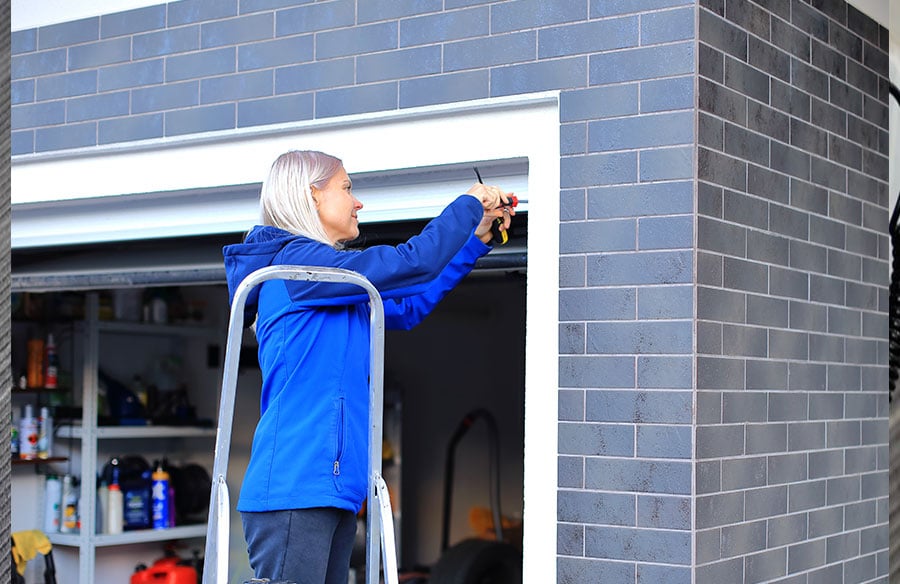
Garage door springs do much of the heavy lifting every time the door opens or closes, yet they usually receive little attention until something goes wrong. When homeowners need to replace a broken garage door spring, the problem often becomes obvious very quickly because the door may suddenly feel unusually heavy, stop moving properly, or refuse to open at all. Understanding the early warning signs can make it easier to recognize when the spring system needs professional attention before the issue becomes more disruptive.
Why Garage Door Springs Matter So Much
A garage door may look simple, but it is a large and heavy moving system. The springs help counterbalance that weight so the opener and other components do not have to lift the full load on their own.
Depending on the setup, a garage door may use torsion springs mounted above the door or extension springs positioned along the sides. Both types are designed to store and release significant mechanical energy during normal operation.
When the springs are working properly, the door should move smoothly and feel balanced. If a spring weakens or breaks, other parts of the system may be forced to work harder. That extra stress can affect the opener, cables, rollers, and tracks over time.
The Door Suddenly Feels Much Heavier
One of the clearest signs of spring trouble is a noticeable change in how heavy the door feels.
If the spring system is no longer providing enough counterbalance, lifting the door manually can become much more difficult. A door that previously moved with moderate effort may suddenly feel extremely heavy.
This does not automatically mean the spring has completely broken. A weakening spring can also reduce the amount of assistance provided during operation.
A change in weight should not be ignored, especially if it happens suddenly. Continuing to force the door open may place additional strain on other parts of the system.
The Door Will Not Open Normally
Spring failure often becomes obvious when the garage door opener attempts to lift the door but cannot complete the movement.
The opener may run while the door barely moves, or the door may rise only a short distance before stopping. In some cases, the motor may sound as though it is struggling.
It is important to remember that the opener is not designed to handle the entire weight of the door by itself. Its job is mainly to guide a properly balanced door through its movement.
If the spring system is damaged, repeatedly activating the opener can put unnecessary stress on the motor and drive components.
You Hear a Sudden Loud Bang
A spring can release a considerable amount of stored energy when it breaks, which may create a sharp or unusually loud sound.
Homeowners sometimes hear the noise from another part of the house and assume something fell in the garage. Later, they discover that the door no longer opens correctly.
A loud bang does not always indicate spring failure, but when it is followed by changes in door movement, the spring system should be inspected.
The important point is to avoid touching or adjusting the springs after hearing such a sound. Even a damaged system can contain components under significant tension.
The Door Opens Unevenly
A garage door that begins rising crookedly may be dealing with a spring, cable, or balance problem.
This is particularly noticeable when one side of the door moves faster than the other. The bottom edge may appear tilted, or one side may lag as the door travels upward.
Uneven movement can place stress on tracks, rollers, hinges, and cables. If the door becomes significantly misaligned, continuing to operate it may make the problem worse.
Spring issues are not the only possible cause, so an inspection is usually needed to determine exactly which component is responsible.
Gaps or Visible Changes in the Spring Can Be a Clue
In some spring systems, a break may be visible.
A torsion spring mounted above the door, for example, may show a noticeable separation where the coil has broken. Extension springs may appear stretched, distorted, or uneven compared with the spring on the opposite side.
Visual inspection should be limited to observation from a safe distance. Springs should not be pulled, loosened, or repositioned by hand.
Because these components operate under tension, even something that looks like a simple adjustment can create a serious risk of injury.
The Door Starts Moving Differently
Not every spring problem begins with a dramatic failure.
Sometimes the first sign is simply that the door does not move the way it used to. It may hesitate at certain points, close more quickly than expected, or feel less controlled during manual operation.
These changes can develop gradually as springs wear.
Garage door springs are designed for a limited number of operating cycles, so normal use eventually contributes to fatigue. Frequent daily operation can accelerate that process compared with a door that is used only occasionally.
Changes in movement are therefore worth paying attention to, even if the door still opens and closes.
Why Spring Work Is Different From Routine Maintenance
Some garage door maintenance tasks are relatively simple, such as cleaning debris from tracks or visually checking hardware.
Spring adjustment and replacement are different.
Springs store substantial mechanical energy, and incorrect handling can cause sudden movement of the spring, cables, or door itself. For that reason, homeowners should generally avoid attempting to remove or tension garage door springs without the appropriate training and equipment.
A professional inspection can also identify whether the spring is the only issue or whether related parts have been affected.
What to Expect During a Spring Inspection
A spring service visit usually involves more than simply looking at the broken component.
The technician may check the spring type, door weight, balance, cables, drums, tracks, rollers, and opener operation. This helps determine whether the failure created additional strain elsewhere in the system.
The correct replacement spring also needs to match the characteristics of the door. Using the wrong size or strength can affect balance and may reduce the service life of the system.
After spring work is completed, the door should generally be tested to confirm that it moves smoothly and remains properly balanced throughout its travel.
Should Both Springs Be Replaced?
Some garage doors use two springs, which can raise the question of whether both should be replaced when only one fails.
There is no single answer for every door. If both springs were installed at the same time and have experienced the same number of operating cycles, the remaining spring may also have significant wear.
Replacing both can sometimes help keep the system balanced and reduce the chance of another service interruption soon afterward. On the other hand, the decision can depend on spring age, condition, door design, and the type of system installed.
An inspection provides a better basis for that decision than assuming every situation is identical.
Do Not Ignore Changes in Door Balance
A spring does not necessarily need to snap completely before it becomes a problem.
Gradual loss of tension can change how the door behaves long before total failure. A door that drifts, feels unusually heavy, moves unevenly, or places increasing strain on the opener may be showing signs that the counterbalance system needs attention.
Catching these changes early can also make it easier to inspect related components before additional wear develops.
A Small Component With a Big Job
Garage door springs may not be visually prominent, but they are among the most important parts of the entire system. They help control a heavy moving door and allow the opener to work without carrying the full load.
Warning signs such as unusual weight, uneven movement, loud noises, visible spring damage, or difficulty opening the door should not be brushed aside. Because the spring system operates under significant tension, safe inspection and repair are especially important.
Paying attention to changes in how the door moves can help homeowners recognize trouble early, reduce stress on surrounding components, and keep the garage door operating more reliably over time.