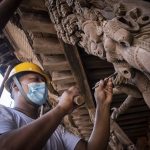
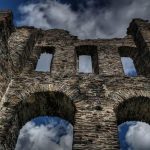
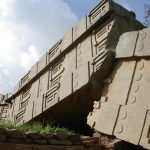
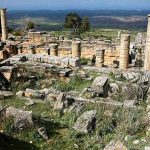
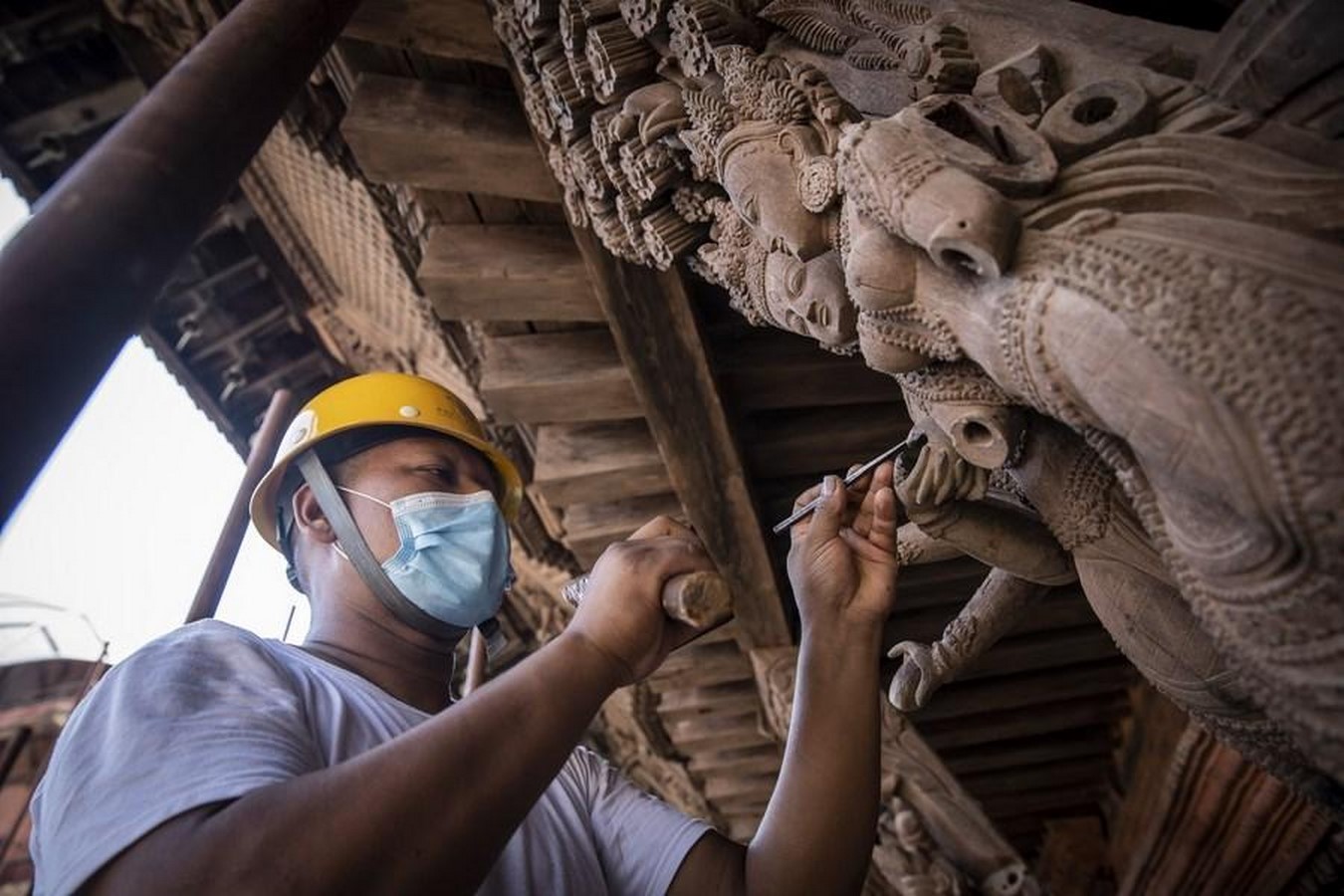
The fundamental tenet of traditional approaches to cultural heritage conservation is that all forms of cultural heritage ought to be preserved for as long as possible. This is primarily founded on the Euro-American idea that it is morally required to preserve historic artifacts and buildings for the benefit of coming generations. According to this viewpoint, the material stability of cultural heritage is what gives it its inherent worth and significance. It has these notions of physical conservation obsession where the artifacts of the past appear to exist solely for preservation. Cultural Geographer Caitlin DeSilvey questions these principles in her book “Culated Decay: Heritage Beyond Saving,” suggesting a radical change: what if decay is a force for good rather than just a loss? What if preserving cultural heritage’s physical integrity opens up new avenues for historical understanding? The unconventional arguments made in the book will be examined in this article along with their applicability, especially in developing nations like Africa where little heritage is left to survive in the first place.
The traditional concept of Preservation in Perpetuity
The field of cultural heritage conservation has been working for centuries under the presumption that once an item or structure is acknowledged for its historic significance, it is inherently vulnerable to loss. This necessitates an instant reaction: preservation, conservation, and protection. Physical integrity must be preserved by taking steps to protect objects from complete destruction, carelessness, or the slower processes of weathering, erosion, and decomposition. In order to ensure that historical artifacts were protected “in perpetuity,” new standards for classification, recording, and documentation were applied. This paradigm emerged in the late nineteenth century, coinciding with a larger cultural shift towards systematizing knowledge. This, according to critics, results in a “material fossilization” that ignores the dynamic, continuous “social and organic lives of monuments.” This ingrained conviction that physical permanence is equivalent to the persistence of memory and meaning is reflected in the enormous amount of effort and resources used to maintain heritage systems in a “steady state.”
Embracing Decay: A New Perspective on Value
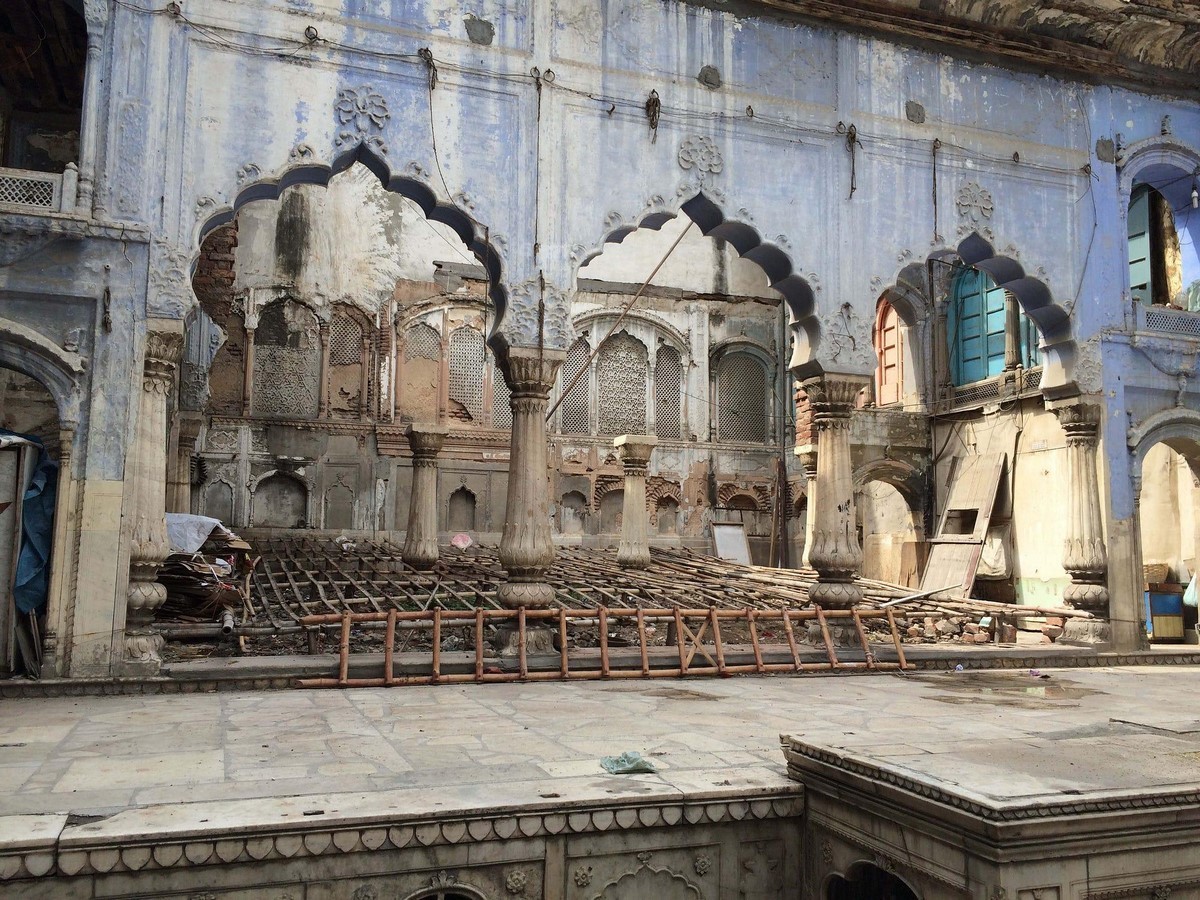
According to DeSilvey’s provocative work, the “evacuation of meaning” is not always the result of structural integrity breaking down. Rather, disintegration and decay can be “culturally (as well as ecologically) productive.” She challenges the innate human tendency to resist collapse by introducing the idea of “curated decay,” in which locations are purposefully allowed to change. This is demonstrated by the Cornish chimney, which was “caught up in a variety of processes,” such as plant and animal colonization, after its original purpose ended. DeSilvey contends that rather than viewing this as a threat, one can “see a fullness in the current state of the structure as it sheds one arrangement of matter to adopt another.” This viewpoint presents change as an opportunity rather than a loss, as a “release into other states, unpredictable and open”.
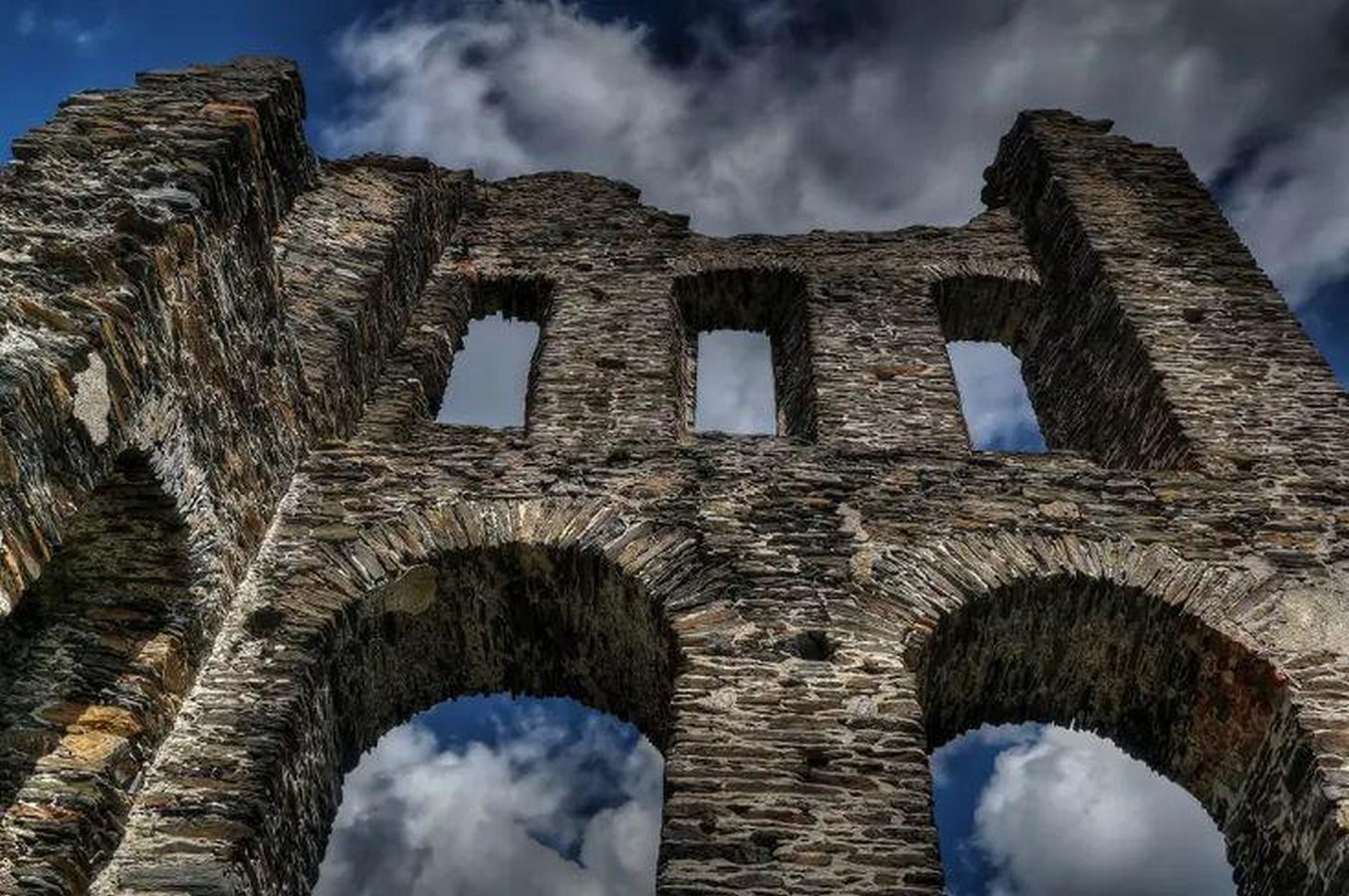
This reinterpretation also applies to the idea of entropy, which is sometimes confused with chaos. More precisely, according to the book, entropy is “a measure of the multiplicity of potential arrangements of matter within a given system.” Accordingly, a decaying structure represents possibility rather than disorder and has a wider range of possible configurations than a rigidly conserved one. An “attentive relation to material systems and their histories involves following trajectories of change and transformation rather than arresting them.” By allowing “a different kind of knowledge” to emerge from decay, this challenges the conventional wisdom that objects only create meaning when they are preserved. Rather, meaning can also emerge when they are destroyed and disposed of. DeSilvey’s case for a reassessment of cultural heritage conservation is centered on this.
Beyond Material Containers
The idea that we can “uncouple the work of memory from the burden of material stasis” is a central tenet of “Curated Decay.” The assumption that memory is “deposited within material containers for safekeeping” is a common one in traditional cultural heritage conservation. But according to DeSilvey, memory is “ignited in dialogue between mind and matter,” meaning that it is not dependent on a stable material form to express itself. A “more nuanced appreciation of the forces that lead to forgetting—acts of preservation obscure and eliminate certain traces of the past even as they secure others” is necessary for this change. A state of slow decay may even “provide more opportunities for memory making, and more potential points of engagement and interpretation, than the alternative” under some conditions. A “double vision” occurs when cultural matter assumes an ecological role, blurring the line between a “artifact” (a remnant of human manipulation) and a “ecofact” (a remnant of interactions with non-human entities).
The Human Challenge of Surrender
The book recognizes the deep human reluctance to “step back and allow things to collapse” despite the intellectual appeal of accepting decay. This innate desire to “save” is an act of “self-preservation” in which a vulnerable object becomes an extension of ourselves, endangering our identities in the process. Furthermore, the concept of “sanctioned inaction” is frequently complicated by practical and legal frameworks in many Western heritage contexts. There are laws and regulations in place to safeguard the public from dangerous situations, as well as the owners’ liability and the actual structures. Because of this, it can be challenging to balance current regulatory requirements with ongoing change, which frequently necessitates a return to more traditional, interventionist methods.
“Positive Passivity” and Experimental Approaches
In places like Orford Ness, a former Cold War research complex, where management has been guided by a “philosophy of non-intervention” or “continued ruination,” the book examines “experimental heritage practice.” This method seeks to preserve symbolic value while allowing natural processes to unfold and explicitly appreciating the beauty of decay and ecological imperatives. This is consistent with the concept of “positive passivity,” in which people become “accomplices of nature,” allowing change to occur rather than resisting it all the time. Another example is Germany’s Duisburg Nord Landschaftspark, which was created with “unprecedented openness to reuse and regeneration,” accepting “a level of entropy,” and embracing “an incremental process of change.” This entails managing the dynamic interaction between “human intention and spontaneous natural process,” which gives rise to “Industrienatur,” or “industrial nature,” where special plant and animal species flourish in contaminated, disturbed environments.
These initiatives show how cultural heritage conservation can address the more profound, uncertain processes of material transformation rather than just surface aesthetics. They draw attention to the possibility of “reconciliation ecology,” which combines a site’s changing natural history with its cultural history, and finds use in hybrid landscapes where the lines separating “natural” and “cultural” are blurred. The “inherent unpredictability that entropy engenders” and the ongoing “tension between intended conceptual innovation and its realization in practical applications” are revealed by the internal and external pressures that even these experimental sites must contend with.
The African Context: A different Reality for Conservation
Although the justifications for accepting decay are compelling in some Western contexts, their universality must be critically assessed. The historical and socioeconomic realities of many African nations, like Ethiopia, stand in sharp contrast to the European landscapes covered in the book, as we discussed. The concept of “letting things go” or permitting further deterioration becomes problematic in areas with less historical documentation and a large percentage of cultural heritage structures no longer standing. Here, the focus changes from overseeing a “plethora of preserved heritage sites” that “may inspire indifference” to actively preserving and stabilizing what is left.
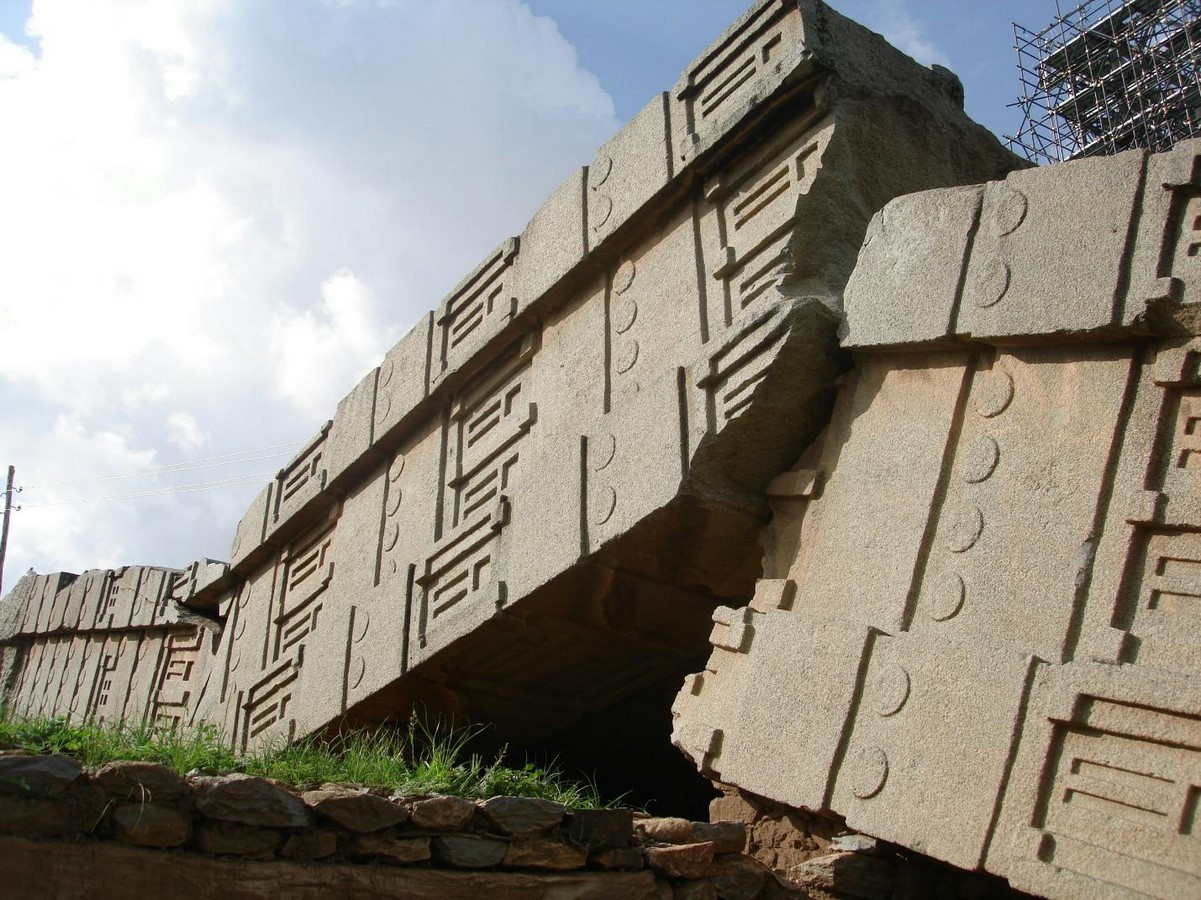
A “withdrawal of capital, human migrations, acts of war, natural disasters, [and] industrial accidents” are some of the common threats to African heritage. The problem in these kinds of settings is not a “crisis of accumulation,” but rather an ongoing struggle against erasure and loss. As a result, the conventional approach to cultural heritage conservation, which emphasizes survival and physical protection, is still very much in use. When scarcity is the defining feature of surviving heritage, the “anxiety about impermanence that characterizes modern Western heritage practice is alien to many other cultural traditions,” but the need to actively intervene to prevent further disappearance is a shared, urgent concern.
When Active Preservation Makes Sense
Historical continuity, cultural identity, economic growth (through tourism), and a better understanding of their own pasts—which could otherwise be lost forever—all depend on the preservation of existing heritage structures in many African countries. Although there may be philosophical merit to the idea that “abandonment can be understood as termination, or ‘an evolving and dynamic context in its own right’,” its practical application in situations of extreme historical neglect or inadequate documentation runs the risk of justifying additional loss. “It is remarkably difficult to find examples of conjoined natural and cultural heritage management that do not resort to some form of categorical fixing,” the book admits. This demonstrates the profound practical difficulties of putting a “letting go” philosophy into practice, particularly in situations where there are few foundational resources and established frameworks for the conservation of cultural heritage.
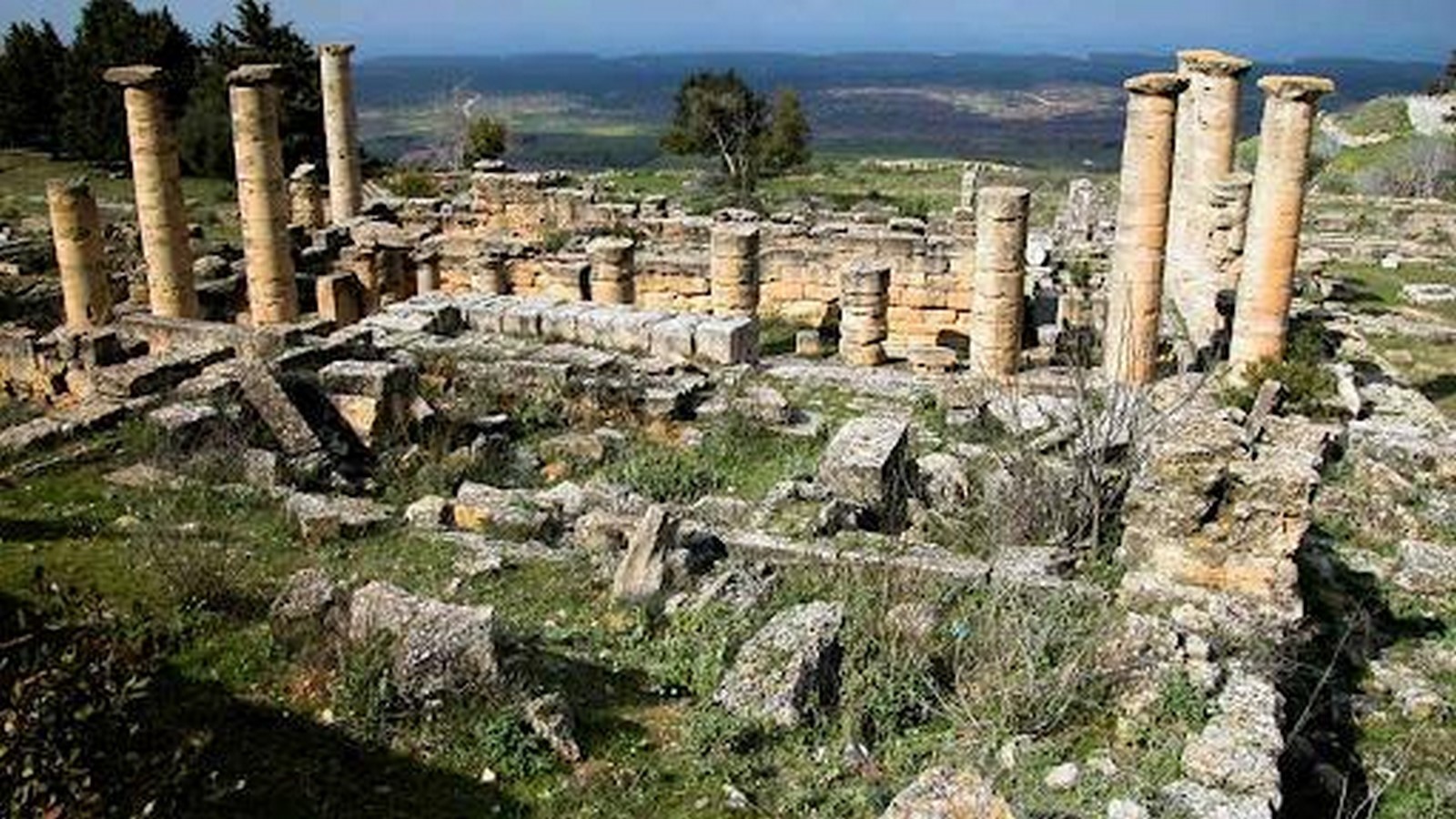
The idea of “heritage beyond saving” itself presupposes a long-standing baseline of “saving.” In nations like Ethiopia, where historical processes—such as colonial influences and sociopolitical instability—have resulted in the destruction of many structures or their never being “saved” in the first place, the current priority is essentially different. Active intervention, investment, and—most importantly—strong documentation and reconstruction, where feasible, are desperately needed in place of thoughtful “positive passivity.” To make sure it doesn’t unintentionally offer a “justification for neglect and disinvestment” in situations where such practices would be harmful, the concepts of “creative transformation” and “compost heritage practice” should be carefully considered.
Towards a Context-Sensitive Conservation
“Curated Decay” challenges us to think about heritage in a way that goes beyond material stability and provides a convincing and perceptive critique of traditional cultural heritage conservation. It makes the argument that deterioration and change can be generative, bringing fresh perspectives and more in-depth interactions with the past. Ideas like “positive passivity,” memory detached from static forms, and entropy as possibility offer useful frameworks for reconsidering how we engage with aging structures, especially in Western contexts with ample resources where there may be a “accumulation” of preserved heritage.
The relevance of this “letting go” philosophy, however, varies greatly depending on the situation. Active preservation and protection continue to be the top priorities for areas like Africa, where historical records are dispersed and surviving cultural heritage is limited. “Awareness of ‘different modes of defining and preserving pasts…may help us to extend the forms and functions’ of our own,” the book admits. This suggests that other contexts call for a strong commitment to “holding together,” whereas Western heritage may benefit from accepting the “wobble” between preservation and decay. In the end, the debate between “curated decay” and traditional conservation is not about picking one over the other, but rather about creating context-sensitive approaches that genuinely meet the particular requirements and historical realities of various cultural heritage landscapes worldwide.
Citation:
DeSilvey, C., 2017. Curated Decay: Heritage Beyond Saving. Minneapolis: University of Minnesota Press.