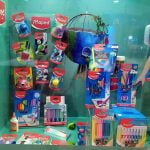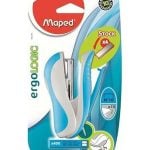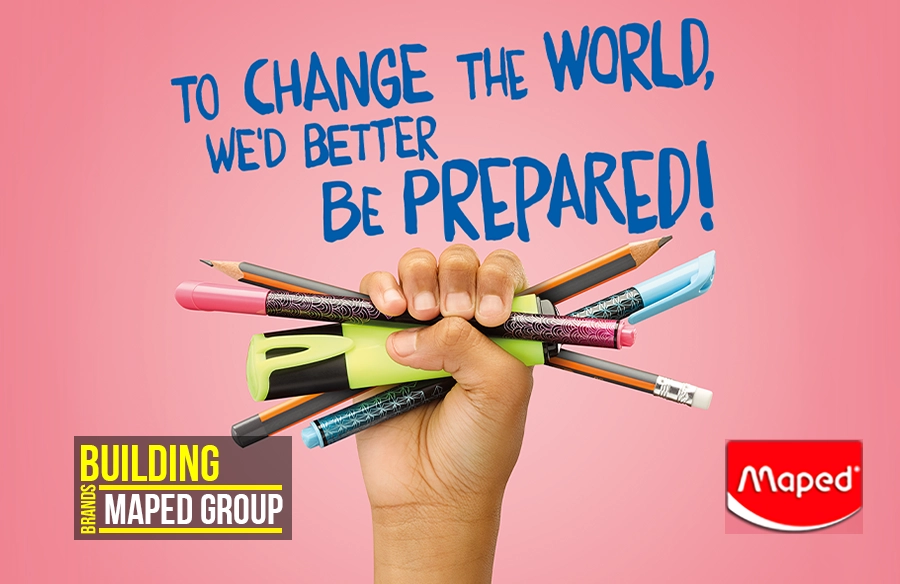
Most people encounter Maped Group long before they know its name. Brightly colored scissors, a geometry set packed in a student’s backpack, and a pencil sharpener used in class are all examples of early exposure to design. These items may seem mundane, but their designs have been years in the making. They are carefully crafted with attention to detail to serve a particular purpose. The company recognised that even a simple tool can have a profound effect on people and how they interact with them.

Maped Group was established in France in 1947 as a family-owned business manufacturing metalworking and drawing instruments. Since then, it has become one of the largest companies producing school and office supplies. This success was not achieved by creating a totally new product category but rather by examining existing items and finding ways to improve them. Improving safety, ergonomics, and aesthetics helped Maped Group to turn stationery into a worldwide design phenomenon.
The story of this particular company provides a good illustration of how successful brand strategies are created. There are companies that shake the market with their revolutionary inventions, but there are also those which have been able to spot the potential of ordinary things. Maped Group is one of such companies.
From Metalworking to the Classroom
The name of the firm, MAPED, is derived from the French phrase “Manufacture d’Articles de Précision et de Dessin,” meaning “Manufacture of Precision and Drawing Articles.” The main products initially manufactured by Maped were metal compasses and other technical drawing implements, which require high precision and quality.
For decades to come, the company stayed true to its industrial roots. However, the company changed its strategy after realising that school materials are not only functional items. These were the first instruments that helped children learn how to draw, measure, cut, and communicate their thoughts. By moving from technical instruments to products for schools, Maped gained access to a much wider range of potential customers.
It was not just about the product change. The company started treating common office items as a means of design innovation.
Reinventing the Ordinary
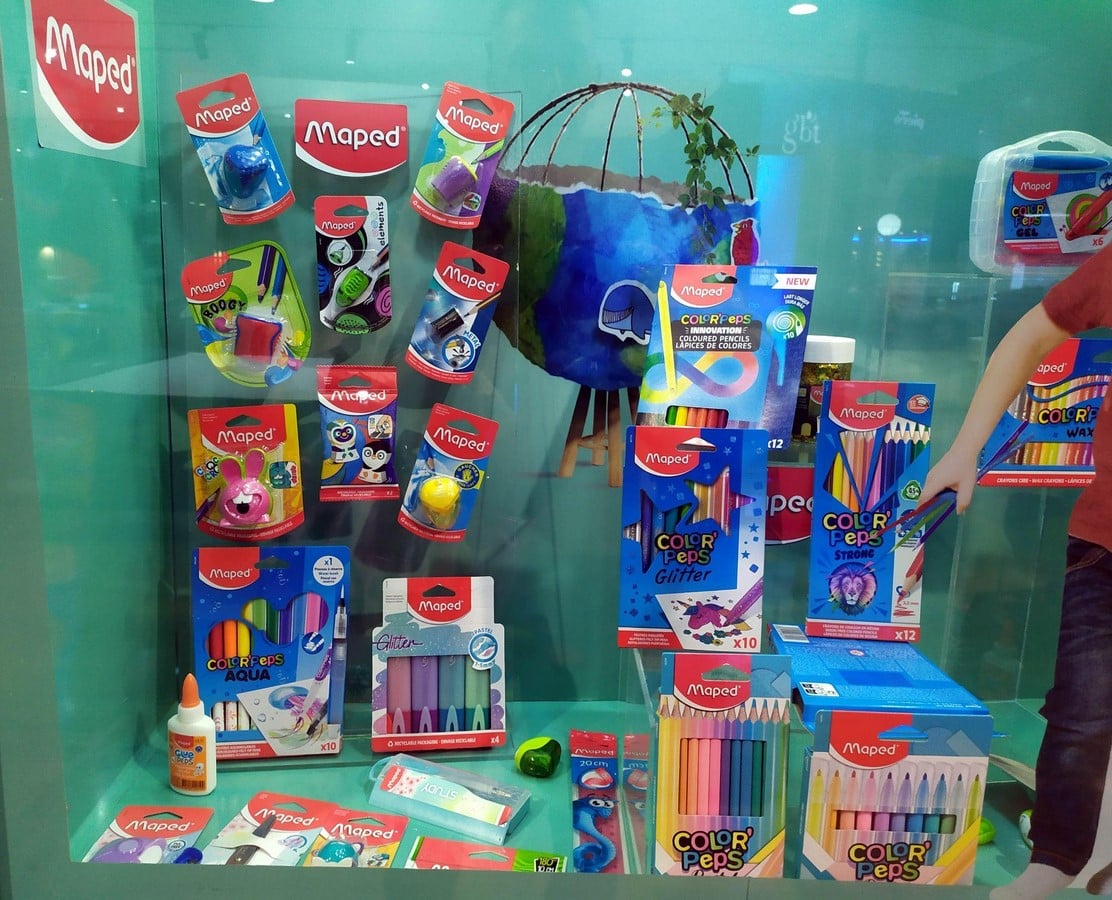
The most interesting part of Maped Group’s success story is how they have managed to enhance those products that people barely notice. A ruler is a ruler until we start wondering whether it is possible to make it easier to read. Scissors are scissors until they become more convenient for the little hands of children. A sharpener is something else when it becomes safer, cleaner and user-friendly.
In a highly competitive market, Maped Group was able to distinguish itself with its unique design approach. Instead of relying only on prices, the company focused on ergonomics, colours, and usability. Maped Group created products which were easy and friendly to use, especially for children.
This is how Maped Group created its brand identity. Bright colours, soft lines, ergonomically designed handles, and intuitive mechanisms were used in the design of its products. These were useful tools, but also very easy to use. In a highly competitive market, such an approach became a source of competitive advantage.
Design as a Competitive Advantage
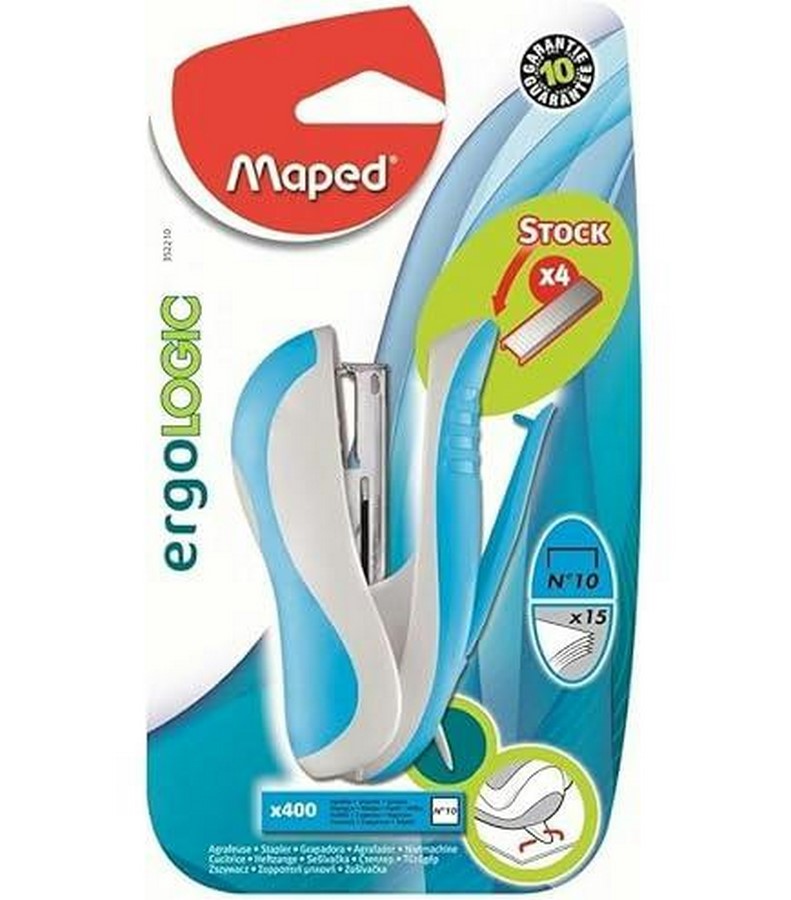
The Maped range is distinguished by its colourful and whimsical designs, but there is more to its appeal than looks. Each product is designed with the interactions between humans and the objects they handle in mind. From rounded corners to ergonomic handles to well-thought-out mechanisms, each item is designed with user experience in mind.
This emphasis on design gave the brand an edge. It was not just about selling stationery anymore; it was about providing the tools to make learning and creation more fun.
As educational products started competing not only against each other but also against electronic games, it became necessary to engage the consumer. Maped managed to do so by making even the most common items look thoughtfully designed.
Building a Global Brand

From humble beginnings as a French business, the brand grew into an internationally operating corporation with branches in many countries. Through acquisitions and product development, the company managed to deliver its products to classrooms worldwide.
The company also started offering non-traditional stationery products. Products such as colouring materials and craft kits were added to its range and kept up with evolving learning methods. This growth highlighted a valuable principle in brand evolution: successful brands change but do not lose their essence.
Innovation, practicality, and accessibility have been the core values of Maped throughout its history.
Adapting to Changing Times

The educational industry has advanced exponentially in the past couple of decades. Technological advancements, changes in educational approach, and increasing environmental awareness have affected people’s perceptions of the products being created in classrooms.
Maped Group has been adapting to the changing environment, developing innovative approaches, and expanding its product line. The company has developed products for creative expression and hands-on learning, and also experimented with more environmentally friendly materials and production techniques. All these measures show how the company recognises the need to meet social and environmental requirements in addition to its customers’ needs.
This flexibility makes the brand timeless.
Sustainability and Responsibility
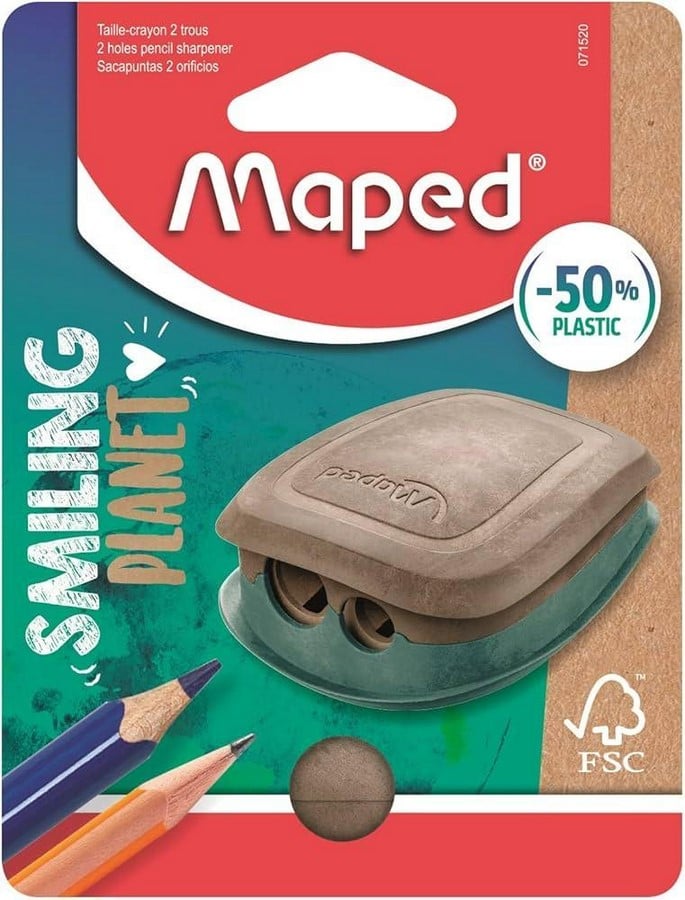
In recent times, the consumers’ expectations have transcended the realms of utility and cost. The parents, teachers, and educational institutions are looking for products that are created in a responsible way and with environmental concerns in mind.
Maped Group has reacted to these changing times by focusing on creating more sustainable products using better materials and processes, and creating an eco-friendly range of products. This approach demonstrates a new perspective on innovation.
Design excellence is no longer limited to aesthetics or performance. Design is also about responsibility in the conception and manufacture of products. This is particularly relevant for a company whose products are associated with childhood and learning.
Maped Group provides a good illustration of how iconic brands are made. In contrast to some famous companies whose products were initially associated with revolutionary innovations and dramatic changes, Maped’s success was achieved through its continuous ability to see the possibilities inherent in the seemingly unremarkable objects.
Through the redesign of these objects as scissors, sharpeners, rulers, and compasses, Maped constantly worked to turn them into creative tools for education. Furthermore, the company remained capable of developing further in response to changes in the educational sphere and worldwide expectations.
It should be noted that sometimes, design manifests itself not so dramatically but rather subtly, in the form of improvements in everyday objects and brands that understand their role in shaping the way the world learns.