“…and then, I have nature and art and poetry, and if that is not enough, what is enough?”
― Vincent Willem van Gogh
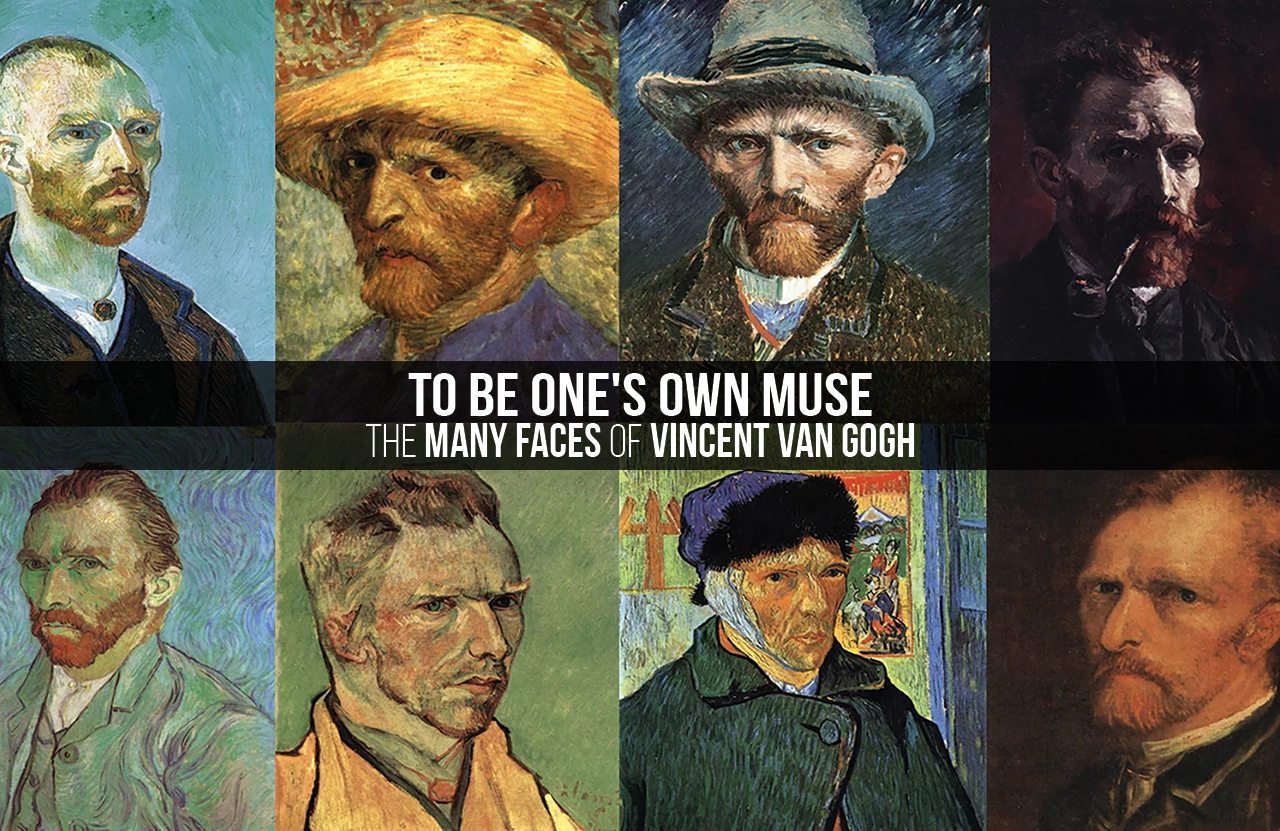
A painter who was never famous in his own lifetime became one of the most iconic names in Art. Once esoteric, now considered the greatest, the Dutch artist Vincent van Gogh created a large body of Post-Impressionist work, including landscapes, flowers, drawings, and letters. Vincent van Gogh struggled with mental illness and died in poverty, yet managed to produce around 2100 artworks, among which 810 were oil paintings. Starry Night, Sunflowers and Self Portraits are the most notable and expensive ones from his catalogue. The artist who wanted to be known as the painter of sunflowers painted five different versions of sunflowers in a vase. So, it shouldn’t be surprising to hear that he had painted around 37 self-portraits over his lifetime. The artist famously once wrote, “The same person supplies material for very diverse portraits”, trying to communicate the changes in him over the years through the self-portraits. Some moody, some bright and colourful, but each one captures his complex personality.
Why self-portraits?
A broke artist who couldn’t afford models or expensive canvas to pursue his calling was compelled by circumstances to paint himself, sometimes on the back of other paintings, thus cutting the costs of procuring models and canvas both. But why did he go to such lengths to paint portraits? He simply wanted to practice painting people, not because he was vain or afflicted but simply to master his craft. The majority of Van Gogh’s self-portraits- over 25 of them were done when he was in Paris from 1886 to 1888.
First impression of the self-portraits
In all of his self-portraits, Van Gogh never once smiles; he always presented himself with a restrained and serious look, seemingly full of concentration. The self-portraits provide us with an insight into his mental state through the different brush strokes, colours and compositions. From one of his first ones, “ Self- Portrait with Dark Felt Hat” – 1886, to one of his last ones, “Self- Portrait Without Beard”- 1889, he captures his journey from a young artist to a patient at a mental health facility to finally a one-eared man.
A deeper dive
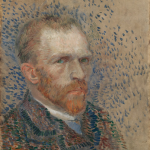
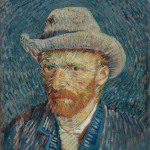
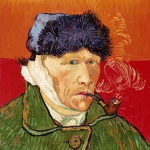
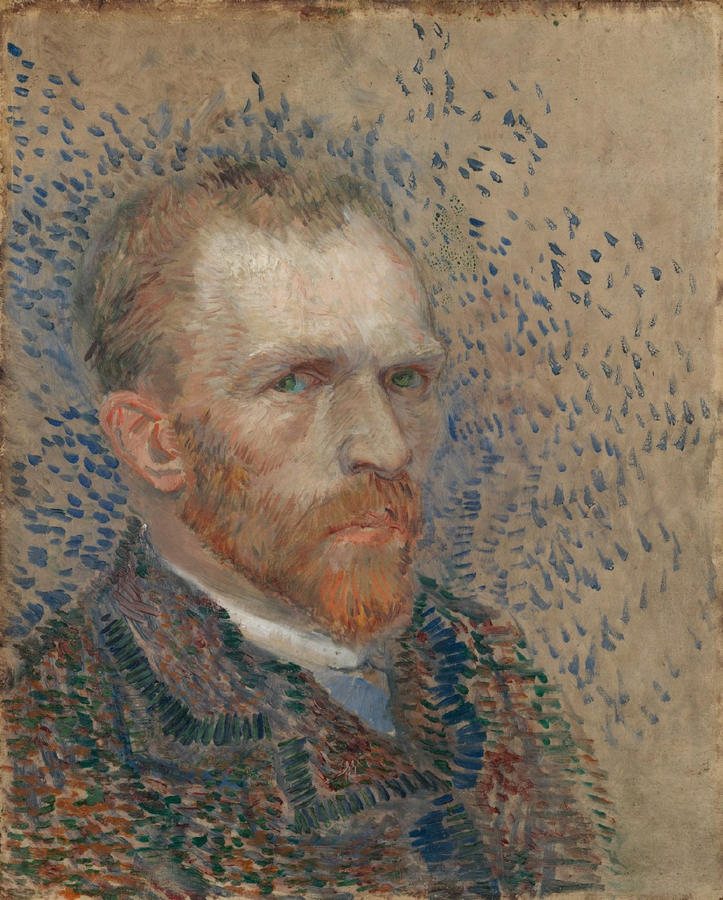
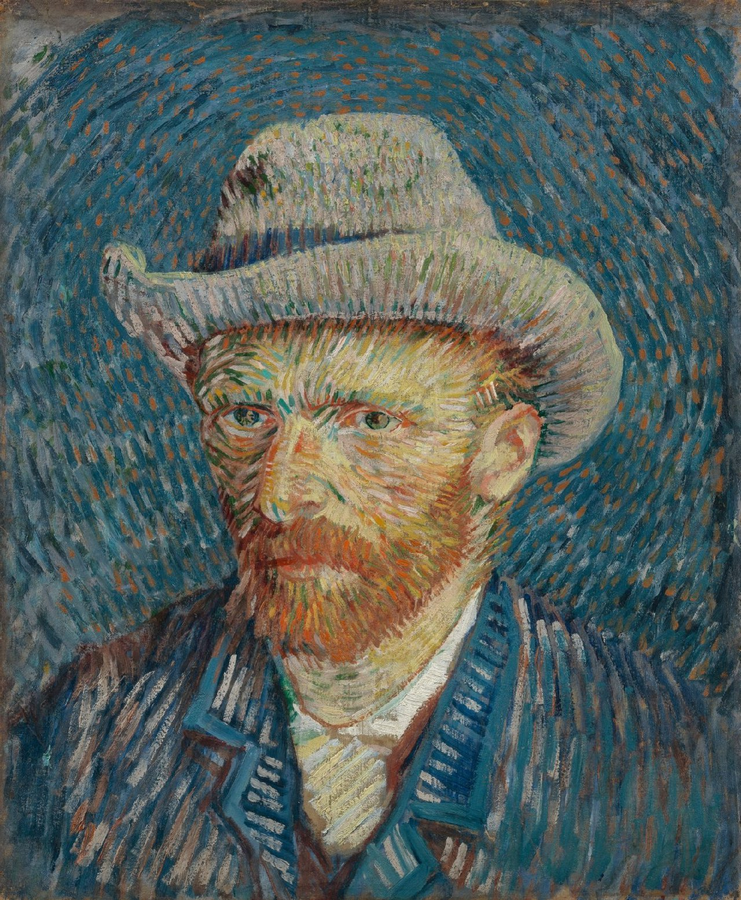
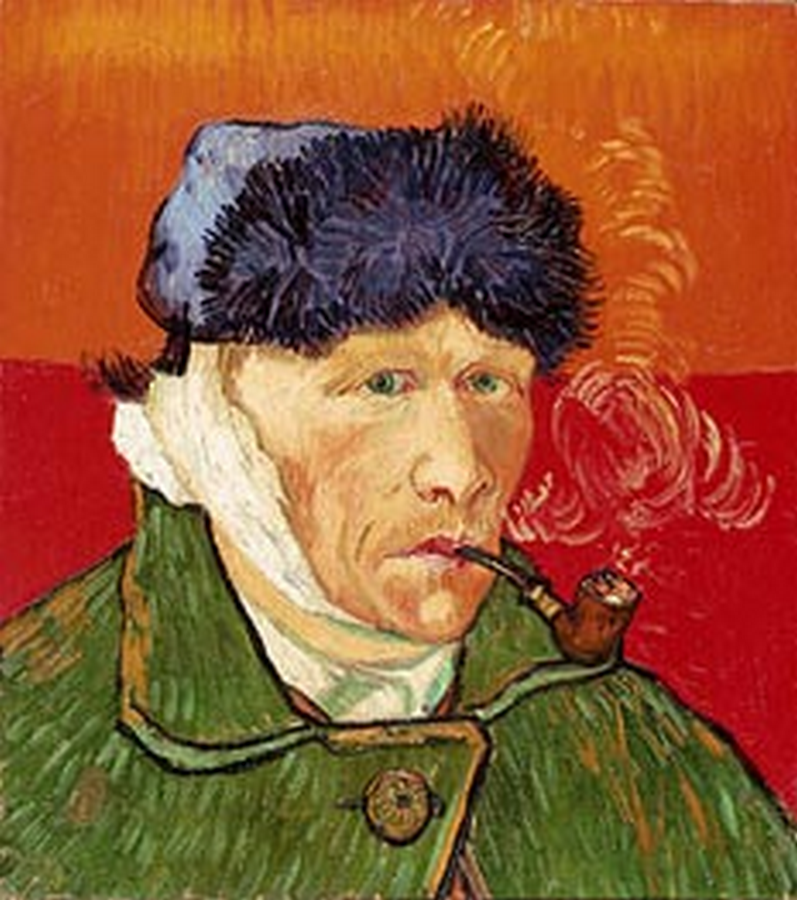
The only existing photo of Vincent Van Gogh is from when he was 19, and almost everything we know about him comes from the many self-portraits. We know that he had red hair, green eyes and a sharp, angular face. But what do the self-portraits tell us about his mental state at that time? How much do we change mentally and emotionally throughout our lives, not just physically? Van Gogh’s self-portrait from 1887, Oil on Cardboard, in which he envisioned his own interpretation of pointillism, using very short brushstrokes instead of dots. We see him wearing the same brown jacket with blue-green trim that is found in several of his self-portraits. Self-Portrait with Grey Felt Hat from the same year shows him with a hat, more distinguished, as he fully embraced and let himself be engulfed by his brushstrokes. Vincent van Gogh, Self-portrait with Bandaged Ear and Pipe, 1889, has him with a clean-shaven look, yet more rugged, supported by his pipe and bandaged ear with a powerful orange background this time. What does the completely different colour palette, look, and face indicate?
Architecture through the self-portrait
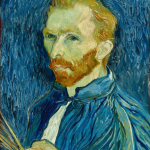
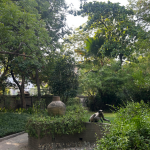
Experiencing a built space for the first time is similar to studying a painting for the first time. Van Gogh’s last portrait would take you on a journey similar to the one BV Doshi would take you through his office in Ahmedabad, Sangath.
-
First impressions
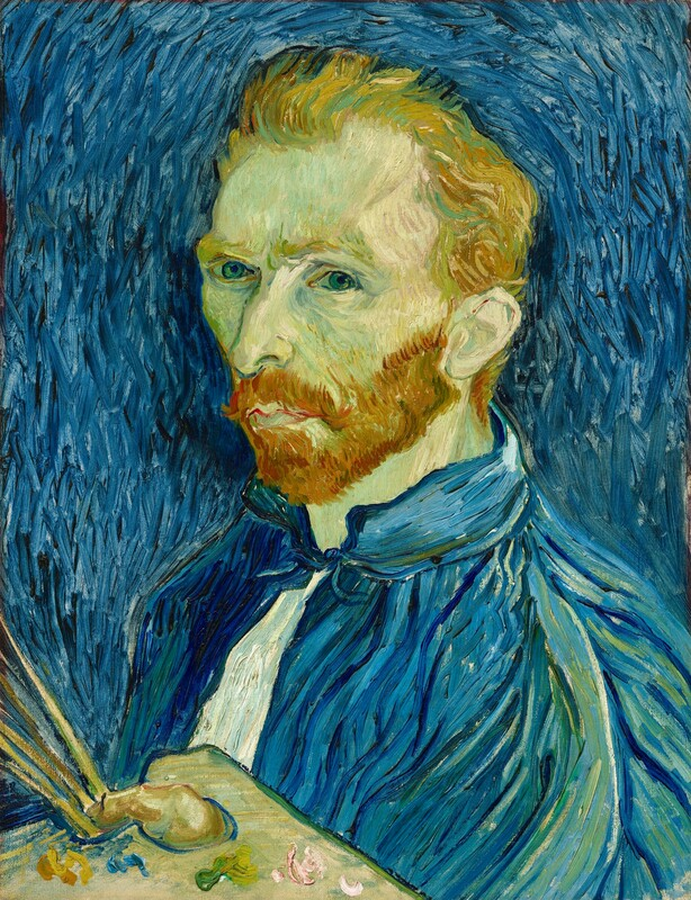
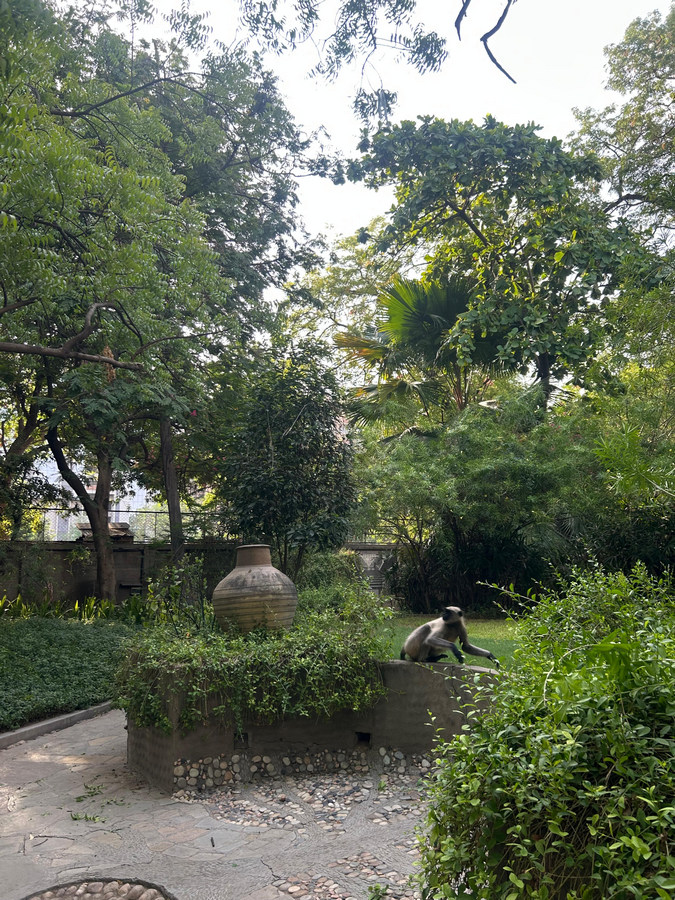
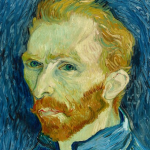
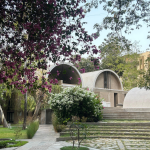
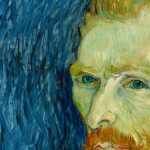
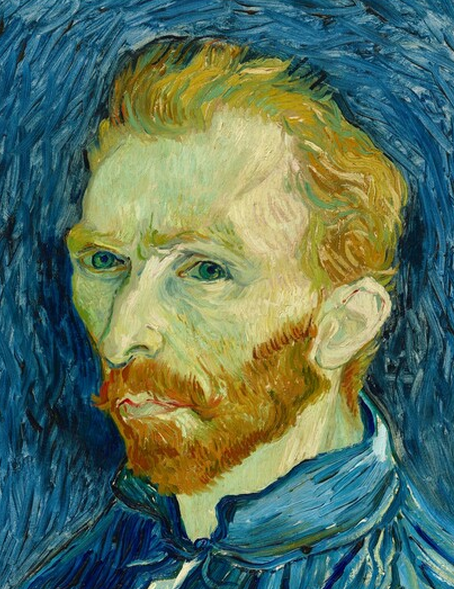
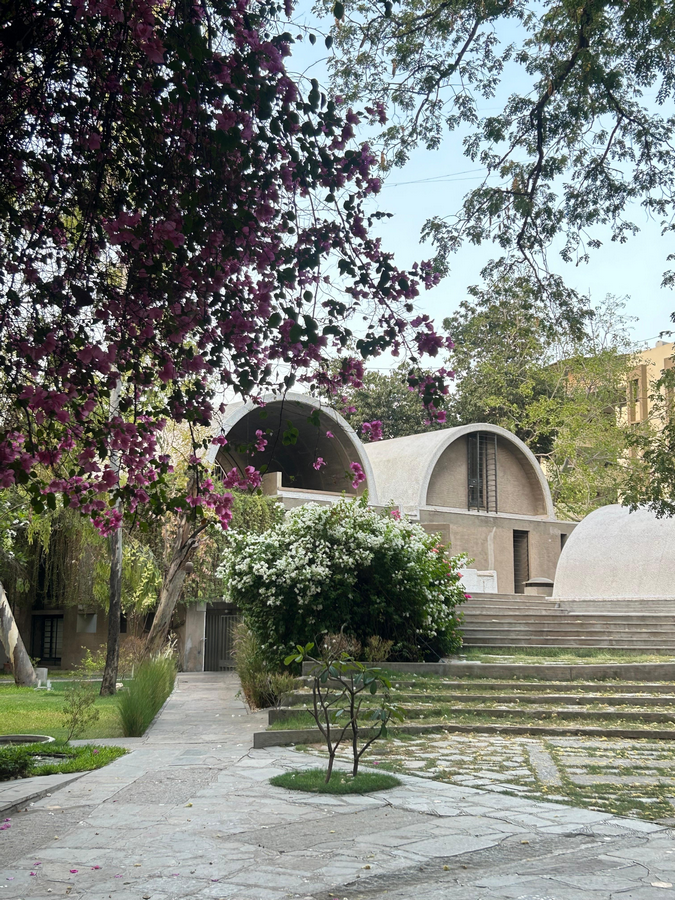
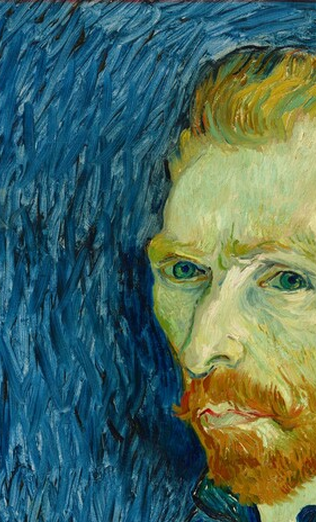
Side by side the above images look like two very contrasting experiences a visitor would have. But the journey of the building revealing itself to one is quite similar to analysing the brushstrokes of Van Gogh. In this self-portrait, the first thing to observe is the vibrant blue hues that surround him, just like in Sangath, where the building is engulfed by the landscape design. Slowly, our eyes drift to Van Gogh’s piercing gaze, just like how Sangath reveals its pathway to the main entrance.
2. Movement
As the portrait guides each of its viewers through a choreographed number, from the swirling background to Van Gogh’s eyes of the same striking blue as the background to his contrasting red hair, finally to looking at the painting as a whole, Sangath also guides movement. The entrance is not direct; the visitor has to encounter the mellow music in the background while taking the long way, thus experiencing the building as a whole from afar.
3. Materiality
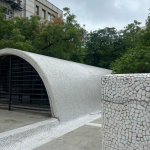
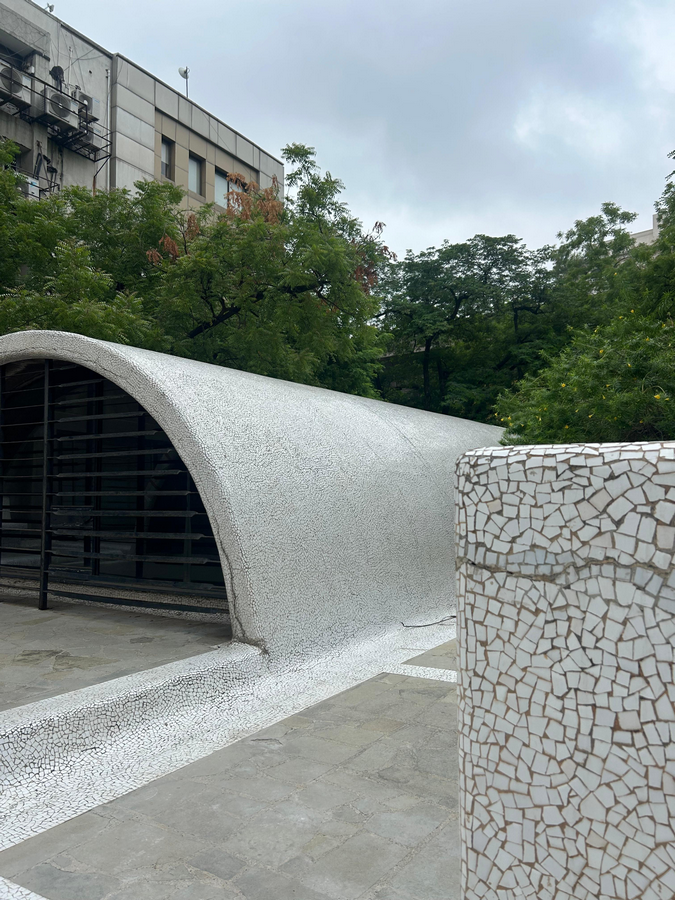
Slowly, as the eyes shift from the courtyard stairs to the white vaults, which appear to be continuous white shells actually revealed to be tiny white tiles mosaicked together (some places in patterns of animals), just like how Van Gogh’s big blue sea is revealed to be hundreds of small brushstrokes in hues of blue.
To be one’s own muse
In 1889, Vincent Van Gogh wrote to his brother Theo Van Gogh, “People say—and I’m quite willing to believe it—that it’s difficult to know oneself—but it’s not easy to paint oneself either.” Along with his struggle with mental illness and stint with DIY surgery, Vincent tried to discover himself through his self-portraits. He died young, at 37, incidentally the supposed number of his self-portraits. Vincent Van Gogh teaches us that to be one’s own muse is to be the architect of one’s own identity. He embraced change, and in his letters to his brother Theo, he wrote, “ I am seeking, I am striving, I am in it with all my heart”.
References:
https://www.nga.gov/stories/articles/understanding-van-gogh-through-one-his-final-self-portraits
https://www.vangoghmuseum.nl/en/collection/s0097V1962v
https://www.bridgemanimages.com/en/news/vincent-van-gogh-s-self-portraits/16539
References for images
https://www.vangoghmuseum.nl/en (for all paintings)
Author – for all images of the Sangath office, Ahmedabad