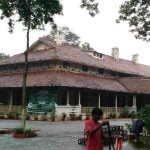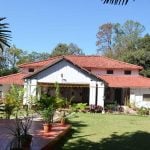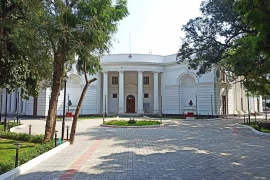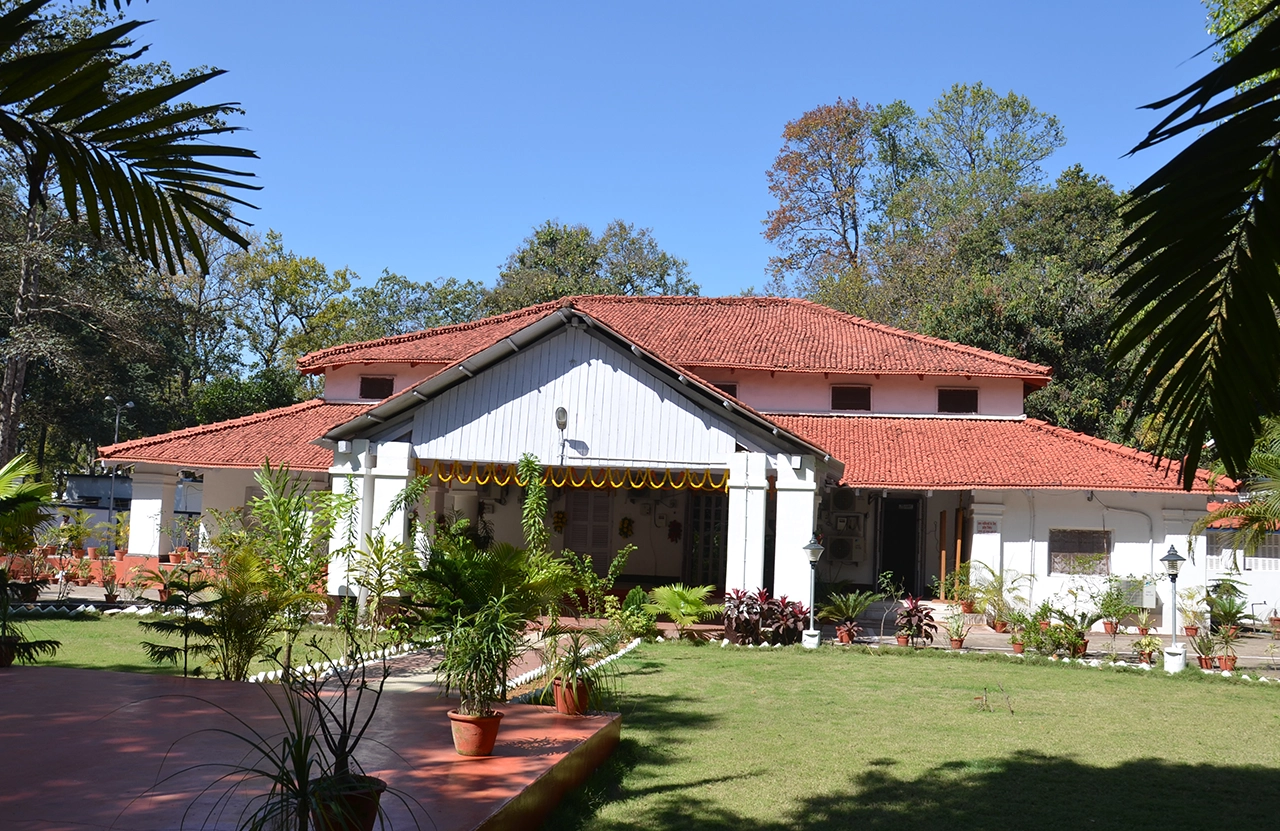
A striking example of ‘Heritage holds Stories’, Ranchi’s Audrey (RMC, 2023) house is a cultural haven and carries an architectural legacy. Built in the year 1855-56 by Captain Hannyington; the structure is the epitome of modern adaptation of historical architecture. The building being 170 years old started its journey from serving the British officials to now being a cultural heritage of the city. At first glance itself, the building presents a striking visual character which creates a curiosity in the minds of the observer. This structure defines the socio-political conditions of the British era and provides us a portal to look back into the rich past. Audrey House is a hybrid of colonial- vernacular architecture which over such a long period of time has converted into a paramount historical building.
A Colonial Vernacular: Architectural Style of Audrey House
The building is a pragmatic hybrid style that originated when European spatial and functional requirements met the abundance of materials in the Chotanagpur Plateau. The building follows a classic colonial bungalow typology. It has a sprawling, single-story footprint, accentuated by a massive, deep veranda which is supported by columns. This layout was preferred because the building was initially made to fulfil official requirements of the Governor at the time and hence the Veranda acted as a formal buffer zone for the British officials. Furthermore, to protect the interior walls from direct sunlight and keep the building cooler; the architects at that time might have suggested this layout. (Intach, 2018)
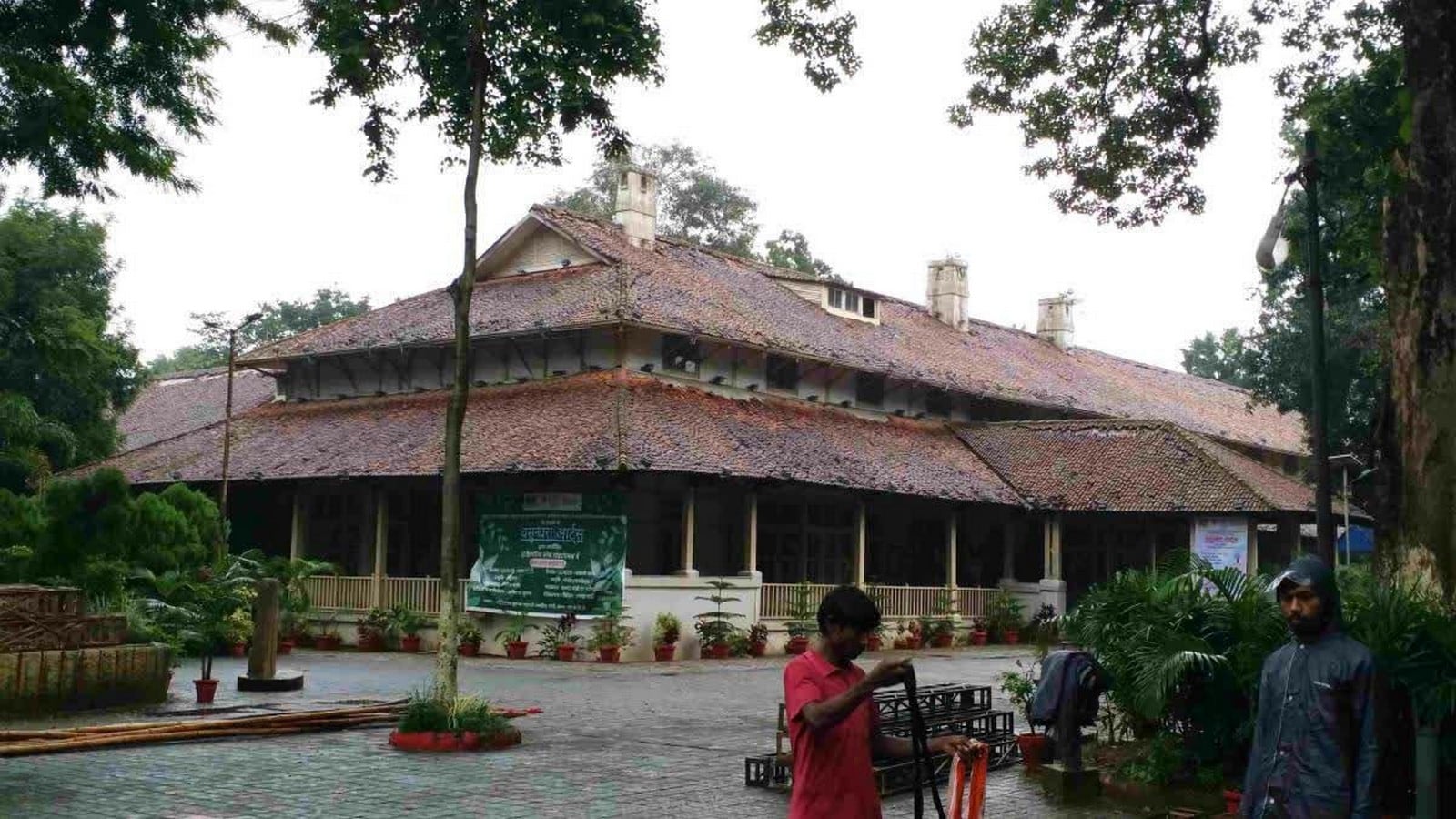
A clever play of mass and void was made to keep the building comfortable, high ceilings for passive cooling along with the well-designed ventilation proved to be extremely efficient and kept the building comparatively cooler from its open surroundings. A very efficient use of the vernacular materials, which were in abundance at the time, when the structure was constructed can be specifically observed. Instead of choosing popular materials like stone or industrial bricks which were easier for construction, the architect took a challenge and constructed the structure with local materials. Local sun-dried mud bricks which were stabilized by horizontal bamboo framing provided excellent thermal mass and structural elasticity. The gently-pitched sloping roof was supported by an intricate framework of local timber rafters. After providing required supports it was cladded with handmade terracotta (interlocking clay tiles also known as khapra) tiles. This wasn’t merely for aesthetics, rather this design features back to centuries ago which protects buildings from heavy rainfall.
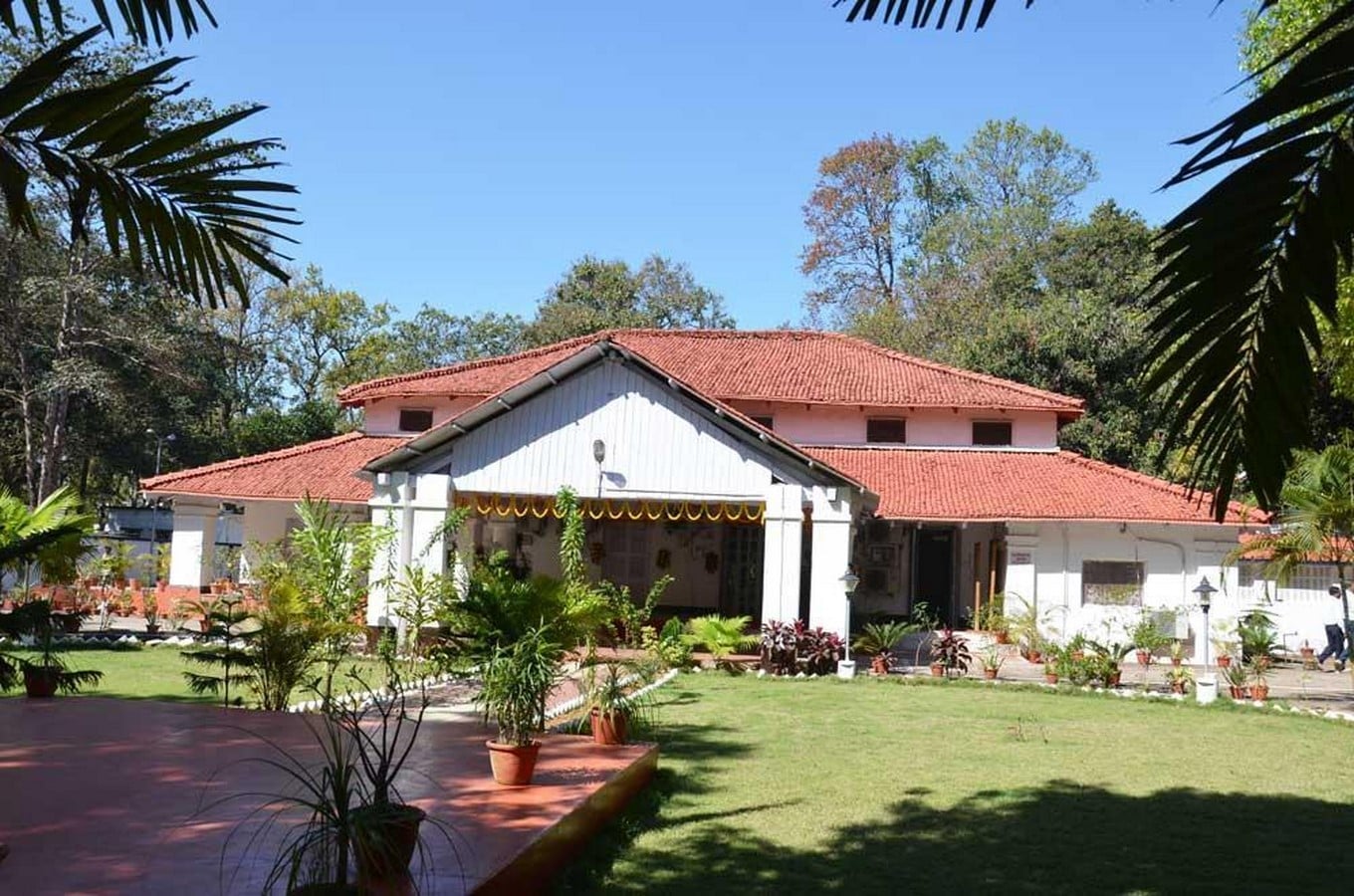
All these calculated yet purposeful features make the building stand out. Even though the style of the building is heavily influenced from the colonial era architecture, its adaptation of vernacular techniques and material usage can be resonated with the traditional heritage architecture of the Chotanagpur Plateau making it a true masterpiece worth recognition.
Audrey House: A colonial enclave
During the colonial era, the building served as a powerhouse for Captain John Hannyington, the Deputy Commissioner of Chotanagpur whose agenda was to expand British rule over the plateau. It was his official residence built to fulfil a mix of colonial administrative and recreational needs of the British. As the British Raj spread its administrative reach towards the indigenous communities of Jharkhand, this enclave became the best possible location for them to operate. It was a colonial base which changed its configuration from being a recreational building to an indoor entertainment hub according to the needs of the officials. Because Ranchi possessed winsome greenery and a cool plateau climate, it rapidly evolved into a favoured holiday destination and sanatorium for British officials looking to escape the oppressive heat of the plains. Audrey House provided a centralized social space for officers to gather. (ETV, 2025)
Journey from being an ‘Imperial Hegemony’ to the ‘Cultural Haven’
The transition of Audrey House from being a colonial ascendancy to a vibrant sanctuary of indigenous expressions encapsulates the idea that constant efforts and meaningful steps taken to save historical architecture, can in turn create wonderful examples of ‘Adaptive Reuse’.
The building was built for the British aristocrats as their recreational spaces with large walls, high ceilings and imposing facades as signs of power creating a physical barrier between the classes. It enforced dominance against the native people and even after hundreds of years stood as a symbol of rigid sign of colonial power and autocracy. However, through a meticulous adaptive reuse initiative, the identity of the structure is not diminished rather is successfully reclaimed as an architectural artifact. Reclaiming the interiors with indigenous art forms and cultural identities, stripping away its exclusionary undertones while preserving its physical heritage.
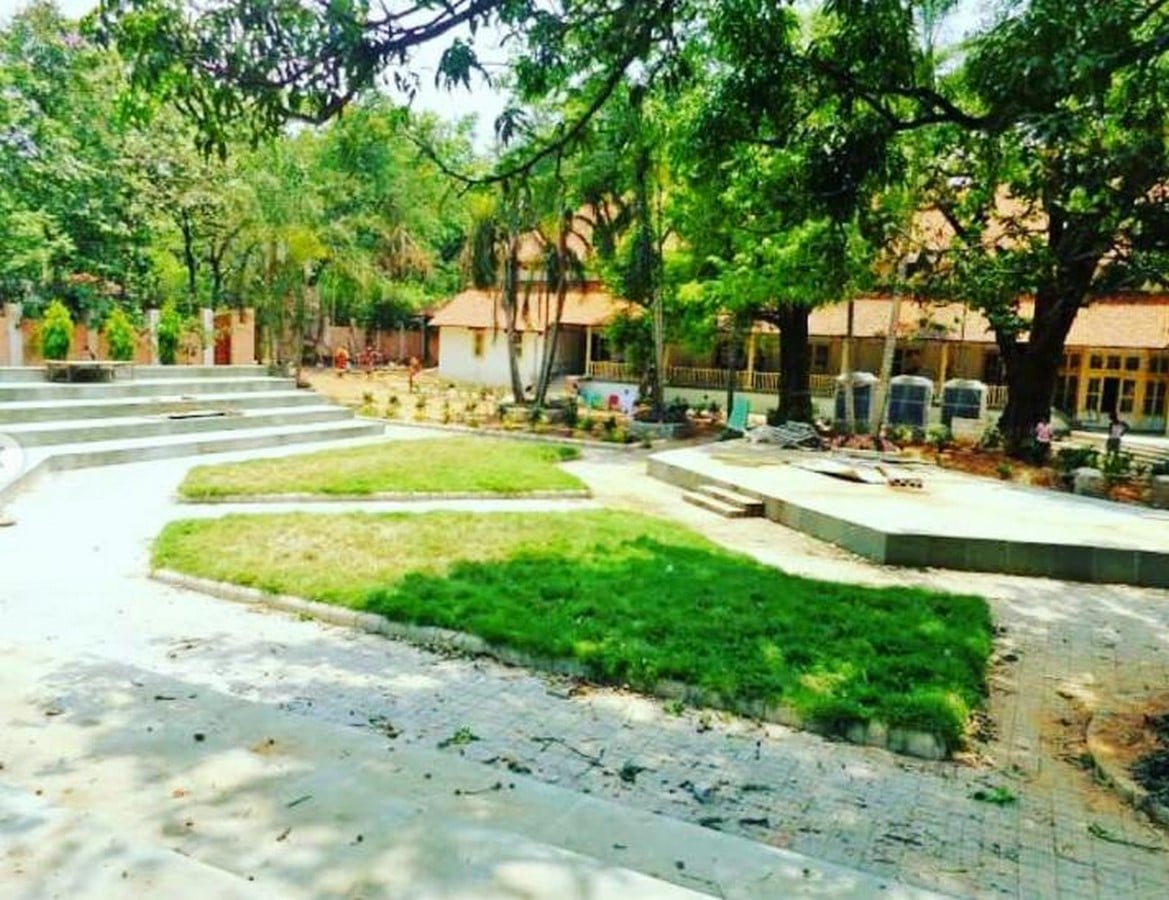
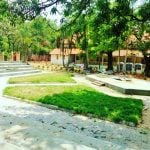
The imposing halls that once housed the administrative machinery of the Raj Bhawan’s summer secretariat have been embellished with ancient stone structures, relics, paintings such as: Sohrai, Khovae etc. and democratized into public galleries and dynamic exhibition spaces. Replacing the imperial decree with the showcasing of ancient heritage identities, a lively open-air amphitheatre, public lawns; Audrey House has effectively shifted its identity and has evolved from a historical monument of absoluteness to a beaming house engulfed with the Spirit of Jharkhand. The shift of this imperial hegemony to a Cultural Haven is a turning point for architectural historians as this is one of the oldest buildings of Ranchi which hasn’t lost its meaning and identity. (ETV, 2025)
The consistent efforts by the governing bodies of Jharkhand successfully established ‘The Audrey House’ into the cultural haven of arts and indigenous culture which stands as a colonial heritage in the heart of this magnificent city and proves to be a milestone for any enthusiast who believes in the notion: A successful adaptive reuse of an old historical building can transform the soul of it and turn it into a masterpiece worth remembering.
References:
ETV, 2025. [Online]
Available at: https://www.etvbharat.com/en/!bharat/audrey-house-in-ranchi-from-colonial-recreation-to-cradle-of-indian-nationalism-enn25081302515
Intach, 2018. [Online]
Available at: http://architecturalheritage.intach.org/?p=564
RMC, 2023. Ranchi Municipal Co-operation. [Online]
Available at: https://www.ranchimunicipal.com/Other_Pages.aspx?wid=Heritaze_AdrayHouse