Architecture progresses the moment its rules are questioned and criticised. This is where experimental architecture begins. A visionary branch of the architectural practice where conventional methods are challenged to reinvent how the natural world is related to, while still meeting the core definition of architecture. The core architectural concerns that remain are inclusivity for all people, including the disadvantaged, combating climate change, and reducing waste. Unprecedented materials, design processes, and philosophies are used to reproduce architectural forms that have never existed before, while utilising the natural environment in its original form.
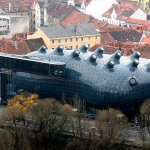
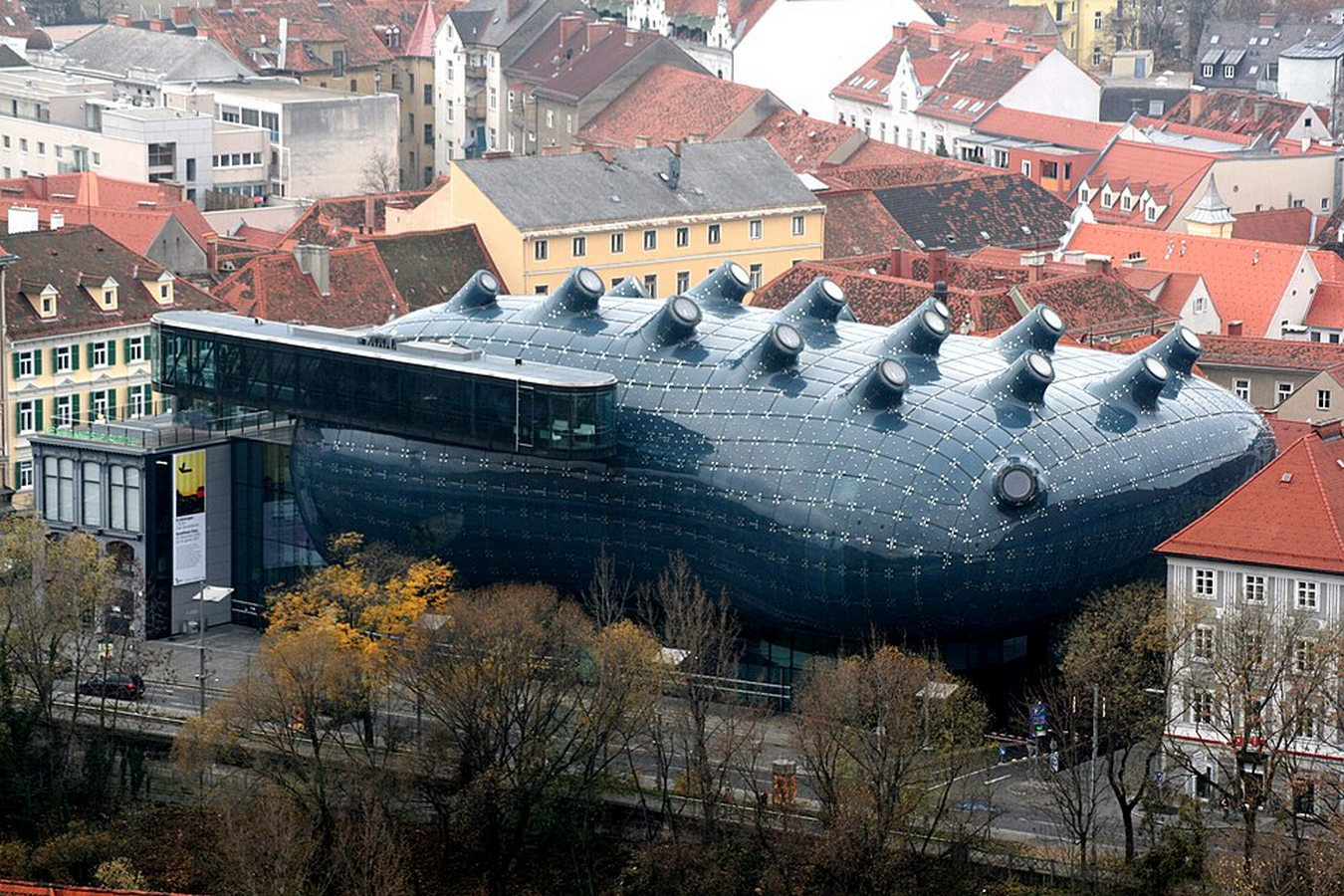
First conceptualised in 1970 by Peter Cook in his book, Experimental Architecture, the practitioners question the limitations of architecture and experiment with shapes, materials, technology, construction methods and social structures. Walls capable of repairing their own cracks, concrete embedded with fungal spores and bricks printed from waste and programmed to absorb carbon are a few of the advancements made in the experimental development of construction materials alone. Here, design plans for the entire lifecycle of a structure. Experimental architecture is often considered a form of paper architecture, referring to architects who make utopian, dystopian, or fantasy projects that were never meant to be built, much like the Kunsthaus Graz, an art museum in Graz, Austria, designed by Peter Cook and Colin Fournier, most notable for its biomorphic form that blends art, architecture, and public space in a historic setting.
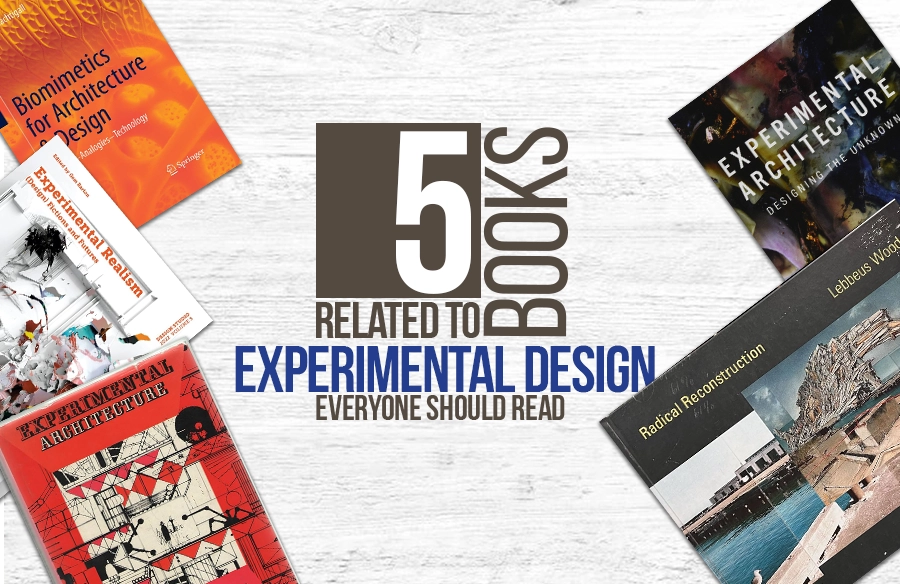
Concepts of experimental architecture tend to make the brain tickle and help further innovation in architectural design. Here are five recommended reads to entertain this design thinking:
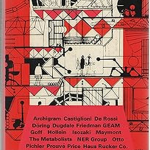
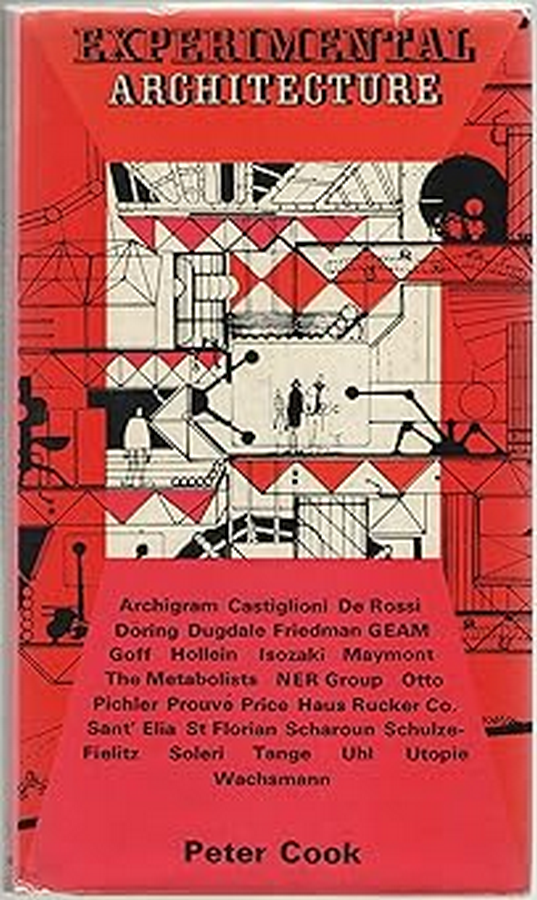
Experimental Architecture, Peter Cook, 1970
This book by Peter Cook is a collection of artistic, technological and social experiments and innovations in architecture from the nineteenth-century Functional Tradition to the Osaka World’s Fair of 1970 and beyond. New types of residences, commercial buildings and institutional structures are discussed with the interrelated effects of architecture and new forms of communication, transportation, entertainment and recreation. Further perspectives include the effects of these levels of interspersion on architectural developments. The read also includes ideas from expressionist and futurist personalities of the time, from Buckminster Fuller, Hans Hollein, Walter Pichler, Kenzo Tange to the members of the Bauhaus and the Metabolists movement. Broadly, Peter Cook describes the basic discipline of the twentieth century rooted in a heritage that can be broadly classified into expressionism, rationalism, modernism and politicism.
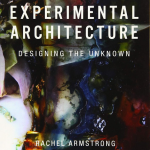
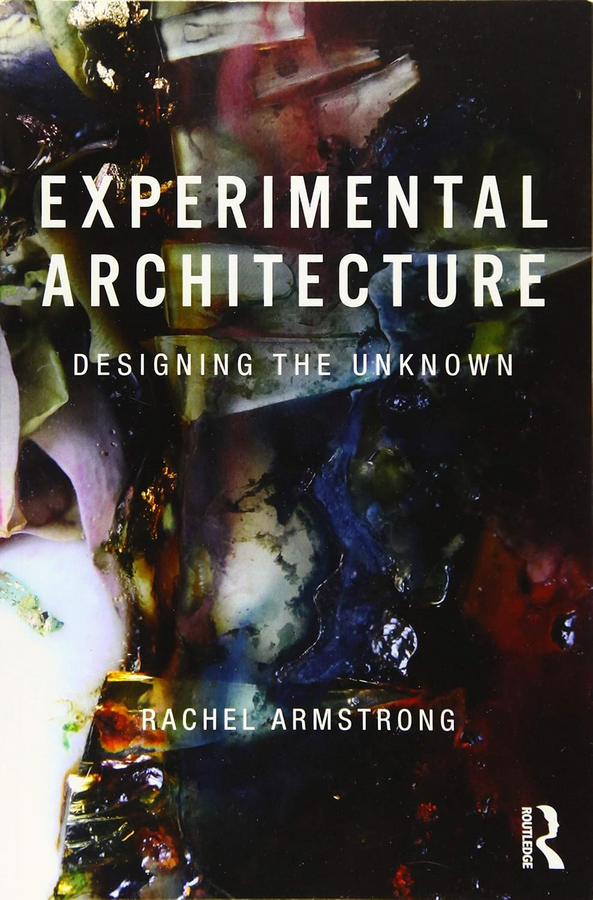
Experimental Architecture: Designing The Unknown, Rachel Armstrong, 2019
For an insight into the theoretical and practical exploration of experimental architecture, Rachel Armstrong’s Designing the Unknown explains how interdisciplinary, design-led research practices are starting to redefine architecture as a profession. Professor Armstrong intersperses architecture with views from experts across mathematics, graphic design, scenography, information technology, bacteriology and robotic disciplines. This thought process invokes radical new ideas about architecture that can be applied in today’s practice. The book also includes a collection of short experiments outlined by designers and biologists working together. Harvested Sunlight tests how a photoautotrophic biomaterial can make energy and clean oxygen, much like bacteria, from light, water and carbon dioxide. PolyBrick 3.0 blends 3D printed clay bricks with living biology by using a gel-like substance made of DNA for glazing. Curious yet? Grab this book.
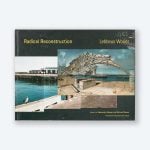
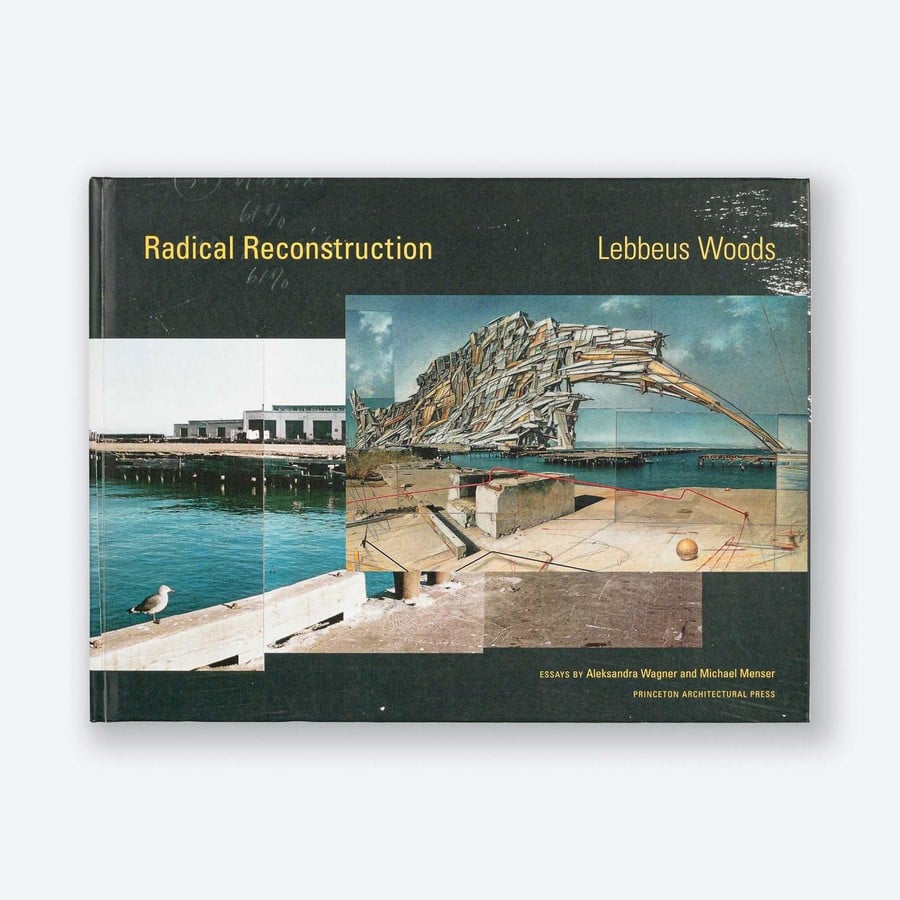
Radical Reconstruction, Lebbeus Woods, 1997
Lebbeus Woods, the 1994 Chrysler award winner for Innovation in Design, is regarded as an original architectural visionary, whose work has served as inspiration for architects, artists and legions of students. In Radical Reconstruction, Woods covers projects across five years from the 1990s, identifying and addressing relationships between architecture and war, political revolution and natural disasters. Woods covers projects that define new approaches to the reconstruction of buildings and urban fabric that were damaged by unpredictable and uncontrollable forces of nature and of man. In this book, Woods points out how this transformation is not in physical structures and spaces alone, but also evident in the ways of living they sustain.
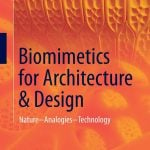
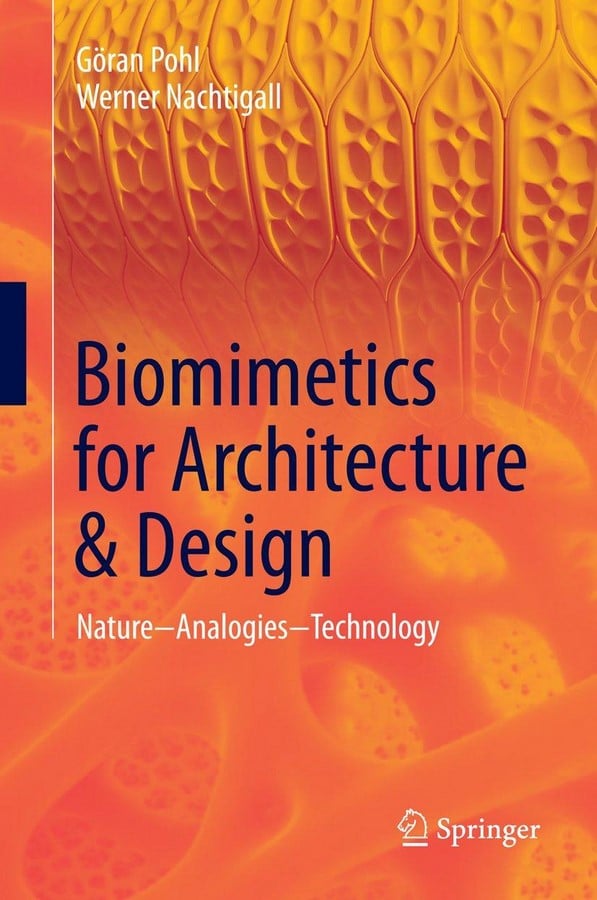
Biomimetics for Architecture & Design, Göran Pohl, Werner Nachtigall, 2015
The biologist Werner Nachtigall and the architect Göran Pohl, both of international recognition in their respective fields, make a combined effort in the experimental application of biomimetic principles in architecture and engineering design. The authors describe principles that can be used to compare nature and technology, identifying and using the conditions of nature’s design in man’s creations. It also touches points on biomimicry, how biological examples can be used as sources of inspiration and translated into architectural solutions. The authors also answer how this approach isn’t just about a solution that imitates nature, but one that leads to a smart, advanced and sustainable design. Natural evolution is seen as a powerful resource for architecture and design throughout the book.
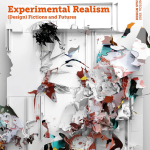
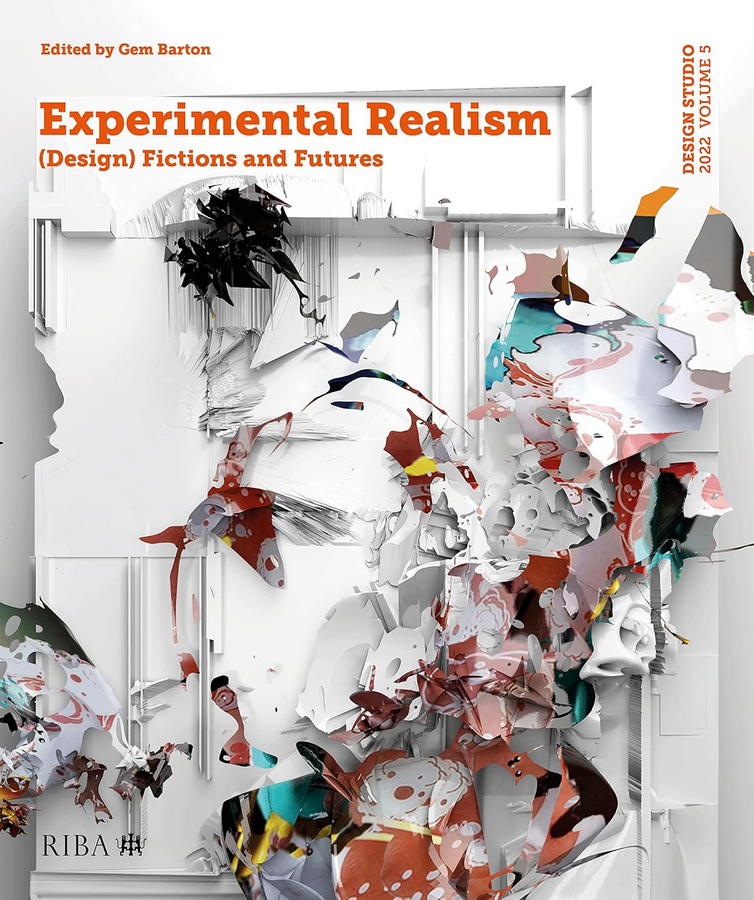
Experimental Realism: Fictions and Future, Gem Barton, 2022
In Fictions and Future, Gem Barton features an eclectic collection of articles that dive deep into the world of speculative design, social fiction and alternative models, exploring new responses to living conditions of a realistic future. This collection provides a vital means to test untried ideas for architects exploring the experimental. In these articles, architects harness the power of fiction to push the boundaries of what is possible and develop alternative societal models. Although these imaginations can be influential aesthetically, like the prisons of Piranesi and the cities of Lebbeus Woods, they continue to remain largely confined to paper or the screen. Speculative design, however, has the potential to advance new inclusive, equitable and desirable futures by injecting the experimental with a new futuristic realism. Experimental Realism is a read for those exploring the real-world application of near-future fantastical storytelling and imaginative literacy.
While Peter Cook’s Experimental Architecture presents the concept of experimental architecture, introducing how to think and break current reforms, Lebbeus Woods and Gem Barton explore the theoretical application of these theories in practice for the future in their books. In Biomimetics for Architecture & Design and Experimental Architecture: Designing the Unknown, Göran Pohl and Werner Nachtigall and Rachel Armstrong showcase the interspersion of experimental thinking across fields of materials, forms, and interaction with nature’s design. Together, this collection of books will set curious minds forward towards inventing new definitions of what architecture could be in the future.
Here are a few more books to pick up, if readers want to delve more into Experimental Design, consider the following books:
- Brodsky & Utkin: The Complete Works (2nd edn) by Lois Nesbitt
- Biomimicry in Architecture by Michael Pawlyn
- Biomimicry for Materials, Design and Habitats by Marjan Eggermont, Vikram Shyam, and Aloysius Hepp
- Experiment in Architecture by Frank Stepper, Timo Carl, and Sarah Blahut
Citations:
Armstrong, R. (2019) Experimental Architecture: Designing the unknown – Rachel Armstrong, Google Books. Available at: https://books.google.com/books/about/Experimental_Architecture.html?id=tz33DwAAQBAJ (Accessed: 30 June 2026).
Barton, G. (2022) Design studio vol. 5: Experimental realism: (design) fictions and Futures, Google Books. Available at: https://books.google.com/books/about/Design_Studio_Vol_5_Experimental_Realism.html?id=gA1yEAAAQBAJ (Accessed: 30 June 2026).
Pohl, G. and Nachtigall, W. (2015) Biomimetics for Architecture & Design, Google Books. Available at: https://books.google.com/books?id=Kb3YCgAAQBAJ&printsec=copyright (Accessed: 30 June 2026).
Woods, L. (1997) Radical Reconstruction, Google Books. Available at: https://books.google.co.in/books/about/Radical_Reconstruction.html?id=N85_QgAACAAJ&redir_esc=y (Accessed: 02 July 2026).
Yogasivam, B. (2024) Book review: Experimental architecture, Peter Cook, Urban Design Lab. Available at: https://urbandesignlab.in/book-review-experimental-architecture-peter-cook/ (Accessed: 30 June 2026).
Borges Ferreira, D. (2024) Kunsthaus Graz: A Friendly Alien Among Historic Landmarks – ArchDaily, ArchDaily. Available at: https://www.archdaily.com/1024004/kunsthaus-graz-a-friendly-alien-among-historic-landmarks (Accessed: 30 June 2026).
Moore, D. (2011) Paper Architects – Spatial Agency, Spatial Agency. Available at: https://www.spatialagency.net/database/paper.architects (Accessed: 30 June 2026).
Rogers, S.A. (2019) Experimental Architecture: Testing New Ideas in Living Laboratories – WebUrbanist, WebUrbanist. Available at: https://weburbanist.com/2019/05/29/experimental-architecture-testing-new-ideas-in-living-laboratories/ (Accessed: 30 June 2026).
Thorns, E. (2017) Minnesota’s Experimental City of the Future that Never Got Built – ArchDaily, ArchDaily. Available at: https://www.archdaily.com/883414/the-experimental-city-of-the-future-that-never-got-built (Accessed: 30 June 2026).
Wikipedia (2026) Experimental Architecture – Wikipedia, Wikipedia. Available at: https://en.wikipedia.org/wiki/Experimental_architecture (Accessed: 30 June 2026).
Woods, L. (2011) RIEA: The Back Story – Lebbeus Woods, Lebbeus Woods Blog. Available at: https://lebbeuswoods.wordpress.com/2011/06/25/riea-the-back-story/ (Accessed: 30 June 2026).
Sahasrabudhe, S. (2025) Exploring the Intersection of Experimental and Futuristic Architecture – Rethinking The Future, Rethinking The Future. Available at: https://www.re-thinkingthefuture.com/technology-architecture/a13177-exploring-the-intersection-of-experimental-and-futuristic-architecture/ (Accessed: 30 June 2026).