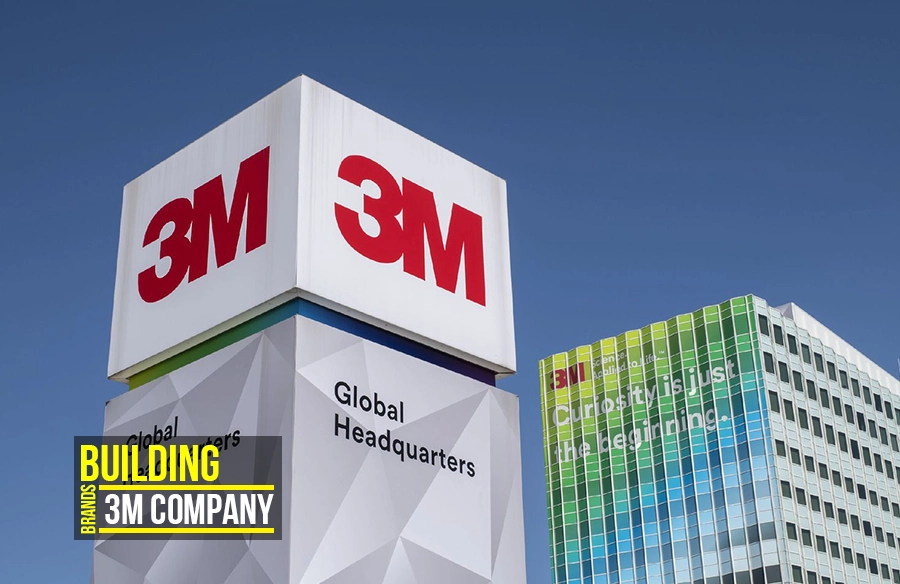
In a world where buildings are no longer merely shelters but powerful expressions of identity and purpose, the materials and technologies behind them matter profoundly. The 3M Company, a global science and technology conglomerate, has quietly become one of the most influential forces shaping modern architecture and interior design. From its robust presence in India — where it was incorporated on 4 July 1987 in Bengaluru — to its ongoing innovations on the global stage, 3M Company has transformed the way architects, designers, and construction professionals approach space-making. As urbanisation accelerates across Indian cities, 3M’s architectural solutions are finding an ever-larger canvas to redefine the built environment.
From Mining Venture to Materials Pioneer: The Origin of 3M Company
The story of the 3M Company begins far from any gleaming skyscraper. Founded in 1902 near Lake Superior in Minnesota, USA, the company was initially established to mine corundum — an abrasive mineral — to supply the grinding-wheel market. The venture soon proved commercially unviable, and the founders pivoted to manufacturing sandpaper instead. That act of reinvention set the tone for everything the 3M Company would become: a brand defined not by a single product but by the relentless application of science to solve practical problems.
Over the following century, 3M Company grew into one of the world’s most diversified technology businesses, operating in industries as varied as healthcare, electronics, transportation, and design and construction. The brand’s identity was quietly rebuilt around its core philosophy: “Apply science in collaborative ways to improve lives daily.” This ethos resonated deeply with the architecture community, which increasingly demanded materials that could deliver aesthetic freedom without sacrificing performance or sustainability.
3M Company in India: Rooting Science in a Rapidly Growing Market
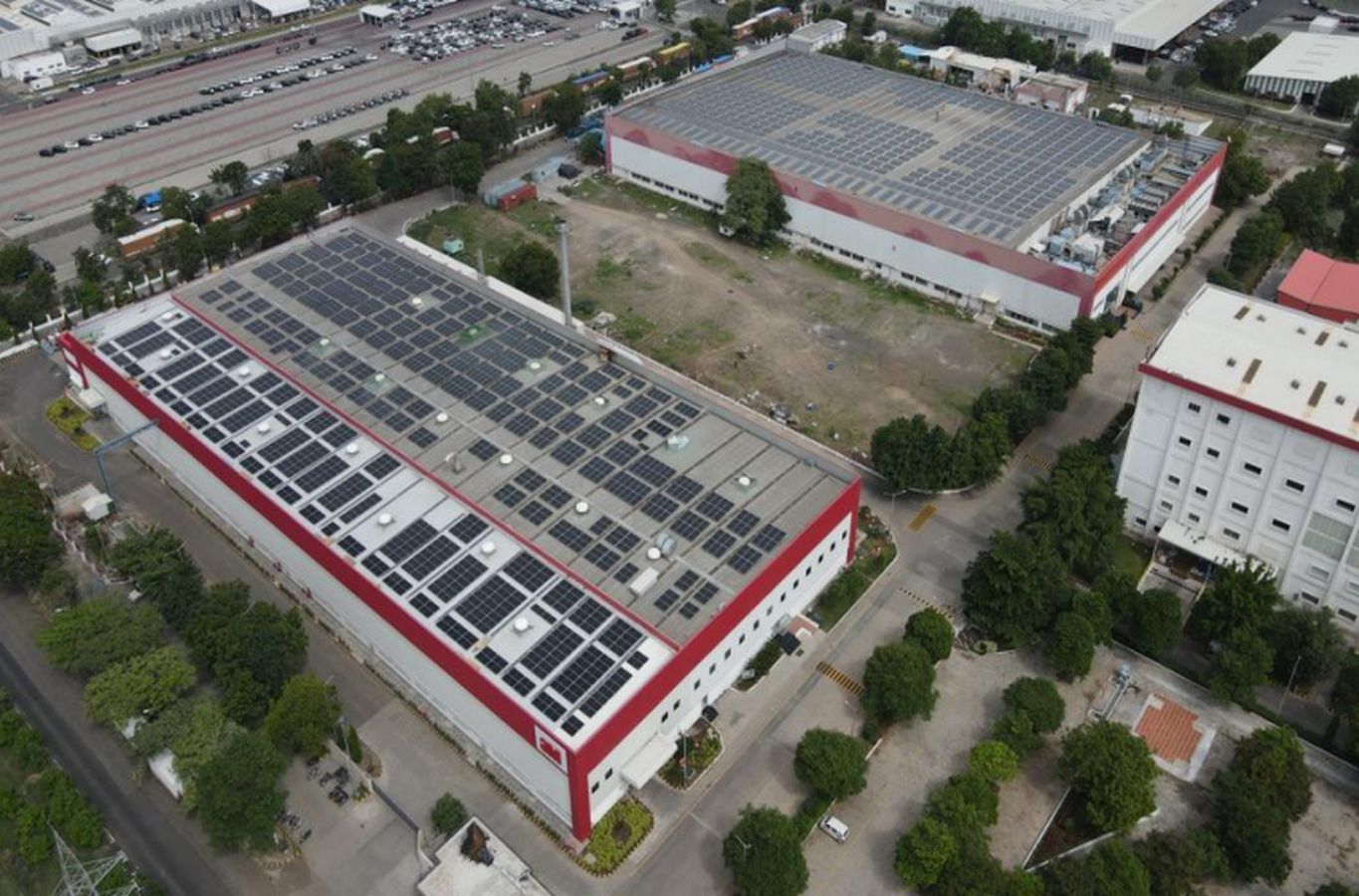
3M Company’s Indian chapter began in Bengaluru in 1987, and today 3M India Limited is listed on both the NSE and BSE (BSE: 523395). The company operates manufacturing plants in Bengaluru, Pune, and Ahmedabad and runs a dedicated research and development customer innovation centre in Bengaluru, which logged over 2,500 customer interactions with more than 24,000 unique customers in 2023 alone. As of March 2025, 3M India employs 1,213 people and has progressively increased the contribution of locally manufactured products — from 52.9 per cent in FY2014 to 59.4 per cent in FY2025 — underscoring its deepening commitment to the Indian market.
Within India, the 3M Company has identified architectural markets as one of its key growth segments, alongside infrastructure, automotive, and electrical markets. The country’s rapid urbanisation, combined with government initiatives such as Make in India and large infrastructure investments, has created a fertile environment for 3M’s design and construction solutions to take root. Whether it is a new commercial office tower in Hyderabad, a luxury hospitality project in Mumbai, or a retail outlet in Bengaluru’s tech corridors, 3M Company products are increasingly present behind the scenes.
3M™ DI-NOC™ Architectural Finishes: Transforming Surfaces, Enabling Vision
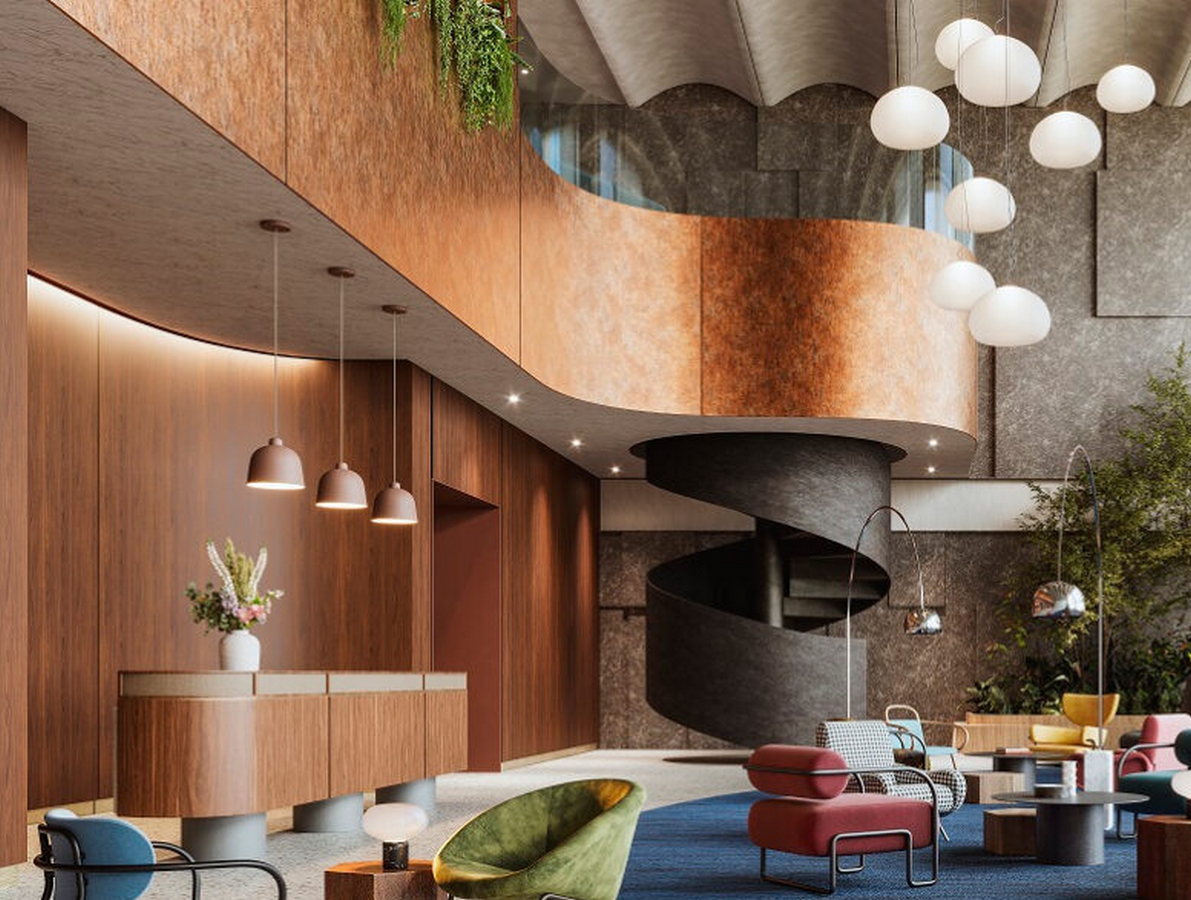
At the heart of 3M Company’s architectural offering in India is the 3M™ DI-NOC™ Architectural Finishes range — a collection of over 900 decorative and functional surface films designed to create striking visual effects on a wide variety of substrates. Available in textures that replicate wood grain, metallic surfaces, natural stone, leather, and textile, DI-NOC™ films allow designers to achieve premium aesthetics without the weight, cost, or environmental impact of the real materials they mimic.
For the Indian architectural context, this is particularly significant. As construction timelines tighten and renovation projects multiply in cities like Delhi, Mumbai, Chennai, and Bengaluru, the ability to refresh and revitalise surfaces rapidly — without generating excessive construction waste or incurring the lengthy downtime associated with traditional refurbishment — is a distinct advantage. The 3M Company’s DI-NOC™ films conform to curved surfaces and complex shapes, making them suitable for everything from door panels and wall cladding to furniture, columns, and reception desks.
The E-Series RC: A Sustainable Step Forward
In a notable step toward circularity, 3M Company recently launched the DI-NOC™ E-Series RC Recycled Content Film. This product’s base layer is composed of 80 per cent post-consumer recycled polyester, while its coloured layer incorporates 20 per cent scallop shell powder as a bio-based filler. As Indian architects and clients become increasingly attuned to the environmental credentials of their specification choices — particularly in projects seeking LEED certification — such innovations position the 3M Company at the forefront of responsible design.
3M™ FASARA™ Glass Finishes: Light, Privacy, and Design Artistry
Glass has emerged as one of the defining materials of contemporary Indian commercial architecture. From corporate headquarters to co-working spaces, glass facades and internal partitions are everywhere. Yet unmediated transparency can compromise privacy, solar control, and spatial definition. This is where the 3M Company’s 3M™ FASARA™ Glass Finishes range offers an elegant solution.
FASARA™ Glass Finishes is a portfolio of over 100 decorative and frosted glass film designs, crafted in collaboration with leading designers around the world. In offices, healthcare facilities, retail environments, hotels, and restaurants across India, these films are applied to existing glass surfaces to achieve graduated privacy, diffused light, or bold graphic statements — all without the disruption and expense of glass replacement. The product line includes frosted gradation finishes, nature-inspired patterns, and geometric designs, each tailored to meet the evolving aesthetic sensibility of Indian interiors.
A key advantage of FASARA™ films for the Indian market is their ease of maintenance and removal. In a country where commercial spaces are frequently repurposed and redesigned, the ability to remove and replace a surface treatment quickly — rather than undertaking a full renovation — aligns with the pragmatic realities of Indian real estate practice. The 3M company backs its FASARA™ installers with rigorous certification, ensuring that the application meets its demanding quality standards.
Design Meets Construction: 3M’s Broader Built-Environment Portfolio
Beyond its decorative films, the 3M Company brings a wide spectrum of products to the built environment in India. Its window film solutions — spanning solar control, light control, protective, and insulating categories — address one of the most pressing challenges of tropical architecture: managing heat gain and glare while maintaining visual comfort and transparency. In Indian cities, where temperatures regularly exceed 40°C in summer, the inclusion of high-performance window films in building envelopes can significantly reduce air-conditioning loads and energy consumption.
The 3M Company also supplies graphic films that allow architects and brand consultants to create high-impact façade graphics and interior environmental branding. In an era when buildings are expected not just to function but to communicate — to tell a brand’s story and engage the public on the street — the ability to print, mount, and, if necessary, remove large-format graphics from building surfaces offers designers a powerful and reversible toolkit.
Further underpinning construction quality, 3M Company’s adhesive tapes and bonding solutions – including the legendary 3M™ VHB™ (Very High Bond) Tape range, first introduced in the 1980s – have become trusted components in facade engineering and interior fit-outs globally, offering alternatives to rivets, screws, and conventional adhesives.
Sustainability as a Brand Pillar: 3M Company’s Environmental Commitment
Few dimensions of the 3M Company brand have been as strategically important in recent years as its commitment to sustainability. In 1975, 3M became one of the first major manufacturing companies to actively address environmental issues, launching its benchmark “Pollution Prevention Pays” (3P) programme. To date, the 3P initiative has resulted in the elimination of over a billion pounds of pollution and generated billions of dollars in savings — demonstrating that environmental responsibility and commercial viability are not mutually exclusive.
For Indian architects and their clients, 3M Company’s sustainability credentials are increasingly a specification consideration. The company’s architectural finishes assist project teams in pursuing LEED credits by reducing landfill waste — refreshing surfaces rather than replacing them — and by using recycled and bio-based content in products such as the E-Series RC film. 3M Company has also committed to investing USD 1 billion over 20 years towards achieving carbon neutrality, reducing water usage, and cutting plastic consumption globally — a commitment that resonates with India’s growing cohort of sustainability-conscious architects and developers.

The Design Visualiser and Digital Tools: Empowering the Indian Architect
Recognising that the architecture and design process is increasingly digital, the 3M Company has developed a Design Visualiser — an online platform through which architects and interior designers can virtually apply 3M™ DI-NOC™ and FASARA™ finishes to their spatial designs before committing to a specification. The tool, available through the 3M India website at www.3mindia.in/3M/en_IN/architectural-design-in/, allows keyword searches, bookmarking, and sharing of sample catalogue pages — features that support collaborative design workflows.
The 3M Company also maintains a network of certified dealers and preferred installers across India, each of whom undergoes rigorous hands-on training and testing to ensure quality installation outcomes. For the Indian architect, this means that specifying a 3M Company product does not end with the selection of a finish — it includes access to a supported supply and installation chain that helps translate a design intent into a built reality.
Innovation as Brand Identity: 3M Company in Global Design Conversations
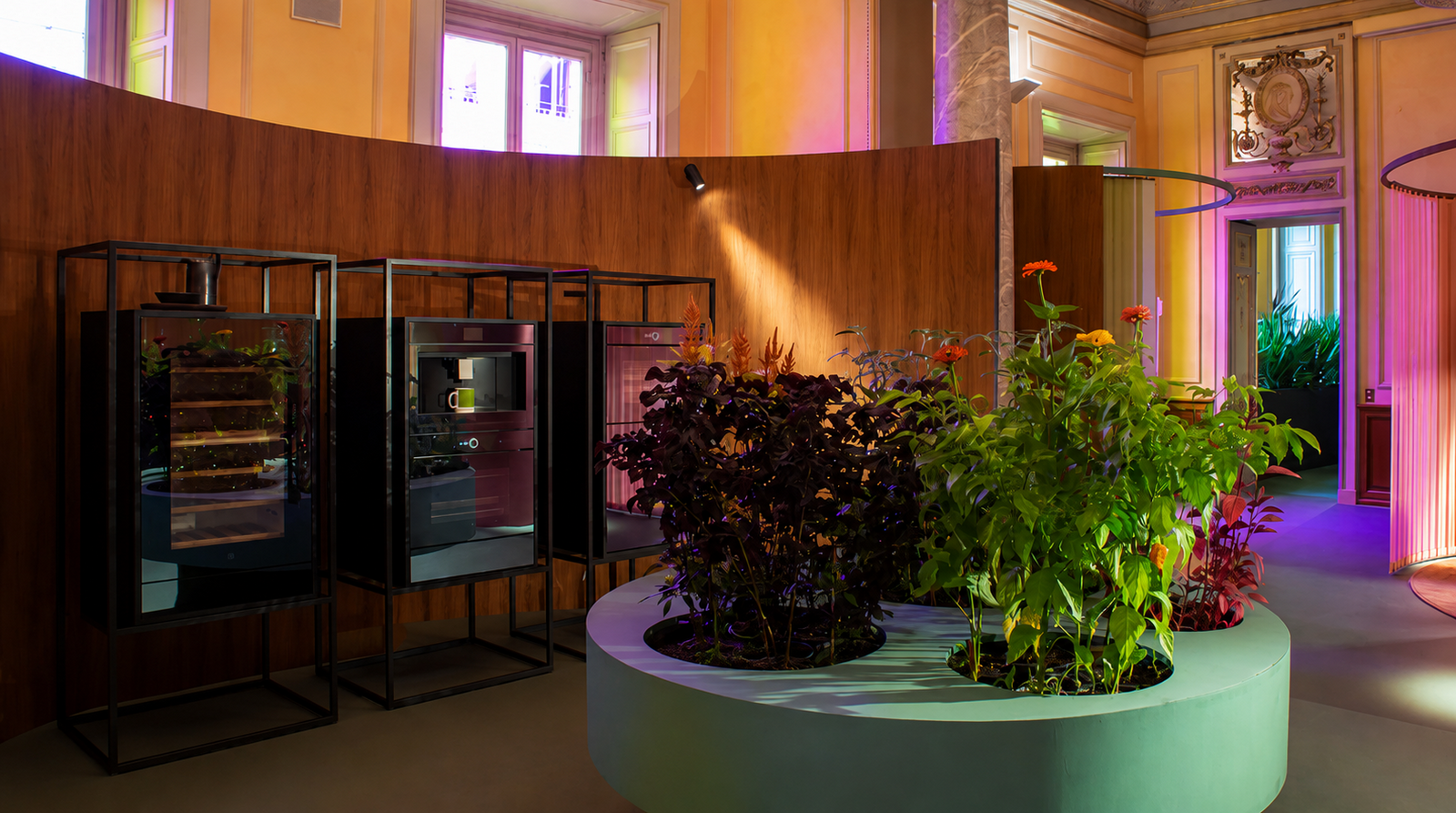
3M Company’s architectural finishes are not developed in isolation. The brand actively participates in global design conversations, including showcases at the Milan Design Week — the world’s largest furnishing and interior design event — where 3M has presented its FASARA™ and DI-NOC™ ranges to international audiences. These engagements are not merely marketing exercises; they reflect a genuine commitment to co-creating materials in dialogue with the design community.
In 2024, 3M Company was recognised by Fortune as one of America’s Most Innovative Companies — a distinction that underscores the brand’s continued relevance as a science-driven enterprise. For the architectural community in India, this recognition is more than a corporate accolade. It signals that the materials and films being specified today are backed by a global innovation machine constantly seeking the next generation of surface technology, adhesive chemistry, and sustainable material science.
The 3M Company’s trajectory — from a failed Minnesota mining venture to a global authority on architectural finishes and sustainable building solutions — is a masterclass in brand reinvention through science. In India, where the pace of urban transformation is unmatched, the 3M Company has positioned itself not merely as a product supplier but as a design partner: one that equips architects and interior designers with the tools, technologies, and technical support needed to realise ambitious visions on time and on budget.
As India’s built environment continues to evolve — shaped by sustainability imperatives, rapid urbanisation, and an increasingly design-literate clientele — the 3M Company’s capacity to blend innovation with practicality ensures that its role in shaping the country’s architectural landscape will only deepen. For every glazed façade that needs a smarter film, every surface that deserves a fresh finish, and every interior space reaching for a higher aesthetic standard, the 3M Company is, quietly and consistently, part of the answer.
References:
3M India. (2025). Architectural Design Decorative Films. [online]. Available at: https://www.3mindia.in/3M/en_IN/architectural-design-in/ [Accessed: 6 May 2026].
3M Company. (2025). Design & Construction Markets and Product Expertise. [online]. Available at: https://www.3m.com/3M/en_US/design-construction-us/ [Accessed: 6 May 2026].
3M Company. (2025). 3M History: Innovation Through the Years. [online]. Available at: https://www.3m.com/3M/en_US/about-3m/history/ [Accessed: 8 May 2026].
3M India. (2024). 3M India Investor Meet Presentation. [PDF]. Available at: https://multimedia.3m.com/mws/media/2410818O/3m-india-investor-meet-presentation-2024.pdf [Accessed: 7 May 2026].
DCF Model. (2026). 3M India Limited: History, Ownership, Mission, How It Works & Makes Money. [online]. Available at: https://dcf-model.com/blogs/history/3mindians-history-mission-ownership [Accessed: 8 May 2026].
3M India. (2024). Business Responsibility and Sustainability Report FY 2023–24. [PDF]. Available at: https://multimedia.3m.com/mws/media/2418918O/3m-india-business-responsibility-and-sustainability-report-2023-2024.pdf [Accessed: 7 May 2026].
3M India. (2025). 3M™ FASARA™ Glass Finishes. [online]. Available at: https://www.3mindia.in/3M/en_IN/architectural-design-in/applications/new-fasara-glass-finishes/ [Accessed: 9 May 2026].