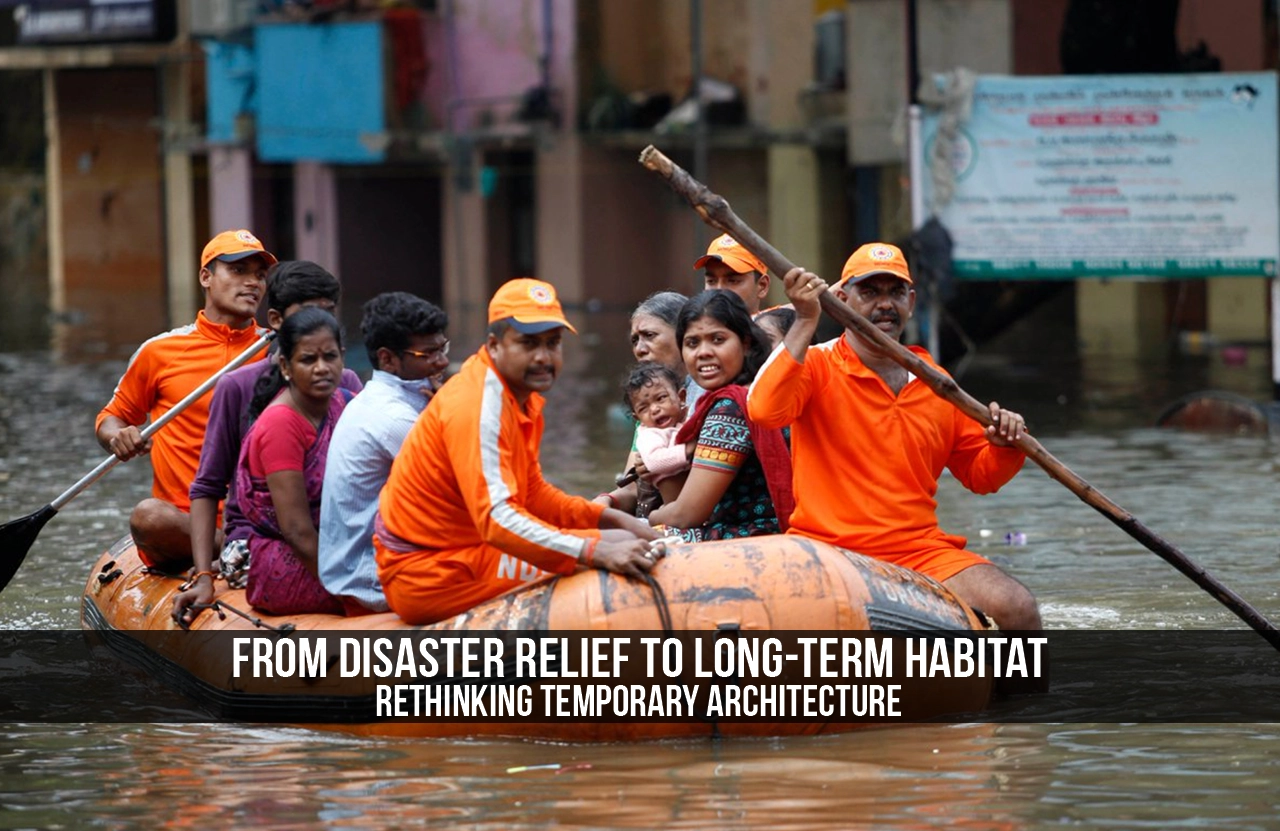
Human actions have in the past caused damage to nature, and now see how nature in turn is destroying humans. We are constantly exposed to devastating news about disasters such as the floods in Assam, which forced more than seven lakh people to move into relief camps in Dhemaji, Jorhat, and Barpeta. Similarly, the floods in Maharashtra and the cyclones in Odisha caused thousands to take refuge in evacuation shelters that eventually became temporary homes.
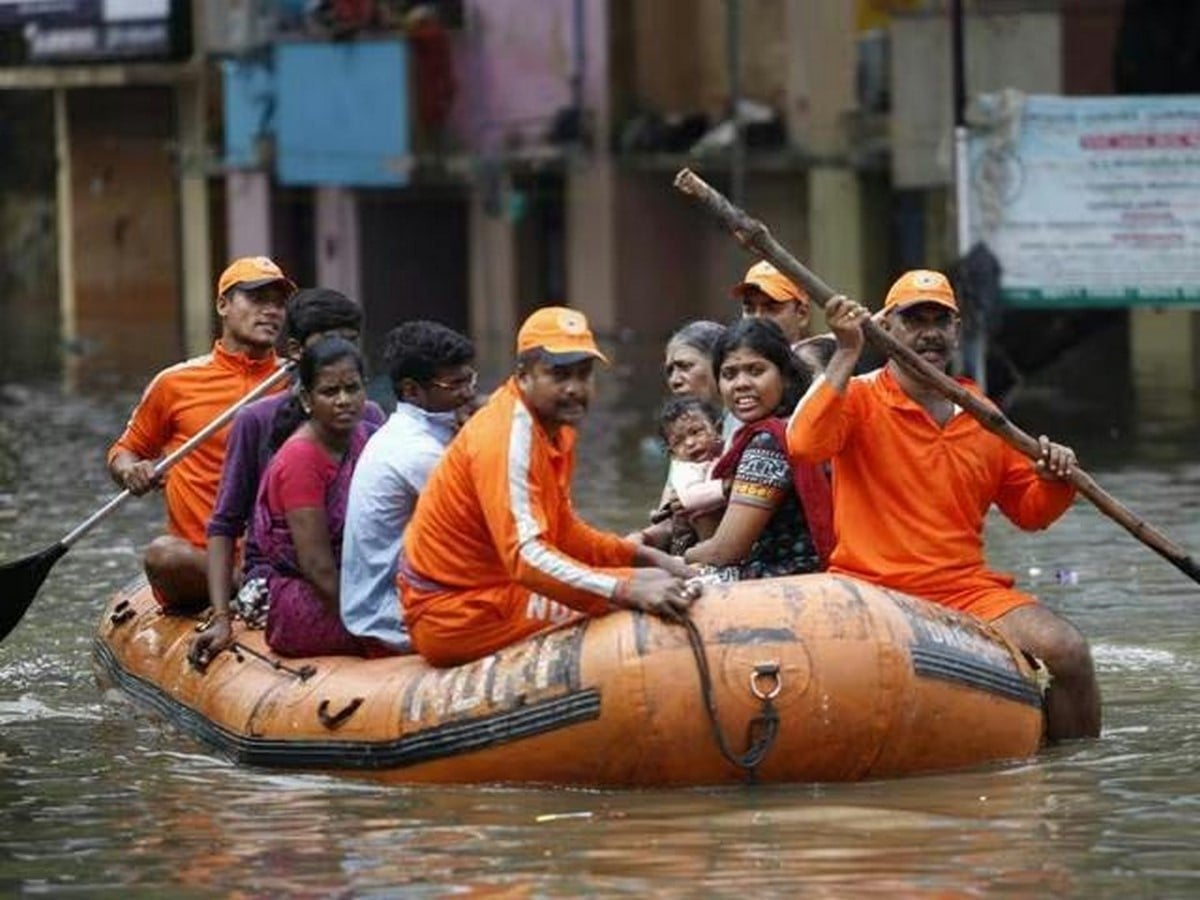
As a result, hundreds of people died and a large number were forced from their homes. They travel to other cities in search of shelter, yet they never realise that they will have to make that new place their home, or in some cases they will have to be displaced once again. However, disasters seldom come to an end when the floodwaters disappear or the cyclone has passed. Families stay displaced, the economies suffer, and the governments have difficulty in carrying out proper rehabilitation.
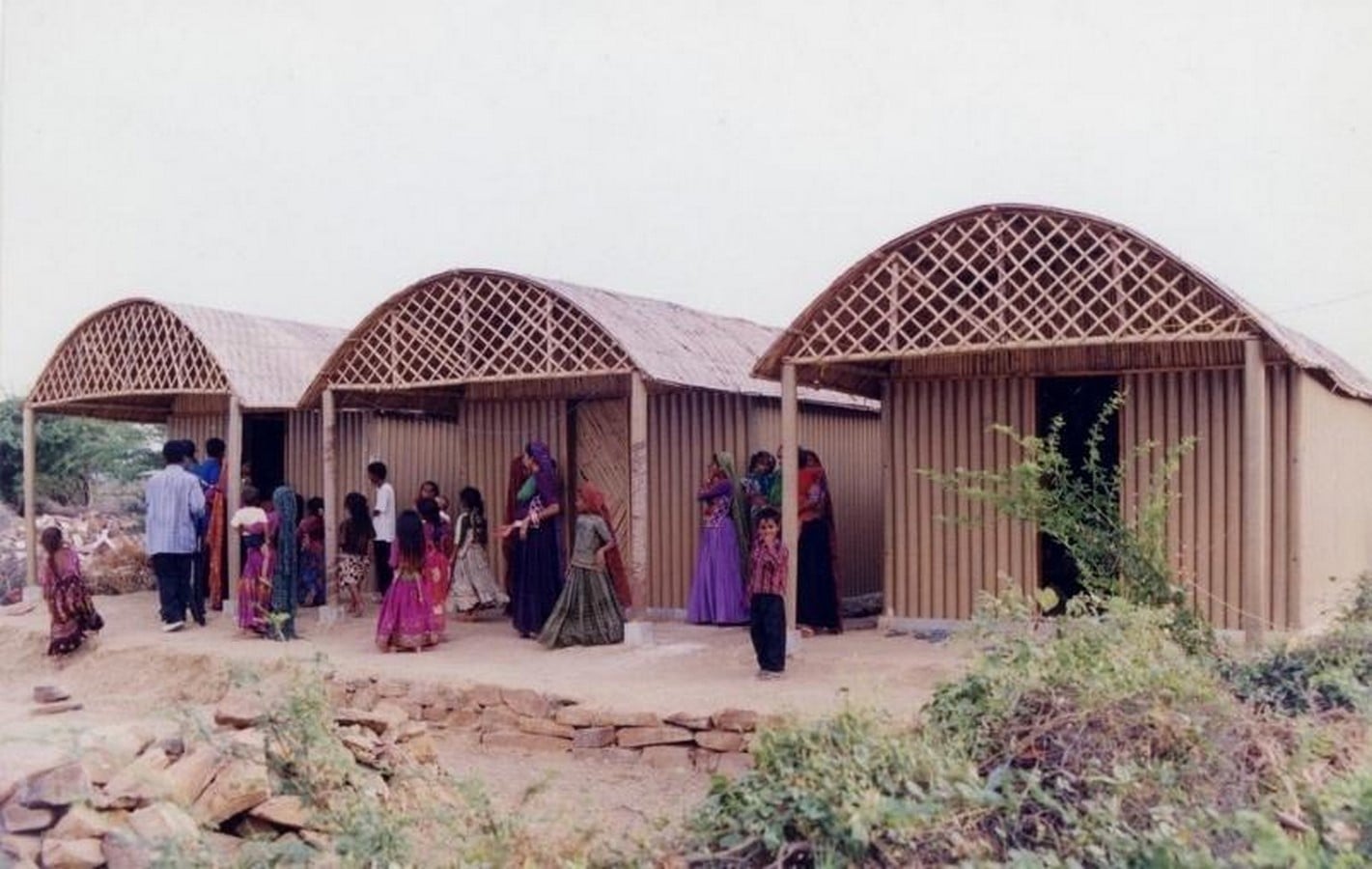
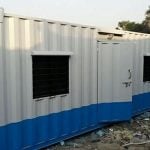
The temporary buildings are intended to be quick, inexpensive, and portable so that they can be put in place for immediate safety; they are usually constructed using tents, prefabricated huts, shipping containers, and so on, and in some cases these areas later turn into slums. The fact that temporary structures can become permanent realities is a paradox which calls for a new way of thinking about temporary architecture.
Across India, temporary shelters have repeatedly transformed into slums:
- In Guwahati flood-displaced families settled on the banks of the Brahmaputra and turned the relief camps into informal colonies.
- In Patna the people who had come from the area prone to flooding from the Kosi River took their bamboo shelters into the city and there they formed slum areas.
- In Mumbai, migrants who had come from the inland areas of Maharashtra during times of both flood and drought ended up in relief camps which later on merged with the city’s extensive network of informal settlements.
- In Cuttack and Bhubaneswar, the cyclone shelters turned into semi-permanent neighbourhoods for families who had been displaced from the coastal areas.
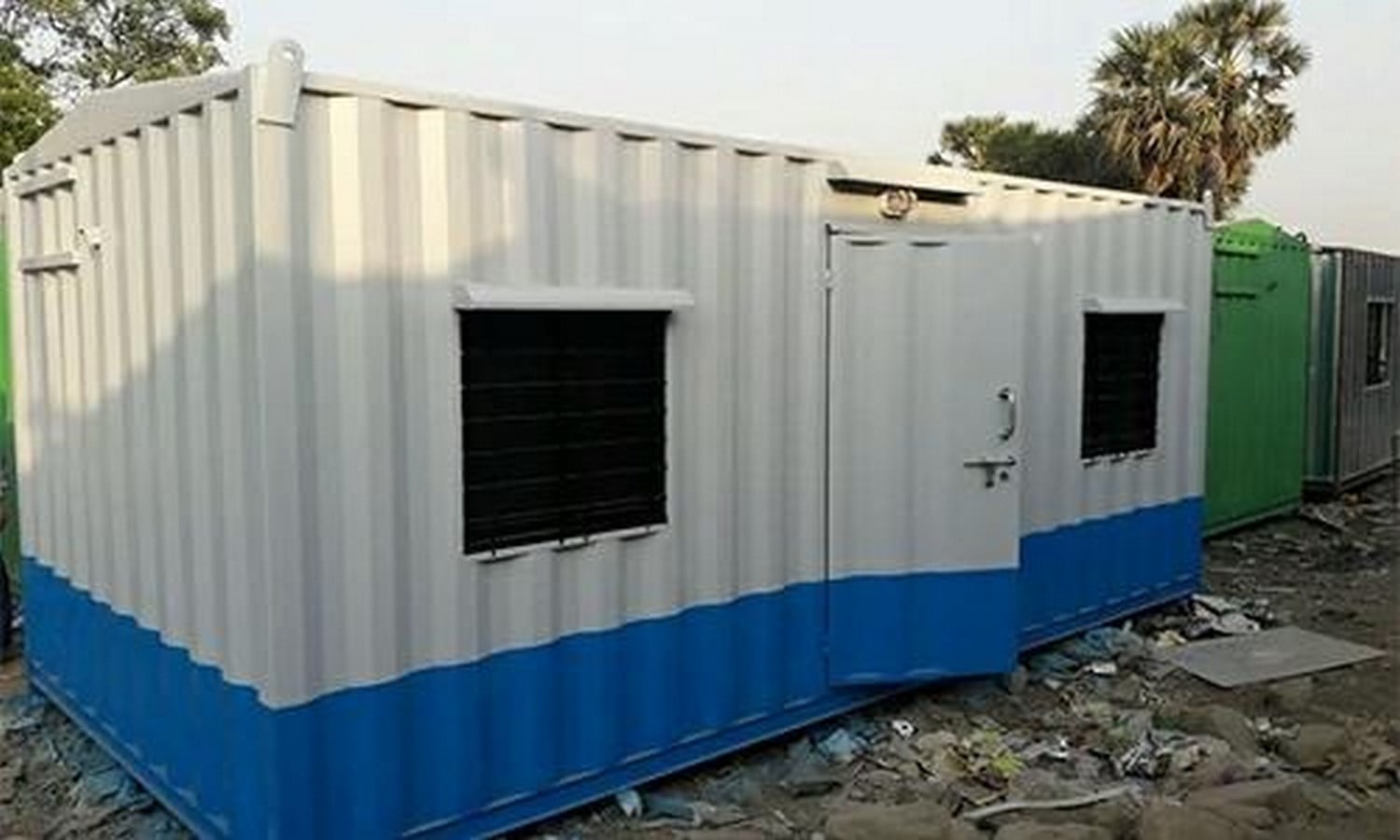
If we are to go beyond the temporary remedies provided in disaster relief settlements, then we must take into account various factors including adaptability, sustainability, and cultural continuity.
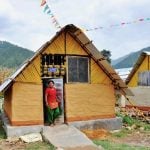
Shelters ought to be modular and flexible in order to cope with changes in circumstances and requirements, and should allow families to expand. A hut made of bamboo could develop into a house of brick; a prefabricated module could be stacked or extended to form a neighbourhood block. Because of their adaptability, relief buildings do not remain static but instead grow with the community.
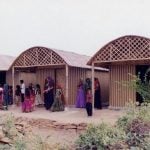
Bamboo, compressed earth blocks, recycled composites and locally obtained timber help to reduce the ecological footprint while at the same time ensuring resilience in the face of floods or cyclones. Relief architecture should not contribute to the environmental crisis which it is aiming to solve. In Odisha experiments with disaster-resilient bamboo shelters have demonstrated that local materials can be both rapidly deployed and long-lasting.
Architecture is more than just providing shelter; it reflects one’s identity. Relief housing should take into account the local traditions regarding space, cooking, and the community. Although a tent can offer safety, a shelter that is sensitive to cultural practices gives people a sense of dignity. For example, in Assam the relief shelters which included verandahs and courtyards fitted the local way of living better than standard prefab units.
Temporary architecture should go beyond providing just housing; it should include schools, clinics, marketplaces, and communal areas. If these facilities are not available, the camps will become slums; but if they are provided, the camps can develop into working neighborhoods.
It is not possible for architecture alone to deal with the problem of displacement. Governments, non-governmental organizations, and planners have to include relief housing as part of their long-term urban strategies. Rehabilitation policies should stress inclusivity by making sure that women, children, and other marginalized groups are not left in unsafe shelters for an indefinite period. When it comes to design, equity means acknowledging that disasters have a greater impact on vulnerable people and that their housing should go beyond being temporary.
In India rehabilitation usually fails since relief camps are seen as separate interventions and not as part of urban planning; incorporating disaster relief into city masterplans would stop camps turning into slums.
The future of disaster relief is in flexible architecture—meaning buildings which start off as emergency shelters but are designed to develop into permanent homes. Picture relief camps in which each tent is a module that can be improved upon, each shelter forming the basis of a later home, and each camp serving as a plan for a tough neighbourhood.
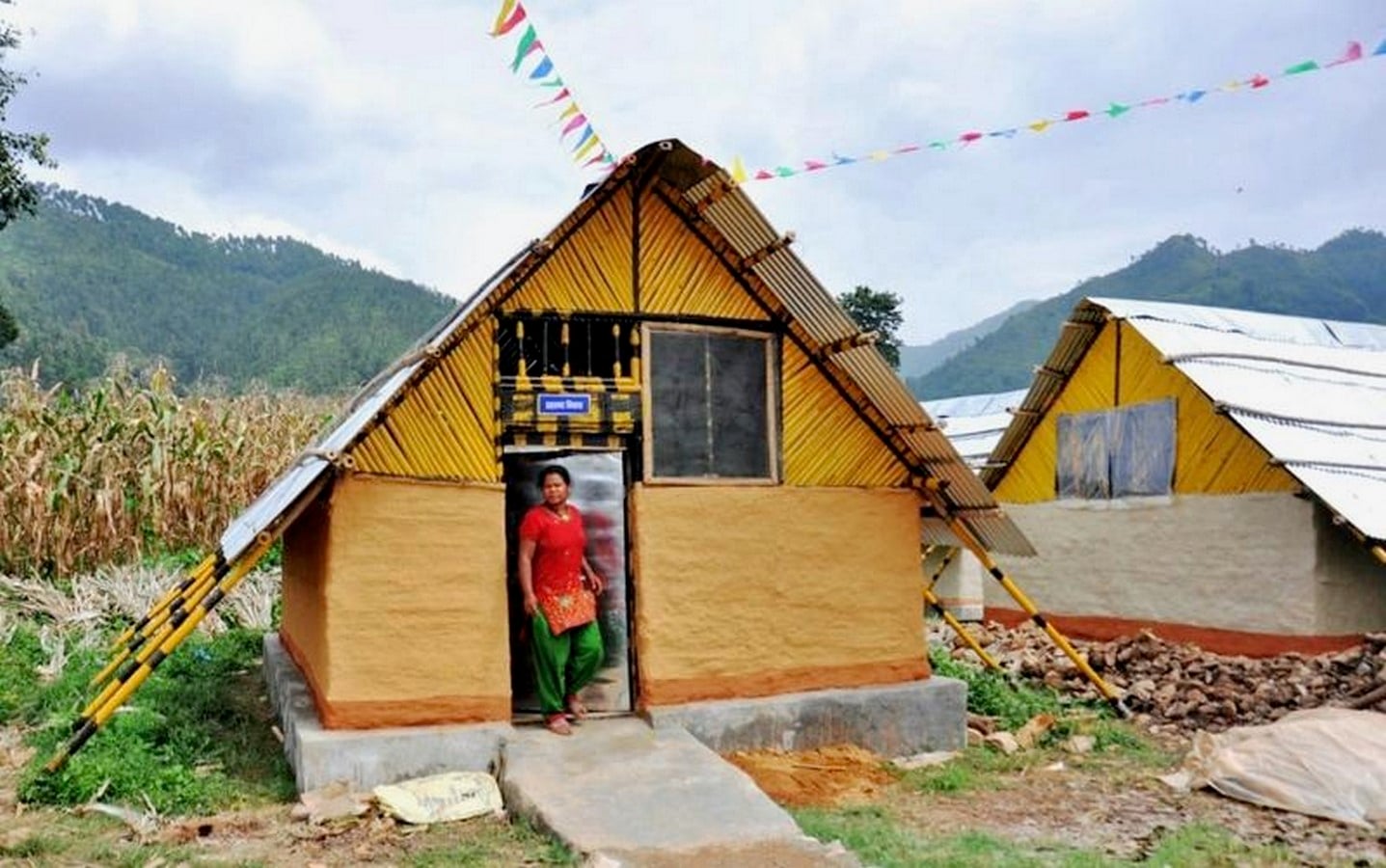
This perspective presents disaster relief not as a temporary measure, but as the very first step in reconstructing lives with dignity. It is an appeal to architects, planners, and policymakers to regard temporary architecture not as something that can be discarded, but as something fundamental.
Temporary architecture is never actually temporary; in India and in other parts of the world, relief shelters frequently end up serving as the architecture of survival for many decades. If we are to reconsider temporary architecture, we have to recognise this fact and plan with foresight. The relief provided should be adaptable, sustainable, and sensitive to cultural contexts. Camps should be designed with the communities in mind rather than merely creating slums. Moreover, policy needs to be based on equity and ecological considerations.
A disaster might be unavoidable, but neglect is not. Since architecture has the potential to turn fragility into resilience, each relief shelter could be more than just a place of safety—it could become the foundation for a future habitat.