
There has always been a problematic paradox embedded in architecture. We set out to design buildings as lasting as possible, sometimes lasting for several generations, as we are keenly aware that the lives being lived inside them are likely to change in ways that will be beyond our control and outside our understanding. Yet for so many years, architecture seemed to proceed as if permanence were not only possible, but desirable as well. That illusion is beginning to fissure.
There is now a realization, and this transcends design disciplines, that longevity is not something attained through resistance to change, but through embracing the very same. Rather than the benchmark for failure now being obsolescence, designers and people alike are now starting to find merit in the need for small, incremental changes.
Seen through this lens, adaptability is no longer a technical feature. It is a cultural value.
Why Replacement Became the Default
A significant part of the twentieth century was marked by the process of architectural development as replacement. The old architecture was replaced by new architecture, and the new architecture was new in the sense that it was clean, better, and modern. Therefore, the concept of growing old was linked to something that is deficient and not a process.
What this thinking about replacement overlooks, however, is this: most buildings do not cease to be buildings. They simply no longer fit. They no longer fit their plans, their functional needs, their notions of function definition. Yet they are ready for many years of useful life with only an adjustment.
This way of thinking appears well beyond architecture. The logic behind aftermarket wrangler parts, for instance, is not about replacing an entire system, but about reinforcing and refining what already works so it can respond to new conditions. Owners rarely approach these modifications as cosmetic upgrades; instead, they assess which components limit performance, durability, or adaptability, and intervene only where change is necessary. The underlying platform remains intact, but its lifespan and usefulness are extended through targeted adjustment rather than wholesale replacement.
Adaptation as an Architectural Mindset
These flexible designs are contingent on embracing the uncertainties already right from the onset. There is a certain level of agreement that there is no way any drawing can determine the needs and intents of the future users.
This is exemplified in flexible structural systems, in service layers that are made accessible, and in material choices decided not only by their aesthetics for opening systems, but also for the way they look with the passage of time. Change, in this case, is viewed within the realms of history.
These things become more human as time passes. They keep the marks of different activities, different eras, and different values. They are not interested in being pure and clean. They are simply interested in being used.
The Environmental Case for Staying Put
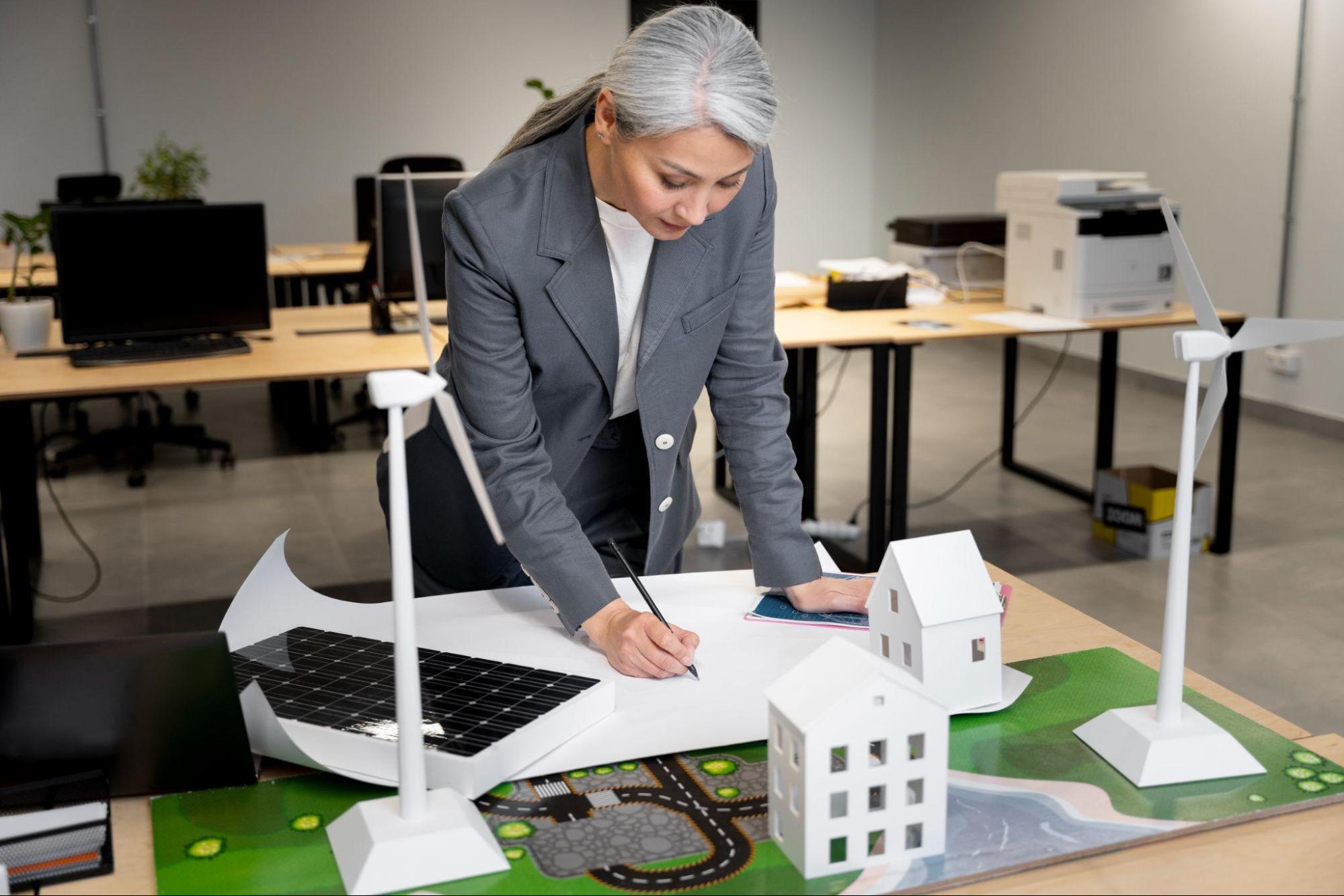 Of course, there is a certain inevitability inherent within the environment related to this conversation. A tremendous amount of embedded energy is present in building structures. Lost when destroyed far too soon, the energy is gone for good.
By retrofitting existing buildings to increase the life span of the building, there exists a huge potential to bring about waste and emissions reductions. Smaller projects can also make a huge difference without requiring work to begin with a clean slate. This has been supported by the publication released by the Ellen MacArthur Foundation in 2024, which has listed extending the life span of buildings amongst the most effective measures to bring about a reduction in the carbon footprint.
Adaptability, in this situation, is better thought of as good design rather than responsible design.
Social Community Matters
A building stands alone in neither physical nor social context. Building is the center of community. Replacement will increasingly become common practice. A known space will be eliminated frequently together with a known memory. A possibility offered by adaptation comes into consideration.
If the development of the building is encouraged, the change that takes place in the area is not a result of displacement, and the area can be identified irrespective of the transformations that occur with respect to the functions.
There are many examples of dearly loved places that already exist in a city and, by no means, cause it to feel perfect or modern.
Letting Go of the Final Design
One of the hardest mind shifts that architects would need to make would be letting go of the concept of the “final design.” “Buildings do not endure through the ages; buildings live in time.”
The function of incremental adaptation is to look beyond the picture on day one, thinking about what may happen to the structure in the future. This requires humility.
This function also requires confidence on the part of the structure because a good system is one with the capacity to adapt without falling apart.
Longevity Doesn’t Mean Standing Still
Long-lasting architecture is in no way connected with the resistance to change. Preparation for change and learning how to modify through incremental development is the best way to make the building relevant, without reinventing the structure.
Therefore, due to the increase in the strength of the environment pressure, the said concept will change from a preference to a necessity. Looking into the distant future, it is possible that the source of success for architectural designs may not be measured based on how it appears beautiful on the first day of its execution but on how it is able to adapt to the environment.
All life exists to be useful. This holds even more true for extremely long life.