From the magnificence of Gothic cathedrals to sleek modern skyscrapers, architecture has consistently evolved to meet human needs with their changing lifestyles. The discipline is facing one of its most important periods of transformation today. Climate change, rapid urbanization, economic factors, technological advancements, and shifting social paradigms are redefining how buildings need to be designed and experienced. The future of architecture will not be defined by a sole monolithic vision of sustainable habitats, boxy grids, or sci-fi films. It will become an elegant confluence of all these together. This change is essential in order to make architecture more adaptable and environmentally friendly, while also improving people’s quality of life within the limits of the planet’s resources.
Sustainability as the Foundation of Future Design
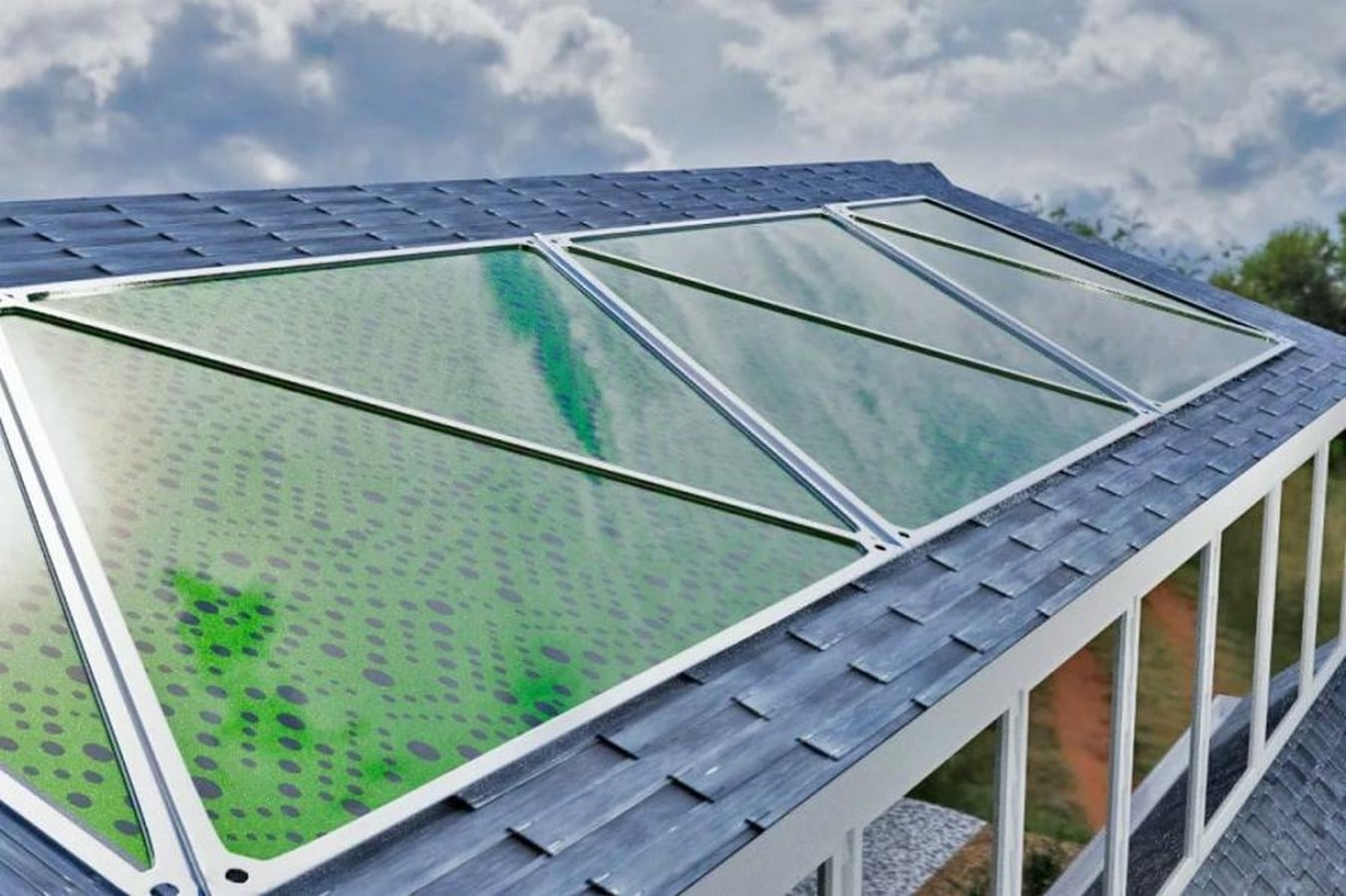
According to the International Energy Agency, buildings are responsible for approximately 40% of global energy consumption and 30% of greenhouse gas emissions (International Energy Agency, 2022). Therefore, sustainability has transitioned from a trend or a marketing tool to a non-negotiable, crucial strategy now. Future buildings will no longer be passive consumers of resources but instead function as active participants in an ecological system (McDonough and Braungart, 2002). In the future of architecture, one can expect the use of bioreactive materials in building facades, such as algae panels that absorb carbon dioxide while generating biomass for energy, taking inspiration primarily from Singapore (Newman, 2017). Geothermal energy piles will be used as foundations to harvest bio energy, tapping into the earth’s stable thermal mass to provide heating and cooling in order to minimise external energy use. Roofs will evolve as components for urban hydrology in order to reuse and filter stormwater from buildings to mitigate the constant strain on municipal corporations. This is not just a way to practice vernacularism, but is a reinvention. Passive solar principles, natural ventilation strategies, and thermal mass strategies are hallmarks of pre-industrial design amplified by real-time environmental simulation and AI advanced architecture, driving unprecedented efficiency and innovation (Fathy, 1986).

Rethinking Standardisation Through Parametric Design
Standardisation has always been a criticized nemesis of architecture. Now, it is undergoing a profound conceptual reclamation. Changing climatic conditions have increased the demand for affordable housing and post-disaster construction. This shift requires innovative and efficient design solutions. However, the future of architecture does not lie in monotonous repetition of identical units. Instead, it lies in parametricism, which can transform how one must design and interact with buildings. This approach harnesses modular systems and considers geometry and material composition suitable for local conditions. Imagine prefabricated structures that automatically adjust insulation and glazing based on real-time climatic data at both macro and micro levels. Consider digitally fabricated facade components with varying opacity and textures that respond to the sun path and visuals of the surrounding neighborhood. It is a return of architecture as a teachable craft, now upgraded by digital precision and logistical efficiency.
Embedded Intelligence and Human-Centred Buildings
While there are advances in robotics and responsive building architecture, the most significant inclination is toward ’embedded intelligence’. Embedded intelligence is a modern solution for self-assessments. It is a technology where systems can analyze and assess their own performance. The world is moving forward at an alarming speed, and organizations need to be able to keep up with the transitions happening worldwide. The future buildings will learn occupant circadian rhythms to regulate light quality and intensity for optimum health benefits and efficiency. Embedded sensor networks will anticipate maintenance needs even before failures occur, shifting from a reaction to a prediction method. A building can be made energy efficient and technology-driven, but if it reduces human comfort, privacy, or limits social interactions, it has failed in its main purpose. Therefore, one can highly anticipate a future of architecture that will focus on creating smart buildings that quietly support and care for the people living in them in a safe and responsible way.
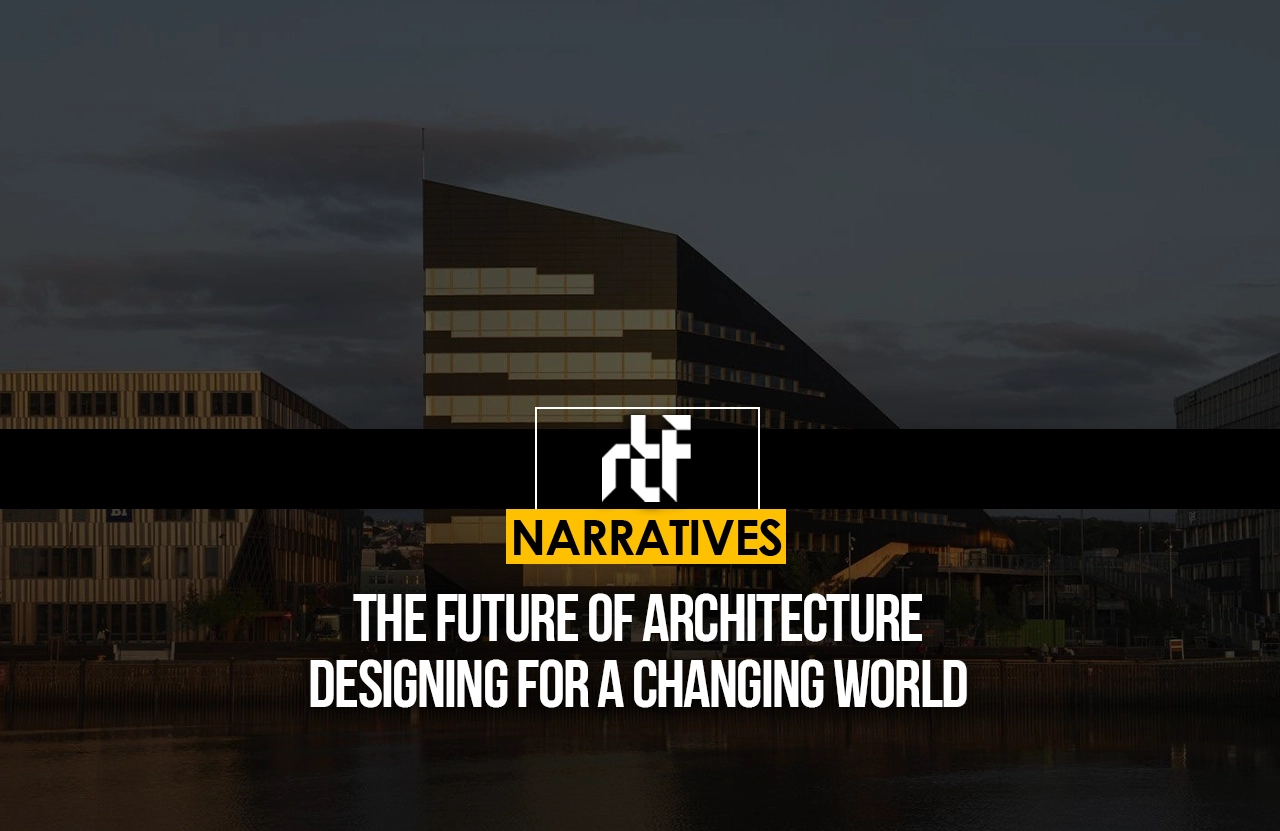
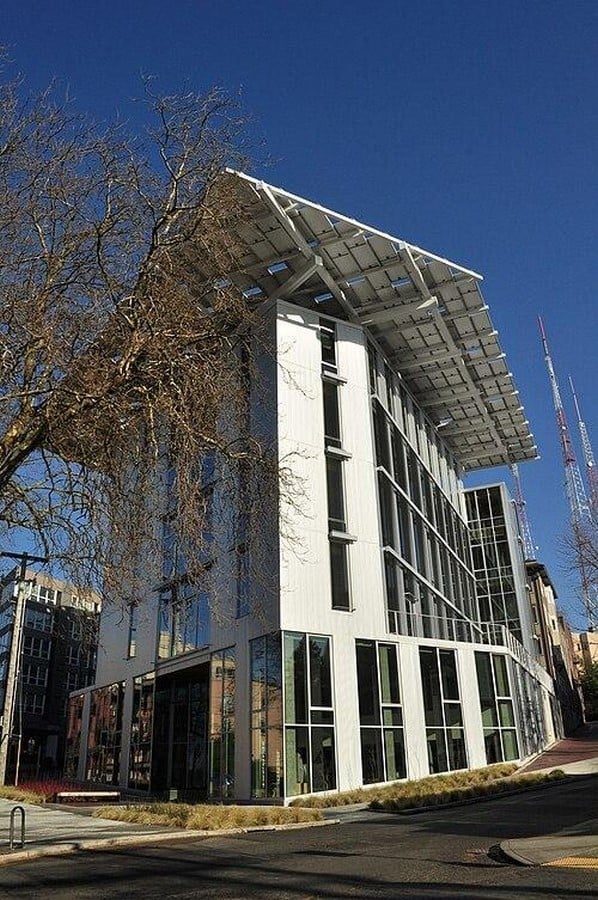
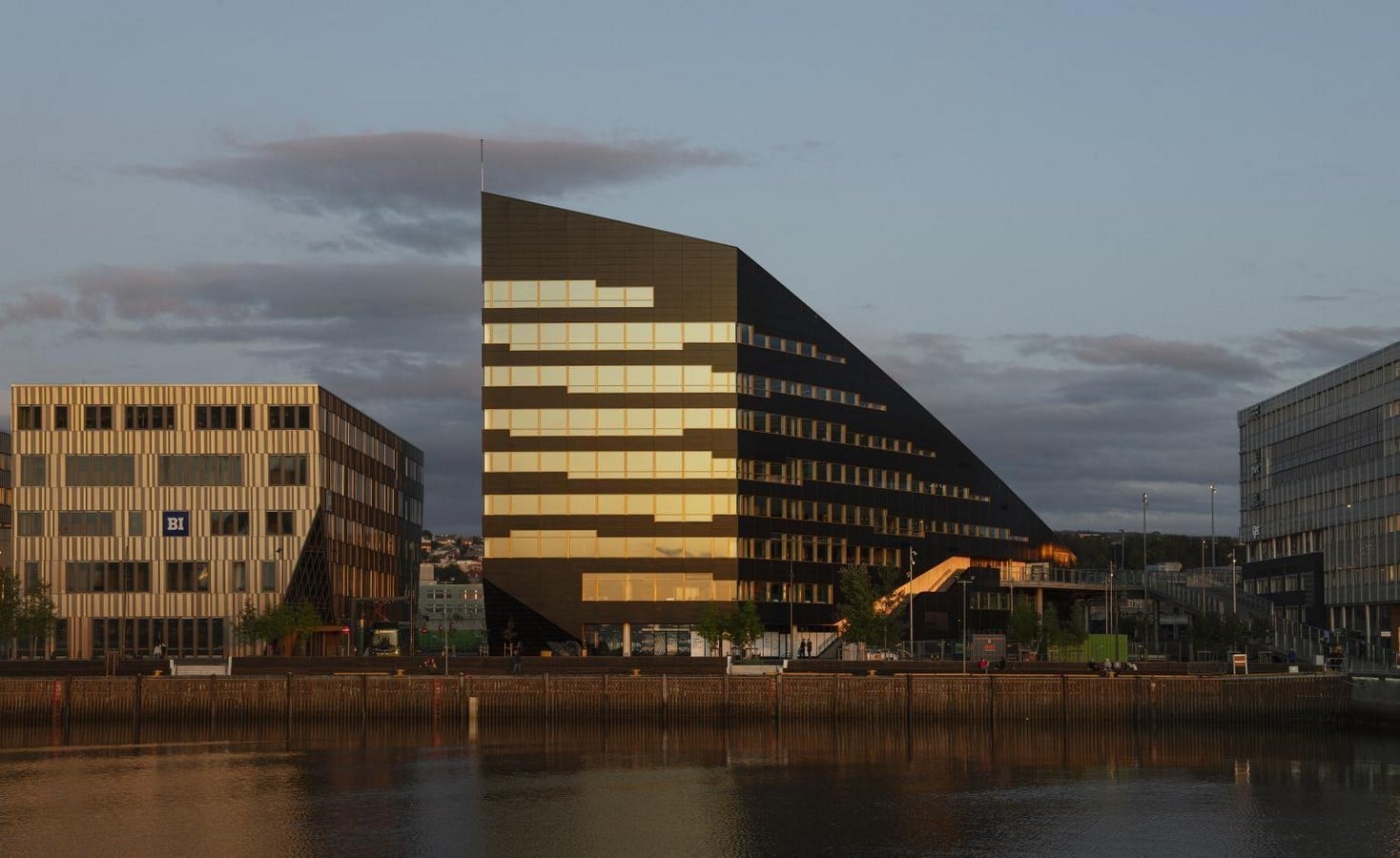
Projects like the Bullitt Center in Seattle (a certified Living Building) or Powerhouse Brattorkaia in Oslo (an energy-positive office building) are clear examples that sustainability, smart standardisation of renewable systems, and intelligent building designs can coexist seamlessly. Similarly, the rise of mass timber construction is a potent symbol. Cross-laminated timber (CLT) offers a standardised, prefabricated system enabling us to see that high-rise buildings can be constructed by using sustainable material as well, offering a subtle yet powerful counterpart of other materials such as concrete and steel that have dominated the field of architecture in the 20th century. Simultaneously, its warmth, biophilic qualities, and structural integrity allow the occupants to reconnect with authentic material. This material choice embodies a form of professional nostalgia with an enduring capacity to create spaces that are resonant and authentic.
The Changing Role of the Architect
This future of architecture needs new kinds of architects who are fluent in environmental science to understand complex life-cycle, digital fabrication norms, skilled in social research to ensure profitable outcomes, with a strong commitment to ethics, in order to understand the implications of technology. Their primary tools will extend beyond the traditional sketchbooks, AutoCAD, and SketchUp, but will include simulation software, co-design platforms for communities, and real-time data analytics strategies. The focus will not only be to design something iconic but also to create flexible and durable spaces that can adapt over time.
Towards a Resilient Architectural Future
In conclusion, the future of architecture will be pluralistic, rejecting the dilemma of choosing between one kind of architecture, but will be an integration of sustainability, efficiency, affordability, and technology. It will be a field where sustainability provides the ethical and physical ground, smart standardisation offers a scalable and responsive design, while embedded intelligence provides the safety and attentiveness needed for the fast-paced life. The result will not be a duplication of the past, nor will it be a whimsical projection from a comic book. It will be something unmistakably and profoundly human that is resilient to a changing climate, impartial towards society, legible in its material selection, and alive with a purposeful intention. This will not be science fiction; it will be logical, necessary, and a hopeful next chapter for architecture whose ultimate purpose has always been to build not just for the present, but also for the future.
Citations:
Fathy, H. (1986) Natural Energy and Vernacular Architecture. Chicago: University of Chicago Press.
Frampton, K. (2007) Modern Architecture: A Critical History. London: Thames & Hudson.
Green, M. and Karsh, E. (2012) The Case for Tall Wood Buildings. Vancouver: mgb Architecture.
International Energy Agency (2022) Buildings Sector Report. Paris: IEA.
International Living Future Institute (2021) Bullitt Center Performance Report. Seattle: ILFI.
Kolarevic, B. and Parlac, V. (2015) Building Dynamics: Exploring Architecture of Change. London: Routledge.
McDonough, W. and Braungart, M. (2002) Cradle to Cradle. New York: North Point Press.
Newman, P. (2017) Biophilic Urbanism. Singapore: Springer.
Pallasmaa, J. (2012) The Eyes of the Skin. Chichester: Wiley.
.