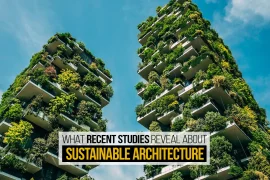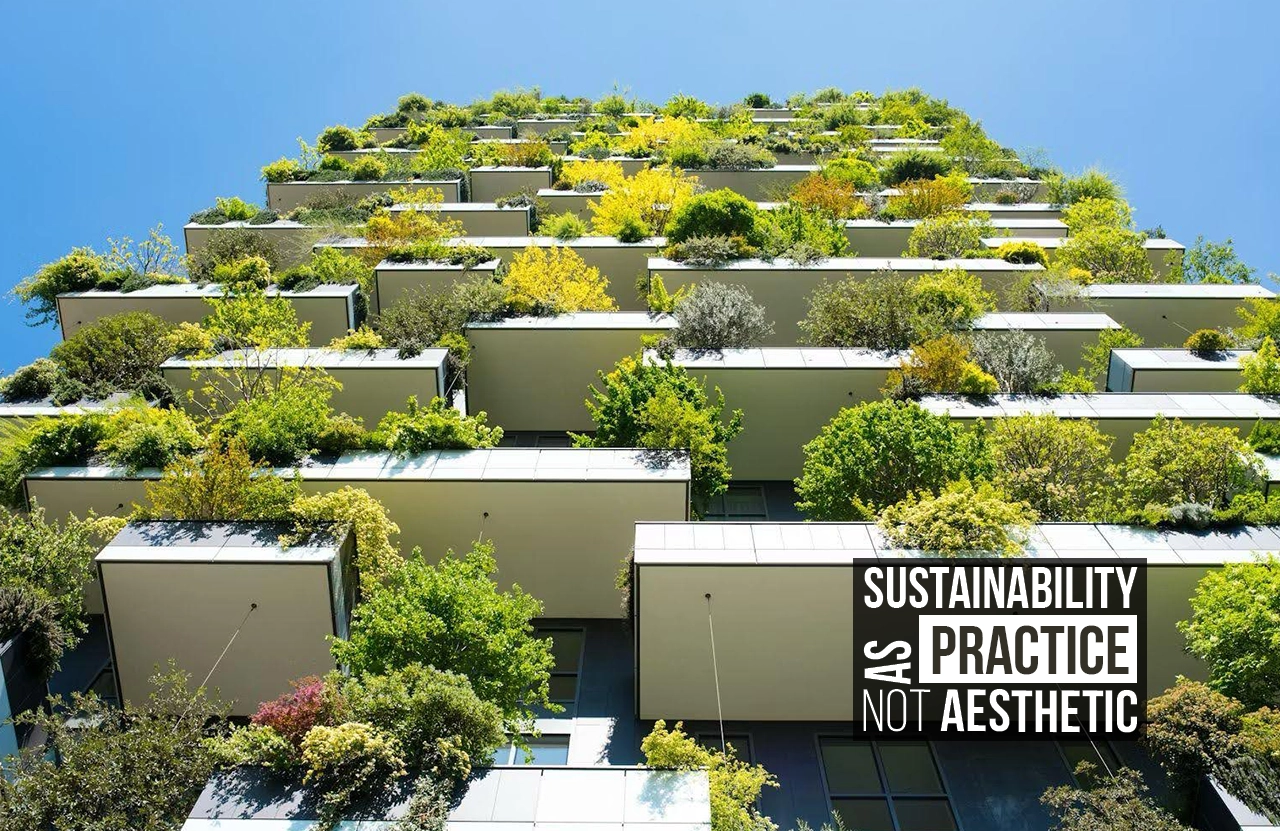
Sustainability in today’s context is often something we see before we understand. The materials, color palette, green infrastructure, rooftop gardens, vernacular implementation, solar panels, etc. All these components are perceived and have become familiar visual markers of what is considered sustainable architecture in any urban context. But at times, it feels like sustainability is being treated more as a lifestyle in modern content. It is perceived as a design language trends than a lived reality necessity
According to Oxford, sustainability refers to “the ability to be maintained at a certain rate or level,” while practice is understood as “the actual application or use of an idea. When placed together, it defines something that is not fine. but continuously shaped by use, behaviour, and context.
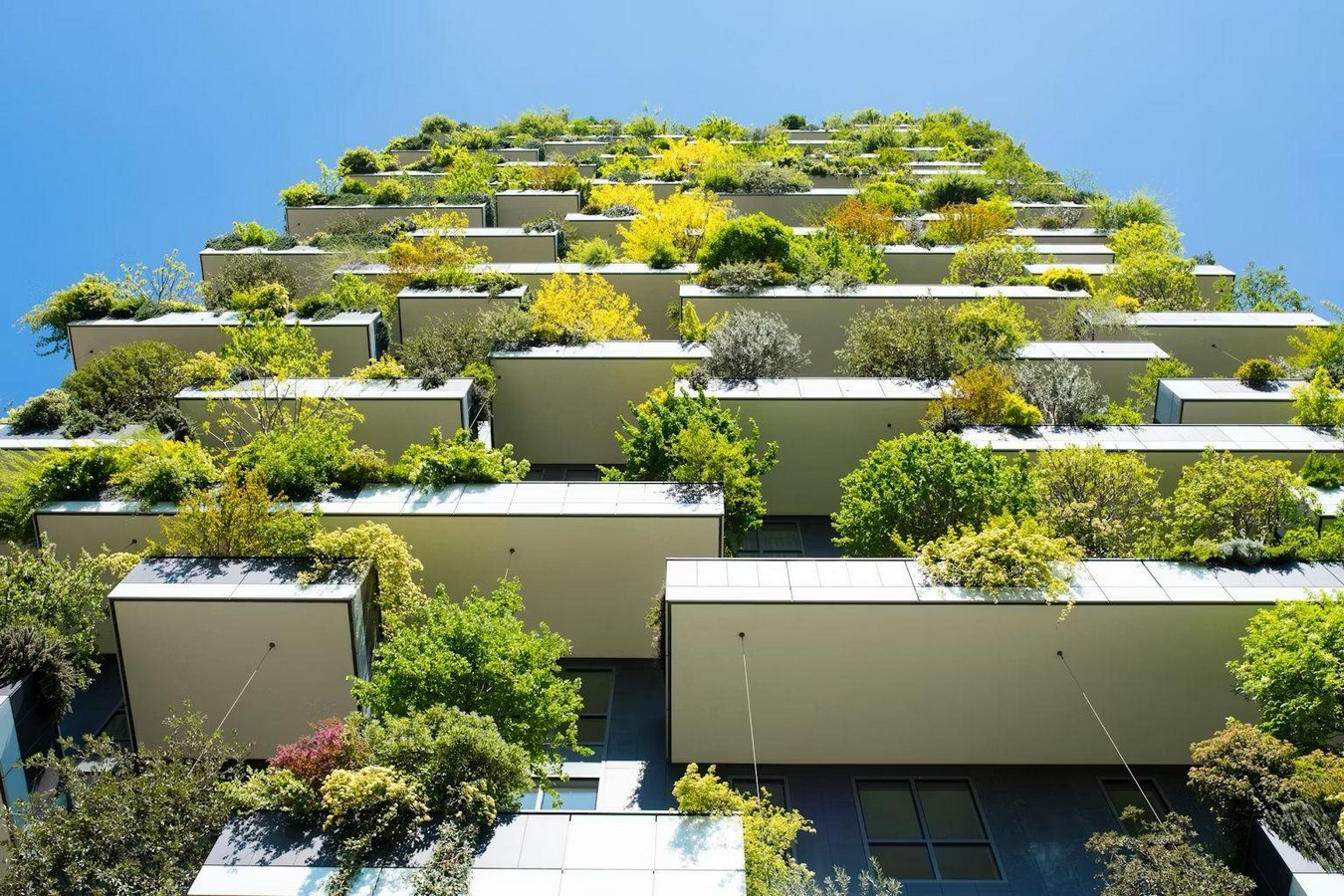
In our local and traditional environment. Sustainability, often seen as a shared experience, is demonstrated in everyday life practice rather than design intentions. These practices are often shaped by the availability of resources, climate responsiveness, and cultural awareness
For instance, while travelling through a small town, Kakarvitta, Nepal
You’d see smalll sale adoptalion such as home-based shops, small vernacular stalls, shaded verandas, etc., reflecting sustainable settings.
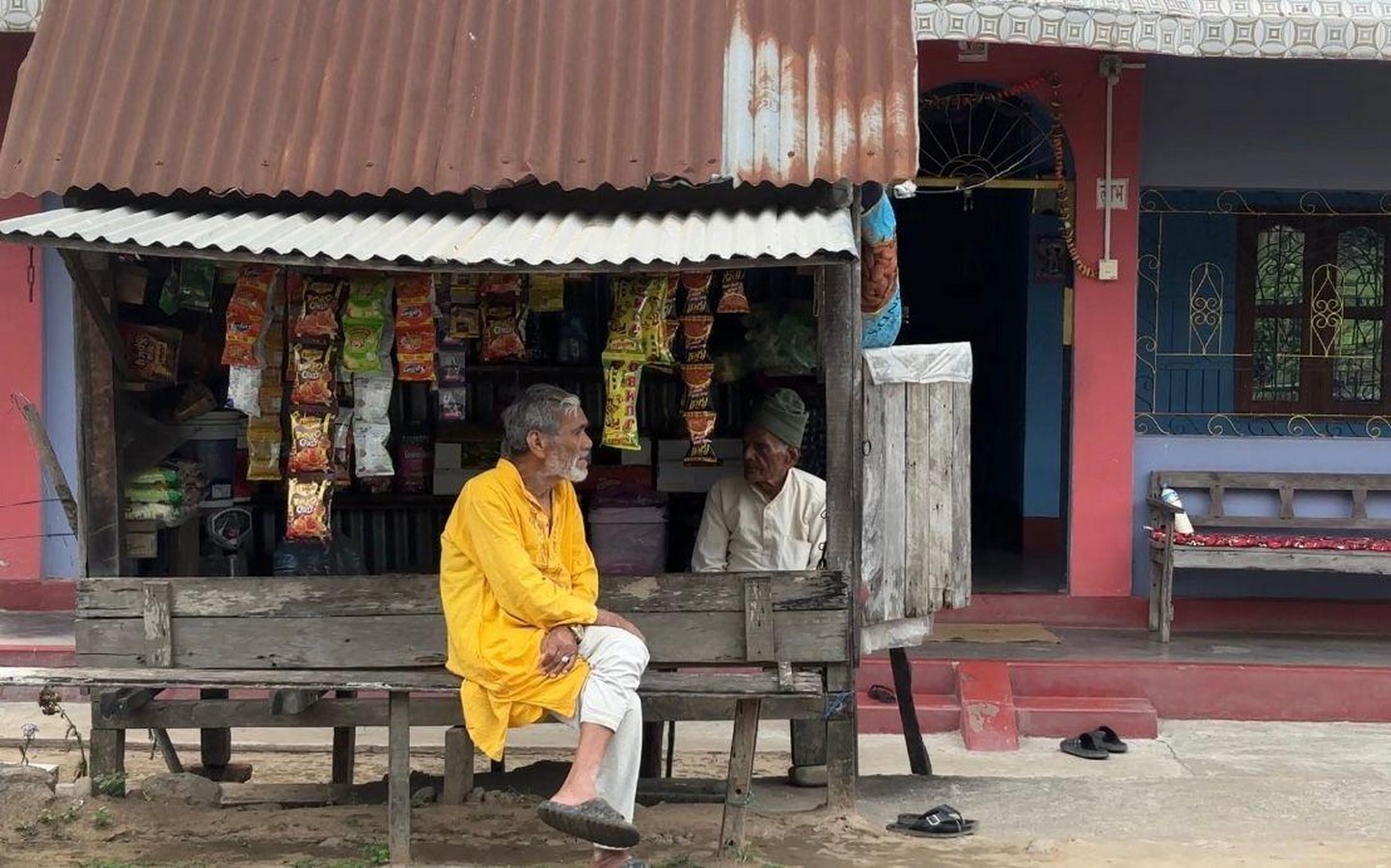
These are modest, often run by elderly residents, selling limited essential items. limited stocks, minimal shelves, and a sitting mat. The street is active and social during evening time with more elderly joining for interaction and walks. There is no formal planning or design consideration behind these spaces, yet they reflect efficient use of resources, space, and time. It is in these small, everyday adaptations that sustainable ability often feels like an act or a concept, and more a way of living.
The use of locally available materials, timber, and bamboo that minimize the environmental impact is like a natural adaptation in such places. Passive design strategies such as cross- ventilation, thick walls, rising plinth, shading, and openings are by-defult buit in these regions as they adapt to optimum conditions and buit accordingly.
These examples highlight that sustainability is not always a design statement but often a response to context.
The Role of Resource Awareness
A key aspect of sustainability as practice is awareness of resources. In a traditional environment, limitations in material availability and economic capacity naturally encourage efficient use. Spaces are reused, adapted, and extended over time rather than demolished and rebuilt. These designs are not dways made with the concept of sustainability in mind, but they respond directy climate + content of a specific region.
Compared to this, contemporary construction often prioritises trends, speed, and uniformity. Materials travel long distances, and buildings and their interiors are rarely designed with their full life cycle in mind. This contrast in both traditional and contemporary practice makes it
clear that sustainability is not only about innovation and adaptive reusebut also about awareness.

In today’s urban scenario, especially on highly designed environment, sustaitability not just something added to a building. It is something that should quietly exist within the way people butt, adapt to live.
Cultural and Social Dimension of Sustanibility
Sustainability is often discussed in built environment terms, but it is equally related to social and cultural context. Spaces that support communal interaction, shared use, and cultural practices often contribute in the long-term which also reduces the need for excessive built environment.
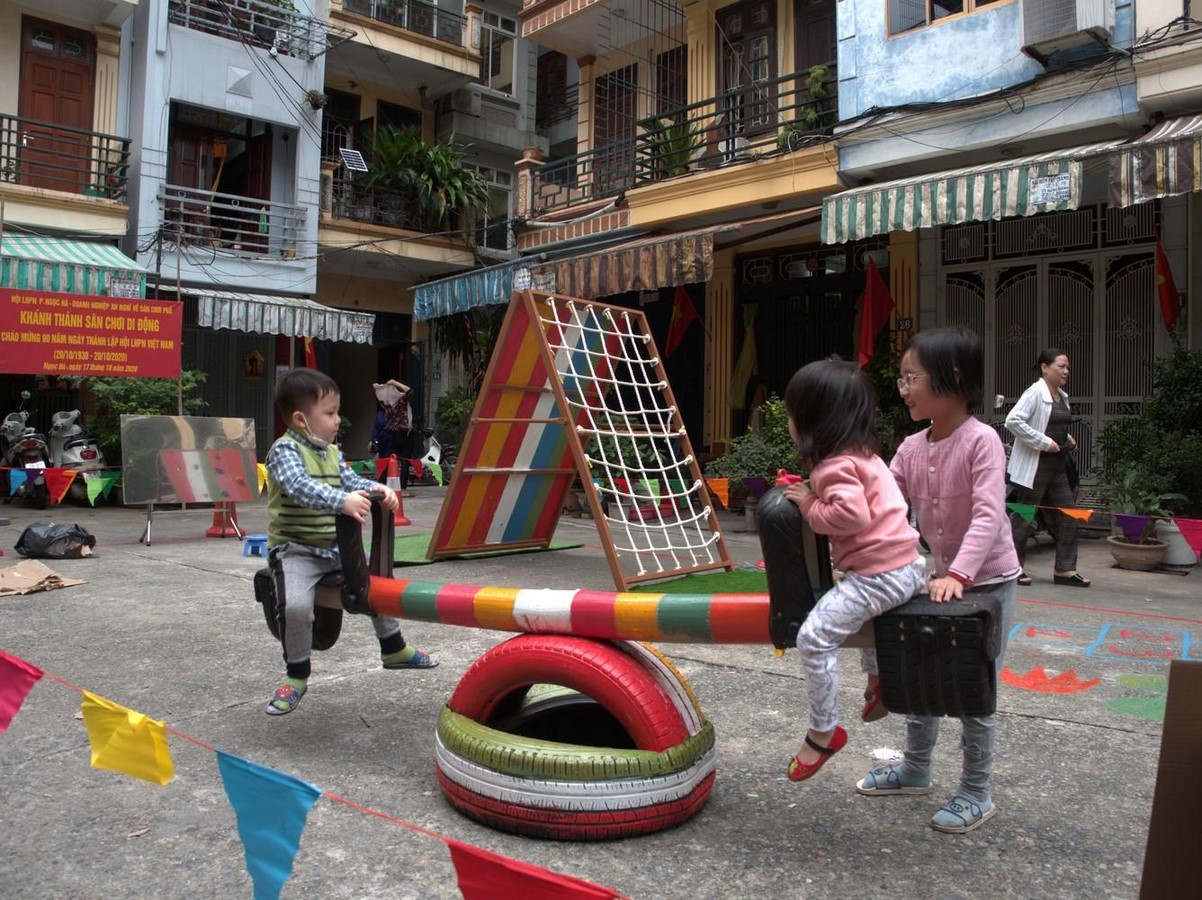
Informal built systems, such as streets with vendors, shared courtyards, and informal gatherings, may appear unplanned, but they support a strong communal network and relationship, which Impact sustanibility, like a face behind the mask of controlled urbanization. People adapt these spaces as needed, and by doing so, they reduce the pressure of formal infrastructure
When architecture prioritises people in their pattern of living, sustainability becomes more connected than imposing.
In today’s architectural practice, sustainability is often shown through various design components, special materials, or performative aesthetics, and these practices often lead to the over hype on the region itself to face scarcity, and material unavailability
Treating sustainability as an aesthetic risks reducing its value, and also can impact production as well, local knowledge and adaptive systems. By contrast, sustainability as practiced in simple and practical ways in our day-to-day life, from small home- based shops based on the use of local materials, to highly attentive design considerations for the healthy built-environment, these examples show how people adapt to their needs with limited resources. These practices may not look sustained in a visual sense, but they work to respond efficiently to real conditions.
Thus, the role of architecture is not only to introduce new sustainable solutions and designing apperance But also to reorganize, support, and learn from the vernacular practice itself. The adaptation occurs through concerned everyday actions, local knowledge, and socio-cultural context. In doing so, sustainability becomes something people live with every day as a practice and discipline rather than something that is added to a building and its aesthetics.
References:
- Oxford University Press. Oxford English Dictionary. Definitions in “Sustainability” and “Practice”.
- UN-Habitat. Global Public Space Toolkit: From Global Principles to Local Policies and Practice.
- Jan Gehl. Cities for People. Island Press, 2010.
- Amos Rapoport. House Form and Culture. Prentice-Hall, 1969.
- Hassan Fathy. Architecture for the Poor. University of Chicago Press, 1973.