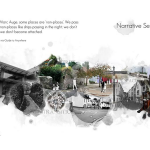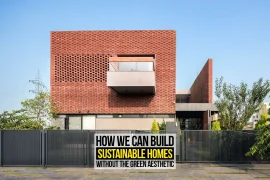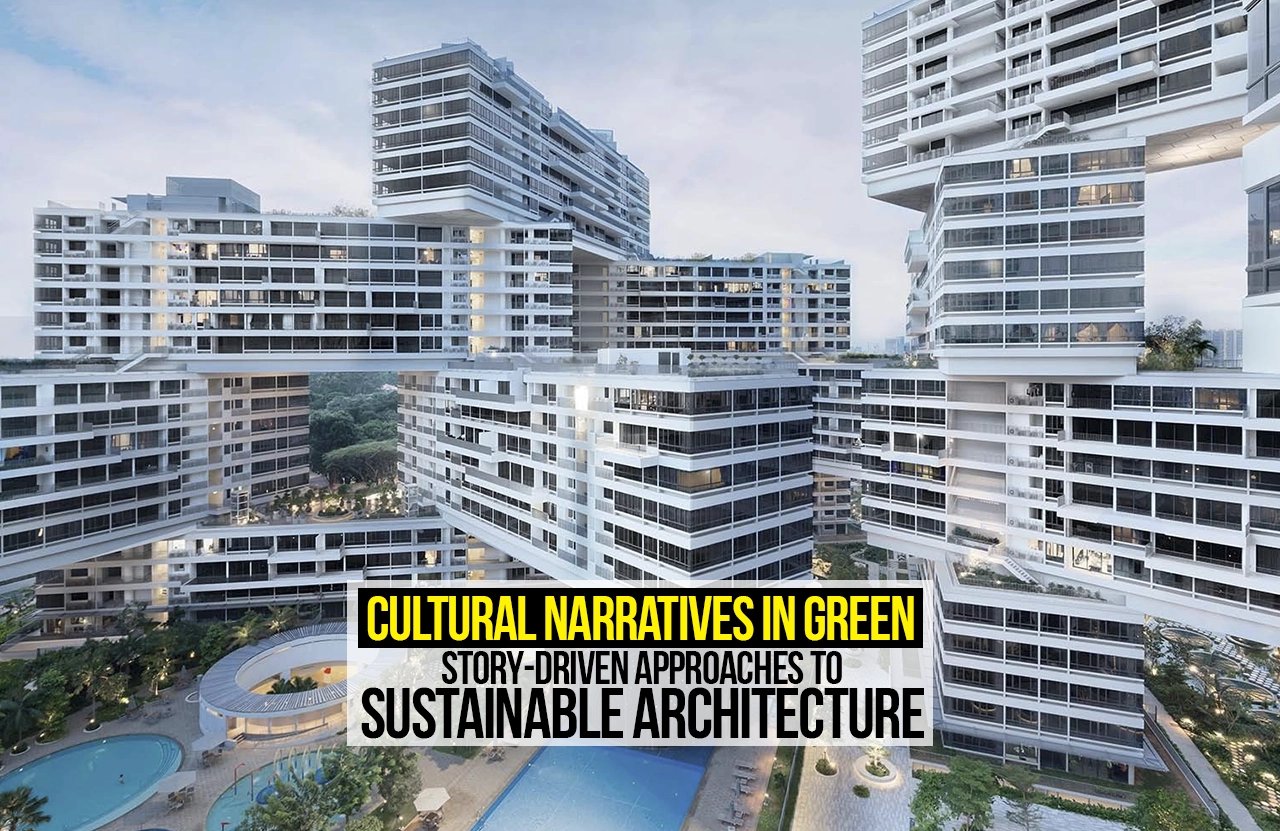
Stories make up almost the entirety of a childhood. Stories give them colour and beauty. Stories help a child imagine and create as creation is one of the most beautiful things man can and has been able to do for millennials. It has been seen and observed that stories have also been narrated by architecture. It is not just the facade or the structure- it tells a story. A story of materials, form, and more. It has a language; it connects people and communicates ideas.
An energy-efficient design that prioritizes technological advancement is known as sustainable architecture. Infrastructure that uses natural resources and has no ecological footprint is referred to as sustainable architecture and that combines pleasurable, fashionable, and creative elements with an environmental aesthetic ethic. This is the story a sustainable narrative gives- it talks about the real world problem of sustainability, ensuring that the architecture remains grounded, relevant and meaningful, while speaking to the viewers and observers.
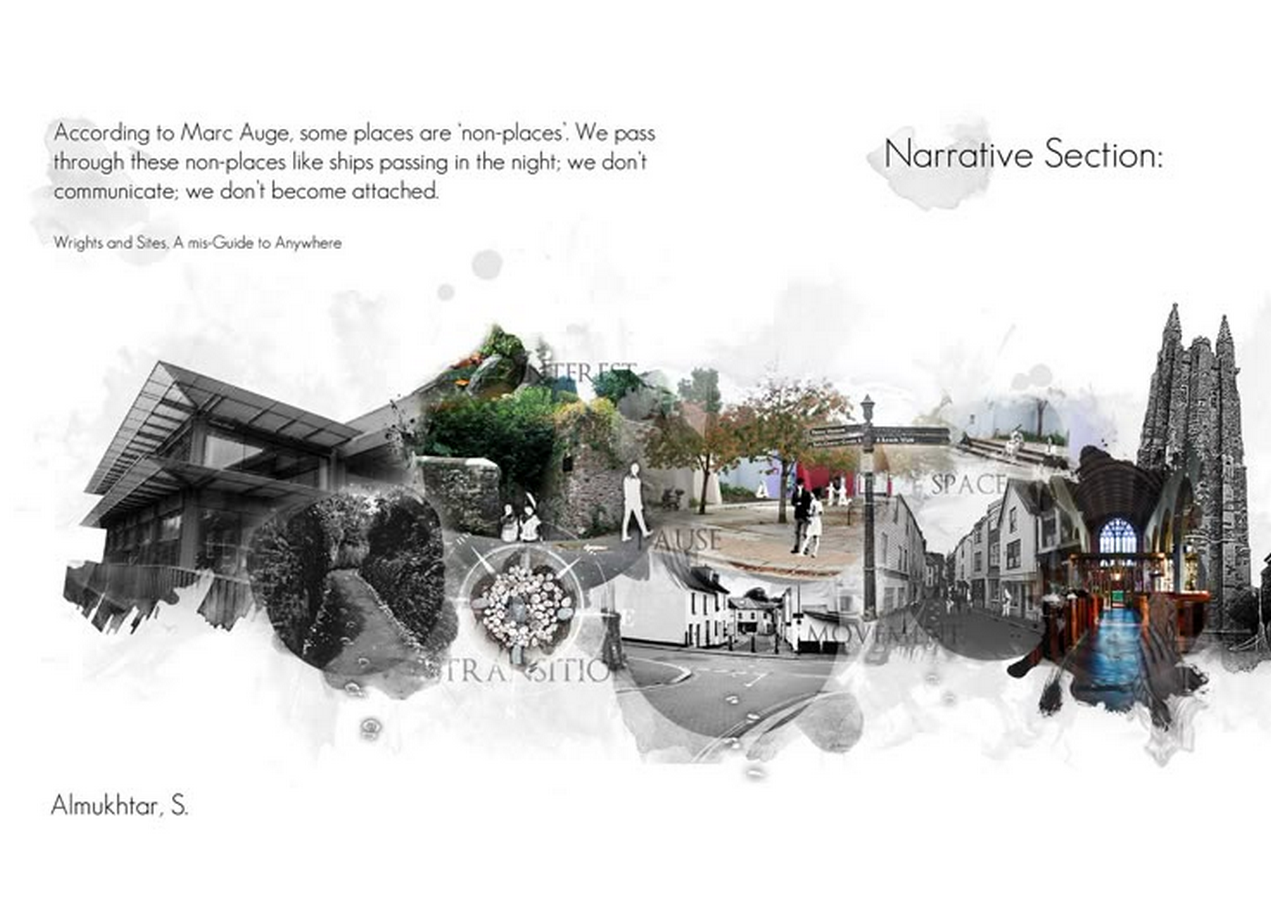
Form follows fiction
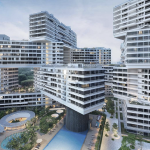
Architect Ole Scheeren in his 16-minute TED talk explains how architecture should be shaped by stories, experiences and people’s lives. He calls architecture a system of relationships- between people, spaces, activities and emotions, all through the building that is but a catalyst and container of narratives.
An architectural narrative is what a building conveys through its function, design and materials. The narrative connects architecture to its environment, history and the users through an approach that has the power to arouse feelings and produce meanings.
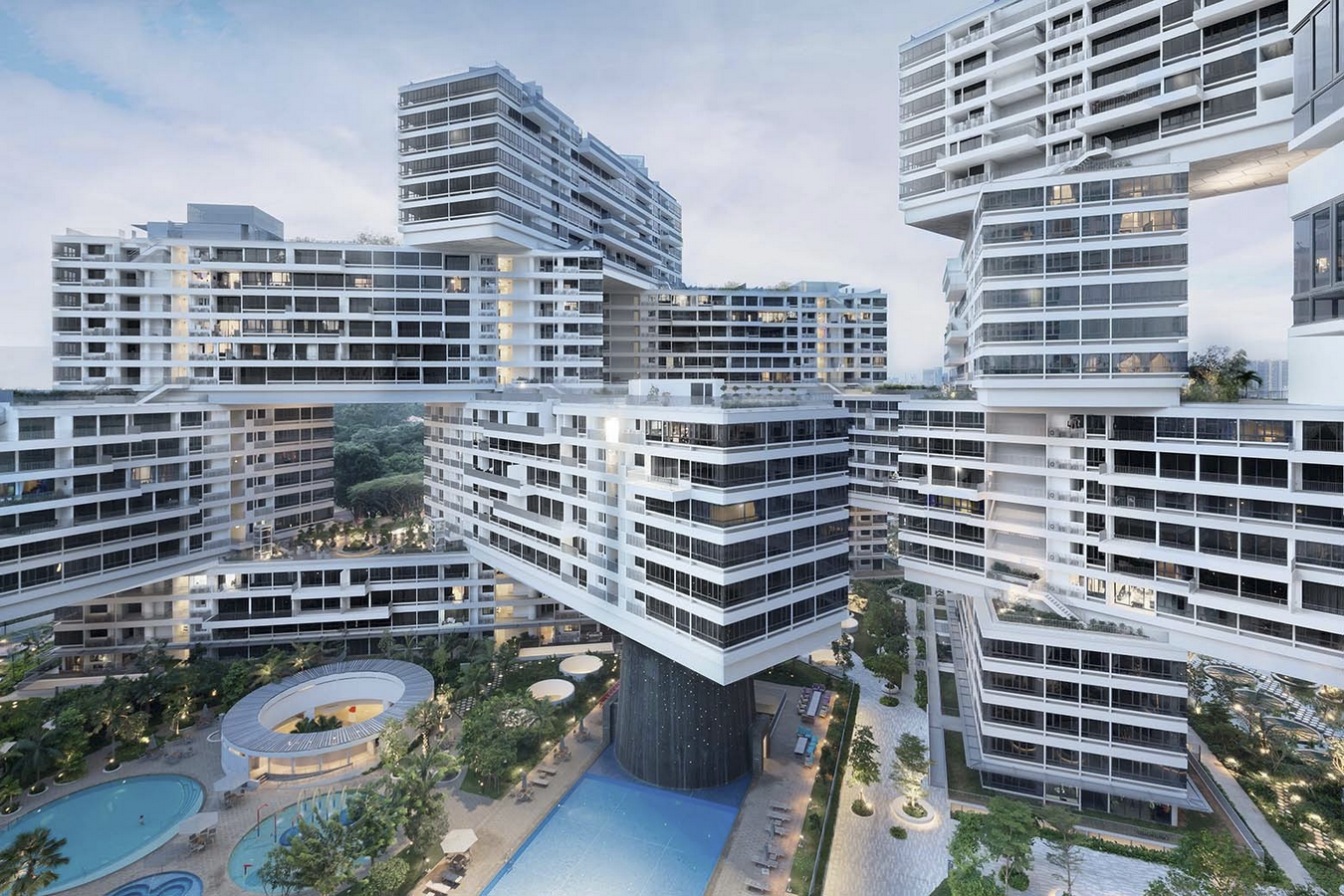
Queries like “What is the purpose? Who is going to engage? What is it trying to say?” are all fundamental to what an architectural narrative involves. A compelling narrative ensures that design is grounded and relevant taking into consideration various contexts of the building.
Scheeren explains buildings generate simultaneous stories where various activities and stories overlap. He encourages viewing buildings as living systems that evolve upon usage by people.
Architects draw upon their personal internal image bank during the design process-a repository of memories, examples, and experiences. Many of these relate to sustainability and inform the architect’s understanding of the context of the project. These understandings often take the form of narratives about nature, culture, technology, and the role of design. Design is a narrative process: architects frame the project as a story, which assists them to make sense of limited information, identify gaps, and imagine possible futures. This narrative shifts and evolves as the project develops. By telling stories, architects reflect on, test ideas and project outcomes that enable them to design sustainable solutions that are meaningful and context-specific.
Sustainable Architecture as a Cultural Project
An eco-social theory explains sustainable architecture as unity, freedom, and collective spirit. There is also an eco-cultural argument that emphasizes that most of the current cultural archetypes are maintained for the stability of civilization. The conversion and application of conventional building techniques, building typologies, and settlement patterns are all influenced by this logic. In their journal, architects and authors Guy and Farmer (2000) propose multiple logics of green building. Their notion of symbolic logic emphasizes local culture and spirit as being essentials as opposed to universal and technological solutions that often ignore cultural values. This is in contrast to the technologically oriented standardized design processes that may not be appropriate to a particular location, or to the cultural value of a certain individual. Truly sustainable architecture must engage with identity, should be adaptable, and draw from vernacular solutions and traditions.
Green building has often been driven by mere quantitative measures where in actuality, sustainable architecture has a strong regional and vernacular dimension. Sustainable design strategies like orientation, materials, and construction methods must always respond to local climate and geography. As it is, vernacular architecture evidently demonstrates this through resource-efficient and climate-responsive solutions developed over many years by trial and error.
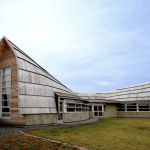
For example, in Canada, both indigenous and early settler vernacular traditions hold a great deal of value as models for sustainability. On one hand, indigenous architecture can represent a symbolic relationship to nature with the emphasis on stewardship, with minimal interventions and a deep understanding of time. Buildings are viewed as just another limb of the natural system. On the other hand, settler architecture is shaped by harsh climates, adopting a protective and defensive posture towards nature, prioritizing durability and shelter. While neither can be replicated directly, both offer their environment-responsive design strategies.
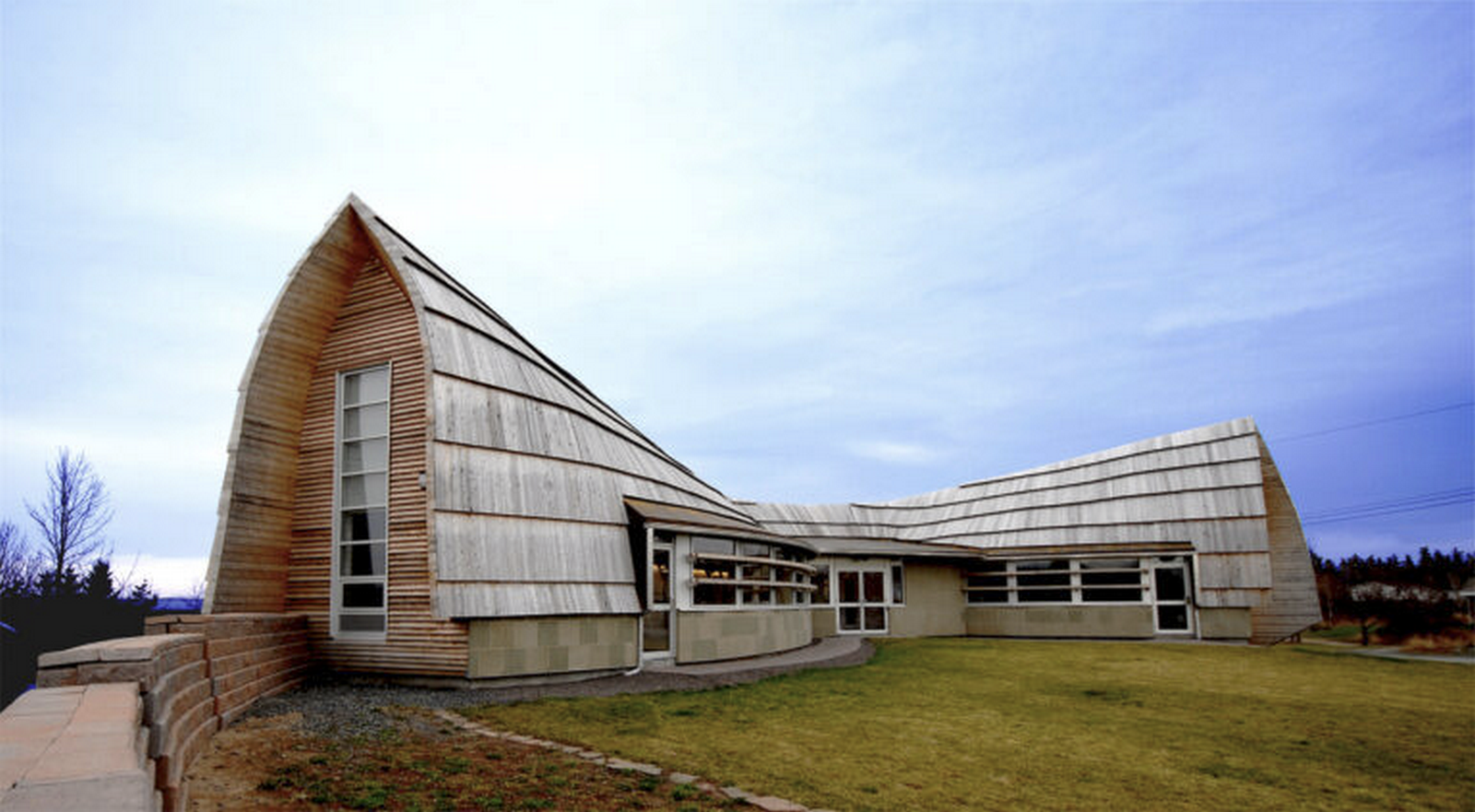
Kenneth Frampton’s concept of “Critical Regionalism”- as in his 1983 essay “Towards a Critical
Regionalism: Six Points for an Architecture for Resistance”- provides a framework to link sustainability with cultural and place based identity. He critiques solutions like standardised fenestrations and mechanical conditioning for ignoring local context and climate. He rather advocates architecture that engages topography, climate, light and tectonic traditions to create meaningful designs.
When reinterpreted through a sustainability lens, “Critical Regionalism” can extend to environmental performance beyond plain technical efficiency to include cultural relevance and place-making. This encapsulates the spirit of the place and evokes the most basic feelings which may extend to territorial behavior in the witness themselves. This perspective has suggested sustainability as a cultural model and has advocated a merger of stewardship concerns with regional identities instead of letting it be mere mechanical and lifeless enterprise.
Problem-solving through narrative and Symbolism
In sustainable architecture narratives act as modus operandi for problem-solving, enabling architects to easily respond to complex environmental, urban and social challenges. By framing a story, the design process goes through a step-by-step identification of challenges like climate adaptation, resource efficiency or community resilience and translates them into context-sensitive design strategies. Narrative thinking allows solutions to emerge from local situations, aligning with passive designs, materials, and spatial distribution of the local culture. Rather than treating sustainability as purely technical, storytelling helps integrate ecological goals into livable experience, transporting users into the comfortable wild.
Symbolism captures and strengthens sustainable architecture by embedding environmental values within culturally legible entities and space. Material, light, landscape integration, and spatial order are all elements in which architecture can symbolically provide expressive ideas of stewardship, renewal, and harmonious nature. Sustainability drawn from local traditions, rituals, and vernacular practices turns it culturally resonant rather than superficial. In this way, architectural narratives mediate ecology and culture, making sustainable design communicate with efficiency and performance but also with shared
Case studies
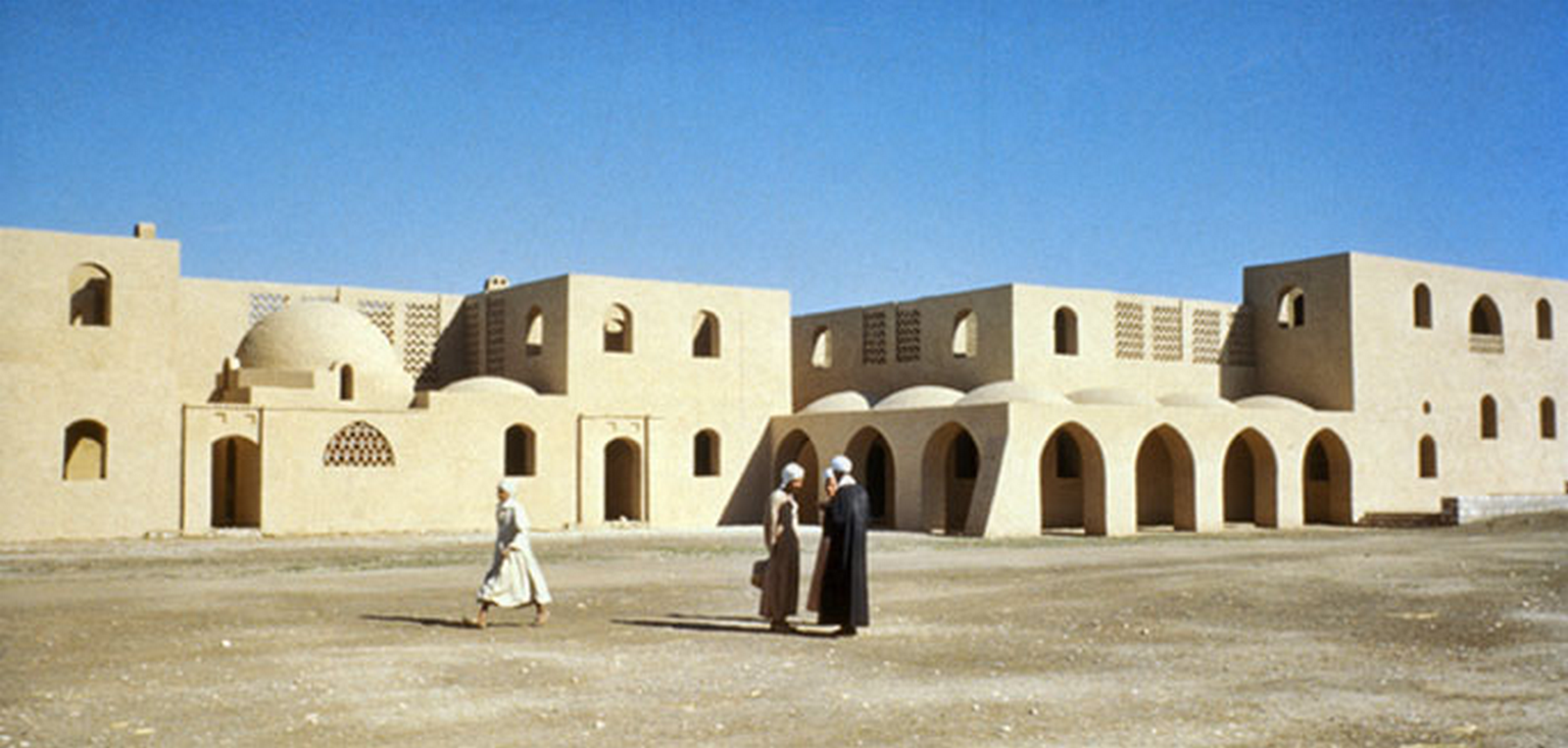
Vernacular Narrative of Climate and Community
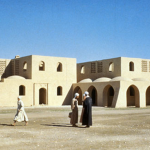
In Hassan Fathy’s New Gourna Village, there emerges a story-based paradigm of sustainability through architecture, based on knowledge of local culture and climatic factors. Fathy’s parable revolves primarily around concepts of security, self-reliance, and nature’s compatibility. Through mud bricks, thick walls, courtyards, and passive cooling methods there is an allowance for buildings to remain cool during the day and warm at night, thereby directly responding to Egypt’s climate.
However, such storytelling refused the heavy reliance on modern, energy-intensive technology and instead seems to have revived efficient traditional methods of construction that were known to the local culture. New Gourna represents thus a story of sustainability as an extension of culture, in which architecture is the living blend of place, tradition, and adaptation to climate conditions.
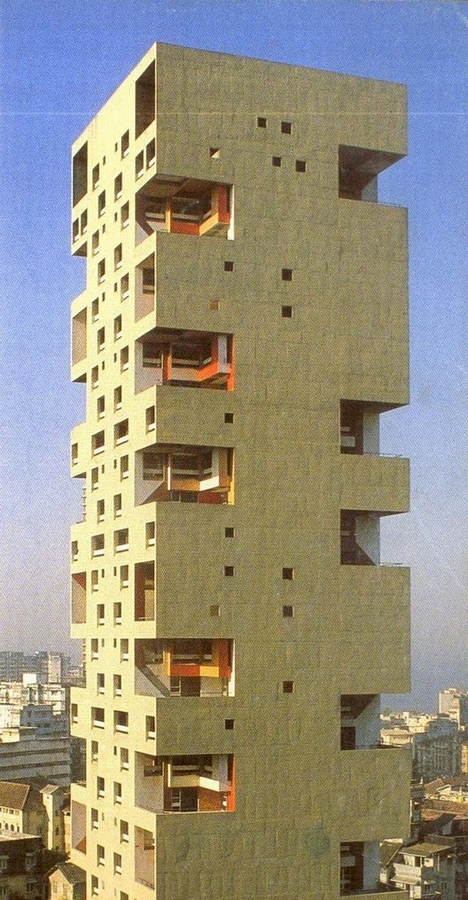
Cultural Adaptation in High-Rise Sustainability
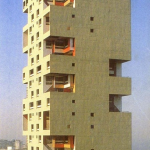
Where vernacular has often been mixed with rural styles, Charles Correa’s Kanchenjunga Apartments have shown how cultural narratives can be integrated into urban, contemporary sustainable architecture. Correa transformed the quintessential Indian verandah, a very culturally ingrained transitional space, into garden terraces in a high-rise residential building. These terraces function as shading devices, protection against monsoon rain, and natural ventilation while maintaining cultural patterns of living associated with indoor-outdoor interactions. Even though it was constructed from modern materials like concrete, the narrative is very much anchored in its adaptation to local climate and lifestyle. The building narrates a story of how cultural resilience and traditional spatial practices can be altered to meet modern urban demands without losing their symbolic and climatic relevance.

Embedded Sustainability Through Cultural Practices
In traditional Turkish residential architecture, there are also many factors that can be used in the construction of narratives in which sustainability arises in a seamless fashion from within the culture. In traditional Turkish architecture, there is a symbolic unity of adaptation and structure as evidenced in the architecture of houses, in which nature, through wood, brings together the indoor and outdoor environments seamlessly. In traditional architecture, there are energy-saving designs that are a reaction to the environment, as sustainability was not a topic of concern in those days compared to contemporary architecture in Turkey today, in which sustainability is embedded in daily practices, land, and society.
In all these case studies, sustainable architecture is more about a narrative that is embedded within the culture. Fathy, Correa and traditional Turkish practices show local stories and how those rituals and traditions can be transformed into environment-responsive designs. They also illustrate that sustainable architecture becomes most effective when it tells a story that imbibes itself in climate, culture and community and gives birth to a building that is truly meaningful, resilient and grounded in its place-specificity.
Sustainability as Narrative, Balance, and Meaning
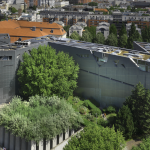
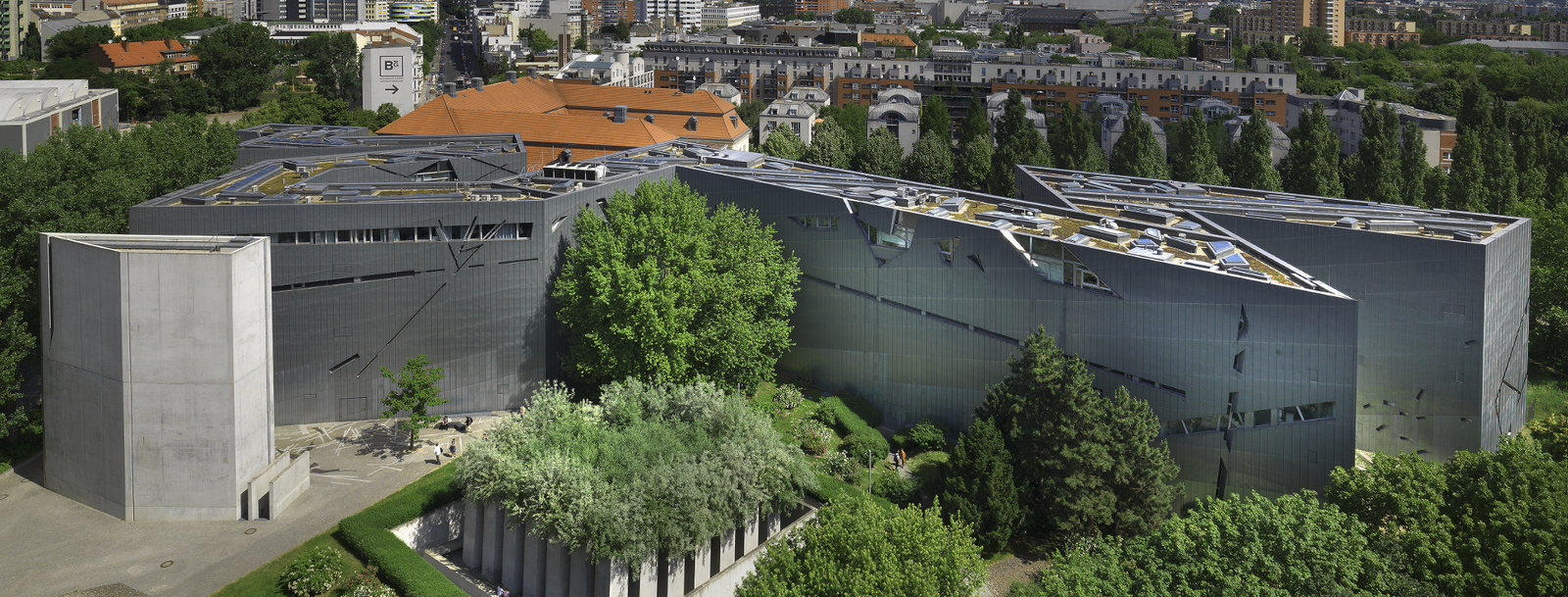
A few legendary examples like that of the Jewish Museum Berlin and Fallingwater illustrate that architecture dictates meaning not only through production but through narrative. Libeskind’s fragmented forms and voids tell a story of trauma, loss, and memory, while Wright’s Fallingwater narrates harmony between human habitation and nature. Both show how architecture goes beyond function to become a medium through which cultural, emotional, and environmental values are expressed. These projects show that at its very core, sustainability is also about storytelling because it forms the way in which people understand their important relationship with history, place, and the natural world.
At its most fundamental level, sustainability is not only environmental or economic but is also ethical and cultural, with significant roots in questions of equity, fairness, and quality of life. Issues such as affordable housing, easy access to facilities, workplace health, and social justice in the public sphere are all part and parcel of any sustainable future. Therefore, it should be perceived and implemented as a cultural narrative of balance among governments, designers, communities, and institutions. Not all rating tools can serve as tangible artifacts, and they cannot fully capture the true essence of what makes architecture meaningful, resilient, and enduring.
In the end, sustainability in architecture essentially has an exemplary story structure that combines responsibility toward nature with meaning in terms of cultures and society as well. When architects weave narratives of memory, harmony, equality, and future ambitions, they go beyond concessions and figures in creating values through narratives of architecture itself. Hence, in essence, sustainability not only refers to a technically oriented objective but essentially a story of collaboration on how exactly we want to live and preserve, and architecture has been its most intriguing storytellers till date.
Citations:
- Frampton, Kenneth “Towards a Critical Regionalism: Six Points for an Architecture of Resistance” in H. Foster (ed.) The Anti-Aesthetic: Essays on Postmodern Culture, Port Townsend, Washington: Bay Press,1983, pp. 16-30.
- Guy, S. and Farmer, G. Reinterpreting Sustainable Architecture: The Place of Technology. Journalof Architectural Education, Vol. 54, No. 3, pp. 140-148, 2001.
- Williamson, T., Radford, A., and Bennetts, H. (2003). Understanding Sustainable Architecture. London: Spon Press.
- McMinn, J. & Polo, M. (2005). Sustainable Architecture as a Cultural Project. Proceedings of the 2005 World Sustainable Building Conference (SB05 Tokyo), N/A (N/A), 4537-4544.
- Dash, S. P. & Shetty, D. (2020). Cultural Identity in Sustainable Architecture. International Research Journal on Advanced Science Hub, 2 (7), 155-158.
- Martek, I., Hosseini, M. R., Shrestha, A., Zavadskas, E. K. & Seaton, S. (2018). The Sustainability Narrative in Contemporary Architecture: Falling Short of Building a Sustainable Future. Sustainability, 10 (4), 14-15.
- ArchAdemia (2023). The importance of Architectural Narrative for every project. [online]. Available at: https://archademia.com/blog/architectural-narrative/ [Accessed date: 09/01/2026]
- TED. (2016). Why great architecture should tell a story | Ole Scheeren, TED Talks. [Online video]. Available at: https://youtu.be/iQsnObyii4Q. [Accessed: 08/ 01/ 2026].