The rise of indoor streaming has quietly transformed the way we spend our leisure time. Services such as Netflix have brought a level of intensely private behavior to an activity that was traditionally shared with others. Despite having greater opportunities through technology, new ways of social behavior have been introduced. As the past practice of sharing leisure time with others has been supplanted with indoor leisure activity, an essential new question has been posed: what impact will it have upon the cafes, libraries, and informal gathering spots which provide a social fabric to living?
Such places, often called third places, operate beyond the boundaries of home and business. Such places are neither private nor formal. But, most definitely, they are public. In the world that is now ruled by streaming, such places are being challenged to develop.
The Concept
Third places are spaces that facilitate casual interaction, conversation, and the bonding of a community. Cafés, local libraries, tea stalls, bookstores, public squares, and even street corners over the ages have been operated as third places. The functionality of these spaces is in their openness, where individuals just float in and out without experiencing any repercussions related to productivity. Having a third place is quite different in comparison to the algorithm-driven experience of streaming platforms.
The streaming shift and the indoors
The culture of streaming has revolutionized not only the content we consume but also the manner and space in which we practice our social lives. The binge-watching culture stimulates remaining indoors, which hinders chances of social interactions. The entertainment sector, a social activity in the past through cinema halls, community TV rooms, and neighborhood gatherings, is now a personal activity.
Such a change has nuanced implications in urban affairs. Foot traffic impacts local coffee shops and bookstores. Libraries face challenges in carving out a new identity in the context of a digital age of information. Casual gathering places become redundant with the increased use of chat rooms and comment sections as socializing arenas. The city can become a series of private interiors instead of a public experience zone.
Cafes as a symbol of contemporary living rooms
Among all the third places, the one that has been most influenced is the café. The café, once considered a location simply for taking a quick beverage, is today a blended space, a combination of the office, the lounge, and an escape from isolating home. With the world of streaming platforms, the café provides the one thing that screens do not: the presence of life.
The hum of conversation, the strangers, the freedom of lingering without consuming content, creates a sense of belonging without commitment.
Architecturally, the current café culture favours flexible seating, community tables, and visual openness to the street. Rather than separating individuals into private isolation, these design statements encourage engagement in a common social space.
Libraries beyond silence
In a streaming era, Libraries offer a counterbalance: slow engagement, shared location, and collective presence. Their significance lies not in competing with digital content but in providing spaces where knowledge and community intersect physically. The library becomes a place to be together without the pressure to consume.
Informal places in urban settings
Third places may or may not be formalized or designed. Informal gathering sites like benches outside restaurants, tea stalls, steps of temples, and building thresholds still have a very important role to play, especially within dense urban environments. Such spaces have little need for infrastructure investment, though they provide immense social benefits.
With people being drawn to indoor entertainment by streaming, it’s now more important than ever to consider what will happen to these informal third places in order to ensure their viability in well-designed cities.
The importance of third places
Streaming services address entertainment needs. However, these services cannot fill the gap of social presence. Third spaces foster better mental health, combat loneliness, and reinforce community identity. These spaces provide the kind of loose social connections, such as conversations and routines, that are critical to the success of any community.
The task at hand now is not to reject this new culture of streaming, but to learn to share this same space with it. They might be able to watch Netflix in their own living rooms, but there are other places in which people want to experience this kind of unmanipulated life.
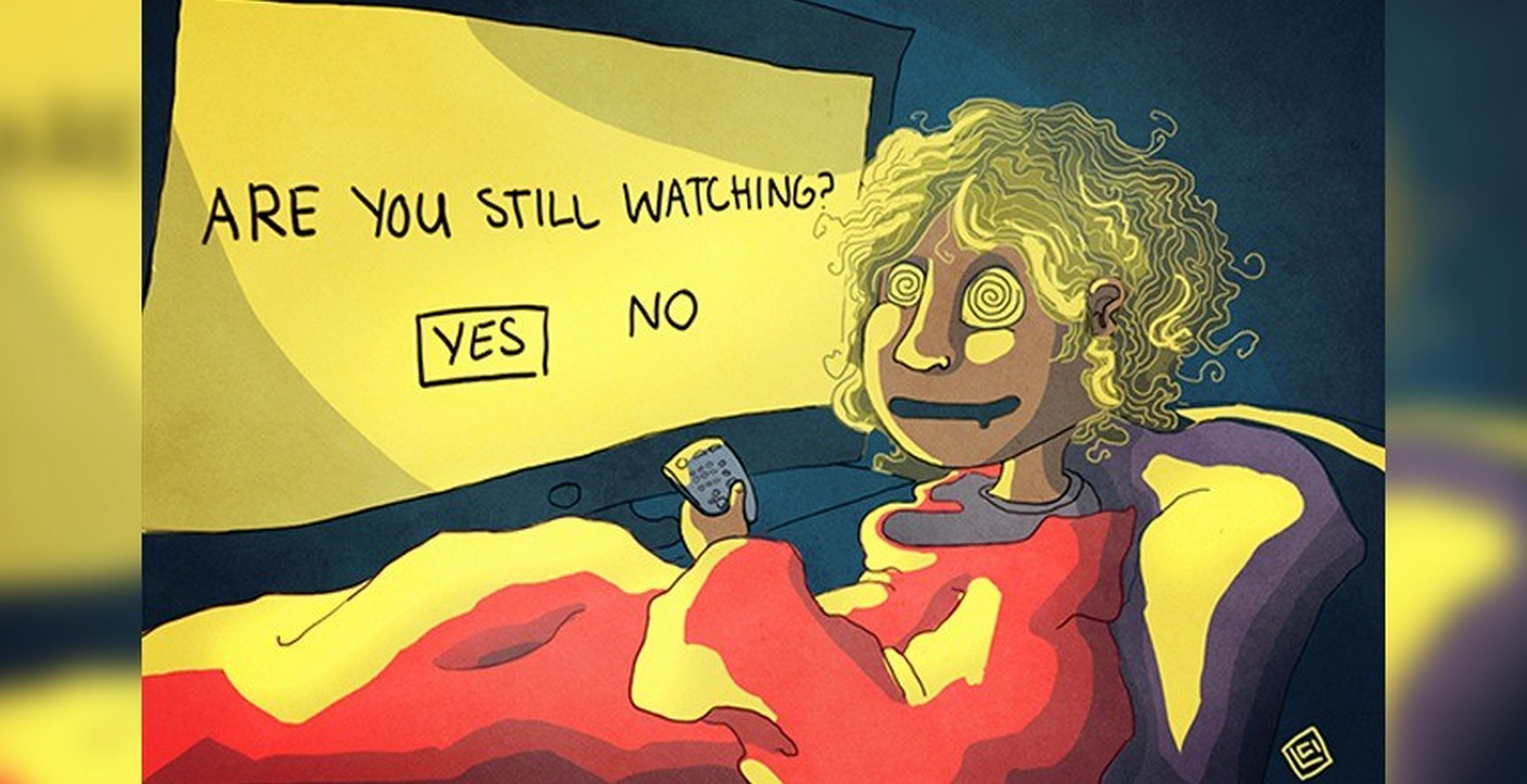
In a world increasingly shaped by indoor streaming, the question is not whether third places are becoming obsolete but rather whether we design and support them with enough intention. The cafés, libraries, and informal hangouts continue to give us something irreplaceable in the modern mind: a chance to belong without logging in. As screens grow more immersive and personalized, the value of shared, everyday spaces becomes even more critical. After Netflix ends and the screen goes dark, will our cities still offer places to go, or will we retreat deeper into private interiors, forgetting the quiet power of simply being together?