Step temples in India offer a delightful amalgamation of creative architectural design, spiritual relevance, and ecological water management. An unusual type of construction, Step Temples in India, incorporate step wells with temples, adding dimensions of functions where water bodies and religious activities go hand in hand. About these monuments, not much is spoken of in contemporary literature, although they hold great historical and cultural relevance. This article, therefore, presents an elaborative description of 10 distinctive features, highlighting the wonder of Step Temple architecture, cosmological geometry, ritualistic functions, and possible examples for modern water research.

- Architectural Fusion of Stepwell and Sacred Shrine
- Overview: Step temples are buildings that demonstrate the concept of multifunctionality so often treated in traditional Indian architecture by combining stepwells with temples. The cascade of stairs assists in drawing water and symbolizes the ascent toward enlightenment.
- Major Points:
- Design Integration: The design of the stepwell enables inhabitants to draw water for ceremonial purification before entering the sacred space.
- Steps to Symbolism: The various levels of the temple were adorned with elaborate carvings representing mythological motifs symbolizing the transition from the material realm to the sanctified.
- Dual Functionalism: Through dual functions, these builders exhibit how spiritual imagination met the skill of engineers in this instance.
- Significance: This instance of architectural combination illustrates a holistic design approach in which the architecture itself becomes an instrument for the promotion of environmental sustenance and spiritual advancement.

- Modhera Sun Temple: A Symbol of Coexistence of Water and Sunlight
- Overview: Built in the eleventh century, Modhera Sun Temple is one of the most famous step temples of India, located in Gujarat. It cleverly integrates a huge stepwell with a time-honored shrine, dedicated to the Sun God.
- Important Information:
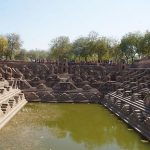
- Surya Kund: The temple consists of a big stepwell popularly referred to as Surya Kund, which has numerous hundreds of recesses defined over several tiers for aesthetic and practical purposes.
- Sun Orientation: The temple is oriented such that the deity in the sanctum gets the first sun rays in the morning as if to indicate rebirth and divine vitality.
- Water Purifier: Besides serving the purpose of water storage, it serves as a purification basin where devotees can perform ceremonial ablutions, as follows.
- Importance: Modhera Sun Temple is a fit example of environmental engineering and heavenly principles at work to create a place to be made in honor of spiritual devotion and of the natural environment as well.

- The Purification Rituals of the Pushkarini Temples of Karnataka
- Overview: The Pushkarinis or sacred stepwells are a part of the architecture of many minor temples across Karnataka and indicate the importance of water in ceremonial purification.
- Important Information:
- Ritual Bathing: Thus devotees perform ablutions in such waters considering that spiritual enlightenment follows the process before physical purity; hence the absinthe becomes spiritually enlightening.
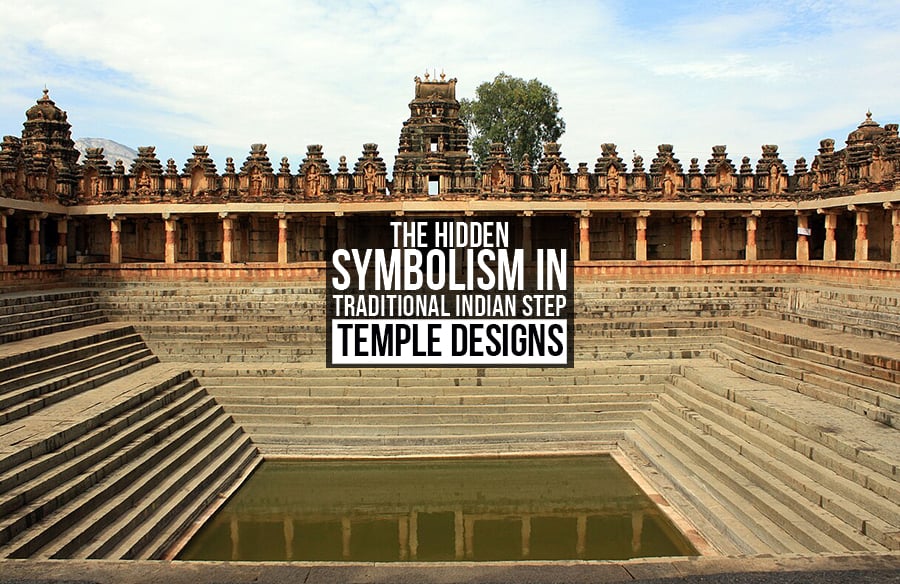
- Architectural Layout: Gradual steps that lead to the edge of the water are characteristic of these temples, which denote a systematic manner of approaching divinity and therefore a ruminative descending process.
- Cultural Practice: Water is a major subject in many religious rites held within these buildings.
- Importance: These temples integrate the architecture of water with customary practices while emphasizing the importance of water as one of the divine agents.

- Cosmological Geometry: The Stone Mandala
- Synopsis: The mandala that symbolizes the universe inspired the deeply embedded cosmic geometry for Asian step temple architecture.
- Important Information:
- Order and symmetry: The descending stairs are arranged in pyramidal or concentric circles mimicking the structures of the mandala.
- Spiritual Journey: Each step is significant in the life of a devotee transitioning from the material world into the spiritual realm.
- Energetic Alignment: It is believed that when the design is perfect, the energetic resonance created emits an octave that resonates back the cosmic order into the human spirit.
- Significance: On this ground, the building depicts the material manifestation of Hindu Cosmology and spiritual philosophy, which the ancient builders understood so well through jumps in geometry.

- Natural Water Treatment: Cooling and Filtration
- Overview: These inclining temples are testimonies to ancient engineering technical skills that function in various organic water management systems because of their spiritual significance.
- Important Information:
- Filtration Mechanism: With the downward movement of water, the series of steps form a natural filter, cleaning any sediments to have pure water for sacramental purposes.
- Cold Air: The water bodies help maintain a cooler climate around the temple, which is precious in dry regions.
- Sustainable Practices: Such a design consideration offered an early consciousness of sustainable water management by ensuring that the water would be there all year round, particularly during dry months.
- Significance: Water management methods used in the Indian step temples provide eternal lessons for sustainable design, hinting at how traditional practices can inform current conceptions of environmental policy.

- Symbolic Ascending: The Spiritual Path Reflected in Each Step
- Overview: An appendage of the basic design of step temples in architecture is intended to portray the devotees’ spiritual evolution.
- Important Information:
- The staircase metaphor: In the temple, each step represents something. The temple’s steps represent the journey into the divine realization from material existence into higher consciousness.
- Ritualistic Movement: The act of climbing the steps is regarded as a meditation in which the inner spiritual transformation accompanies the external physical climbing.
- Architectural Voice: The cyclical nature of life, death, and rebirth is presented by the vertical disposition of the steps, which reminds one all the time of this pivotal principle in Hindu philosophy.
- Significance: An idea of symbolic ascent highlights the fact that every physical step taken in the temple is a metaphor for the spiritual journey to enlightenment and self-realization.

- Purification through rituals: water plays its sacred role
- Overview: Water is important to Indian Step Temples because of its deep ritual significance and as a common utility.
- Important details:
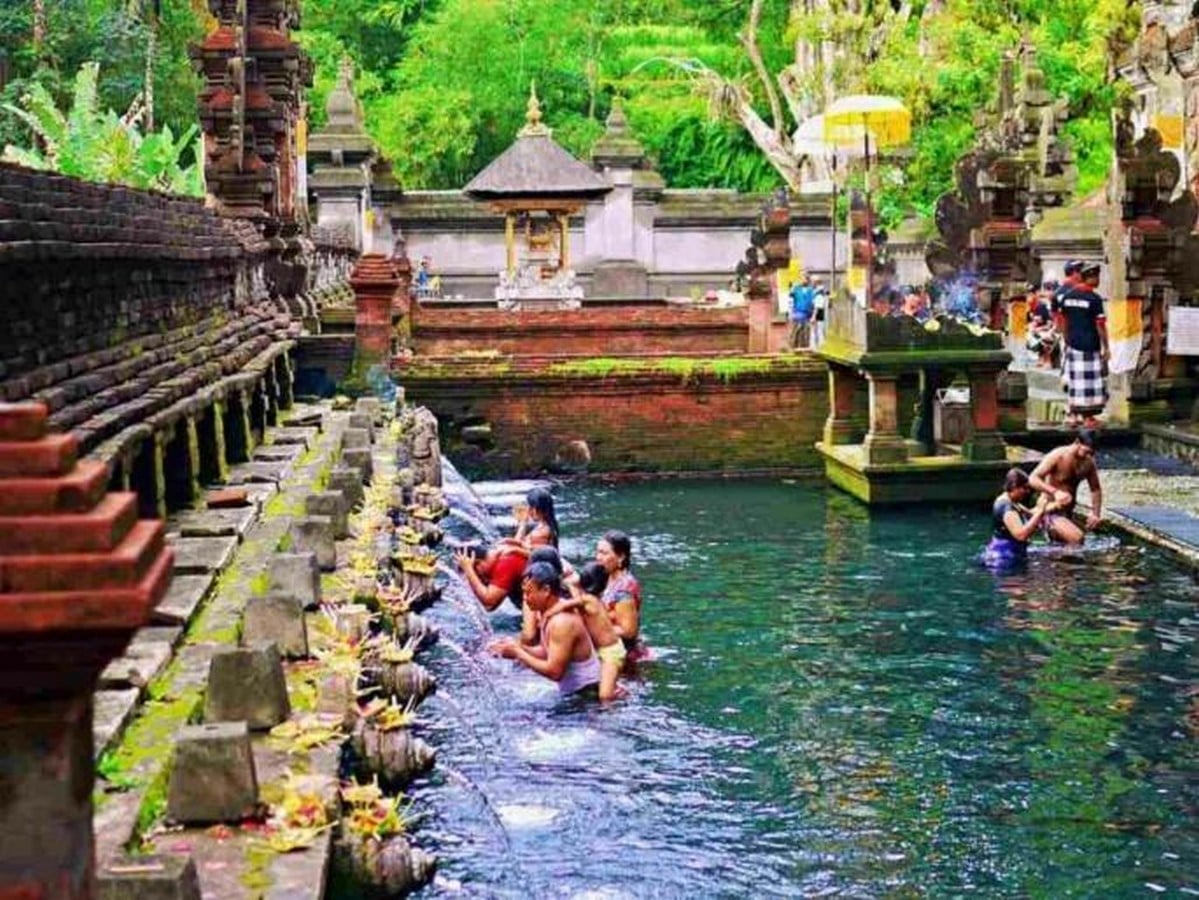
- Purification rites: It is believed that ceremonial washing in the temple tanks cleanses the body and soul. People perform this act.
- Healing: It is assumed that the water of these temples has curative property and may cleanse karma and encourage spiritual renewal.
- Ever-renewed: The ever-renewal of the stepwell water flow and recycling guarantees that the water will always be powerful and fresh for ceremonial purposes, thus signifying the infinite cycle of life and nature’s renewal.
- Importance: The ritual purity performed in these temples shows the dual role of water in Indian culture as a source of sustenance and a holy channel for the purification of souls.
- Carved Storytelling: Legends and Mythology in Stone:
- Overview: Rather than being purely ornamental, these walls and steps of temples act as canvases for mythological stories and age-old knowledge.
- Important details:
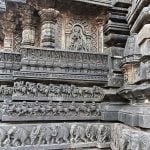
- Fine Carvings: The temple walls are covered by an almost labyrinthine adornment of carvings that illustrate themes from Hindu mythology such as epic wars and mythical stories involving gods and goddesses.
- Transmission of Culture: These stone narratives serve the function of cultural and religious knowledge transmission from generation to generation.
- Symbolic Depictions: The images are full of symbolic meaning and most often stand for the cosmic principles, moral precepts, or the virtues of gods residing within the temple.
- Importance: The step temples then become more aesthetically pleasing with the incorporation of mythical stories within their architectural design, thus making it part of their status as a guardian for spiritual and cultural wisdom.

- Restoration and preservation: Revival of dying tradition
- Overview: Several ancient step temples are under threat from neglect and degeneration. However, this is a period when restoration efforts are encouraged to refurbish these former structures and the activities of cultural practice linked to them.
- Key Details:
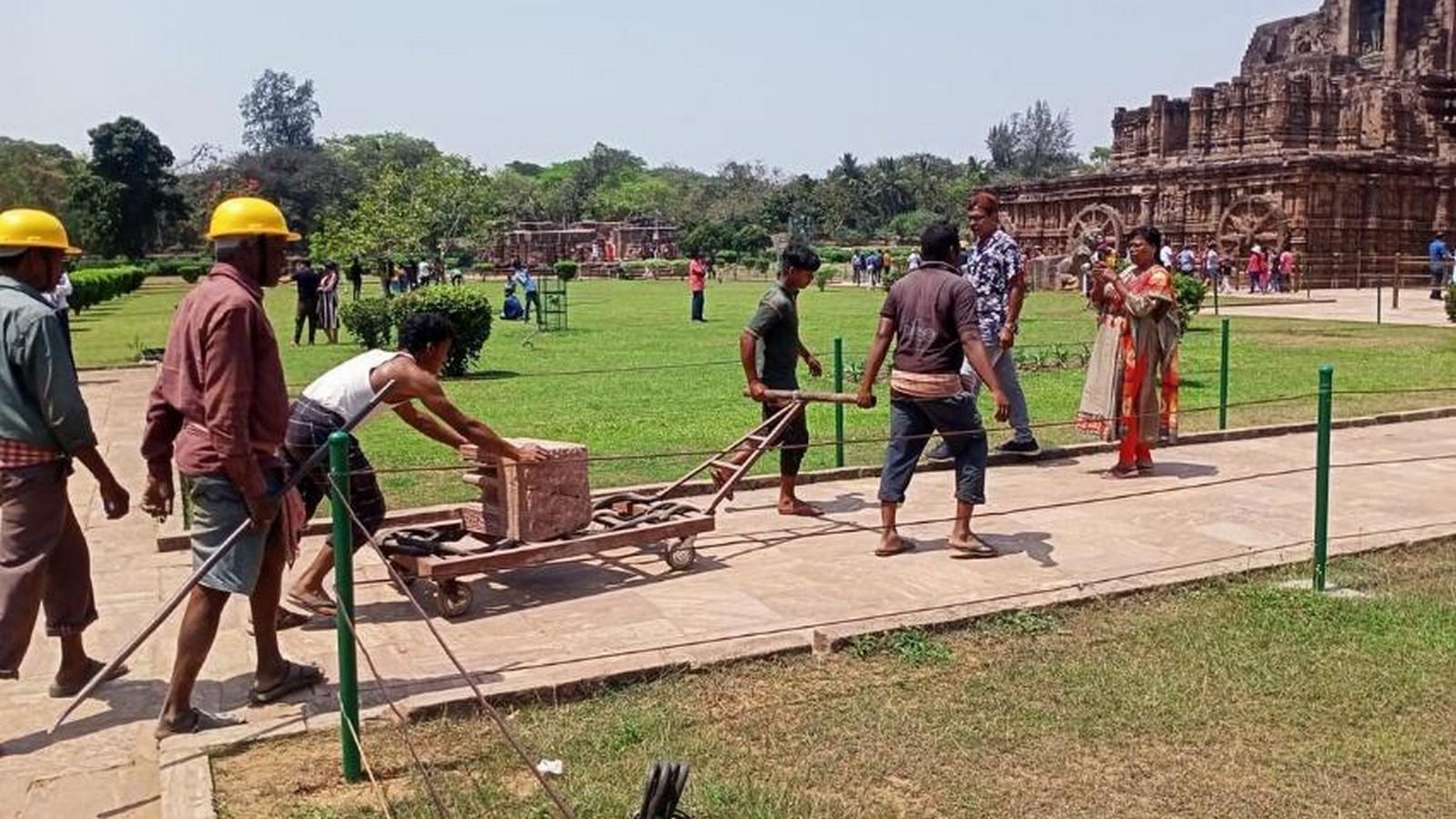
- Conservation Initiatives: Restoration initiatives are principally meant for revitalizing the practices associated with the temples, preserving their elaborate carvings, or maintaining their water management systems.
- Modern Approaches: New conservation initiatives wherein modern methods are to be matched with the traditional have been in place-that retain the originality of these monuments while concerning the structural weaknesses of the monuments.
- Community Involvement: Local People in their realization of the cultural and environmental importance of these structures become more and more associated with such preservation efforts.
- Importance: It’s an increased emphasis on reviving a holistic sustainable architecture that includes cultural, environmental, and spiritual concerns.
- Modern Mantras: Traditional Knowledge of Water Conservation Today
- Overview: Ideas behind traditional step temples still offer innovative solutions to environmental issues of contemporary concern, especially in urban water management.
- Key Points:
- Rainwater harvesting: Contemporary architects have looked at designing step-wells so that they’ve created effective rainwater harvesting systems in urban contexts and have ensured that a continuous supply is made available even during the dry months.
- Passive Cooling Mechanisms: Urban planning mimics the natural cooling effect experiment in these old buildings reducing the heat island effects that usually are experienced in an urban area.
- Eco-Friendly Infrastructure: Adoption of public spaces with natural water systems through designs derived from India’s Step Temples can curb an increased dependence on artificial means of cooling and treatment of water by urban planners.
- Significance: The introduction of age-old water management systems into present infrastructure is then both an indicative act of making traditional knowledge contemporary and an endorsement of modern sustainable design principles. This blend of ancient and modern honors the history of a rich architectural tradition at the same time as addressing contemporary environmental challenges.

Final Reflections
Hidden allegory within the traditional Indian step-tank designs is the window into an age when spirituality, art, and environmental engineering were indissolubly braided. More than artifacts of the past, these Step Temples represent living embodiments of ancient wisdom which today still allows inspiring eco-friendly behavior. From the architectural combination of shrines and step-wells, cosmic geometry leads the followers of these step temples on a spiritual journey. Each component of these constructions has deep significance: Their rich mythical tales, ritualistic importance, and ingenious water management strategies not only preserve cultural history but also open timeless perspectives on contemporary issues. They exemplify the integration of environmental sensitivity with cultural authenticity in architecture while heralding a future that embraces both innovation and tradition as restoration and preservation activities come to life.