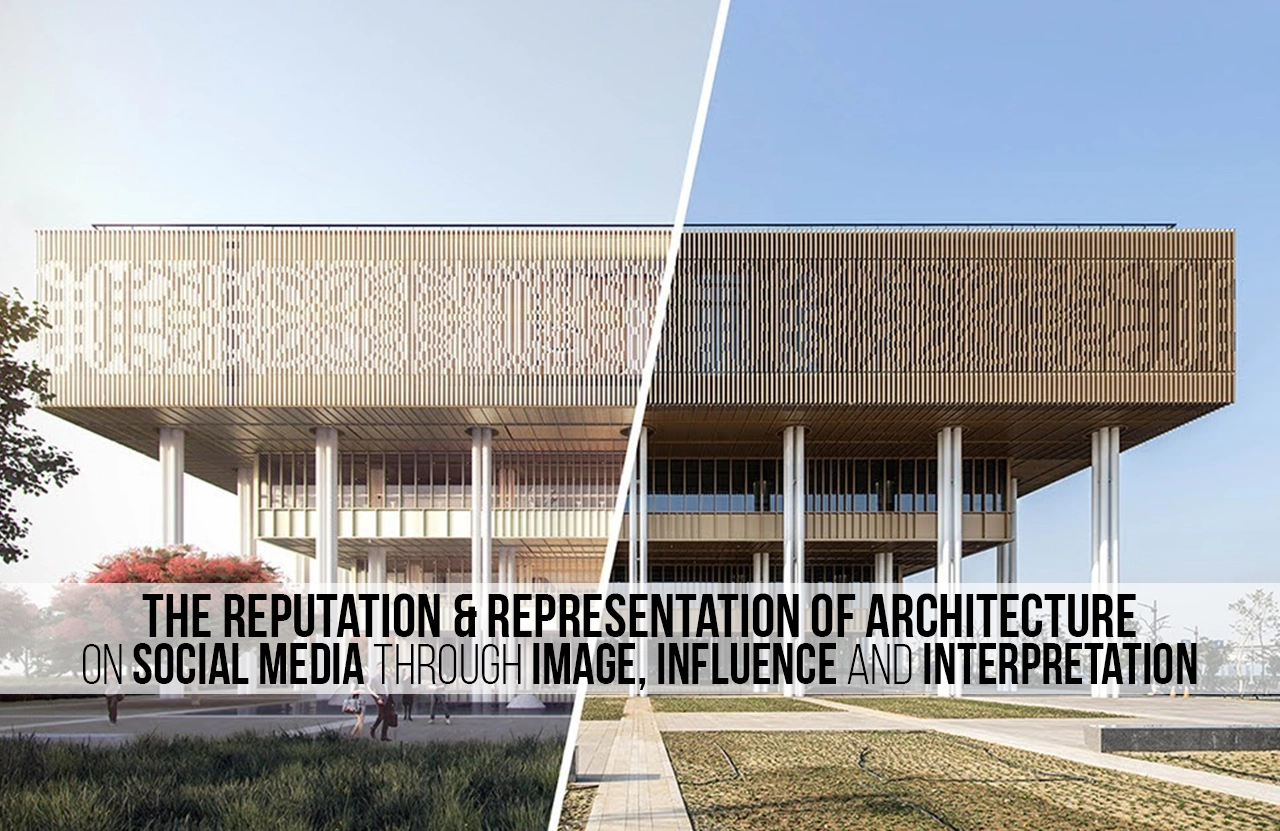
To most of the spectators, architecture has been about the way it is seen and the presentation of the exterior until the new era. But in today’s world, the terms of visibility have changed. From consuming architecture through the mediums of Journals, Newspapers, Academic Criticism, Magazines, and Television, it is now narrowed to Social Media platforms like Instagram, YouTube, and LinkedIn.
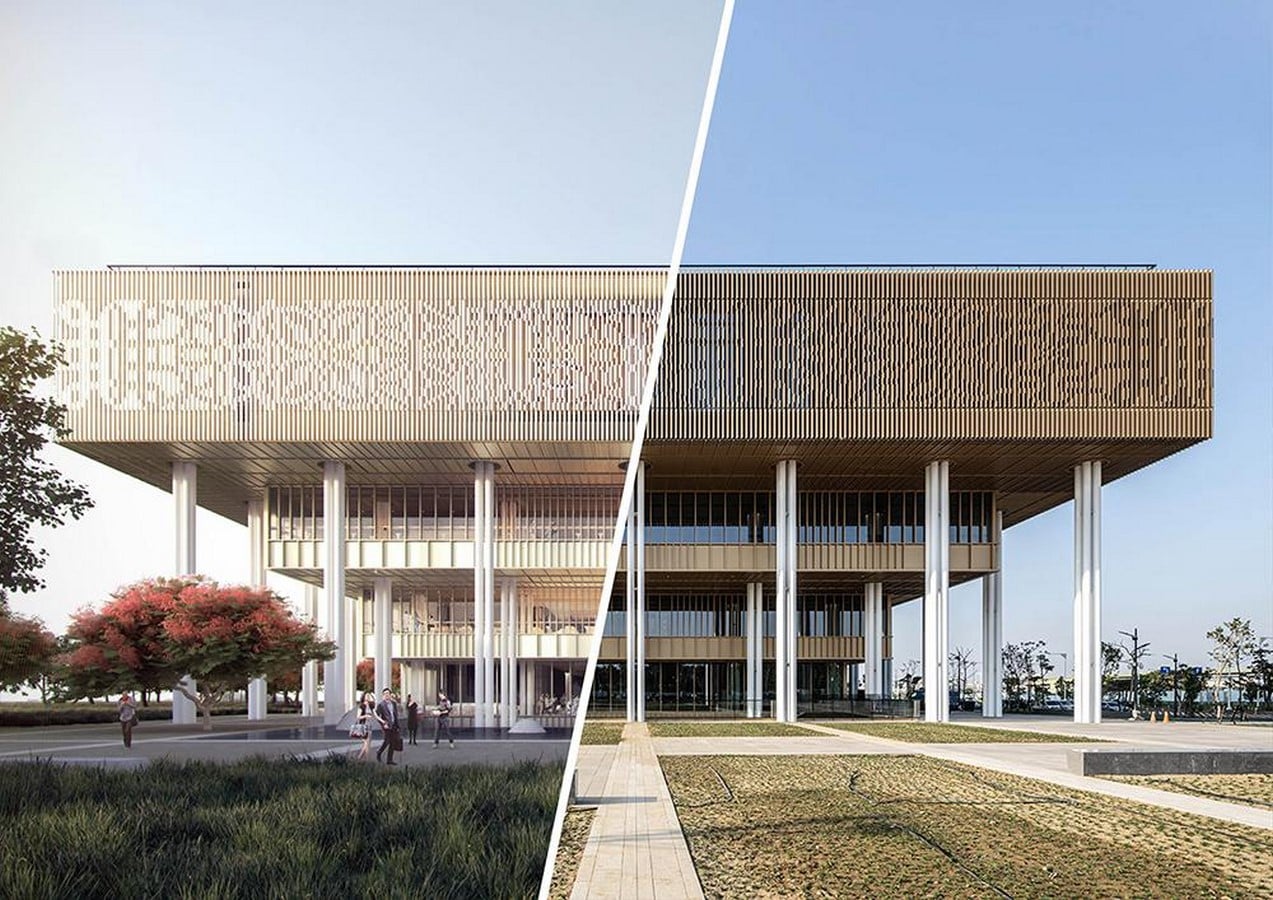

The changeover from deciphered information to ten-second videos is being called technology; don’t you think architecture is reduced to a single, flattened image?
The Aesthetic Over the Essence
All over the Social Media Platforms, many architecture-focused accounts share their work, design process, and conceptual development. These presentations are genuine insights into how these projects are being developed and executed. These outputs are definitely visually striking, yet they still feel lifeless. Images miss the essence that architecture carries within itself.
The audience, on the other hand, responds well to these renderings emotionally, praising them without engaging with what the design is trying to convey. The design’s purpose and its goal to achieve are completely overlooked. Somehow, they are mistaking the image of architecture for architecture itself.
Misinformation, Criticism, and the Absence of Context
The comments in these posts prove the point of how they perceive. Non-architects showing genuine interest in understanding the design and the contents of a building is a healthy sign. But the concern is that the influencers who talk about architectural styles without adequate knowledge continue to spread misinformation on major social media platforms.

This is leading to the audience commenting on buildings without truly understanding their reasoning, limitations, or the ideology behind them.
On the other hand, many architects are now sharing information about architecture with accurate and detailed work but are still overshadowed by the content that is either overhyped or denied with any context. The result? Architecture is out there but with a façade that is weak and fake.
The audience who are consuming this type of information placed in front of them is not to blame either. The thing is, a simple rendered image offers no account of meaning to function, materials, or the intent of the construction. One really can’t expect the viewers to read directly into images.
The responsibility for clarity begins with those producing the content.
The Myth of the Perfect Frame
The initial misunderstanding would come from the picture-perfect and almost editorial but natural-looking photographs that are composed for social media. They all look the same: one curated angle, styled and edited as a living experience. The word you are looking for is ‘aesthetic’. According to this rule of aesthetics, a home must always look pristine. Even a stray charging cable or any other everyday object is not allowed. A home is always staged. But habitats are never controlled.
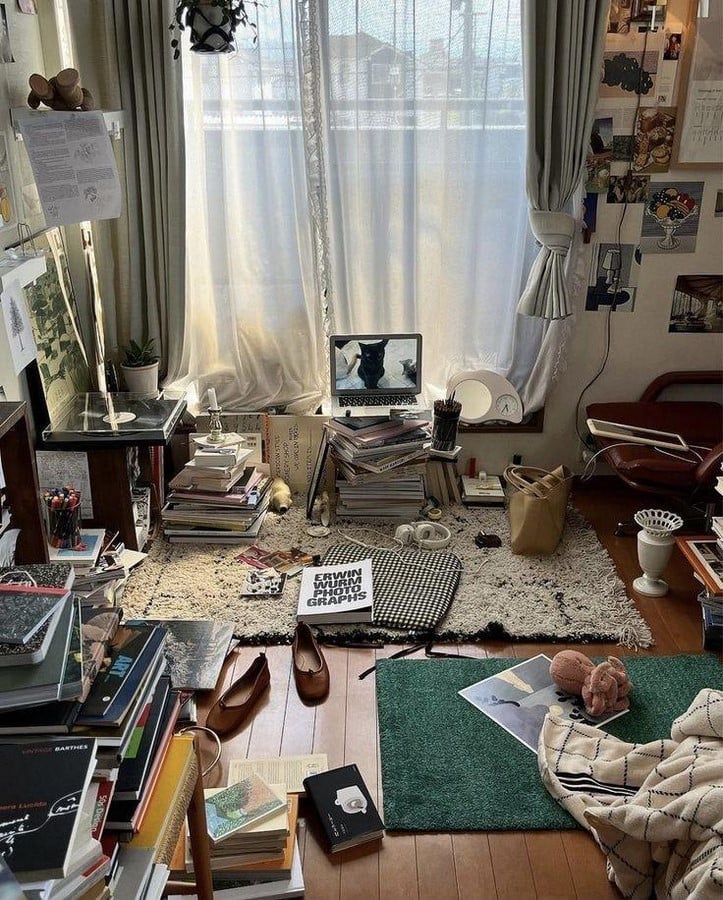
When a space is in use, the user is supposed to change it, and in fact that space often carries the character of its particular user. The space is a little unpolished, and imperfection is not a flaw in architecture. Imperfection is evidence of a functioning space. And that is how the famous reply by Frank L. Wright exists: “That’s how you know it’s a roof!”
Why is a particular chair placed in a specific direction? What does color theory communicate with what the frame is trying to show? What is the design trying to say through its textures, materials, and forms? Without this explanation, social media risks reducing architecture to a set of aesthetic trends that demand a “big, cozy living room.” At this point, architecture feels only about looks rather than discipline.
A Discipline Larger Than the Image
In many of the social media posts, architecture is only seen as an image of a building alone. In reality, it branches out to various other subjects like Architectural Journalism, Architectural Photography, Set Design, Concept Design, Product Design, Filmmaking, Architectural Research, Visualizing, and many more.

It is a design of space, a design of thought. Theory is what connects all these fields, through principles, elements, functions, and building environments, not just a façade. Ultimately, it is always about the user, even when the user is so influenced by the social media image where the framework is dominated by the appearance.
The Same Facade, Repeated
This misinterpretation of how buildings are viewed has taken a toll on the heritage sites and landmark buildings represented online. Every post, every vlogger shows that same façade, a photogenic side of a structure. Countless reels and reviews on that one side eventually lead people to visit the place, aspiring for more of such ornamentation.
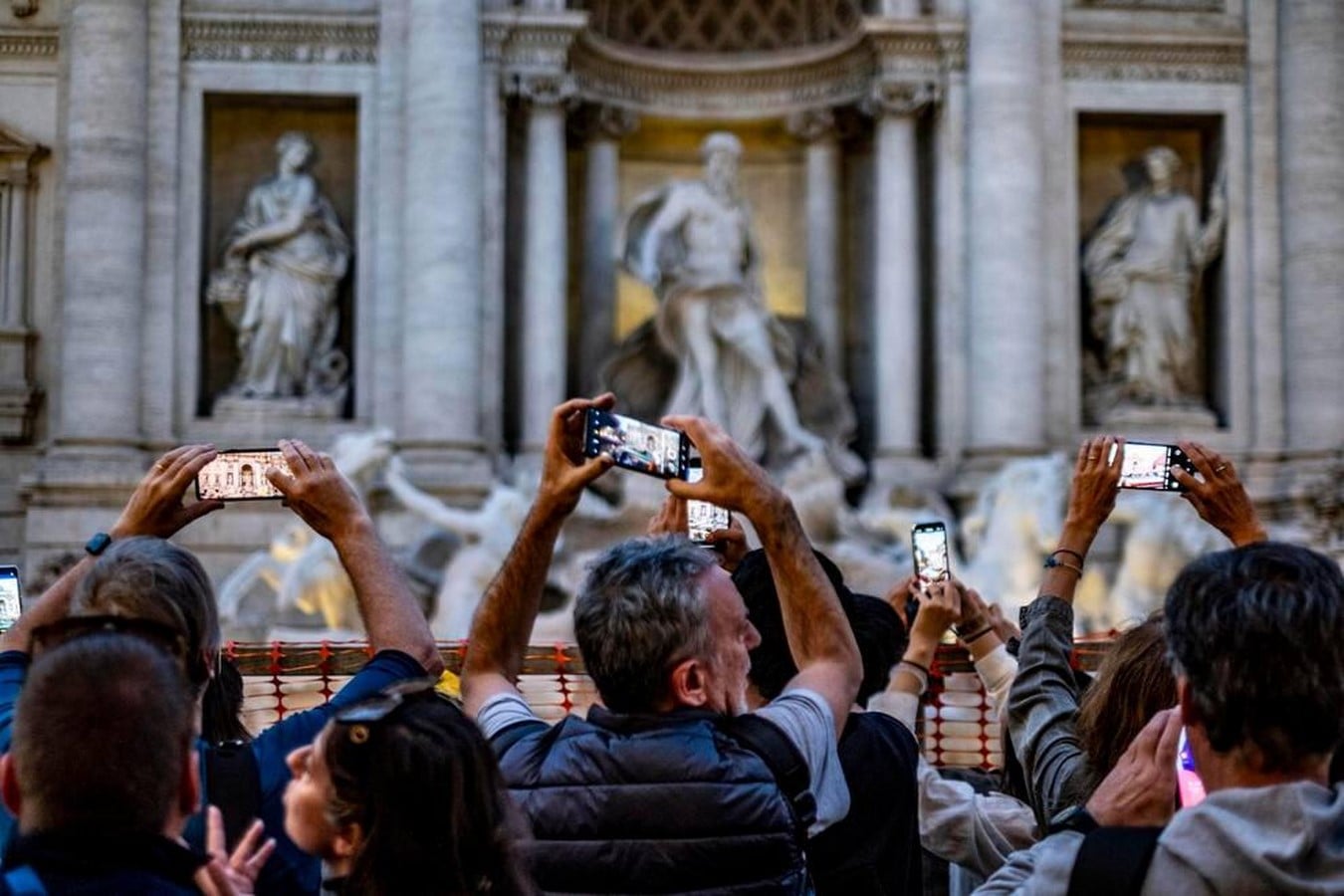
But the ruins, the fallen pillars, the inconsistencies always go unaddressed. The information led by these vlogs and reviews doesn’t really include the locals’ perspective or understand the historical context or nuances. Now that information is easy to get, it reaches faster before it can be researched. A generated render is a quick review without considering the challenges it can hold.
Toward a More Reciprocal Loop
There is no blame on social media for architecture; it has the potential to be an extraordinary tool for knowledge, documentation, critique, and major public engagement. A platform for both architects and the public to benefit from each other. This entire phenomenon is a continuous loop.
Architects build; the public inhabits, represents, and comments on it. Architects observe this, study the response, figure out the limitations, and create a better future design. It goes;
- Design
- Representation
- Public Interpretation
- Criticism
- Future Design
For that loop to function well, both sides carry responsibility. Architects and institutions need to offer clearer context alongside their images, and audiences need to engage with buildings, their function, their ideology, and their flaws before forming judgment. The central question this raises is a simple one;
When did architecture begin to be measured by a beauty standard, rather than by what it does?