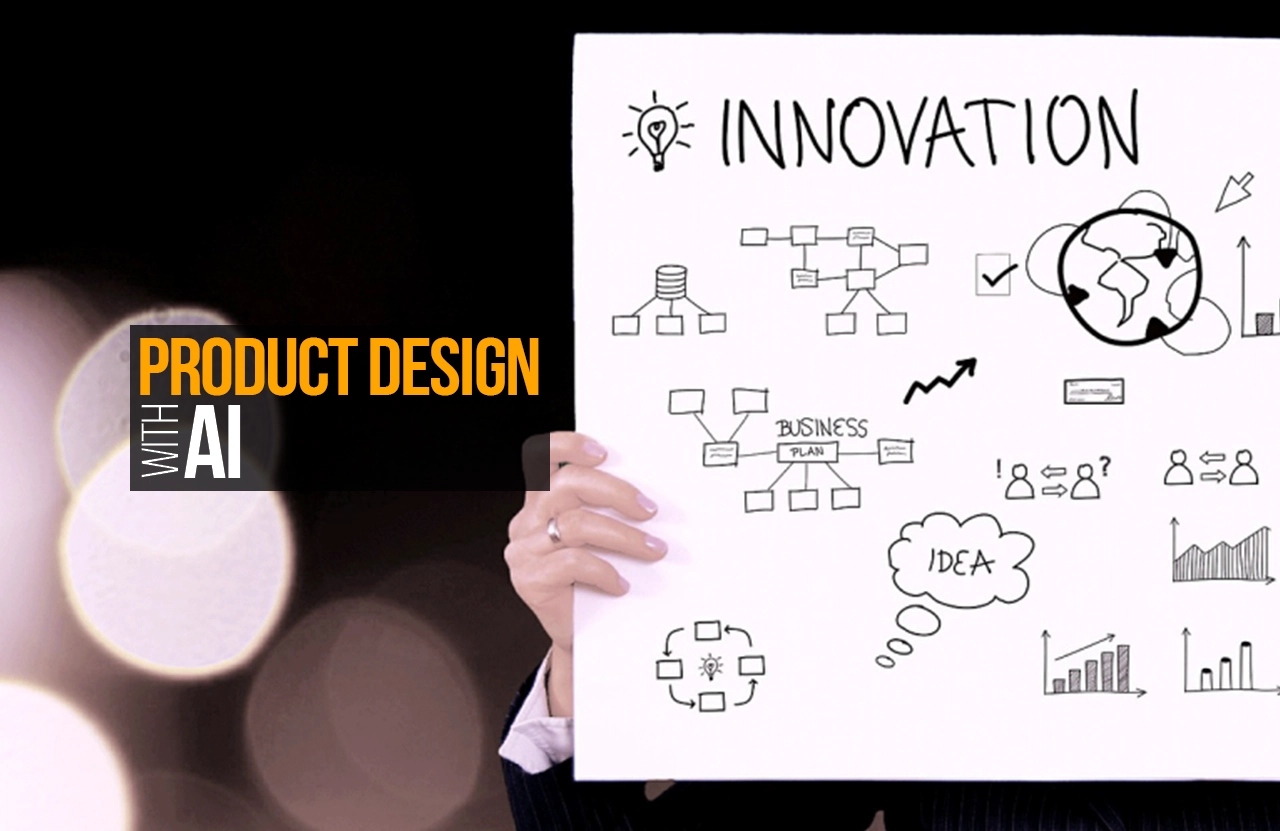
Product design with AI brings together technology and machine learning to make the design process smarter, faster, and more focused on real user needs. It covers everything from building digital products that run on AI to using AI-powered tools that help designers work better. Designers with the help of AI can access vast amounts of data, and can now tackle more complex challenges. The rapid rise of artificial intelligence has changed what good design looks like, and tracing that journey helps us appreciate just how far the industry has come.
The Evolution of AI in Product Design

The story of AI in design begins with Computer-Aided Design (CAD), which first emerged in the 1960s and grew more powerful alongside advances in computing. By the late 1990s, AI was being woven into CAD systems to simulate products before production, a major step forward for quality assurance. Then, between the 2000s and 2010s, machine learning started shaping how teams handled data analytics, predictive maintenance, and real-time manufacturing insights. Designers started exploring how AI could take over repetitive tasks and make existing tools more capable. Today, the field has moved even further, embracing generative design and agentic systems that can think and act with a degree of autonomy. It’s remarkable how AI now touches every part of the product design lifecycle.
The AI-enhanced product design lifecycle.
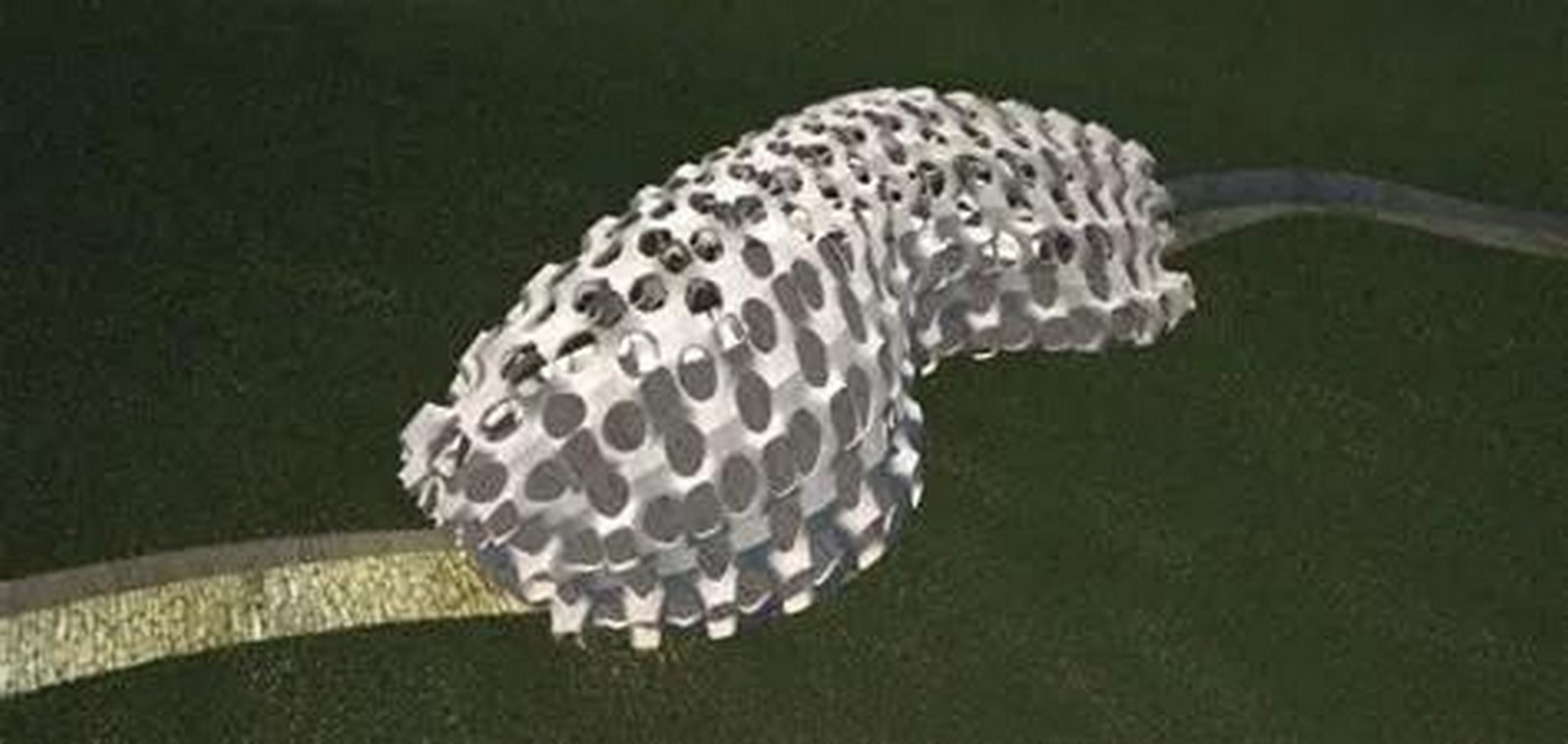
AI integrates into every phase of product development. It helps designers at different stages of the design process. For Research and Data Analysis, AI is used to understand the behaviour of users based on a set of data to identify trends and opportunities. In Brainstorming and Ideation AI enables designers to brainstorm and create drafts of the designs, this avoids the blank canvas problem. Generative AI helps designers to create text, images, and videos to create mock-ups and wireframes of multiple iteration. During Prototyping and Simulation AI asset designers create prototypes of the products and simulate user interaction. This test is done to check vulnerabilities and evaluate their product performance before manufacturing. After numerous Iteration and Testing AI tools are used to speed up the process to determine which one provides the best user experience and performance. After the product hints at the market, the designer does a Deployment and Monitoring test with the help of AI. This is done to develop new features based on the performance of the products in the market. AI tools are used to track the engagement of users in real time.
Industrial Case Studies
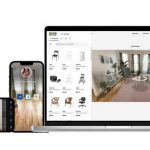
IKEA Kreative, launched in July 2022, is a pioneering AI-driven digital design. The app allows customers to visualise furnishings in their own living spaces through a lifelike, interactive environment. This is a cutting-edge development in spatial computing, machine learning, and 3D mixed reality. KEA Kreative was acquired by IKEA in 2020 and developed by Geomatical Labs, a Silicon Valley AI specialist. This tool is designed to bridge the gap between digital inspiration and physical reality. It works by taking a series of photographs of a room that is used to generate a fully interactive 3D replica of the space, and with an innovative feature, the system is able to erase existing furniture from the digital scene. This allows customers to clear their actual rooms virtually and reimagine the space by positioning and stacking IKEA products.
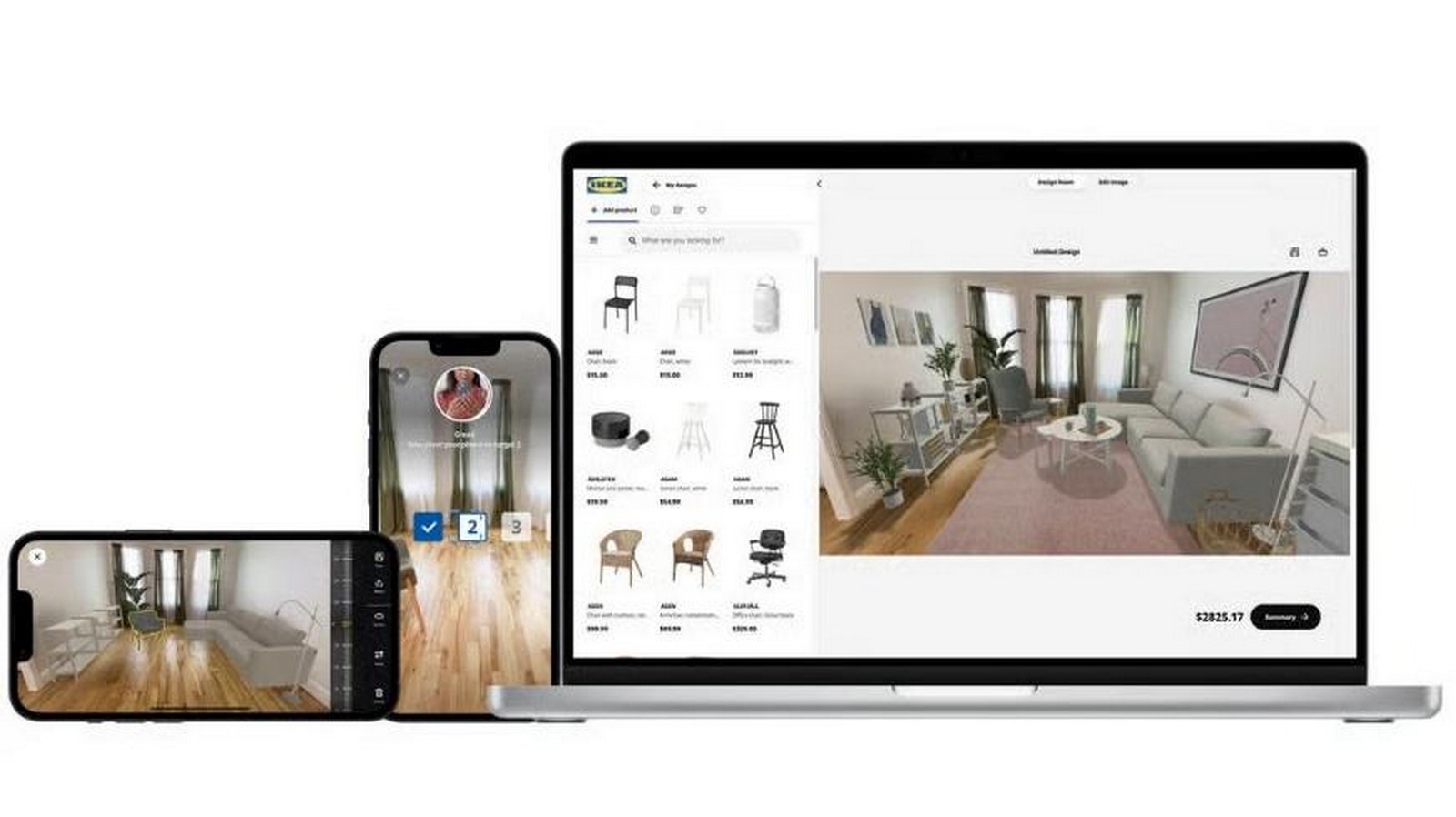
IKEA Kreative is a prime example of hyper-personalisation and the use of AI as a creative partner. This simple, time-saving experience empowers users with confidence and control. AI platforms like IKEA Kreative help customers visualise how furnishings will look and function before making a purchase. It reflects a shift where technology is used not just for efficiency, but to create meaningful, user-centric experiences that adapt to an individual’s unique context. By breaking down the barriers to home furnishing, IKEA has transformed the traditional catalogue into an interactive, AI-powered assistant that helps users reclaim and redesign their homes.
Changing role of designers in the AI era
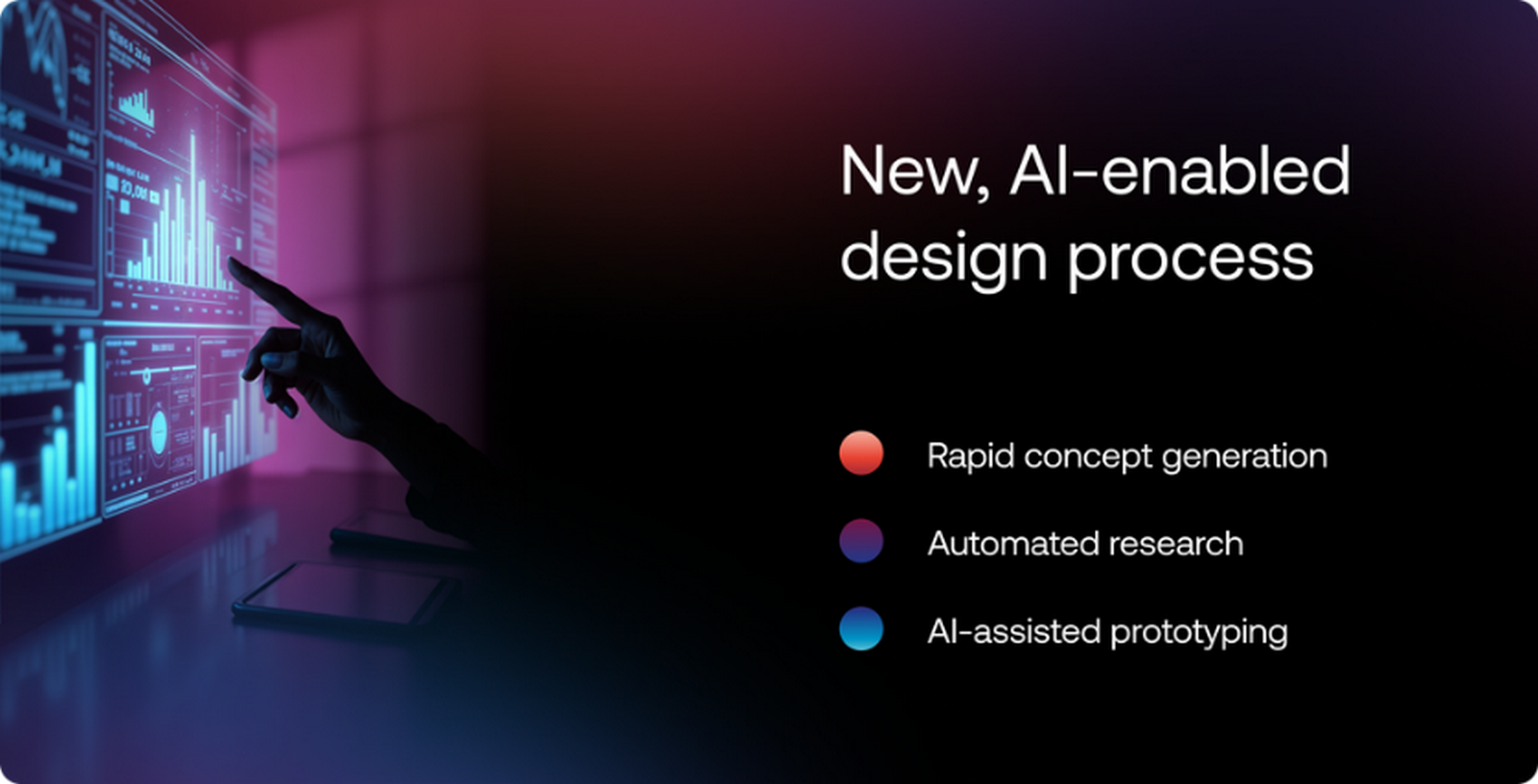
AI can quickly provide answers and perform tasks, but cannot decide where a decision is in line with the goals. It can generate an infinite number of design options at speed. Designers can diagnose the real problem and ensure that the generated output has a clear purpose. Human creativity and intuition have been the driving factors for developing products. AI has changed the workflows; designers do not spend a long-time on monotonous tasks. It has enabled product designers to efficiently analyse user data and come up with creative product design concepts and strategies for enhancing product development. In the age of AI, designers are tasked to connect the right tools and make decisions that move the product towards something meaningful. The designer who understands and connects users’ needs with business goals, making them indispensable. Hence, today, a designer’s technical execution of tasks is no longer the top skill. Designers must be able to think critically, guide decisions to ensure AI enabled products are meaningful and effective.
The strategic impact of AI in product design
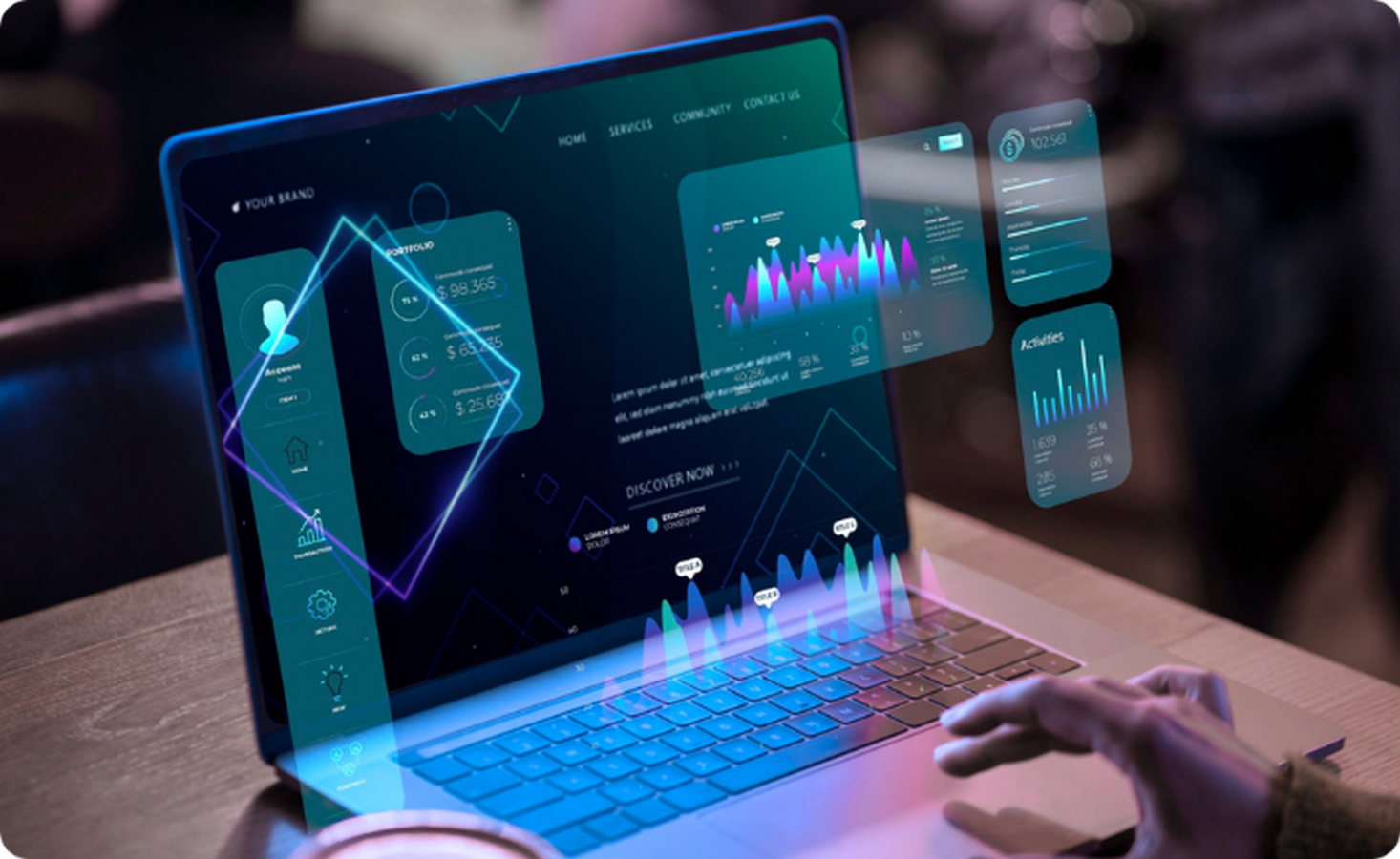
The impact of AI in product design goes beyond mere efficiency. It has changed the way we think about the role of designers and where they create value. Designers’ contribution is by how effectively they can frame problems, shape solutions, and design systems that meet user needs and business goals. Artificial intelligence is taking over repetitive activities, and designers are being pushed toward higher-level thinking, strategy, and responsibility for the bigger picture. By leveraging both, we can create more efficient, personalised and impactful products that people will enjoy. The future of product design lies in a balanced collaboration between humans and AI.
Reference:
STRV. (2026). The Future of Product Design: Harnessing New Tech and AI. [online] Available at: https://www.strv.com/blog/the-future-of-product-design-harnessing-evolution-emerging-technologies-and-ai [Accessed 29 Mar. 2026].
Neuralconcept.com. (2024). AI Industrial Design: Applications and Benefits. [online] Available at: https://www.neuralconcept.com/post/ai-industrial-design-applications-and-benefits.
Nik Gulak (2026). How AI Is Redefining the Job of Product Designers. [online] Futuremind.com. Available at: https://www.futuremind.com/insights/how-ai-is-redefining-the-job-of-product-designers/.
Flinders, M. and Smalley, I. (2025). AI Product Design. [online] Ibm.com. Available at: https://www.ibm.com/think/topics/ai-product-design.
IKEA (2022). IKEA Launches New AI-powered, Digital Experience. [online] Ikea.com. Available at: https://www.ikea.com/us/en/newsroom/corporate-news/ikea-launches-new-ai-powered-digital-experience-empowering-customers-to-create-lifelike-room-designs-pub58c94890/.
admin (2025). The Rise of AI-Powered Tools in Industrial Product Design. [online] CADD Centre – CADD Centre: Pioneering Edtech Transformation for Over 35 Years. Available at: https://caddcentre.com/blog/the-rise-of-ai-powered-tools-in-industrial-product-design/.
Images:
Anon, (n.d.). [Photograph-1] Available at :
https://www.neuralconcept.com/post/ai-industrial-design-applications-and-benefits.
Anon, (n.d.). [Photograph-2] Available at :
https://www.neuralconcept.com/post/ai-industrial-design-applications-and-benefits.
Anon (n.d.). [Photograph-3] Available at : https://www.ikea.com/in/en/home-design/
Anon, (n.d.). [Photograph-4] Available at https://www.futuremind.com/insights/how-ai-is-redefining-the-job-of-product-designers/
Anon, (n.d.). [Photograph-5] Available at https://www.futuremind.com/insights/how-ai-is-redefining-the-job-of-product-designers/