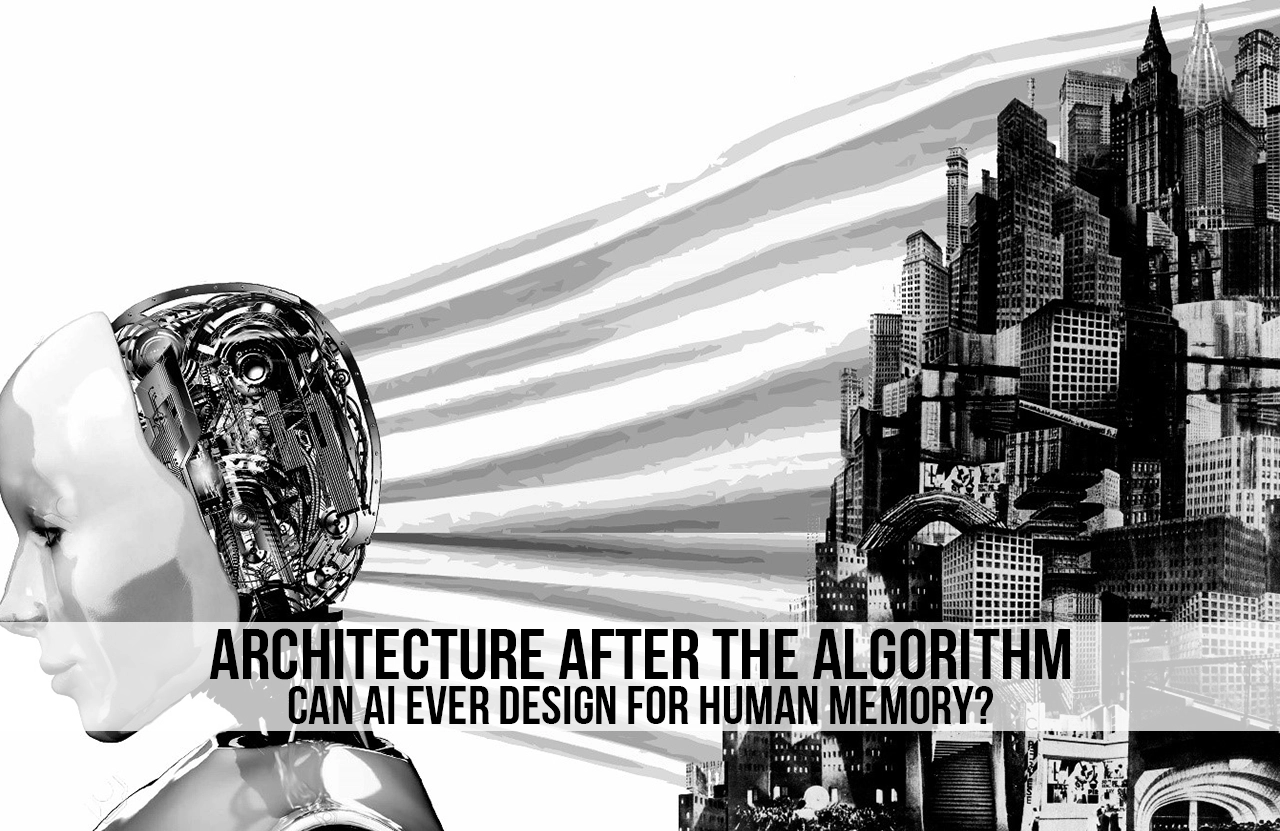
For centuries, architecture has been celebrated as the most human of all arts. It shelters, inspires, remembers and endures. Long after civilisations disappear, their buildings continue to narrate stories of culture, identity and collective memory. Today, however, architecture stands at a remarkable turning point. Artificial intelligence is no longer a futuristic concept—it is becoming an active participant in design studios, generating floor plans, optimising structures, predicting energy performance and producing photorealistic visualisations within minutes.
As AI in architecture becomes increasingly sophisticated, a profound question emerges: can algorithms design spaces that people truly remember? While artificial intelligence excels at analysing data and identifying patterns, architecture is ultimately experienced through emotion rather than computation. A memorable building is rarely defined solely by efficiency or optimisation; it is remembered because it makes people feel something. The future of architecture therefore lies not in replacing human creativity with artificial intelligence, but in redefining the relationship between technology and human experience.
The Rise of AI in Architecture
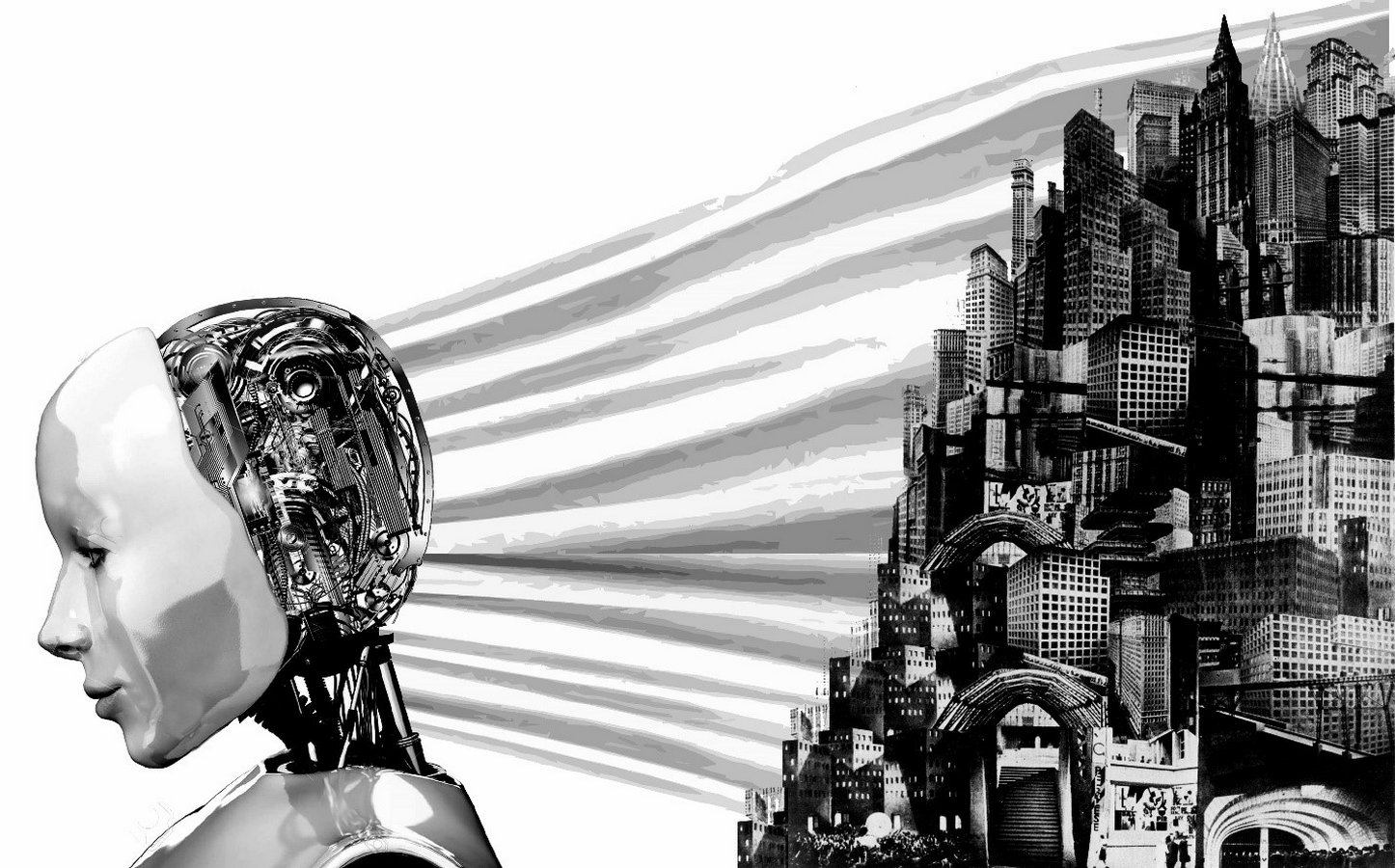
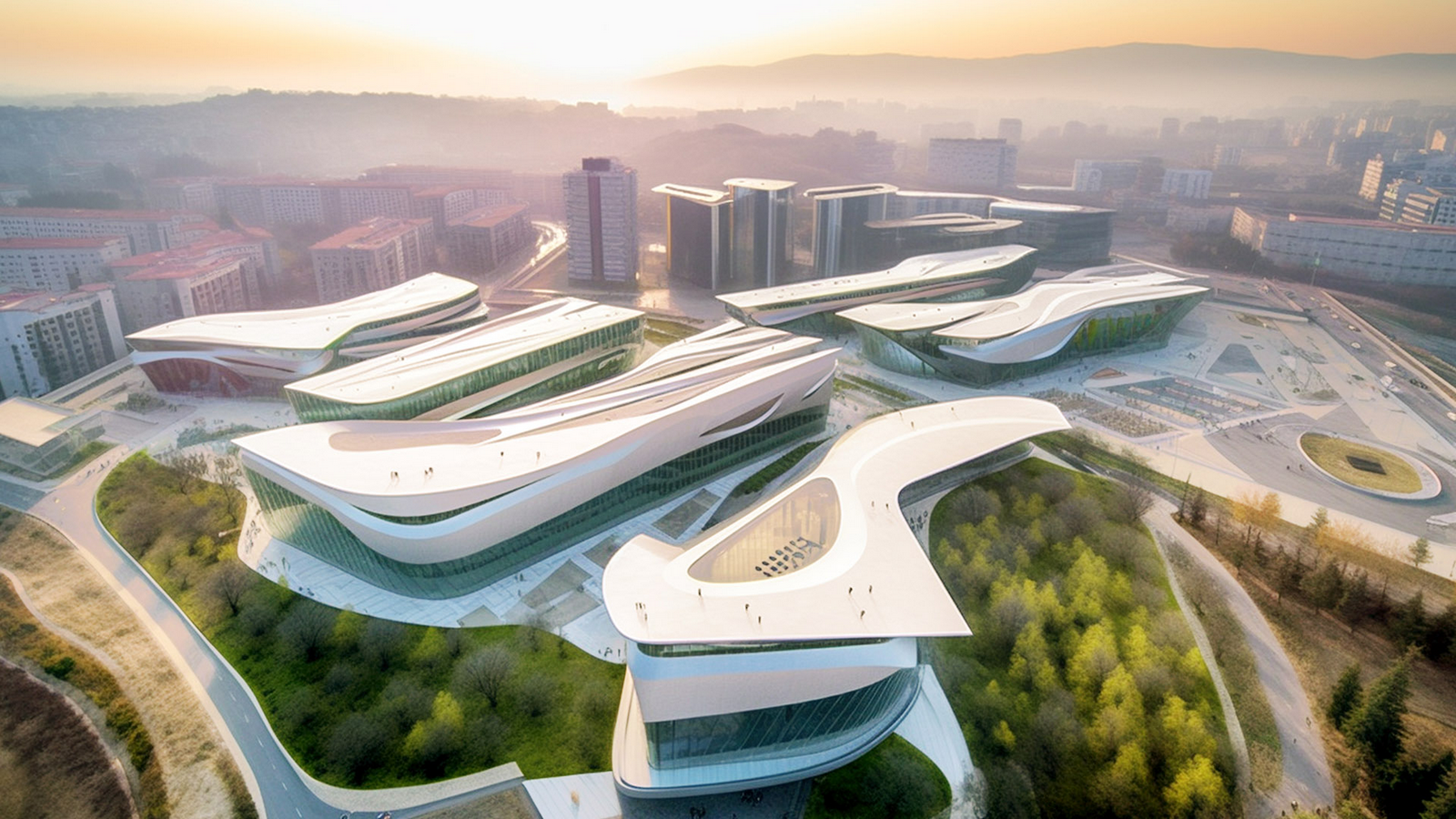
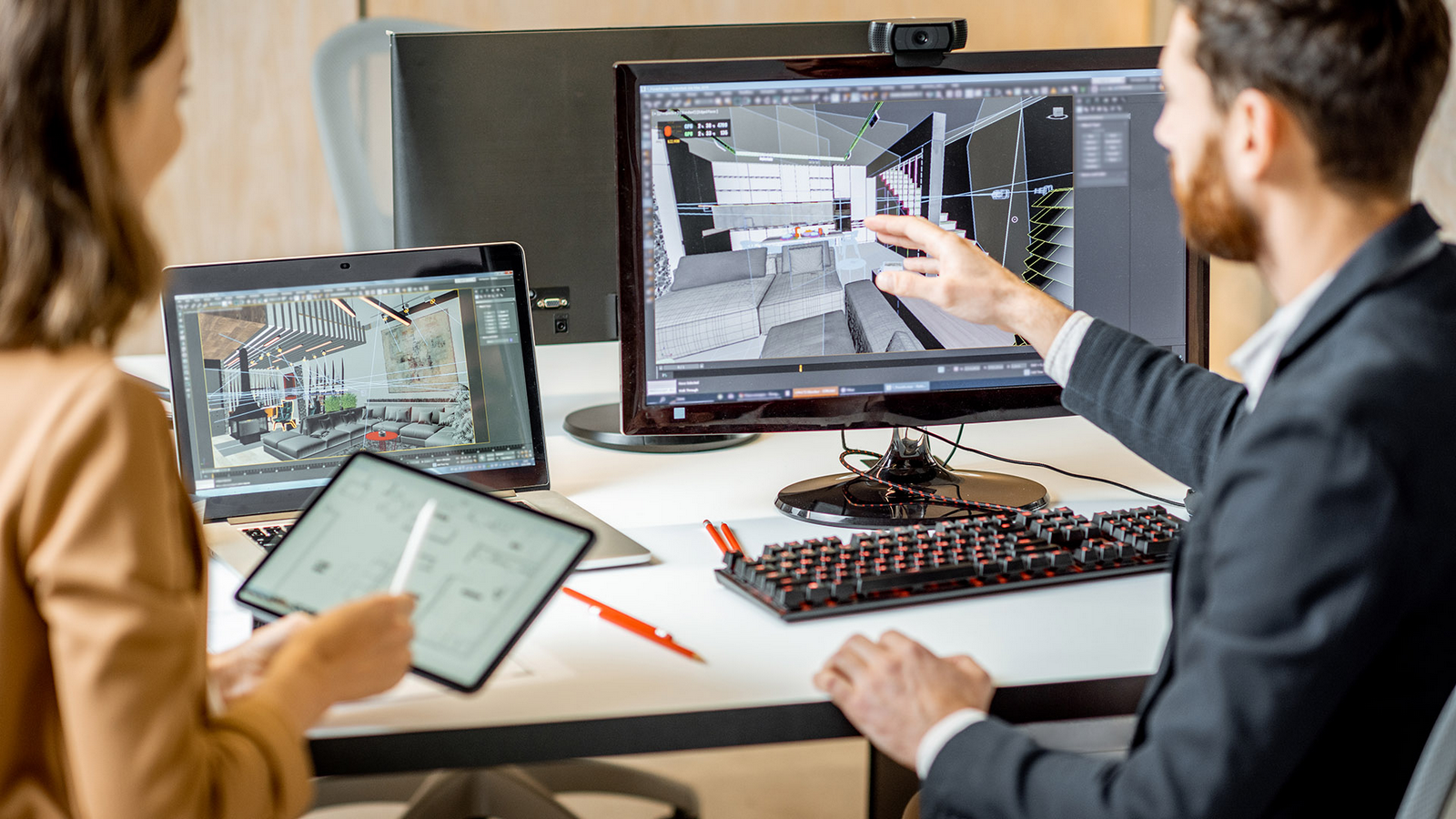
Artificial intelligence has rapidly transformed architectural practice. Tasks that once required days of manual effort can now be completed within hours. AI assists architects in generating multiple design alternatives, evaluating environmental performance, estimating costs and improving construction workflows. Parametric modelling, machine learning and generative design enable professionals to explore thousands of possibilities before selecting the most suitable solution.
These capabilities are particularly valuable when addressing complex challenges such as climate resilience, urban density and resource efficiency. AI can analyse solar orientation, optimise structural systems and reduce material waste with remarkable precision. In an era where sustainable development is no longer optional, such computational intelligence offers unprecedented opportunities.
However, efficiency alone does not define great architecture. Throughout history, the world’s most celebrated buildings have transcended function. They have become symbols of identity, memory and belonging.
Buildings Are Remembered Through Emotion, Not Geometry
Few people remember the exact dimensions of the home in which they grew up. Instead, they remember sunlight filtering through a window on a winter morning, the sound of footsteps echoing across a courtyard or the comforting scent of rain drifting through an open veranda. Human memory does not archive architecture as measurements or digital models. It preserves experiences.
Neuroscientific research suggests that memories become stronger when they are associated with emotions and sensory experiences. Architecture influences these experiences through light, texture, scale, acoustics, temperature and movement. These qualities create emotional attachments that cannot easily be translated into numerical datasets. An AI model may generate a perfectly proportioned room based on millions of examples, yet it cannot genuinely understand nostalgia, comfort or longing. These emotions arise from lived experience rather than statistical probability.
The Invisible Qualities of Good Architecture
Architecture extends far beyond walls and roofs. Every successful space contains intangible qualities that often escape computational analysis. A neighbourhood café becomes meaningful because strangers gradually become familiar faces. A temple inspires reflection through silence and rhythm rather than ornament alone. A public square succeeds because it encourages spontaneous encounters between people. These moments cannot be entirely predicted through algorithms.
Architecture is fundamentally a social art. It shapes relationships, rituals and cultural identity. While AI can recognise patterns within existing designs, it cannot personally experience festivals, family traditions, childhood memories or local customs that influence architectural meaning. Consequently, architects continue to possess something irreplaceable: empathy.
Cultural Memory Cannot Be Automated
One of architecture’s greatest responsibilities is preserving cultural heritage while responding to contemporary needs. Traditional architecture across the world evolved through generations of observation rather than computational optimisation. Whether it is the courtyards of Rajasthan, the wind towers of the Middle East or Japanese wooden townhouses, these environments embody climate, craftsmanship and community knowledge accumulated over centuries.
Artificial intelligence learns primarily from existing digital information. If training datasets predominantly represent certain architectural styles or geographical regions, AI risks reproducing cultural biases instead of celebrating diversity. Architecture should never become globally efficient at the expense of local identity. The challenge is therefore not merely technological but ethical. Architects must ensure that AI becomes a tool for preserving cultural narratives rather than unintentionally erasing them.
Designing with Intelligence, Creating with Humanity
Rather than viewing AI as competition, architects should recognise it as an extraordinary collaborator. Artificial intelligence can undertake repetitive calculations, optimise structural performance and evaluate environmental scenarios with exceptional speed. This allows architects to dedicate more time to conceptual thinking, community engagement and design exploration.
The profession may gradually shift from producing drawings to curating experiences. Future architects will spend less time performing routine tasks and more time asking fundamental questions like how should a place make people feel, how can architecture strengthen communities, what memories should this building create fifty years from now, technology can generate options, but humans determine meaning.
The Future Architect: A Designer of Human Experience
The widespread adoption of AI will inevitably transform architectural education and practice. Technical proficiency alone will no longer distinguish exceptional architects, as computational tools become increasingly accessible. Instead, qualities such as emotional intelligence, ethical reasoning, interdisciplinary thinking and cultural sensitivity will become more valuable than ever.
Future architects must understand psychology as much as technology, anthropology as much as algorithms and storytelling as much as structural engineering. Their role will expand beyond solving functional problems to designing environments that promote belonging, wellbeing and resilience. Ironically, as artificial intelligence becomes more capable, architecture may become even more human.

Artificial intelligence represents one of the most significant technological advancements in the history of architecture. It promises greater efficiency, sustainability and innovation across every stage of design and construction. Yet architecture has never been solely about producing buildings. It is about shaping the experiences that define human life.
An algorithm can calculate daylight levels, optimise circulation and minimise carbon emissions. It can generate thousands of design alternatives within minutes. What it cannot genuinely experience is the quiet comfort of returning home, the emotional weight of a memorial or the sense of belonging created by a familiar street. The greatest buildings are remembered not because they are computationally perfect, but because they become part of people’s lives.
The future of AI in architecture therefore should not be measured by how many architects it replaces, but by how effectively it empowers architects to design places that technology alone could never imagine. In the age of algorithms, the architect’s greatest responsibility will remain profoundly human: creating spaces that people remember long after the drawings have disappeared.