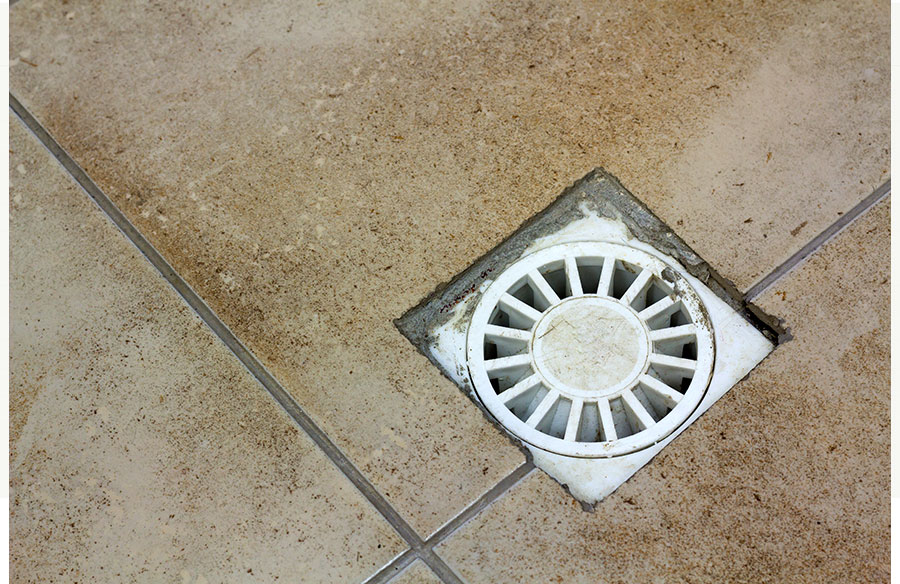
A floor drain that backs up during dinner service can shut down a kitchen faster than almost any other single equipment failure, and the strainer basket sitting over that drain is often the only thing standing between routine debris and a clogged line. It is also one of the cheapest fixtures in the entire kitchen, which is exactly why it gets overlooked until it fails, usually at the worst possible moment during a full house.
What a Strainer Actually Catches
A floor drain strainer basket with mesh openings around 1/4 to 3/8 inch catches food solids and packaging debris before they reach the trap below, without restricting water flow enough to cause standing water on the floor. Baskets sized too fine clog within a single shift and get pulled out by frustrated staff, which defeats the purpose entirely and lets exactly the debris the basket was meant to stop pass straight through. Stainless steel construction resists the corrosion that steadily weakens a cheaper coated-wire basket exposed to hot water and cleaning chemicals several times a day. A worn or corroded basket also tends to develop gaps along its seam over time, and debris that slips through those gaps causes exactly the buildup the fixture was installed to prevent in the first place.
Where Strainers Fit Into Grease and FOG Compliance
A strainer basket is not a substitute for a grease trap or interceptor, but it is the first line of defense that keeps solid debris from reaching the grease trap and shortening its service interval. The EPA’s fact sheet on controlling fats, oils, and grease discharges notes that FOG discharges are a leading cause of municipal sewer blockages, which is part of why most jurisdictions inspect both the grease trap and the condition of upstream floor drain hardware during routine facility checks. Facilities that neglect the strainer often see their grease interceptor fill with solid waste far faster than its rated service interval, forcing more frequent pump-outs and higher maintenance costs than the equipment was ever meant to carry. A properly sized floor drain strainer basket reduces how often staff need to service the grease trap directly, since less solid material makes it past the drain in the first place.
Replacing a warped or undersized strainer is a small, inexpensive fix that prevents a much larger and more disruptive plumbing call later in the year.
FAQ
Q: How often should a strainer basket be emptied?
A: Most kitchens empty floor drain strainers at least once per shift, and busier stations near dish pits or prep sinks often need a mid-shift check as well.
Q: Does a strainer basket replace a grease trap?
A: No. A strainer only catches solid debris at the floor drain; grease and oils still need to pass through a properly sized grease trap or interceptor to meet local discharge requirements.