Artificial intelligence has become one of the most widely used tools both in creative and professional fields. It has become a habit for people to ask AI for answers instead of using Google or finding them through professionals and books. Today, with the help of AI, everything is just a prompt away – information, images, poems, writing or even renders. Not only does it make life convenient, but it also changes the way humans process thoughts, learn things, and communicate with others. It has also been used by some as a means of emotional support.
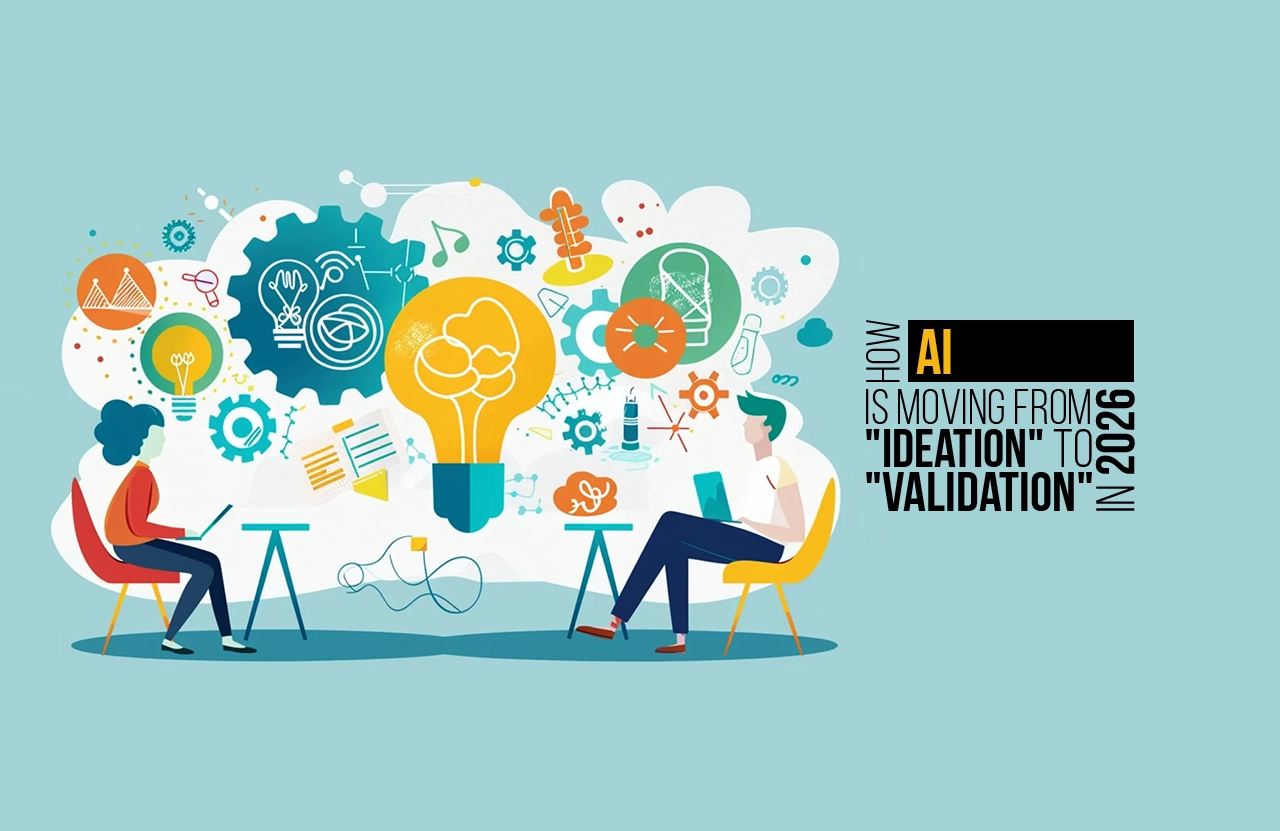
Looking at its applications in any profession, AI has been widely used for ideation—helping people come up with ideas. This has completely changed how people approach their tasks. Instead of starting from scratch with ideation, people now start with AI-generated ideas and develop upon them. The early stage of any project, which requires time and effort, like concepts, options, and strategies, has now been sped up by AI.
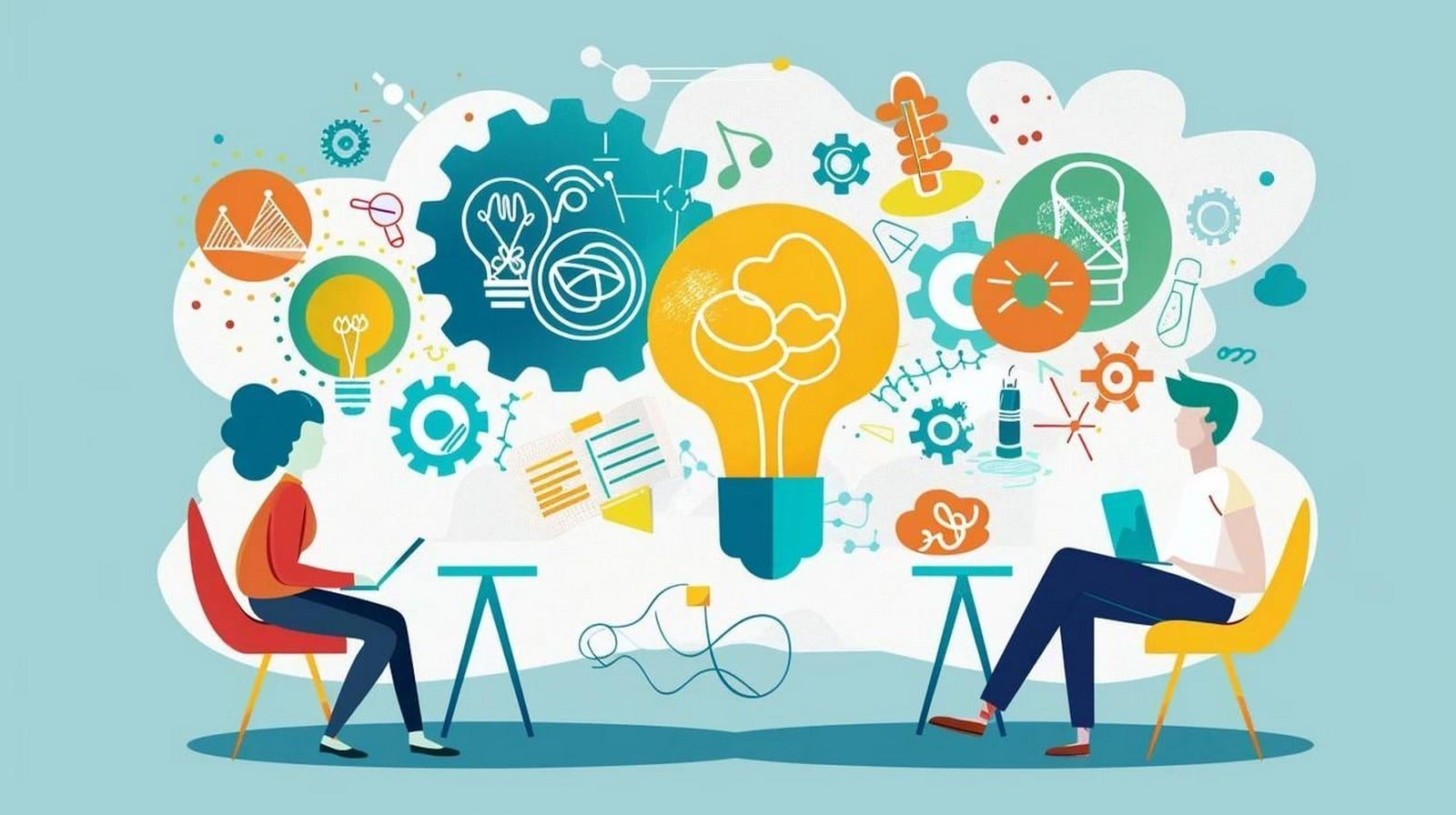
However, this also had a limitation. Not every idea that is generated by AI is practical and meaningful. Many might look convincing and creative, but fail when applied in real situations. A design may appear interesting, but in most cases, it may not be good for zoning. A business concept may look innovative, but it may lack practicality. This gap between what the AI imagines and what can actually work has become more noticeable as the dependence has increased. It has become a great challenge for people to make AI understand and get the practical outputs from it. Often, the users had to rework and reimagine the ideas to make them practical and more feasible.
However, in 2026, AI has evolved into something more advanced. AI can also test, refine and validate apart from ideation and generating concepts. This development can change how industries work and how decisions are made.
Evolution of Predictive Design and Simulations
The major factor of this shift is the change in the type of AI, from generative to predictive AI. Evolution of Predictive Design and Simulations
The major factor behind this trend is the change in the type of AI. While in the early days of AI use in design in the 2020s, a designer could create several variants of a façade through AI, none of them would consider wind loads or movements, rigidity or core placement. Today, in 2026, however, the back-end process for generating something has changed. Modern AI are more sophisticated and not only generate but rather simulate.
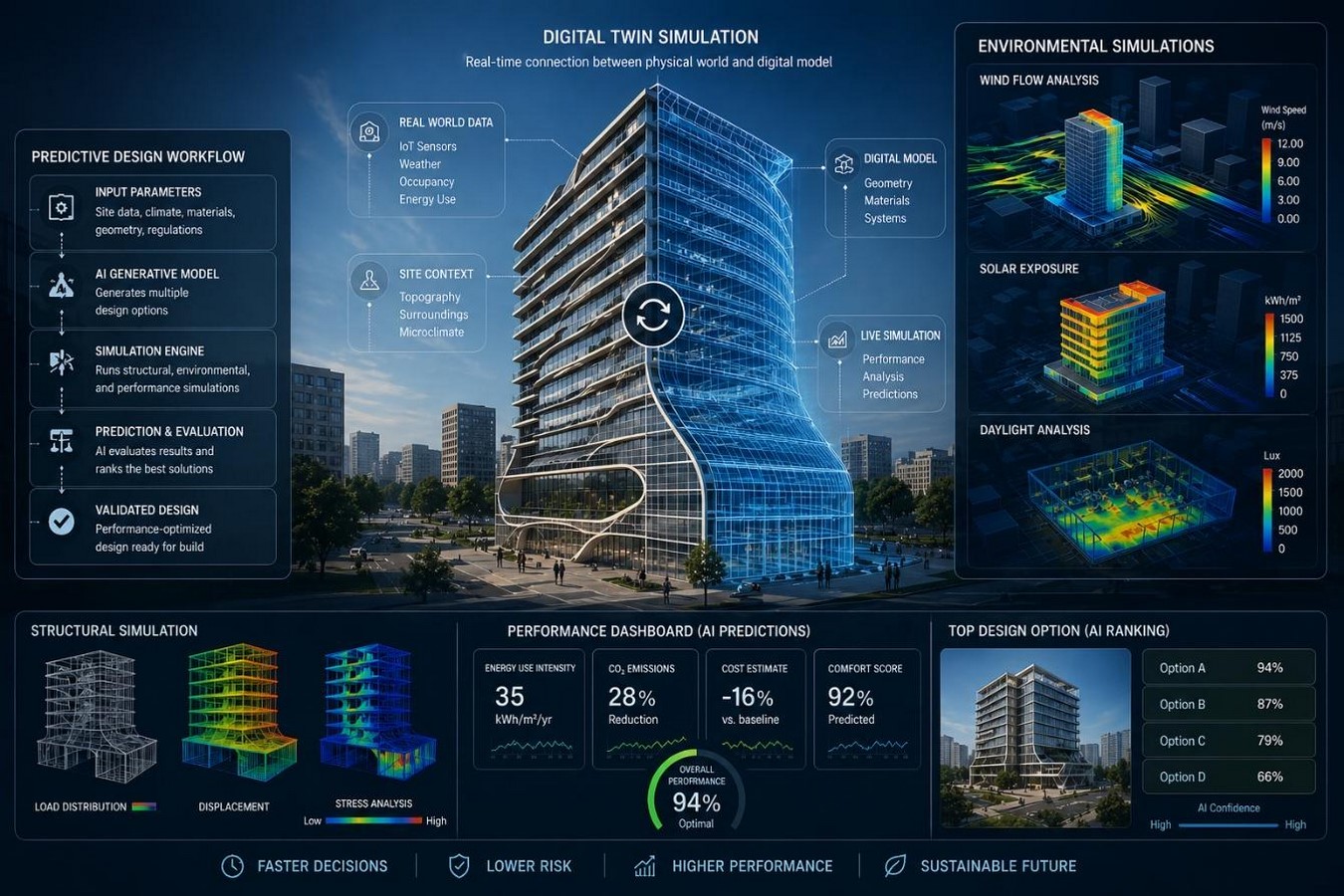
This means that once a designer inputs a request into an AI system, the latter simulates the process with the aid of Digital Twin technology, making sure that all criteria are met according to reality. In other words, the concept is automatically validated in the process, and this allows for eliminating errors that could be created while using AI.
From Proof of Concept to Proof of Impact
For businesses, the transition to validation has meant the end of the “Post-it note” era of AI. Previously, companies were satisfied with a “Proof of Concept” (PoC)—a flashy demo that showed AI could summarise meetings or write emails. However, these PoCs rarely moved the needle on the bottom line because they lacked scalability and rigorous testing.
In 2026, the industry has entered the “Year of Truth.” Enterprises now utilise Evaluative AI—specialised models designed specifically to “judge” the work of other models. Before a marketing strategy is deployed, AI agents run millions of synthetic simulations to predict consumer response, cost-per-click, and long-term brand sentiment. We are no longer throwing AI-generated ideas at the wall to see what sticks; we are using AI to calculate exactly how much glue is needed before we even touch the wall.
Quality Assurance Automation
The domain of software engineering represents one of the best cases for this transformation. In the past, AI-written code used to suffer from “hallucinations,” where the code seemed fine, but it had plenty of vulnerabilities or self-loops. Which had to be fixed by the users.
AI-based testing software, like Virtuoso QA and testRigor, has now evolved to include this vulnerability and its solution within its loop. Apart from coding, these systems also generate the logic behind validating such coding. These systems conduct updates, wherein the AI identifies any changes within the application, and then validates the whole system based on these changes. This has resulted in changing the role of humans within the loop from that of being “fixers” to “orchestrators.” In simpler terms, all that humans need to do is provide the purpose, while the AI validates the process towards achieving it.
The Human in the Loop: From Creator to Validator
As AI takes over the heavy lifting of validation, the human role is undergoing a profound transformation. We are moving away from being “producers” and toward becoming “curators” and “ethical anchors.” While AI can validate if a bridge will stand or if a piece of code will run, it cannot yet validate if an idea is morally right or if a brand voice feels authentic to a human community.
In 2026, professional expertise is measured by one’s ability to guide AI through these complex validation loops. Designers, engineers, and doctors use AI to rule out the 99% of ideas that won’t work, allowing them to spend their cognitive energy on the 1% that truly matter. This synergy has reduced the “rework” frustration mentioned in earlier years, replacing it with a streamlined process where the AI acts as both the imaginative spark and the rigorous laboratory.
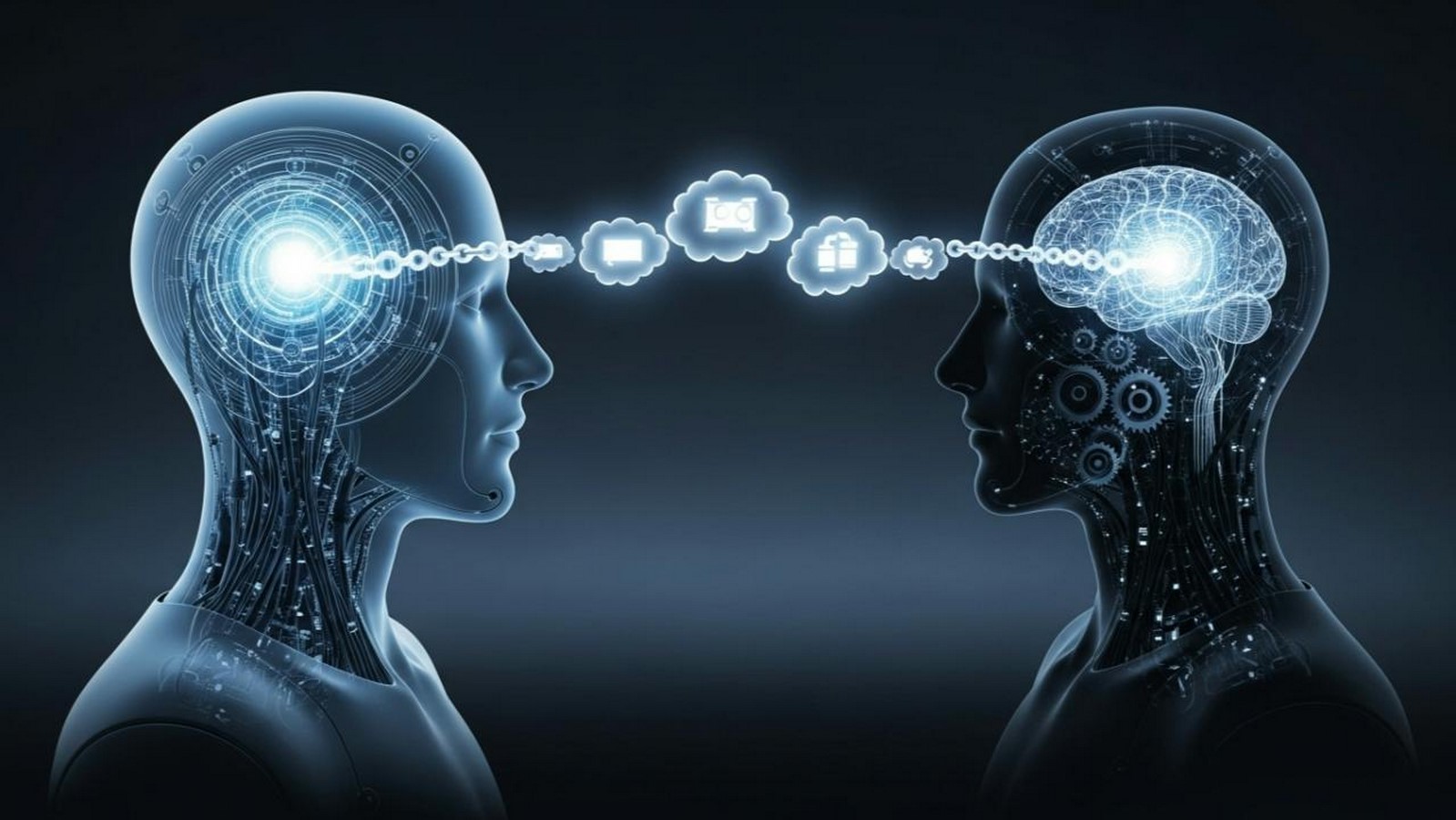
The transition from ideation to validation is a significant development in the field of artificial intelligence. The wonderment of what AI can do is in the past; we have reached the point of dependence on AI. Looking to the future, the question won’t be “What does AI think?” but “How close are we?”