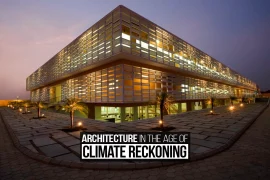
The future is an exciting, unpredictable, and ever-evolving space where creativity meets necessity. Designing for the future isn’t just about making things look sleek and futuristic—it’s about solving problems that don’t even exist yet, preparing for changes we can’t fully predict, and making sure our solutions are sustainable, functional, and meaningful. Architects, designers, engineers, and visionaries are all striving to create a world that is better than the one we live in today. But with this ambition comes an array of challenges that make future design both thrilling and incredibly complex.
The Speed of Technological Advancements
Technology is advancing at an exponential rate, and designers must continuously adapt. What is cutting-edge today might become obsolete in just a few years. Consider how quickly artificial intelligence, automation, and smart materials are evolving—designers need to anticipate how these technologies will shape our buildings, cities, and lifestyles.
The challenge is to create adaptable designs that can evolve with technology rather than become outdated. Smart cities, responsive environments, and AI-integrated architecture are becoming the new norm, requiring a blend of imagination and technical expertise. Designers also need to consider how technology can be incorporated seamlessly into everyday life without creating overwhelming complexity for users.
Sustainability and Climate Change
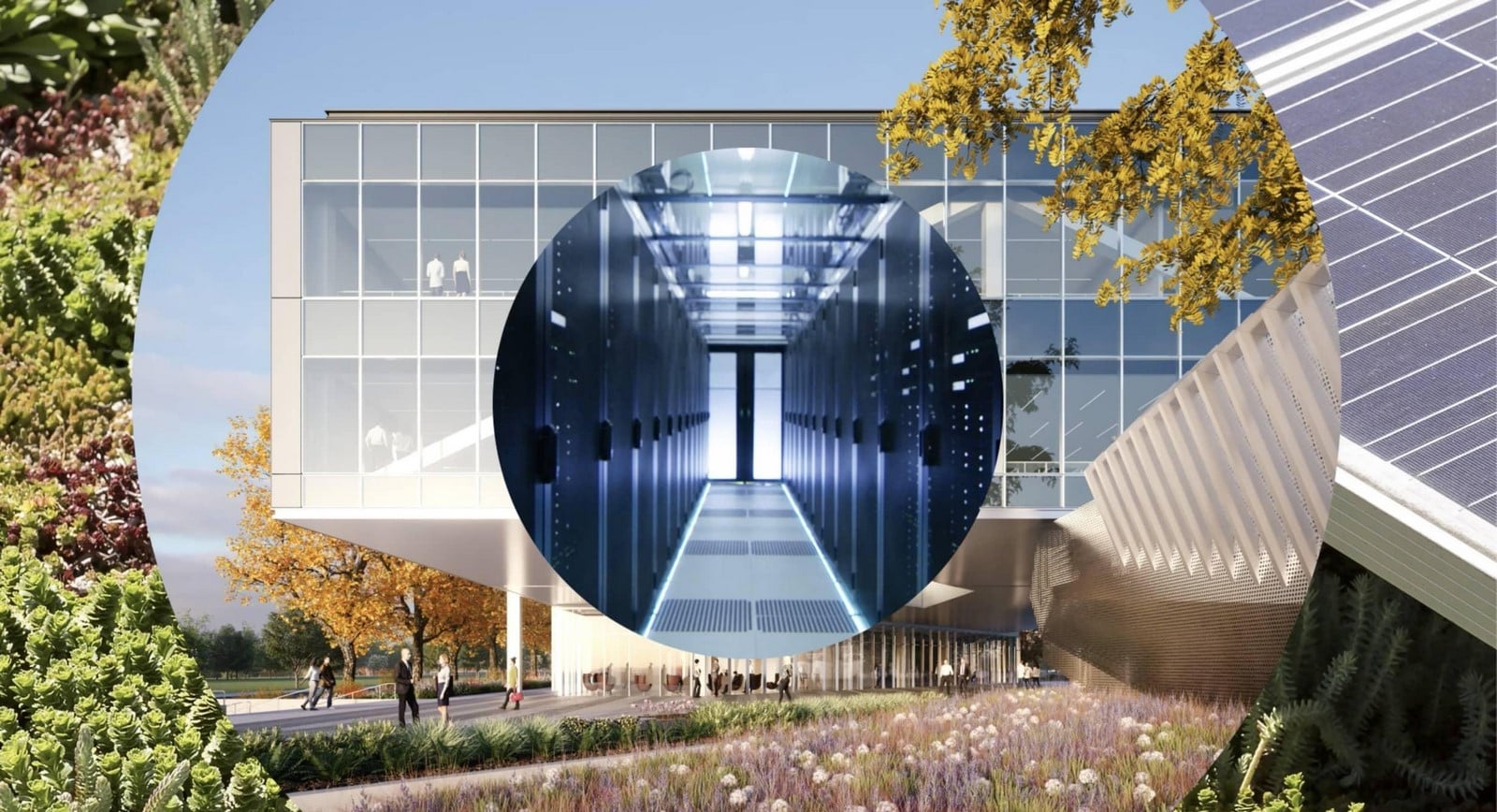
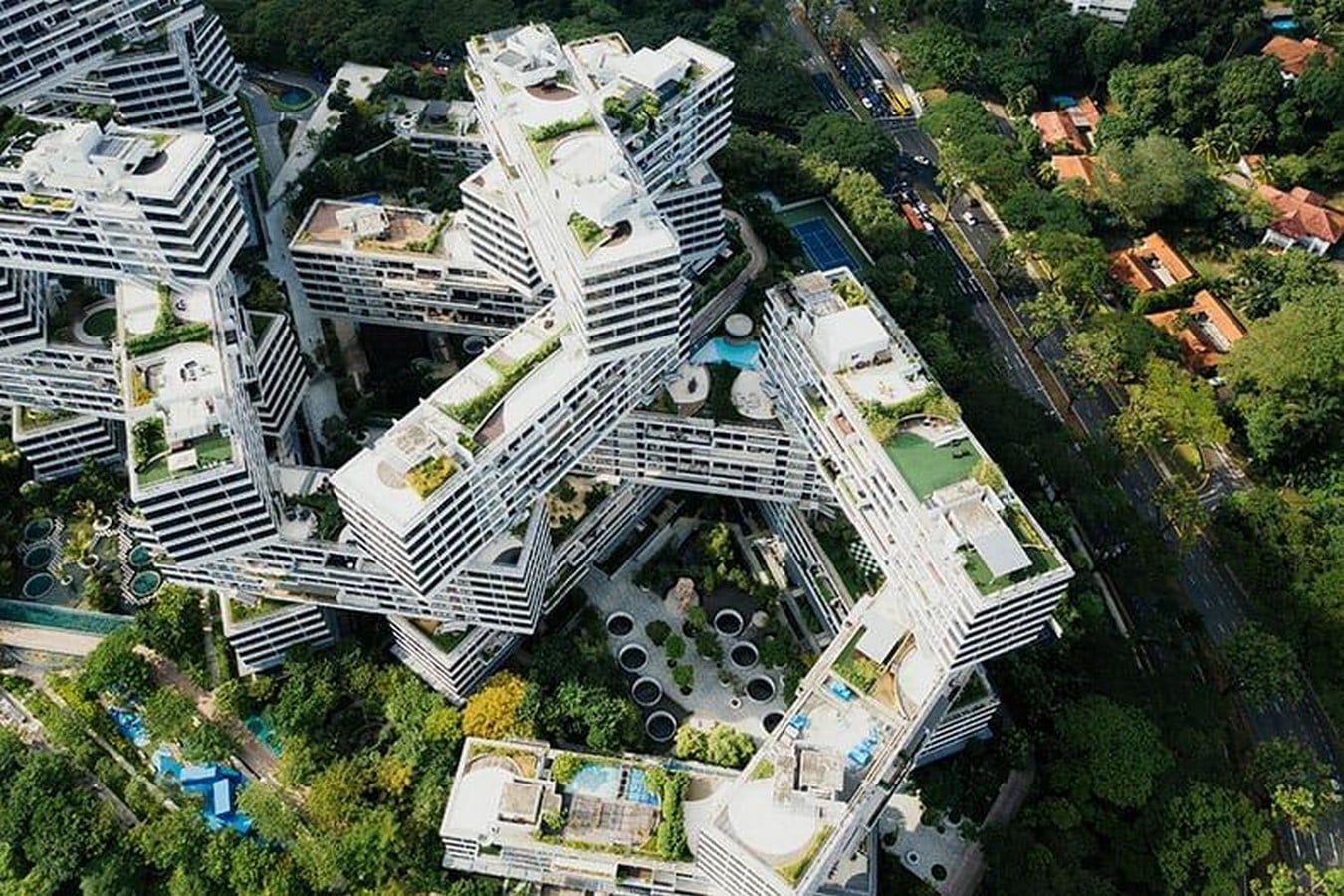
Sustainability is no longer optional—it’s a necessity. As climate change accelerates, designers must consider eco-friendly materials, renewable energy sources, and carbon-neutral solutions. The challenge is finding a balance between innovative, visually stunning designs and those that minimize environmental impact.
For example, futuristic skyscrapers are now being envisioned with vertical forests, self-sustaining ecosystems, and even carbon-absorbing materials. However, integrating these features while maintaining affordability and structural integrity is a major hurdle. Additionally, cities must become more resilient to extreme weather events, requiring architects and urban planners to develop infrastructure that can withstand hurricanes, floods, and heatwaves without compromising functionality or aesthetics.
Urbanization and Overpopulation
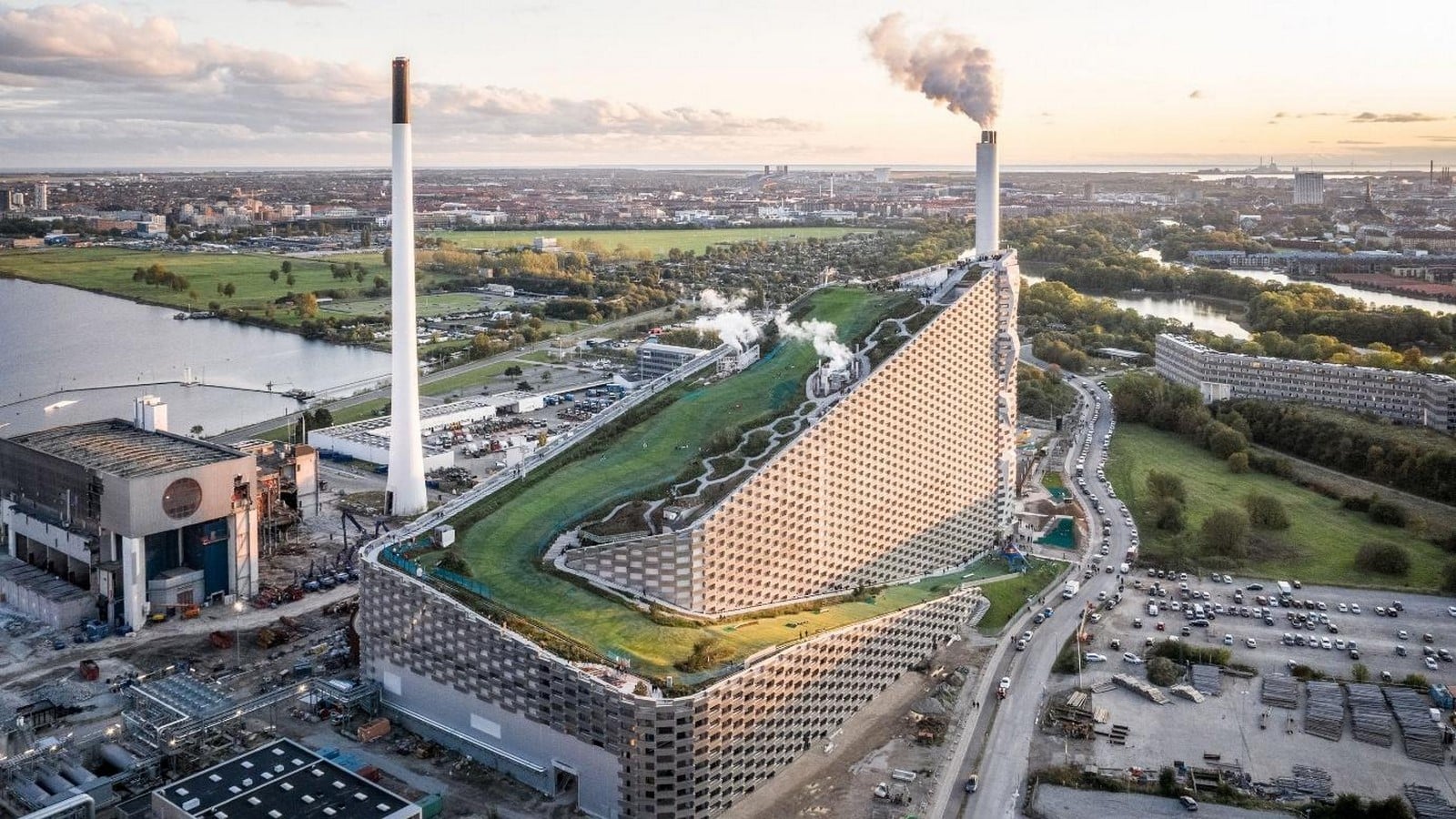
By 2050, it is estimated that 68% of the world’s population will live in urban areas. This rapid urbanization presents a huge challenge for future design. Cities need to be more efficient, sustainable, and livable.
Designers must tackle issues like space constraints, traffic congestion, and housing shortages. Solutions like modular architecture, underground cities, and floating urban hubs are being explored, but turning these concepts into reality requires overcoming logistical, political, and economic barriers. Public transportation systems must also be revamped to accommodate the increasing population while reducing carbon footprints. Smart urban planning must include green spaces, pedestrian-friendly zones, and mixed-use developments to improve the quality of life.
Cultural and Social Evolution
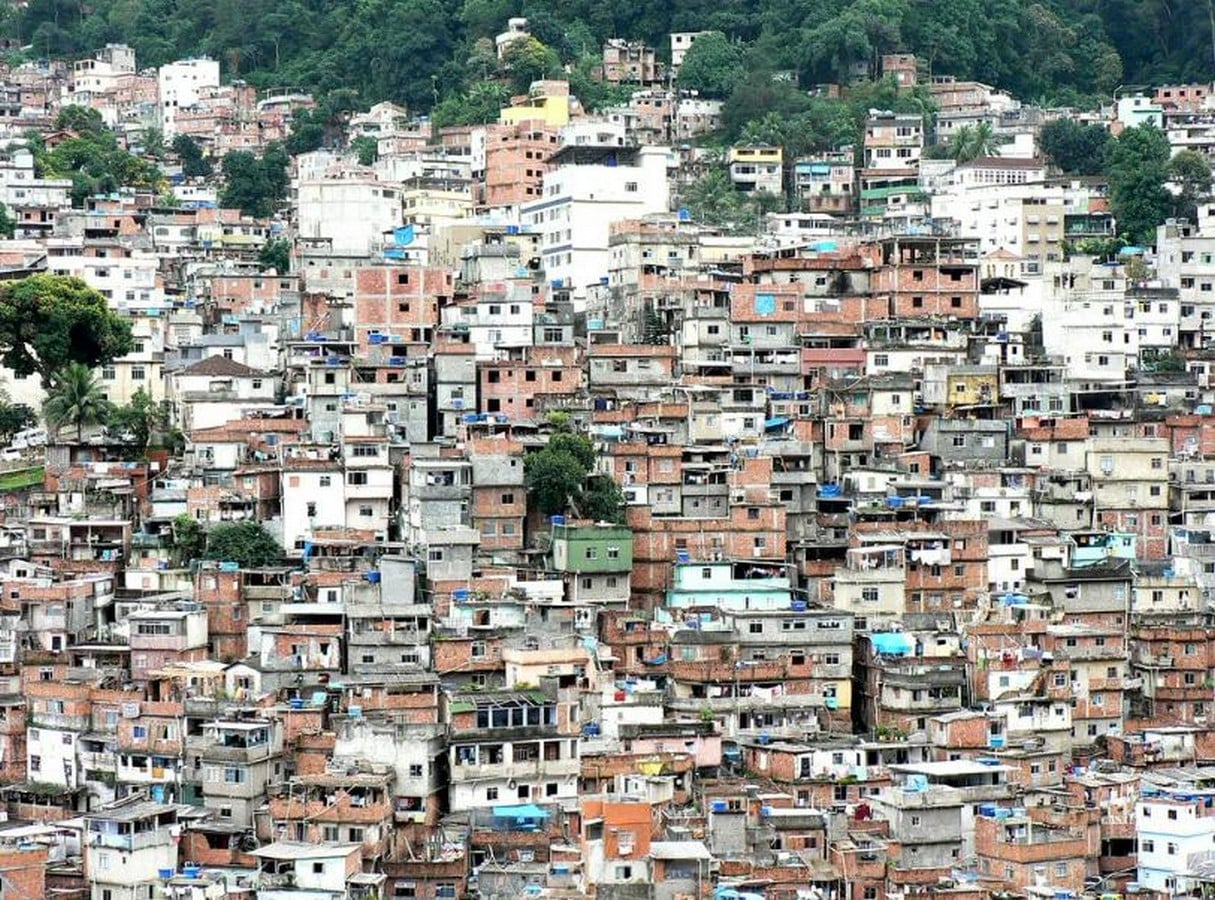
As societies evolve, so do their needs and values. A design that works today might not align with the social expectations of the future. Diversity, inclusivity, and accessibility must be at the heart of future designs.
For instance, workplaces are shifting towards remote and hybrid models, prompting designers to rethink office spaces. Similarly, public spaces must be designed to accommodate people of all abilities and backgrounds, ensuring inclusivity in a rapidly changing world. Educational institutions must also be reimagined to cater to the digital learning revolution, integrating flexible and tech-driven spaces that support interactive and immersive learning experiences.
Ethical Considerations and AI Integration
With artificial intelligence becoming a key player in design and construction, ethical concerns arise. How much control should AI have in designing the world around us? Can AI replace human creativity, or should it simply assist?
There’s also the issue of data privacy. Smart cities rely on massive amounts of data, but ensuring that personal information is protected while still allowing innovation is a major challenge. Striking the right balance between convenience and privacy will shape the future of design. Additionally, AI-driven automation in construction and manufacturing raises concerns about job displacement and the ethical responsibilities of ensuring that workers are not left behind as industries evolve.

The Cost of Innovation
New materials, futuristic construction techniques, and high-tech solutions often come with a hefty price tag. While innovation is crucial, affordability remains a barrier. If only the elite can access futuristic living spaces, are we truly designing for the future?
The challenge is to make innovative solutions scalable and cost-effective. This means finding new ways to use recycled materials, 3D printing buildings, and embracing decentralized energy solutions like solar panel-integrated structures that reduce long-term costs. Governments and private sectors must collaborate to make futuristic designs accessible to a wider population, ensuring that future cities and homes are inclusive for all economic groups.
The Psychological and Emotional Impact of Design
While functionality and sustainability are critical, the emotional and psychological impact of design cannot be ignored. The spaces we inhabit influence our mood, productivity, and overall well-being. Designers of the future must integrate biophilic elements, natural lighting, and ergonomic designs that promote mental and physical health.
Future architecture must prioritize human-centric designs that enhance daily life rather than simply serving as aesthetic statements. Creating environments that reduce stress, foster community interactions, and support cognitive well-being will be essential in the future landscape of design.
The Unknown Factor
Perhaps the biggest challenge of all is the unknown. The world is changing in ways we can’t fully predict—pandemics, economic shifts, political instability, and technological revolutions can reshape everything overnight.
Designers must think ahead but remain flexible. The key is to create adaptable, resilient spaces that can transform with changing needs. Whether it’s modular homes that can expand with a family’s needs or cities that can quickly adapt to environmental crises, flexibility will define future-proof design. Future planning must also incorporate disaster preparedness and rapid response capabilities, ensuring that communities can withstand unforeseen crises.
Conclusion: Designing for an Uncertain Tomorrow
Designing for the future is a thrilling yet daunting task. It requires a deep understanding of technology, sustainability, human behavior, and adaptability. While challenges abound, they also present opportunities for groundbreaking innovations.
The future will be shaped by those who dare to dream beyond limitations—those who see challenges not as roadblocks but as invitations to create something extraordinary. The question isn’t whether we can design a better future, but how boldly we are willing to imagine it. By embracing creativity, sustainability, and ethical responsibility, we can craft a world that is not only visionary but also livable, equitable, and truly transformative.