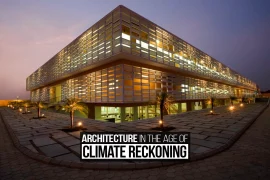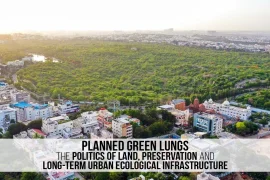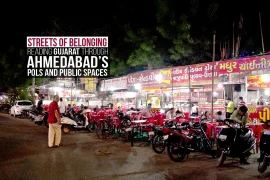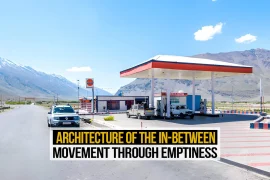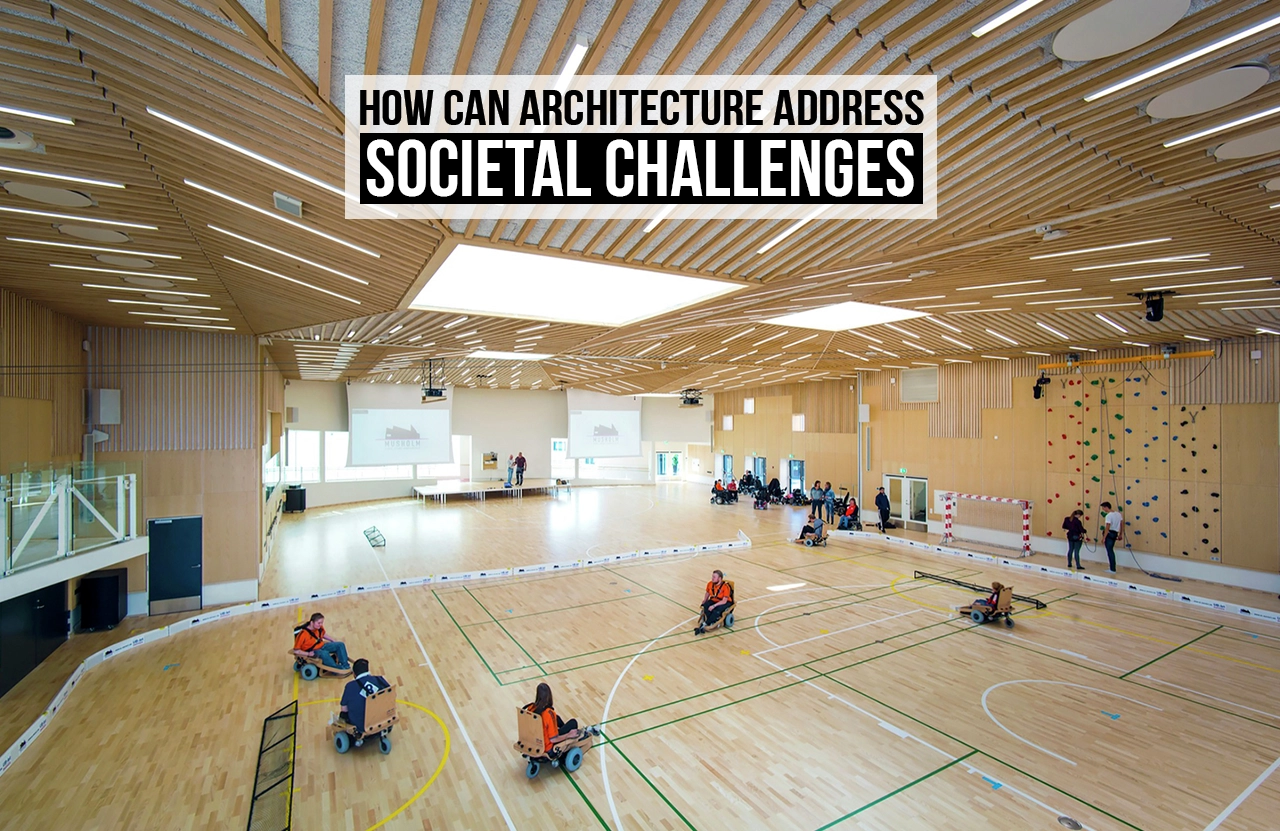
Since the advent of humanity, architecture has been intrinsically connected to how society functions. It determines the spaces where people live, work, and play, eventually impacting every individual’s quality of life. It is often easy to overlook the deep impact that built environments have on our daily lives and how good design can help address societal challenges. Mies Van Der Rohe famously claimed that he could design a home for a newlywed couple in a manner that would guarantee their divorce after a year of living in the house. From the scale of impacting what goes on in a household to how people react in public spaces of an urban fabric, all fall into the realm of architecture.
An architect’s ability to impact societal challenges can be tangible, such as providing solutions for the housing crisis, or intangible, such as designing spaces for the safety and inclusivity of the people who use them. In both cases, architecture can have far-reaching impacts on the livability of spaces.
The Global Housing Crisis
Today, 100 million people are homeless and billions live in substandard conditions. It is estimated that by 2030, 3 billion or 40% of the world’s population will need adequate housing. We are living in a society that claims shelter as one of the basic needs of mankind and yet faces a Global Housing Crisis. The demand for basic housing far exceeds its supply in most parts of the world, and as social inequalities drift people apart, there is an imperative need to provide a basic standard of living to all. While architects do not control the politics involved in providing adequate housing for all, they can greatly influence the built quality of spaces for all sections of society.
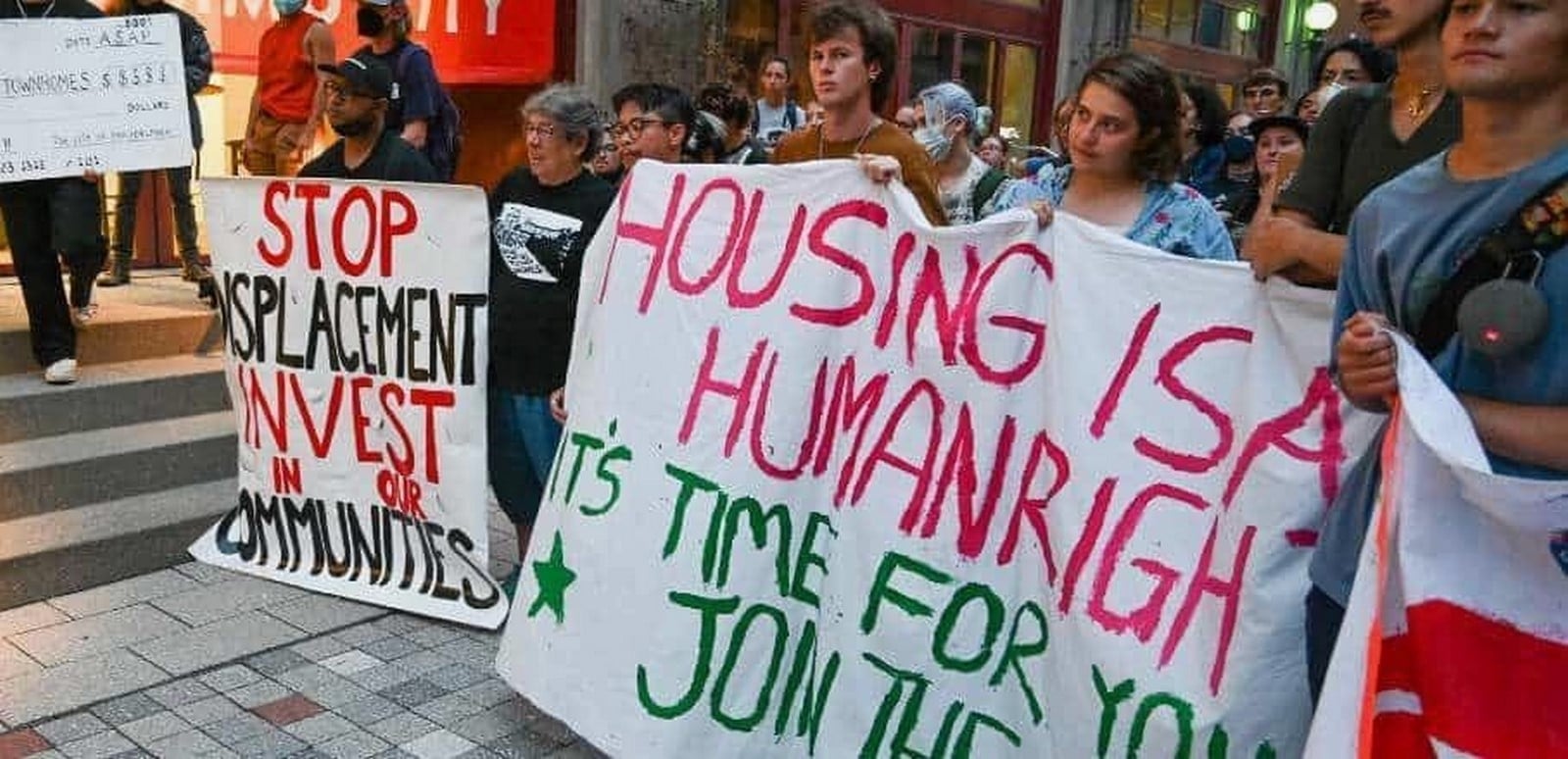
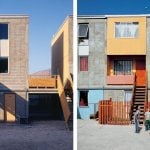
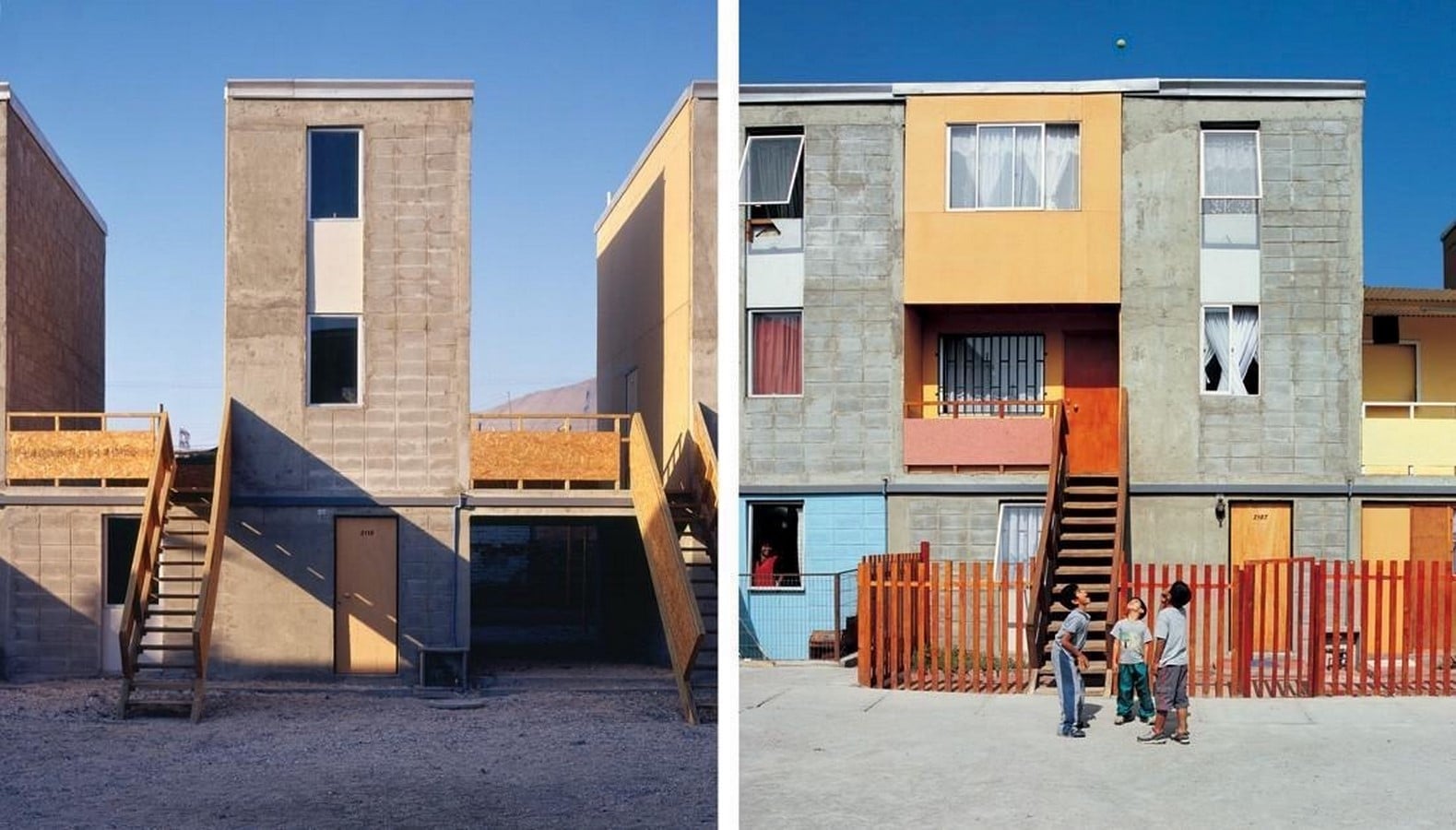
Social housing initiatives across the globe aim to provide affordable housing to the homeless and people living in informal settlements. In Chile, the settlement of 100 Quinta Monroy families, taken up by architect Alejandro Aravena’s firm ELEMENTAL, has gained worldwide recognition as a model of creating affordable housing solutions for the poor. The challenge was to improve the living conditions of residents previously living in precarious informal settlements on the same 5000 sqm. Site, since the past 30 years, without any displacement. In addition, the goal was to allow the potential for future expansion of the houses, up to twice the size of their original construction. The firm then invested its limited resources to build the ‘half a good house’ thus encouraging the residents to expand according to their needs. This ensured adequate architectural resources to alleviate their state of poverty, while also involving their skills and labour.
Design For Inclusivity
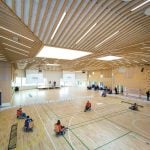
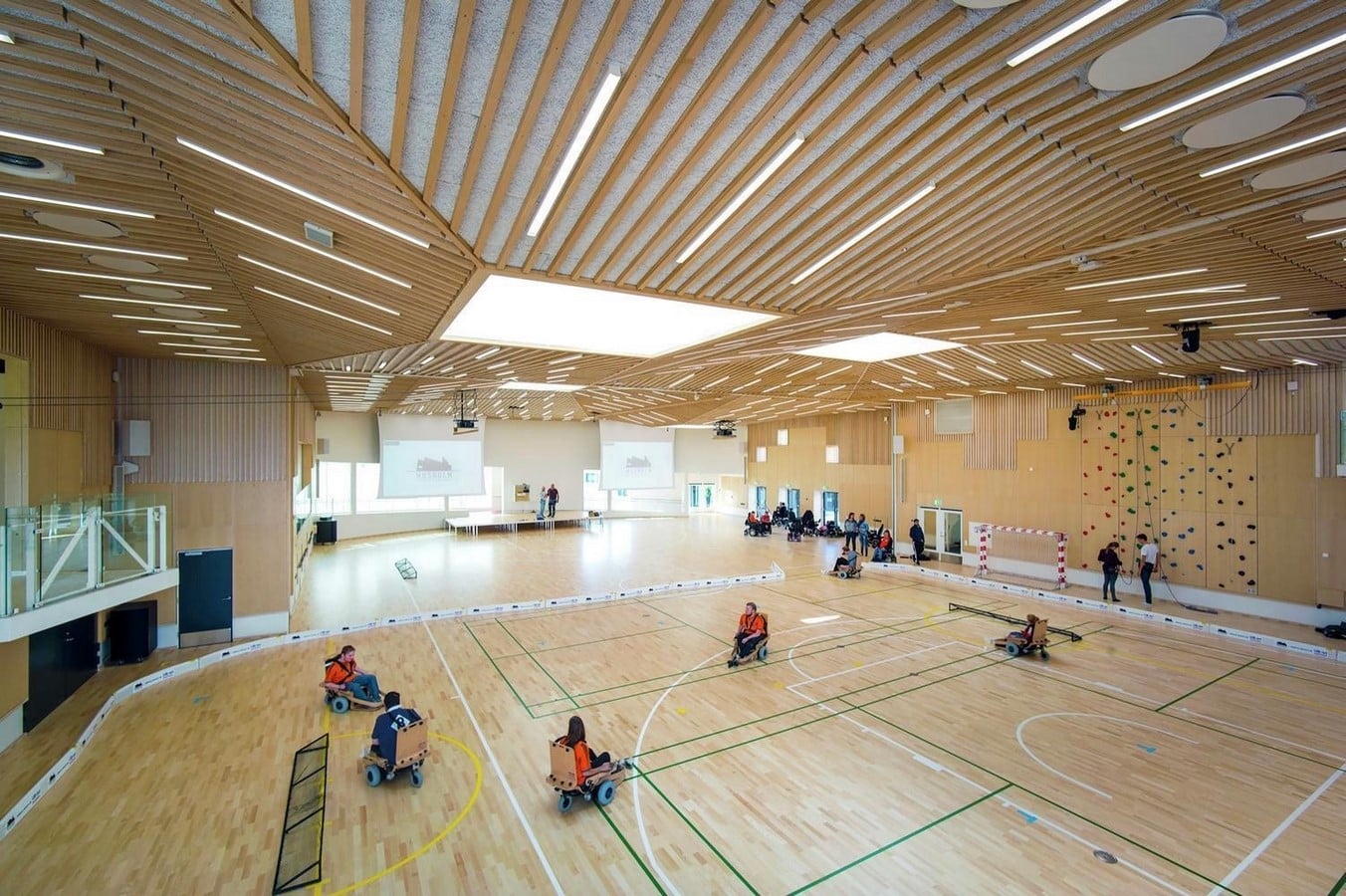
Inclusive design aims to create solutions that are suitable for all of humanity, irrespective of age, gender, race, ethnicity, or sexual orientation. While being a widespread societal challenge, inclusivity is hard to grapple with. It requires architects and designers to let go of their preconceived notions and personal experiences and think beyond ‘typical’ users. An important way to gain an inclusive perspective is through participatory design, which allows users to bring forward their own biases to the table and be directly involved in the decision-making process of design. Shedding light on the challenges faced by differently abled individuals and incorporating their needs into everyday design practices is another step. The Musholm Extension is a multi-purpose sports complex in Denmark that is known for its inclusive design. The architects collaborated with multiple organisations, including the Danish Muscular Dystrophy Foundation to set new standards for inclusive design in the complex.
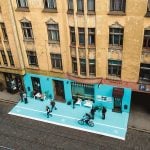
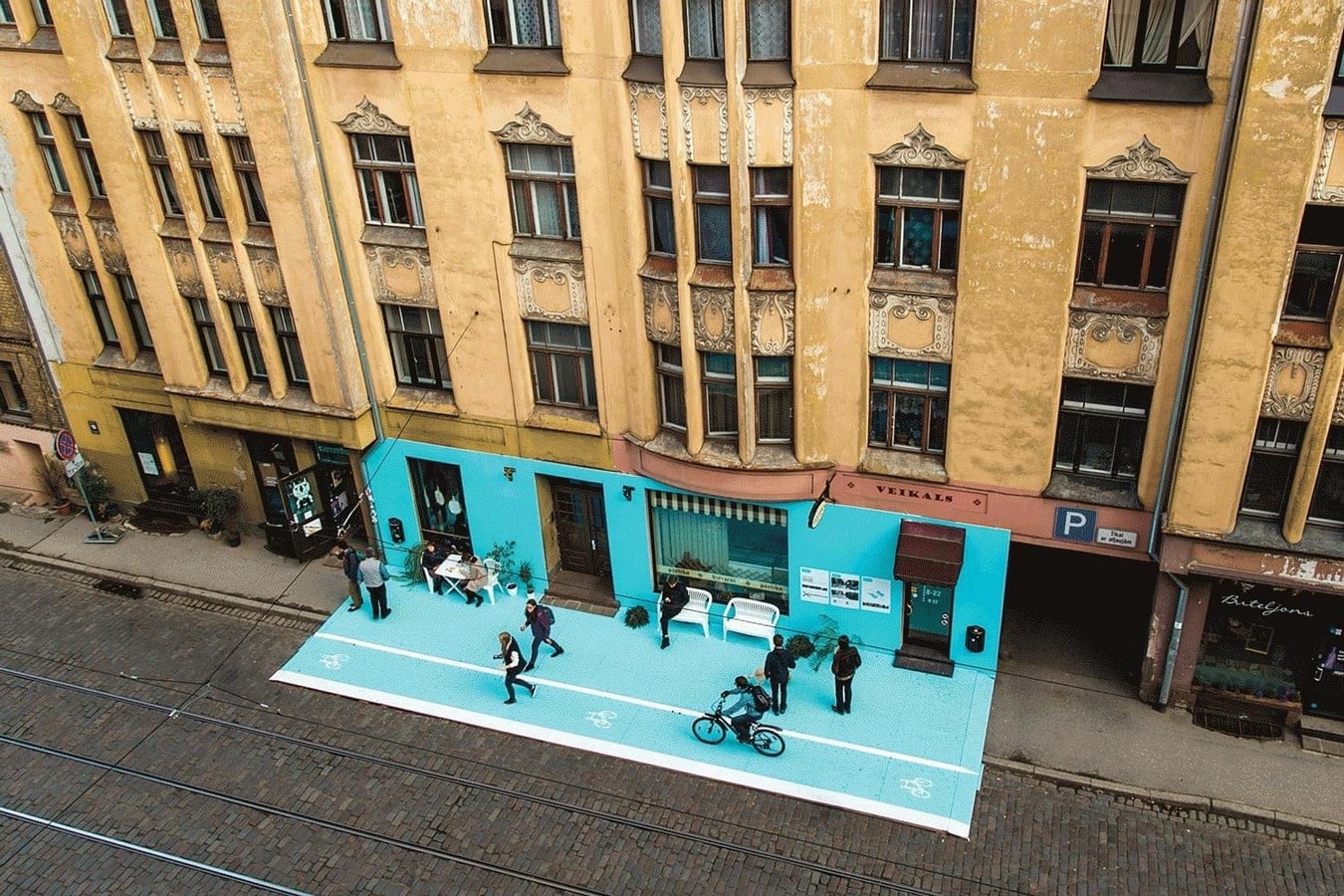
The inclusive design of public spaces is a unique challenge. It not only involves consideration of a diversity of people but also economic groups. The design of streets continues to be a tangible experience of spatial injustice that remains unsolved at local levels. A great example of involving public participation in street design was exhibited by ‘Mierīgi’, an experiment that created a life-scale model of what streets could look like with fewer privatized cars, the opportunity for cyclists, and increased public space. The people of Riga were encouraged to actively use the life scale model as part of their daily lives and realize the differences firsthand.
Public spaces also need to be made inclusive of people of all genders and sexual orientations. Amid India’s rape epidemic, it is important to design public spaces in a manner that assists a womens’ safety. A 2019 survey in Britain reveals that around 50% of people belonging to the queer community modify their appearance to avoid being targeted in public. While socially inclusive spaces are popping up in different parts of the city, it is imperative to acknowledge intersectionality to ensure that each individual exerts their right to common public spaces.
The Way Forward
Architecture is a social tool that can influence diverse aspects of human lives. The urban fabric one inhabits can determine how enjoyable a day at work is, the grades one gets in school, and even how easily one recovers from the disease. Now more than ever, the role of an architect expands beyond mere design towards actively playing a role in ensuring affordability, safety, inclusivity, and quality of built environments. An architect holds the power to shape physical entities to impact society, and hence play a role in alleviating its challenges. A realization of this role empowers one to work towards a more livable world for all those who inhabit it.
Citations for websites:
Ankitha Gattupalli (2024). Architecture as a Tool for Social Innovation: Human-Centered Design to Combat Loneliness. [online] ArchDaily. Available at: https://www.archdaily.com/1022846/architecture-as-a-tool-for-social-innovation-human-centered-design-to-combat-loneliness. [Accessed 24 June 2016].
afreen (2022). How Architecture Affects Society | Portella Steel Doors and Windows. [online] Portella. Available at: https://portella.com/how-does-architecture-impact-society/ [Accessed 24 Nov. 2024].
G20.org. (2024). Under discussion at the G20, global housing crisis calls for urgent solutions. [online] Available at: https://www.g20.org/en/news/under-discussion-at-the-g20-global-housing-crisis-calls-for-urgent-solutions.[Accessed 24 Nov. 2024]
Frew, S. (2022). What Role Do Architects Play in the Global Housing Crisis? [online] Journal. Available at: https://architizer.com/blog/inspiration/industry/architects-affordable-homes-housing-crisis/.[Accessed 24 Nov. 2024]
Nextcity.org. (2023). Why Architects Need To Help Solve the Housing Crisis. [online] Available at: https://nextcity.org/urbanist-news/why-architects-need-to-help-solve-the-housing-crisis [Accessed 24 Nov. 2024].
Khatri, A. (2022). Housing Crisis: Can we learn from our past? [online] RTF | Rethinking The Future. Available at: https://www.re-thinkingthefuture.com/architectural-community/a8149-housing-crisis-can-we-learn-from-our-past/#google_vignette [Accessed 24 Nov. 2024].
ArchDaily (2008). Quinta Monroy / ELEMENTAL. [online] ArchDaily. Available at: https://www.archdaily.com/10775/quinta-monroy-elemental. [Accessed 25 Nov. 2024]
Rowan Moore (2018). Alejandro Aravena: the shape of things to come. [online] the Guardian. Available at: https://www.theguardian.com/artanddesign/2016/apr/10/architect-alejandro-aravena-pritzker-prize-elemental-housing-iquique-constitucion-tsunami-defences. [Accessed 25 Nov. 2024]
ArchDaily. (2015). Musholm extension / AART Architects. [online] Available at: https://www.archdaily.com/776148/musholm-extension-aart-architects. [Accessed 25 Nov. 2024]
www.publicspace.org. (n.d.). Works – PublicSpace. [online] Available at: https://www.publicspace.org/works/-/project/j235-mierigi. [Accessed 25 Nov. 2024]
Arup.com. (2024). Queering Public Space. [online] Available at: https://www.arup.com/insights/queering-public-space/?utm_medium=website&utm_source=archdaily.com [Accessed 26 Nov. 2024].
Citations for YouTube videos:
TEDx Talks (2024).Why I’m an architect that designs for social impact, not buildings | Liz Ogbu | TEDxMidAtlantic. [online] Available at: https://youtu.be/x0MnGZ1gB4k?si=M7-Ahl1xyn4aDZiJ [Accessed 20 Nov. 2024].
Design Indaba (2016). Alfredo Brillembourg: Architecture as a response to social issues. [online] YouTube. Available at: https://youtu.be/KQvGpcXspfY?si=xQp68uFgQ8p8ykGf [Accessed 24 Nov. 2024].
TEDx Talks (2023). The Power of Architecture | Bill Chomik | TEDxCalgary. [online] YouTube. Available at: https://youtu.be/sgv0UFlb1Nw?si=lcgOoE5fkIvviYf0 [Accessed 24 Nov. 2024].
TEDx Talks (2015). Architect’s hands: how can we design better streets | Evelina Ozola | TEDxRiga. [online] YouTube. Available at: https://youtu.be/8iQnrM3DkVI?si=tB9mD4AOIRKmdNZl [Accessed 24 Nov. 2024].