Urban life is enabled through the experience of the public space of a city – from the bus stops used by millions of people on the daily, to the parks…
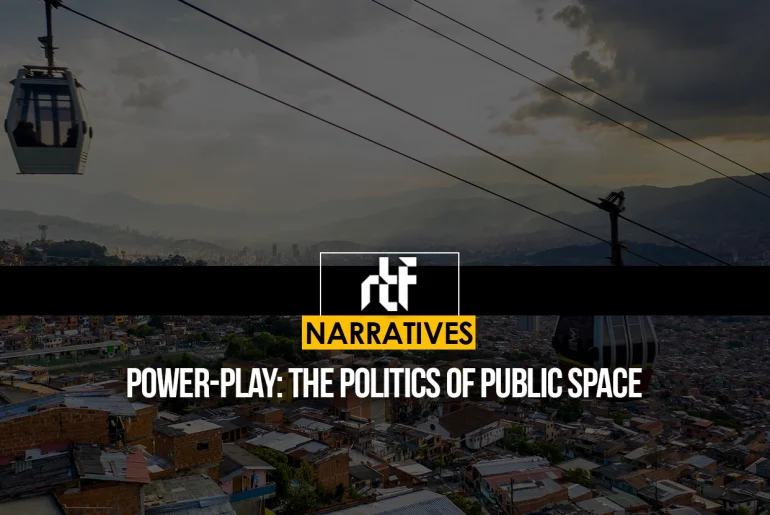


Urban life is enabled through the experience of the public space of a city – from the bus stops used by millions of people on the daily, to the parks…
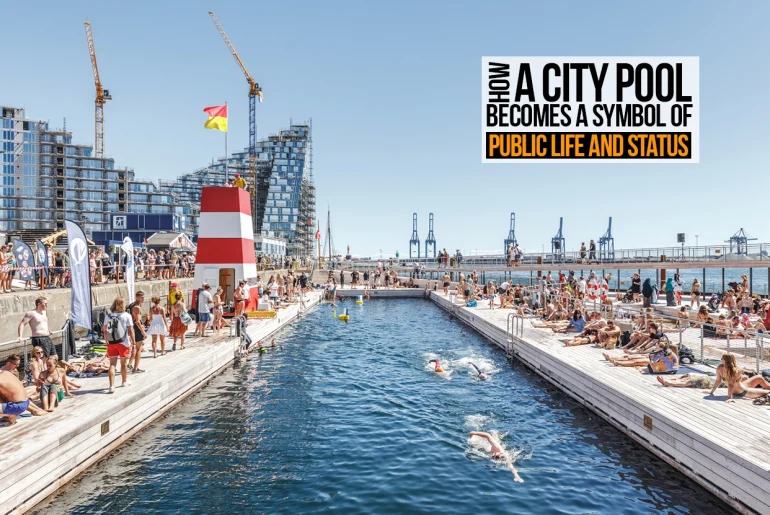
I picked up this book, My Friends by Fredrick Backman and it immediately drew my attention – not the story but the cover. Something about quiet belonging made me pause…
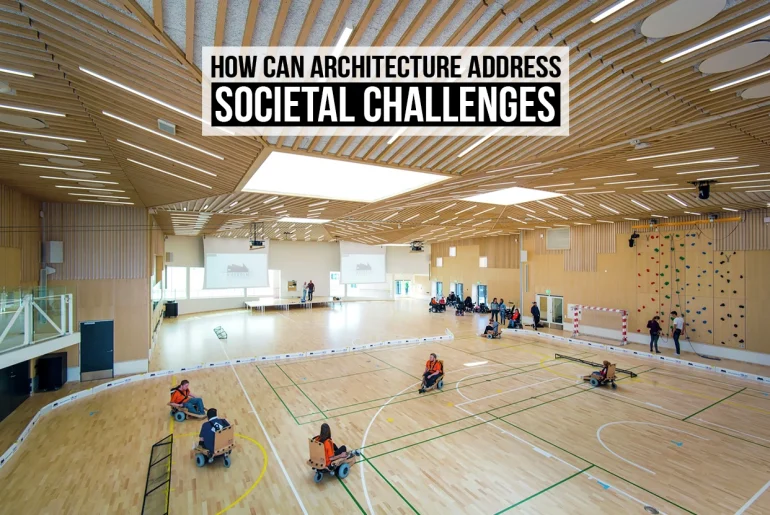
Since the advent of humanity, architecture has been intrinsically connected to how society functions. It determines the spaces where people live, work, and play, eventually impacting every individual’s quality of…
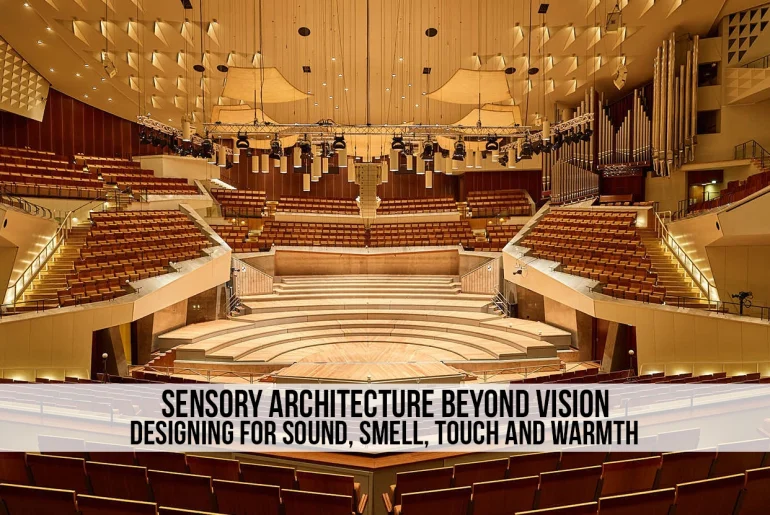
For much of the twentieth century, architectural photography did most of the profession’s talking, and buildings were designed, judged and remembered almost entirely through the eye. Sensory architecture challenges that…
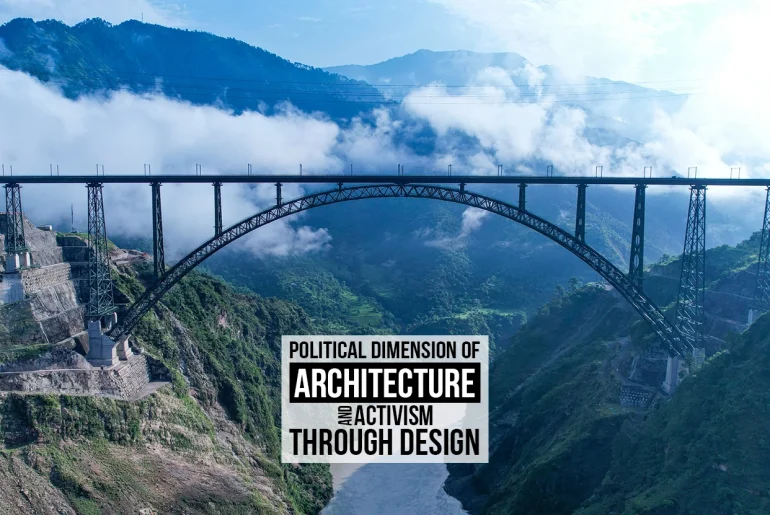
Architecture extends beyond the art of designing, it is of great significance because it reveals how spaces, buildings and urban plans influence, and reflects social relations and ideologies. India’s architectural…
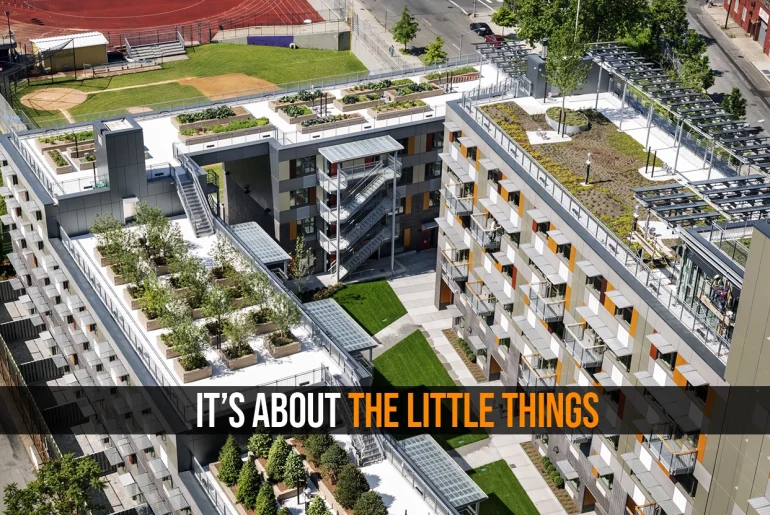
Social housing is about more than the shelter itself. It’s about the little things. A place to drink coffee and watch nature. A place to sit down and read a…
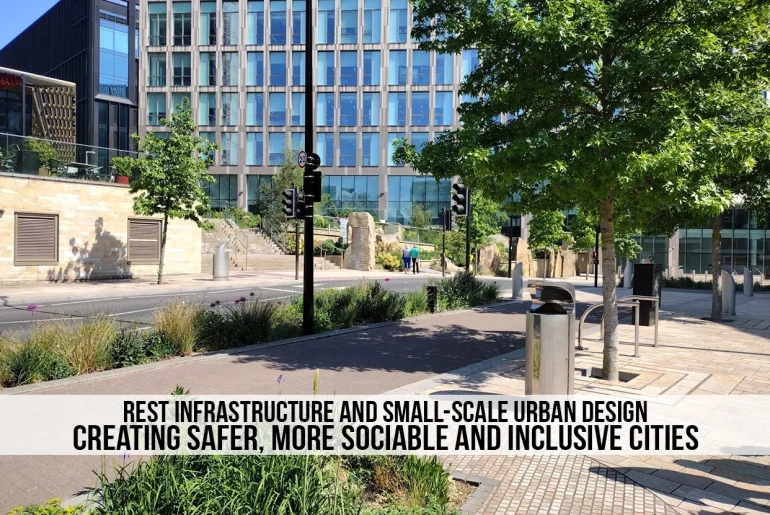
Rest infrastructure and small-scale urban design describe dedicated spaces within the built environment for rest, recovery and play. Examples include public seating such as benches and parklets, and recreational green…
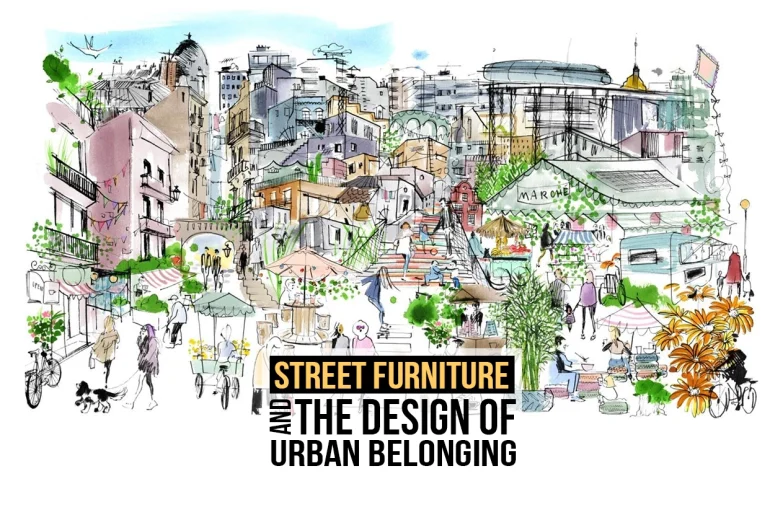
How do you feel when you move through your city? Are you comfortable in the spaces around you? Do you and the people around you have the freedom to sit,…
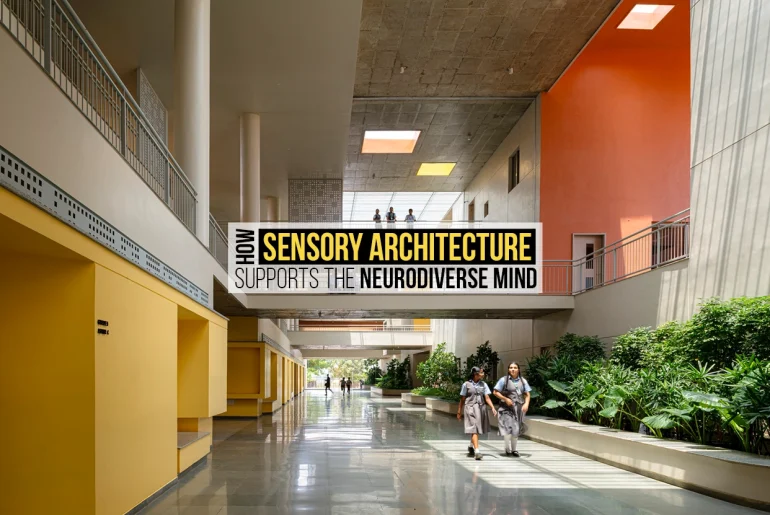
Buildings have always shaped behaviour. Now designers are asking a more precise question: what happens inside a brain when it enocunters a room? Walk into the wrong room and your…
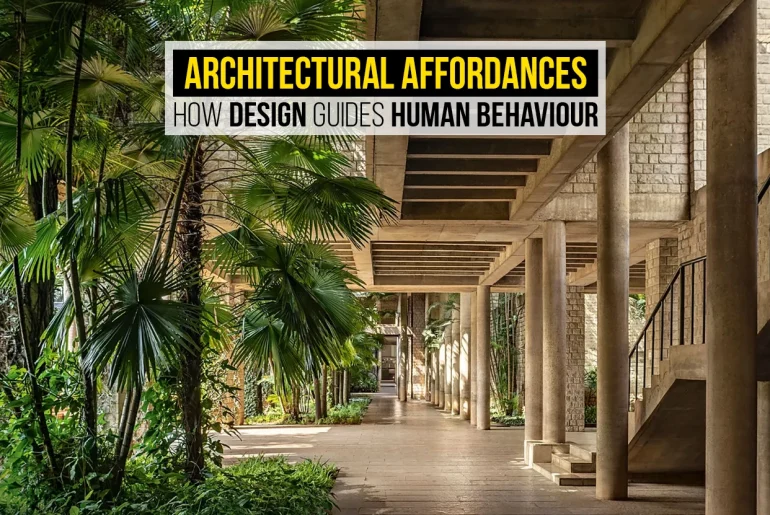
Words and images from books, letters, and movies have the ability to evoke emotions and feelings in us; this is the main reason for the continued presence of these art…
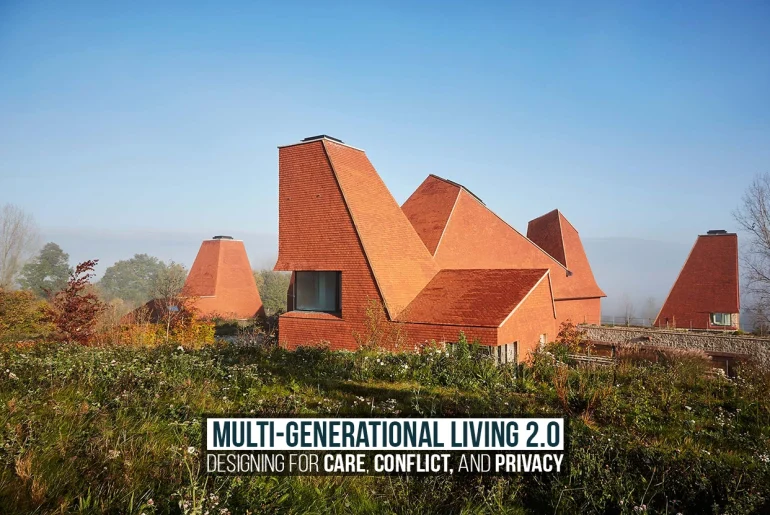
The three necessities of living are food, clothing and shelter. While those are the basic physical needs for survival, mental needs- those that drive human beings to live socially and…
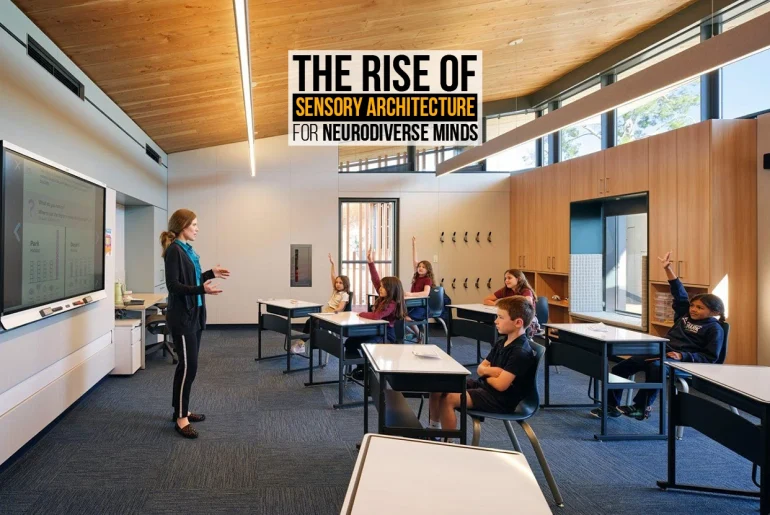
Neurodivergence is a term that is often misunderstood. To be neurodivergent, or to experience neurodiversity, means having neurological conditions that differ from the societal standard of normality (Mitchel Wall). Currently,…