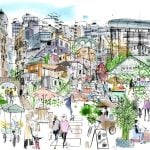
How do you feel when you move through your city?
Are you comfortable in the spaces around you?
Do you and the people around you have the freedom to sit, rest, gather, and move without hesitation?
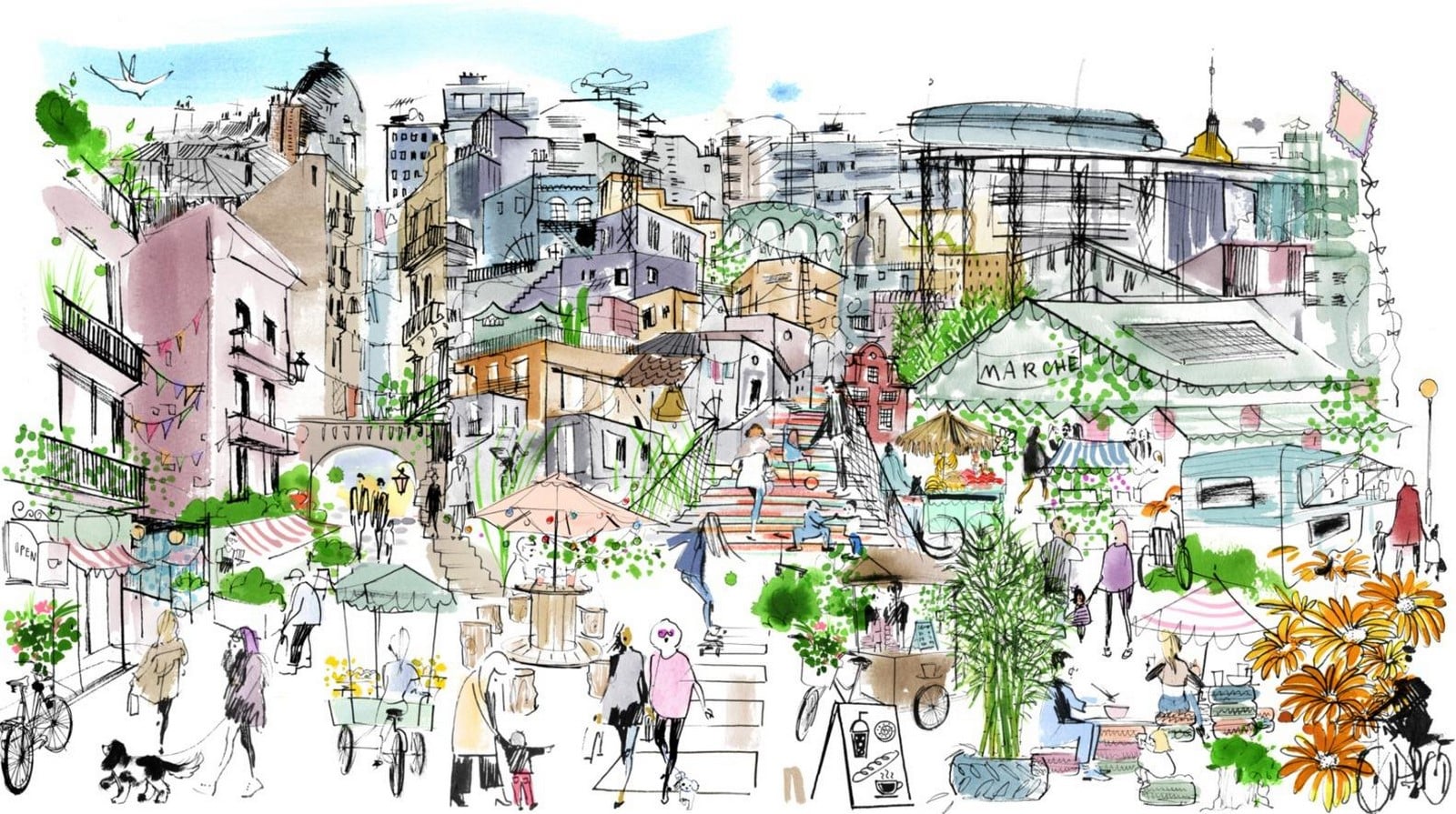
If the answer to these questions is yes, then you are likely experiencing an example of inclusive design. Inclusive design creates environments that are accessible and welcoming to people from all walks of life. It recognises diversity in both background and ability as the norm and thereby promotes equity by generating strategies that respond to the wide spectrum of people’s needs in urban space. A sense of belonging is often the outcome of these inclusive strategies. However, negative responses to these questions may reflect an experience shaped by defensive design. Unlike inclusive design, defensive design implements strategies intended to moderate certain behaviours, activities, people, and sometimes even animals from occupying urban spaces.
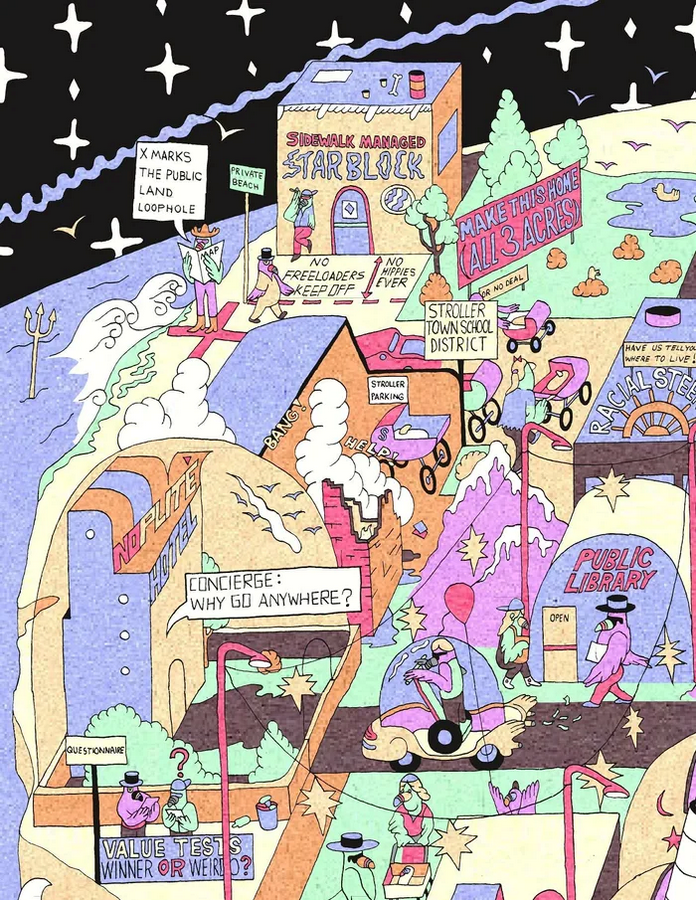
Street furniture becomes instrumental in shaping experiences of inclusion and exclusion. Everyday urban elements such as benches, bollards, railings, and barriers can either encourage public participation or discourage the presence of particular groups of users.
Defensive Design Becomes Hostile
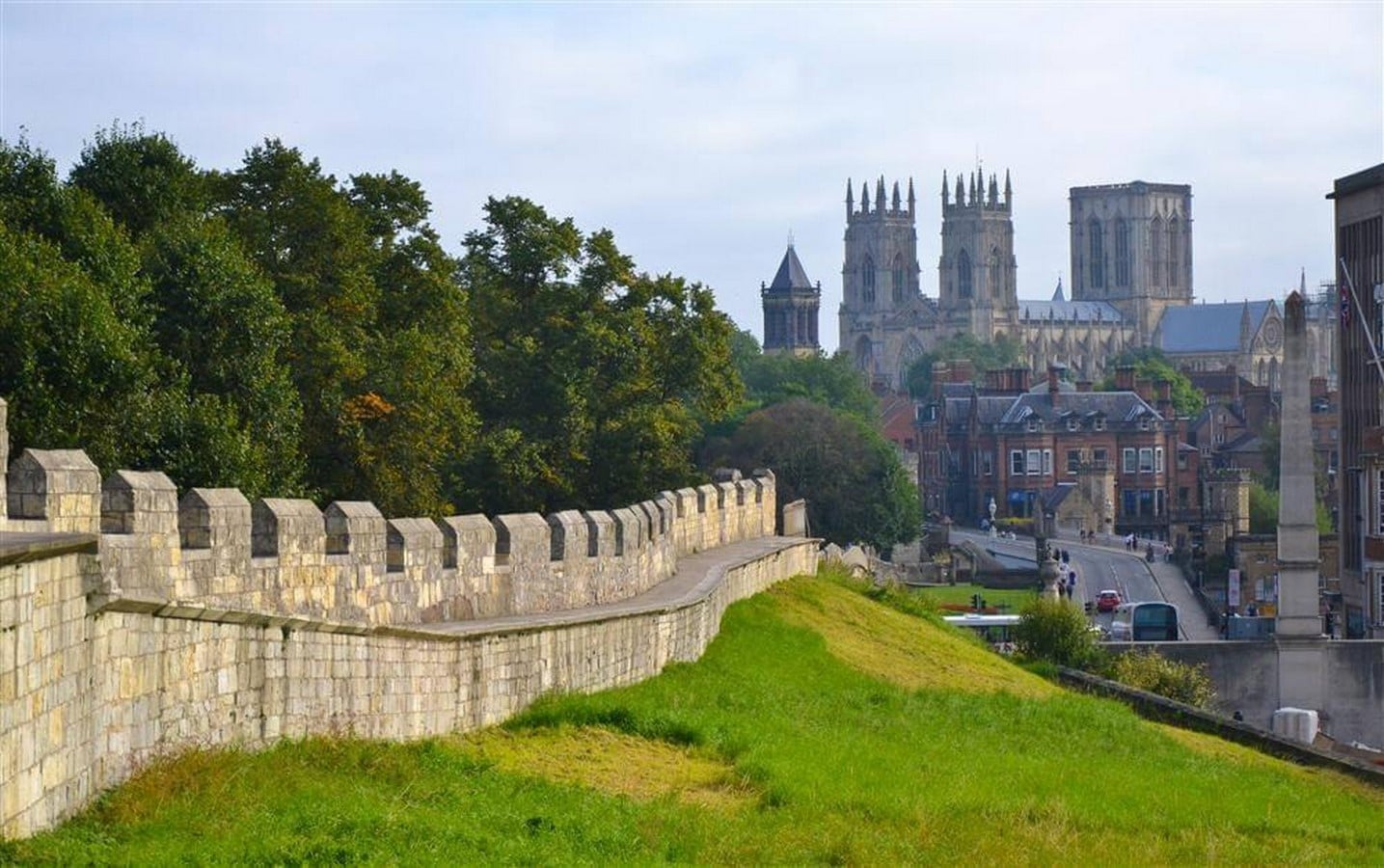
Defensive design aims to limit the misuse of urban spaces through strategies that regulate behaviour and control access. These interventions may be subtle, where urban elements continue to serve their intended purpose while preventing users from becoming too comfortable, they may be more direct in prohibiting certain actions altogether, or they may be entirely absent. Defensive design strategies have long existed as a means of conforming to the image of an acceptable urban environment. These strategies qualify who has access to public space, who belongs within it, and who is permitted to enjoy what it affords. Historically, city walls functioned as defensive structures that controlled entry into cities and reinforced social boundaries. Today, defensive design has become far more ubiquitous and embedded within everyday urban infrastructure.
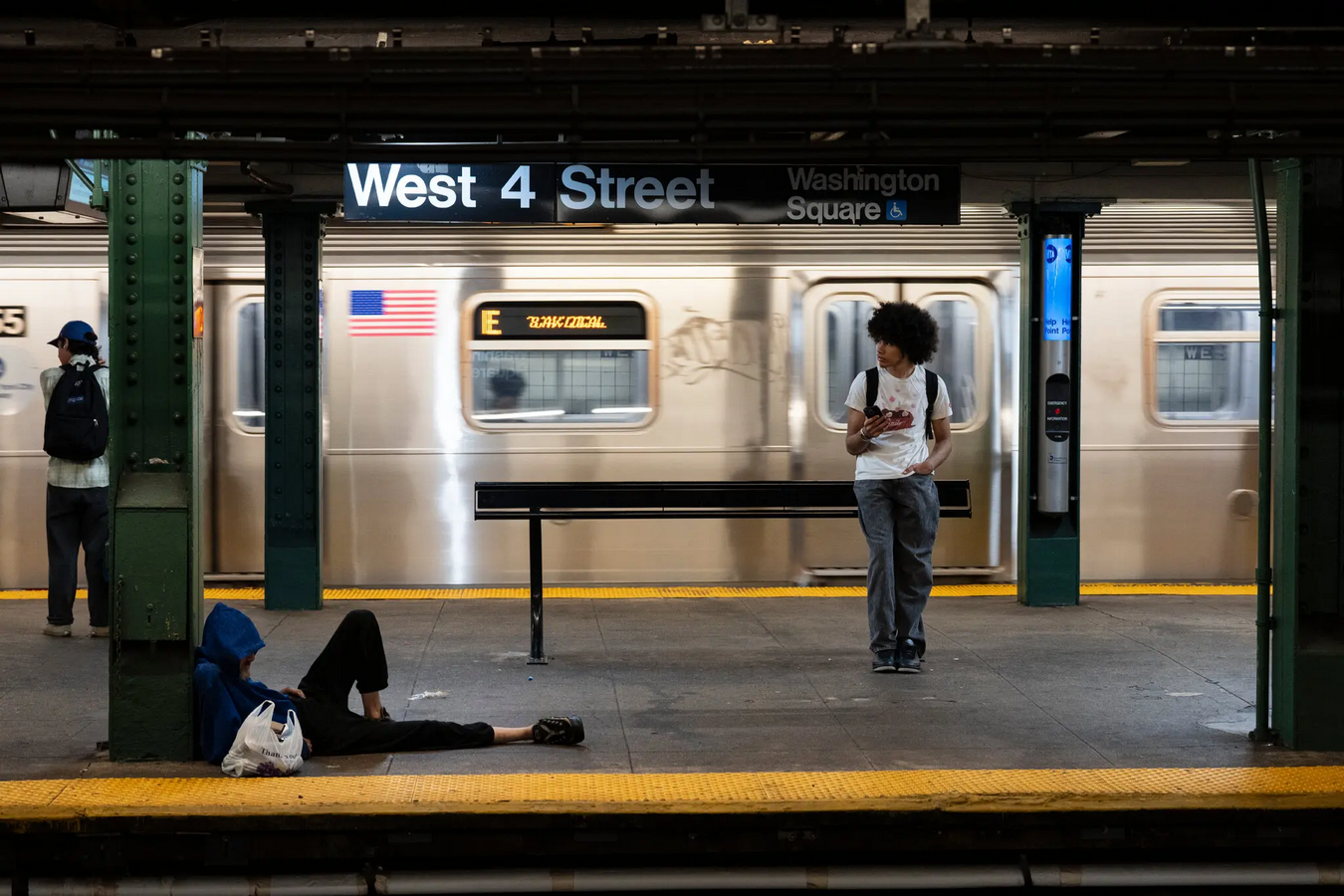
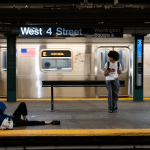
Bright streetlights encourage nightlife, support economic development, and improve perceptions of safety, yet they also discourage unhoused individuals from sleeping in public spaces. Public seating is often intentionally uncomfortable, featuring central armrests, sloped surfaces, short backrests, or being replaced entirely by leaning bars to prevent people from lying down. “No Loitering” signs, bollards, and timed sprinklers are frequently used guerilla tactics to discourage gathering or prolonged occupation of space near businesses and public green areas. Anti-skate studs and metal spikes installed on ledges further restrict skateboarding and rough sleeping. Elimination is a defensive strategy where benches and shaded structures such as gazebos are removed from parks and streets to limit lingering and social congregation. Even animals are subjected to defensive design through bird spikes installed on street structures and signage such as “Curb Your Dog,” which regulates animal behaviour in urban environments.

The list of defensive design strategies within urban spaces continues extensively, and the examples simply capture the essence of defensive design. While such interventions regulate user behaviour, reduce certain forms of crime, and contribute to the image of a “clean” and orderly city, they disproportionately target economically underprivileged and marginalised groups. Defensive design often removes unhoused individuals from visible public areas, yet it does little to address the root causes of homelessness and social inequality. Instead, these strategies merely displace vulnerable populations from one location to another.
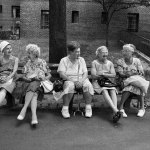
It is at this point that defensive design begins to transition into hostile design. By restricting comfort, rest, and occupation within public space, these interventions aggravate existing social issues and create additional barriers for differently abled users. Elderly individuals, disabled users, and others who rely on accessible seating and public gathering spaces are negatively impacted. As street furniture is removed or redesigned, cities lose opportunities for social interaction, inclusivity, and collective urban belonging. Hostile design often prioritises surveillance, regulation, and control over care and accessibility, reflecting forms of neoliberal urban governance that seek to maintain orderly and commercially attractive city spaces. Such forms of control gradually discourage prolonged engagement with public space, driving people indoors and contributing to increasingly empty and less interactive streets, while simultaneously perpetuating existing social issues.
Towards Urban Belonging
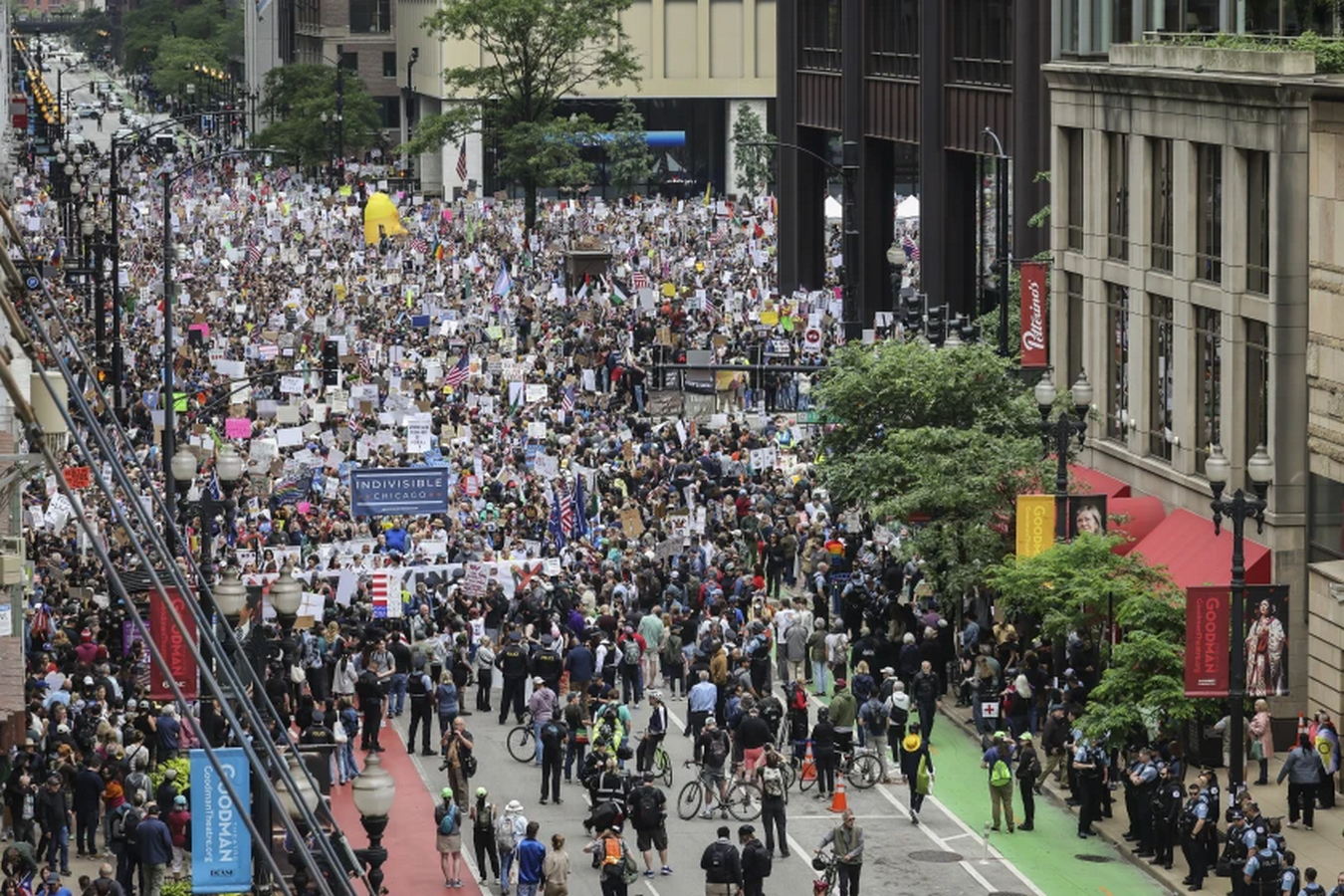
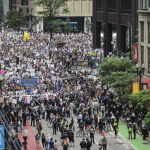
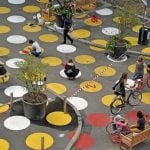
Why do public urban spaces exist? Although they often function as transitional environments that allow movement from one destination to another, public spaces also operate as environments where urban life unfolds at a larger scale. They provide opportunities for rest, gathering, social exchange, and access to fresh air within urban settings. From casual everyday encounters and Sunday picnics in parks to protests, festivals, and community events, public spaces accommodate a wide range of social and cultural activities that contribute to urban experience. In many ways, public spaces function as the living rooms of cities, shared spaces intended to be accessed by all citizens, where the traditions and cultures of urban communities take place.
While defensive design deliberately designs out certain user groups, conventional urban design strategies may also unintentionally exclude vulnerable populations through a lack of accessibility and consideration. Perhaps, inclusive design emerges as a crucial strategy for creating more democratic and equitable urban environments. The success of inclusive urban design lies in its ability to address all groups within society, particularly those who are most vulnerable or marginalised.
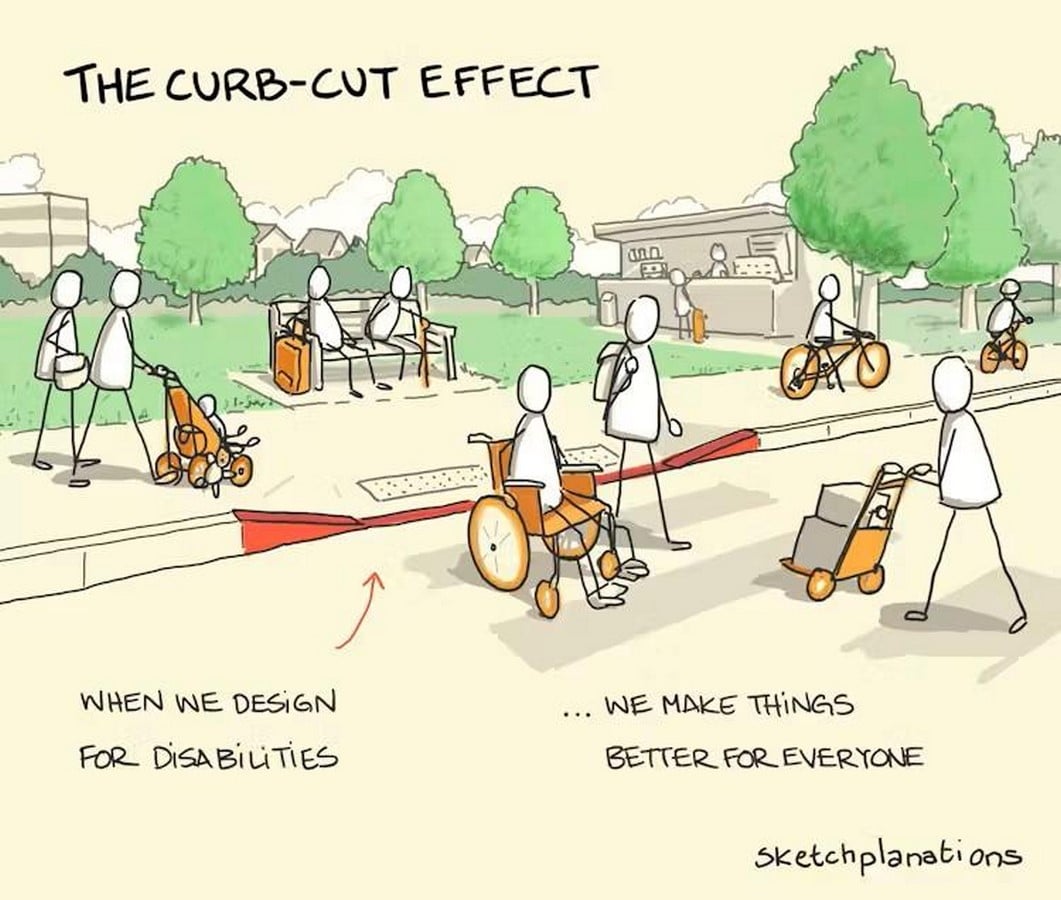
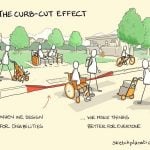
Street furniture and urban elements can act as tools for inclusion when augmented through thoughtful design strategies. Curb cuts on sidewalks have significantly improved mobility for wheelchair users, while also benefiting parents with strollers, delivery workers, and travellers with luggage. Tactile paving on sidewalks and subway platforms improves navigation and safety for visually impaired users, while audio crossing signals further support accessibility within urban movement systems. Public benches are not merely functional objects; they are spaces for rest, observation, and social interaction without requiring financial participation. Accessible public restrooms similarly support individuals with medical conditions requiring frequent restroom access, women, elderly populations, and caregivers with children. Proposals such as London’s “Made for Me” hubs further imagine cities equipped with wheelchair and sensory-aid rental stations, quiet rooms for neurodivergent users, accessible toilets, and secure public lockers that improve urban accessibility and comfort. Similarly, signs such as “Autistic Child in Area” encourage greater public awareness and allow individuals to moderate their behaviour in ways that include neurodivergent users within shared urban environments.
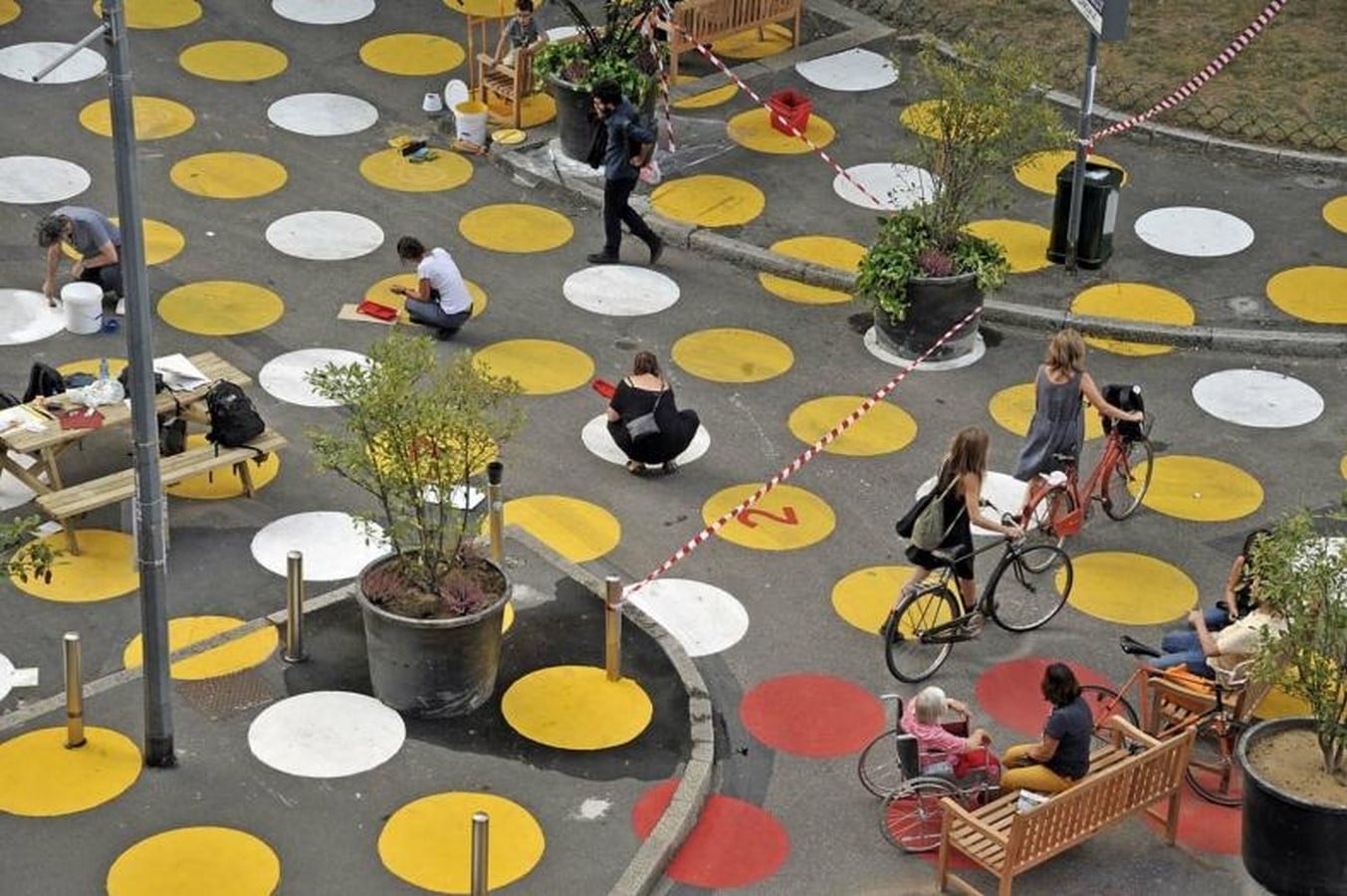
Such interventions reduce the need for vulnerable users to constantly overthink and preplan their movements through the city. Inclusive design allows individuals to participate in public life with greater spontaneity, dignity, and independence, enabling them to engage with urban environments as comfortably as any other user. While many of these interventions require governmental planning and investment, tactical urbanism also allows citizens and local businesses to contribute towards more welcoming public environments. Street vendors, shop owners, and community-facing businesses often create informal spaces for inclusion through outdoor seating, publicly accessible amenities, and socially inviting environments. Beyond improving accessibility, these interventions may also contribute to local economic activity by encouraging longer occupation and participation within urban spaces.
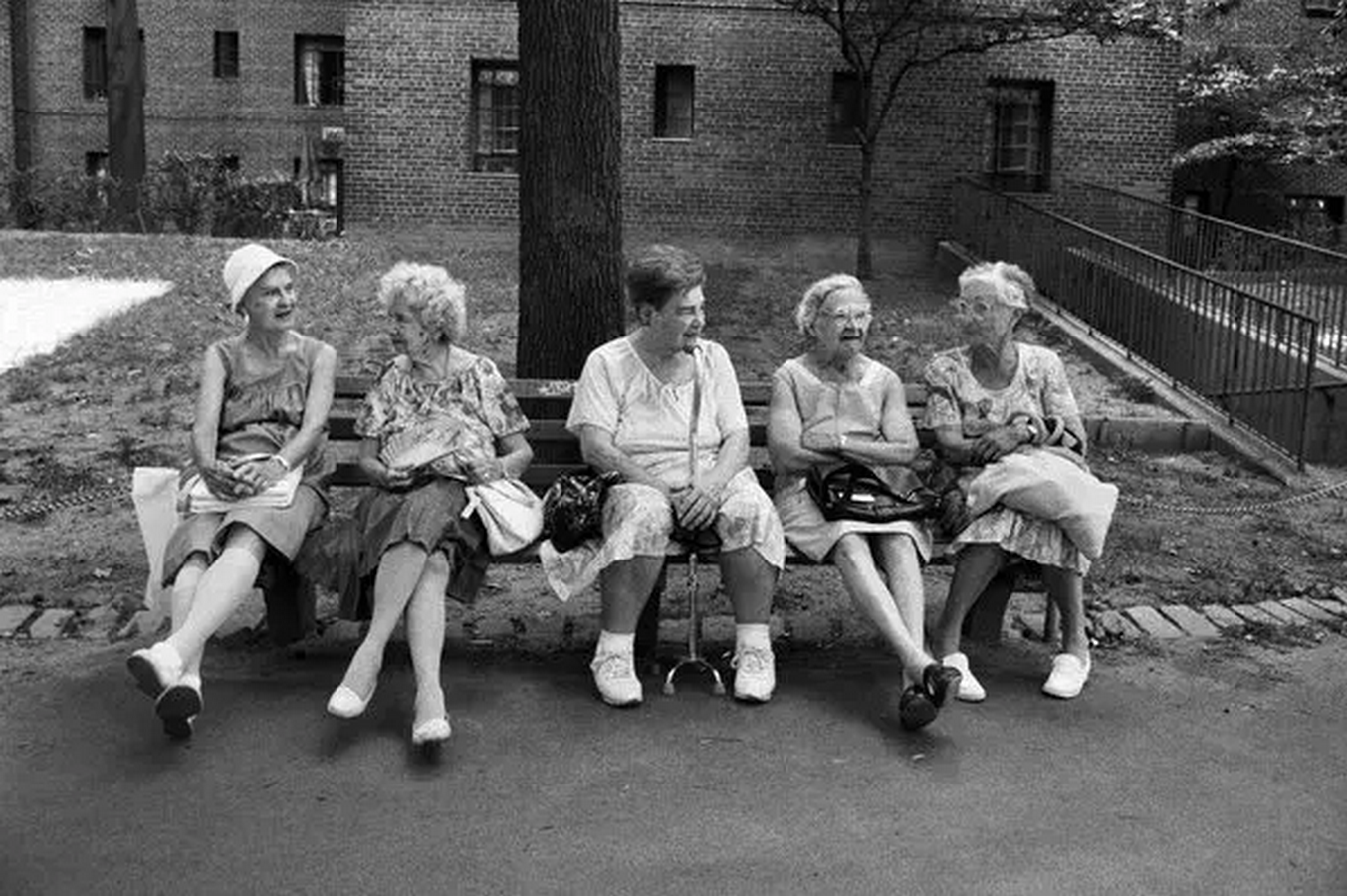
Behavioural moderation can be achieved through a variety of design strategies, but equity is ultimately a choice that cities make. Defensive design often takes a shortcut to addressing issues such as homelessness, social inequality, and marginalisation, producing only superficial solutions while leaving their root causes unresolved. These challenges require systemic responses through social support, education, and community investment. While such approaches may demand greater time and resources, they offer more meaningful and lasting outcomes. Inclusive design complements these efforts by creating environments that foster belonging, safety, and participation in public life. The experience of public space reflects a city’s values, revealing whether it chooses exclusion and control or care and collective responsibility.
References:
- Neighborhood Design Center 2023, ‘Understanding hostile architecture: The cause and effect of restricting public space’, Neighborhood Design Center, 2 October, viewed 10 June 2026, https://ndc-md.org/news-and-stories/understanding-hostile-architecture-the-cause-and-effect-of-restricting/.
- Armborst, T., D’Oca, D. & Theodore, G. 2017, The Arsenal of Exclusion & Inclusion, Actar Publishers, New York.
- Vox 2017, Why cities are full of uncomfortable benches [YouTube video], YouTube, https://www.youtube.com/.
- Kive, S. n.d., Designing Out: A Framework for Studying Hostile Design, University of Oregon.
- Urban Nous 2025, Urban Design for All: Creating Inclusive Public Spaces [YouTube video], YouTube, October, https://www.youtube.com/.
- High Resolution 2017, #13: Microsoft Design Director, Kat Holmes, on the importance of designing for “one-size-fits-one” [YouTube video], YouTube, May, https://www.youtube.com/.