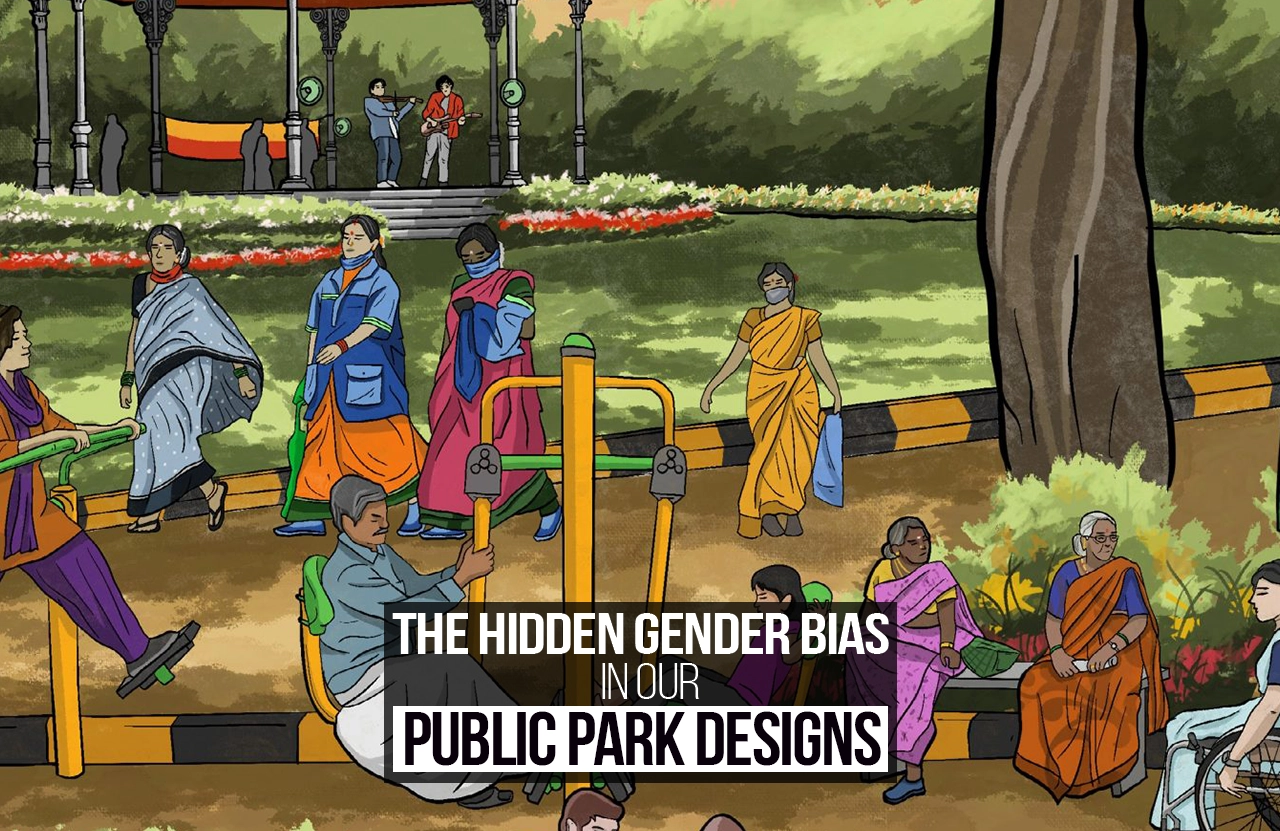
Gender bias has been an enduring issue in social, economic, domestic, and physical contexts. This bias can also be observed in public spaces. The term “public park” itself implies that it is open to all people, but in reality, it is not always designed for everyone, especially women and girls. Men and women perceive and use public spaces differently, and women’s requirements are often neglected. Poor safety, design, and planning have created gender bias in such spaces where women do not feel safe or a sense of belonging. As designers and planners, this should be kept in mind, and public parks should be made for all groups of people.
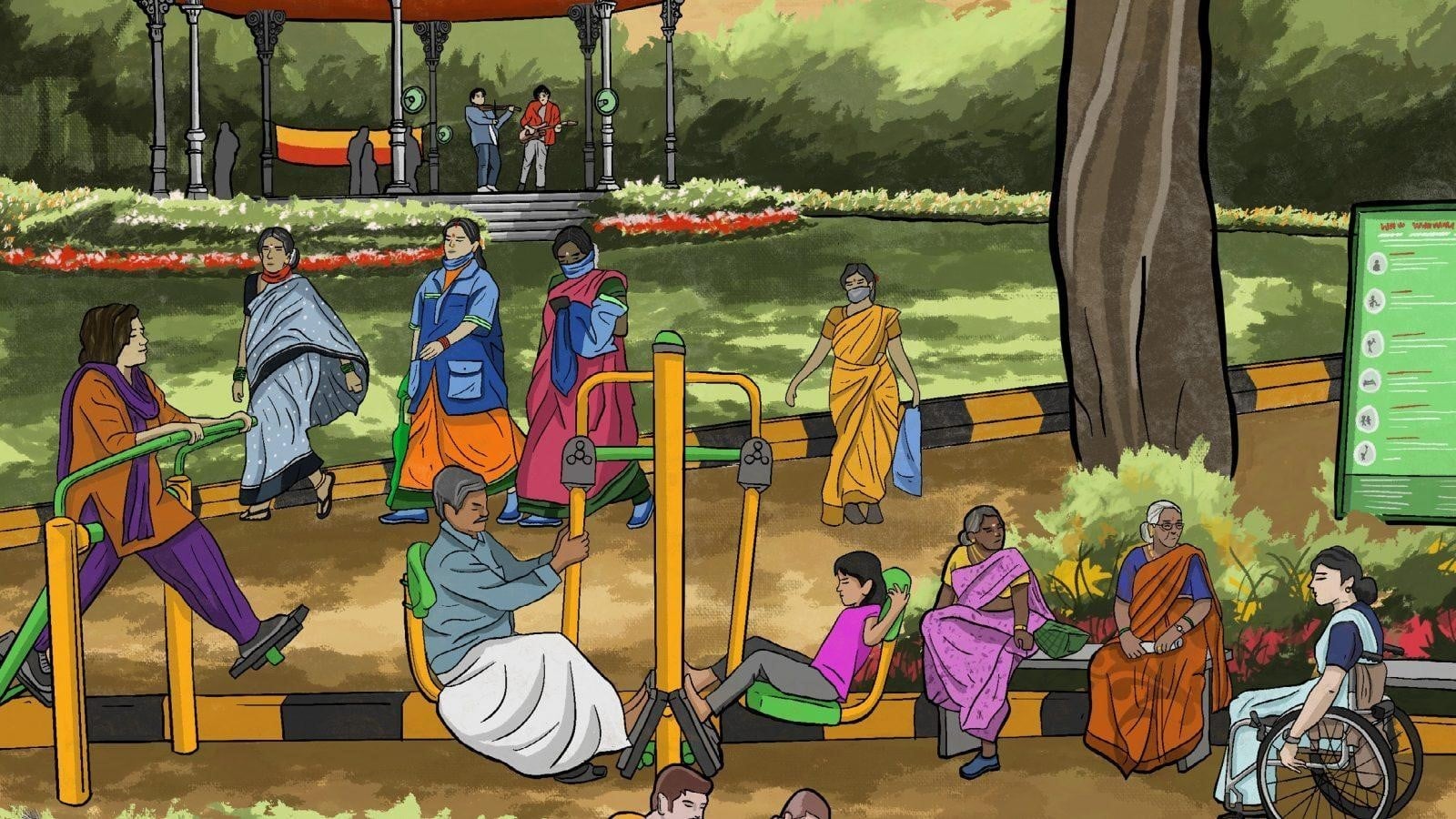
Globally, many cases of sexual harassment, gender-based violence, and other types of violence have limited women’s freedom to go to public areas. Safety measures are essential to ensure that public areas like parks are easily accessible and welcoming for females, allowing them to relax and enjoy without any fear. However, many public parks still lack gender-sensitive safety considerations, discouraging women from visiting them. Some of these issues include:
- Inadequate lighting that creates fear and discomfort for women during the evening hours.
- The lack of CCTV cameras and security surveillance increases risks for females.
- Many public parks have low visibility, due to corners, hidden spaces, and dense bushes, which may create unsafe conditions for them.
- Poor maintenance and cleanliness of parks often make parks dirty and neglected, which in turn makes them unsafe and unwelcoming for girls.
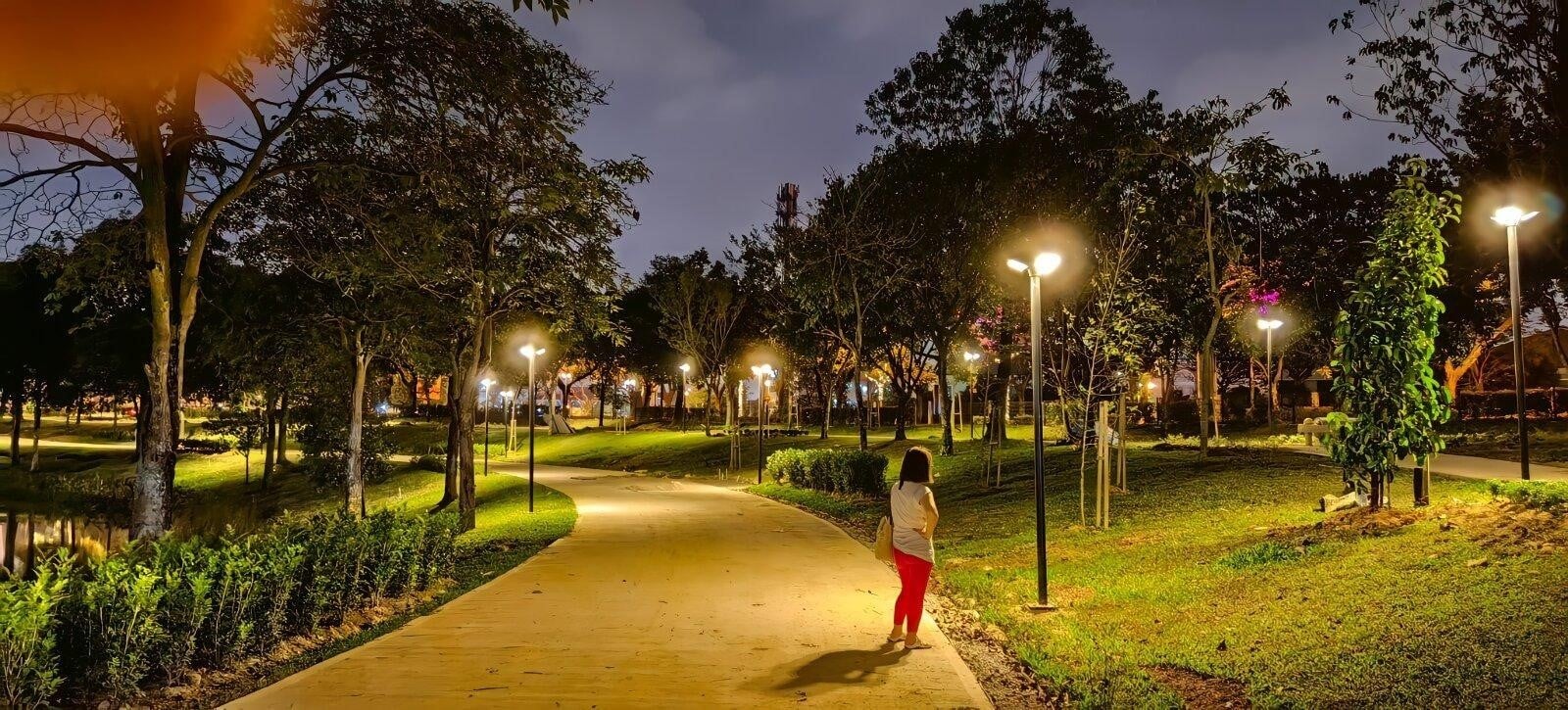
This issue is further reinforced by park designs that mainly focus on incorporating football grounds, cricket fields, and other sports facilities that are traditionally dominated by men. These designs often give less priority to inclusive spaces such as public seating areas, vendor zones, and small markets that can be comfortably used by women.
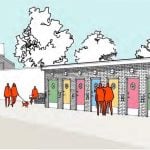
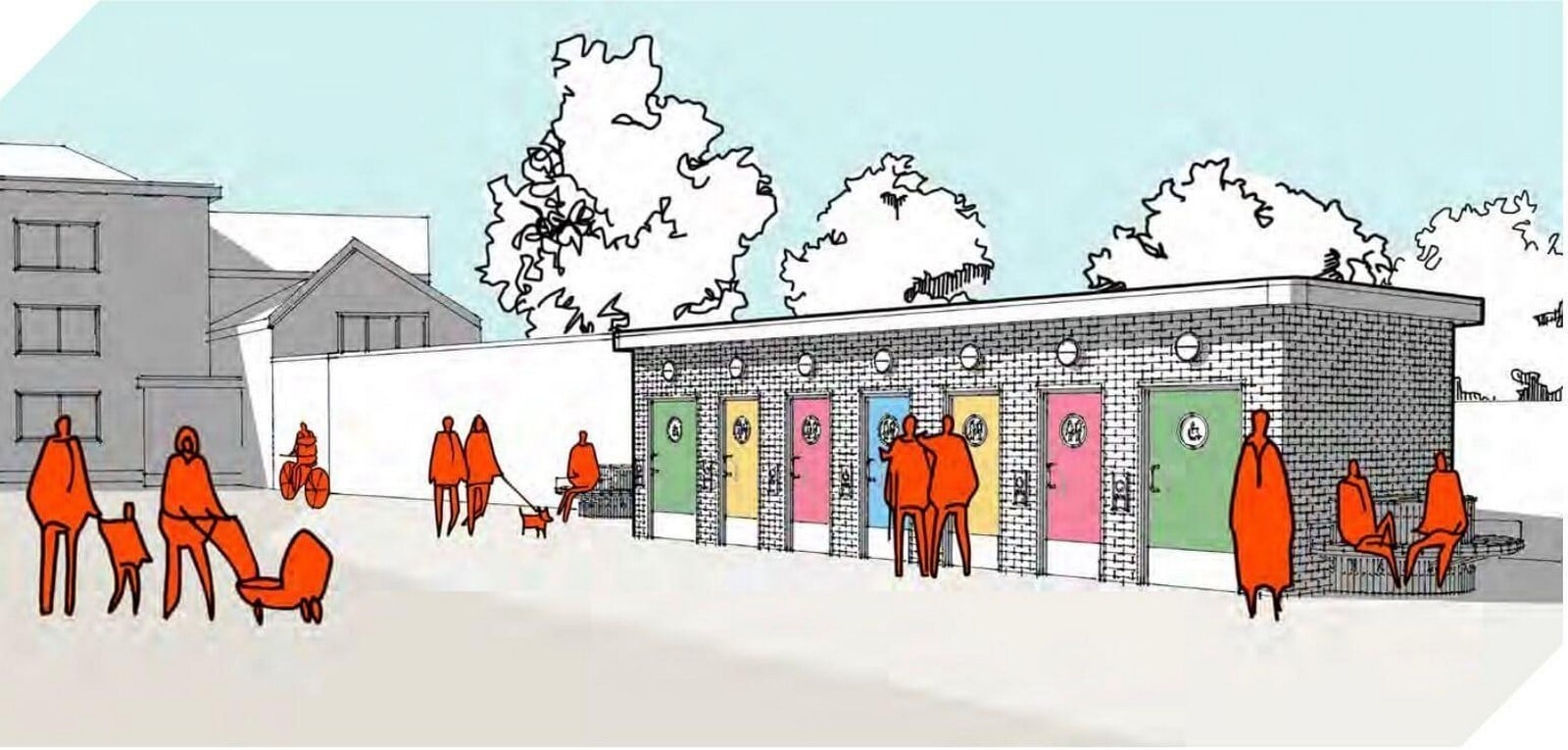
Furthermore, while public parks focus more on green landscapes and play areas, several sensitive facilities for women, such as breastfeeding areas, hygienic public toilets, and changing rooms, are neglected while designing parks. These issues limit women’s participation in public spaces, especially for young girls and mothers.
Comparing Public Parks Through a Gender Lens
To better understand how public parks can either exclude or support women, two contrasting examples of Islamabad and Vienna can be compared.
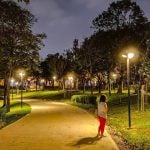
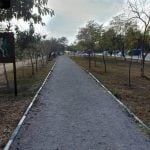
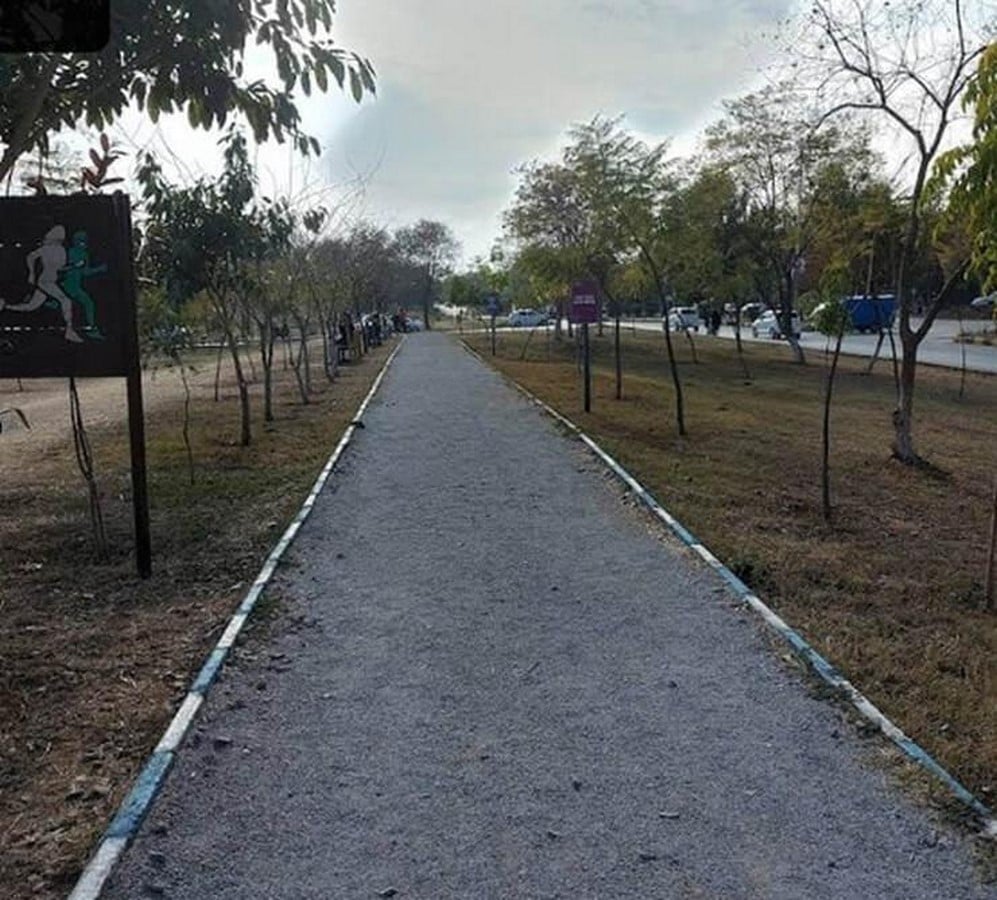
Islamabad boasts an abundance of parks and natural areas. During the day, families and individuals utilize these parks, showcasing their potential as inclusive public spaces. However, these spaces remain gender biased and unsafe for female users, especially at night. Due to this, there have been many cases of women being assaulted and mugged in parks. The major causes for such incidents are:
- Many parks lack proper lighting, especially along jogging tracks, entrances, and inner paths, which are the basic features that significantly affect women’s comfort and safety after sunset.
- The parks lack basic security infrastructure, leaving them poorly maintained and unsafe.
- The park features dense vegetation that blocks the internal sightlines, creating dark park pockets.
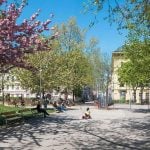
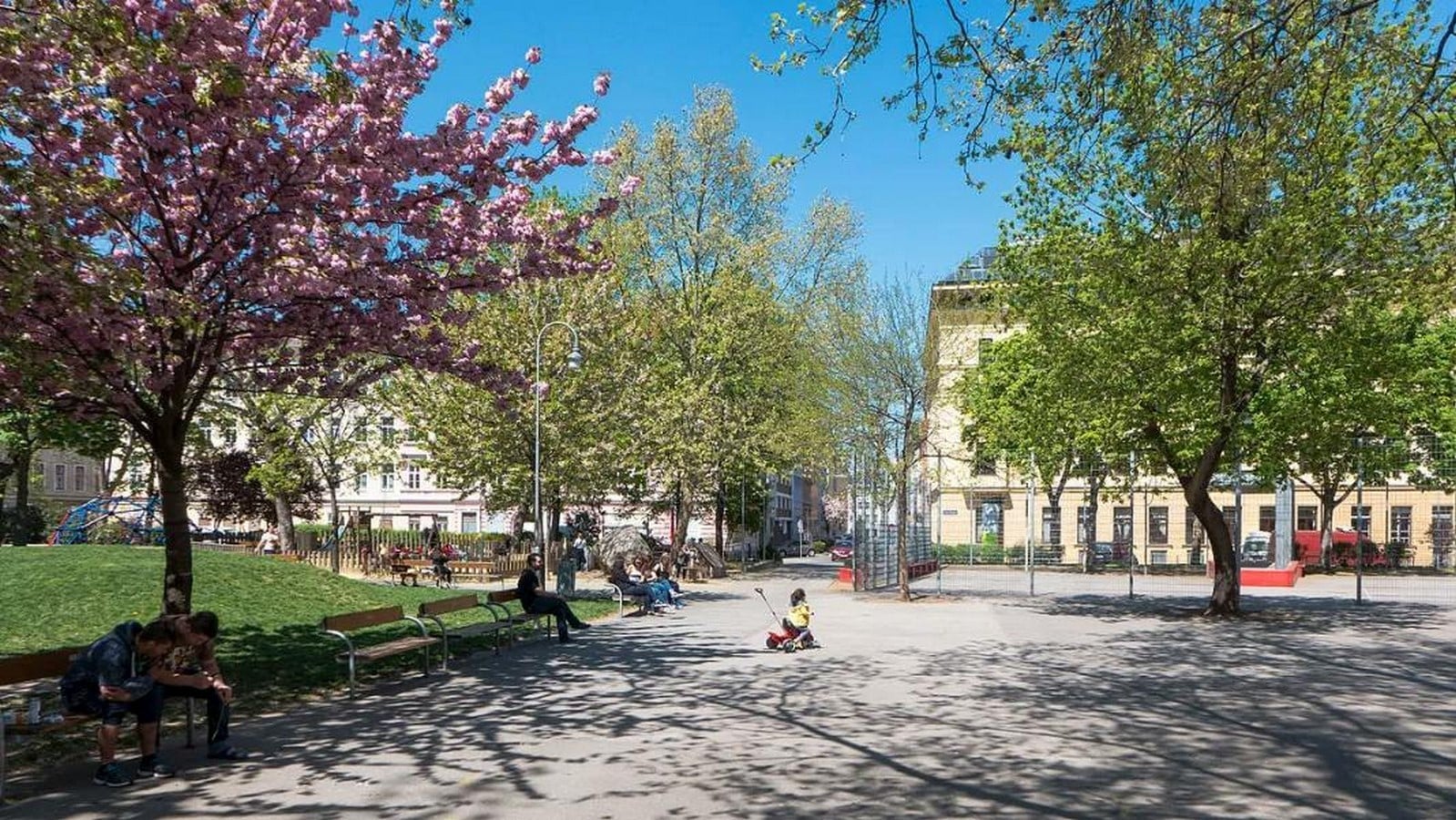
On the contrary, the Einsiedler Park in Vienna was redesigned in cooperation with park visitors and female planning experts, based on gender-sensitive solutions that enable girls and young women to utilize public spaces and parks in a safer and better way. This park features:
- A gender-neutral (ball-game) activity field.
- Spaces for secluded retreat that motivate visitors to spend more time in the park.
- Design elements such as visibility in main avenues, constant all-over lighting, and transparent design have increased safety for women.
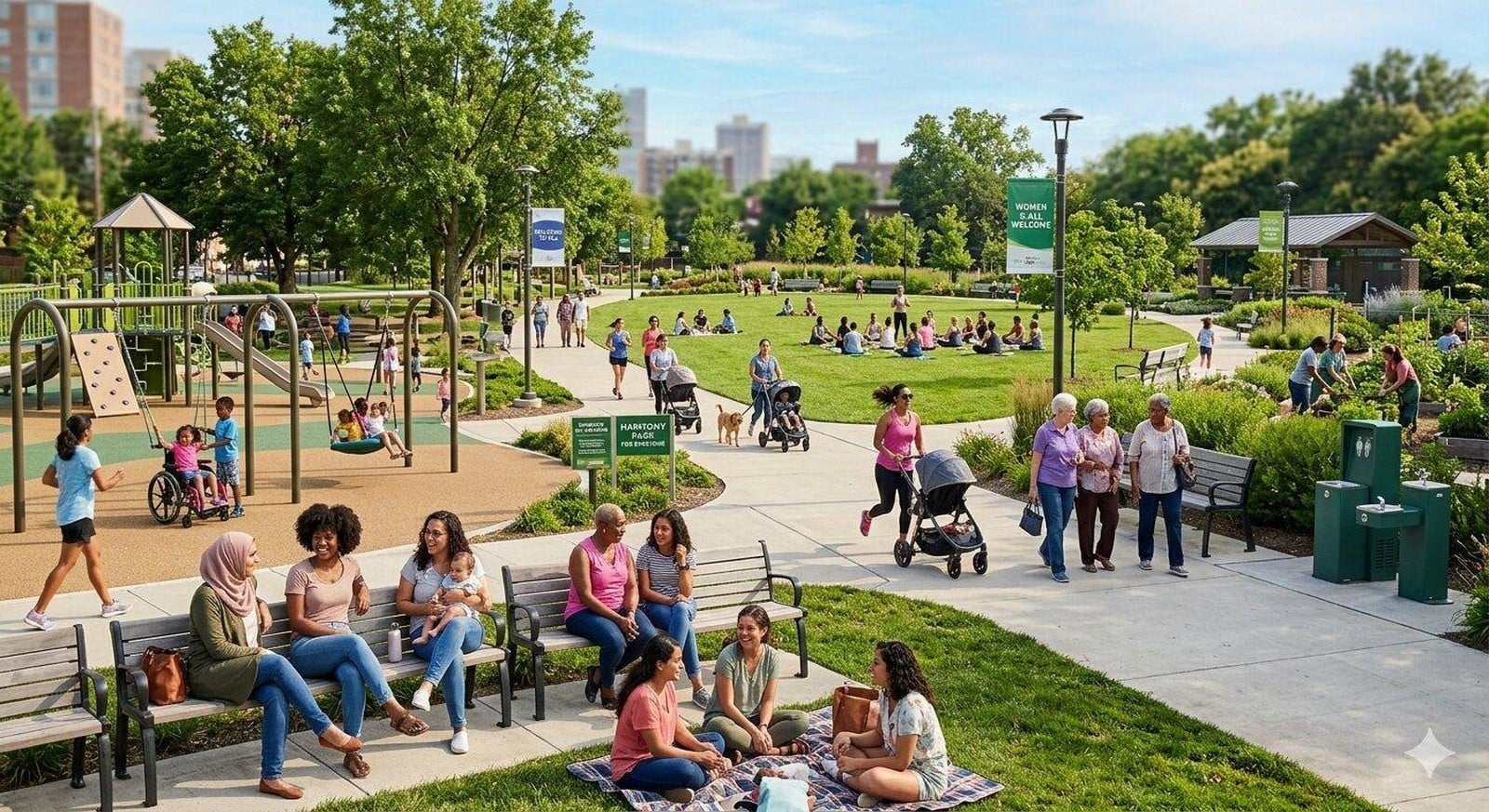
Public parks are the lungs of a city, but they cannot truly serve the public when half of the population feels hesitant to step inside them. Rethinking public park design is not just about helping women, but is about creating a truly democratic and vibrant space for the entire community. To create such spaces, women’s insecurity, fear, challenges, and obstacles they face in public areas must be carefully studied and addressed through proper planning and design strategies in public parks. Designing benches, hammocks, and hygienic public toilets with all essential facilities, proper security, and gender-inclusive activity zones can encourage female participation in public parks, and therefore, it results in their overall social, physical, and mental development.
References:
Pereira, A., Rebelo, E. (2024). Women in Public Spaces: Perceptions and Initiatives to Promote Gender Equality. Science Direct. Available at: https://www.sciencedirect.com/science/article/pii/S0264275124005602 (Accessed: 22 May 2026).
Khuwaja, H. (2025). How Women Perceive Safety in Parks: A View from Islamabad, Pakistan. UD/MH. Available at: https://www.urbandesignmentalhealth.com/sanity–urbanity-forum/how-women-perceive-safety-in-parks-a-view-from-islamabad-pakistan (Accessed: 22 May 2026).
Gender-sensitive Park Design at Einsiedlerpark and St. Johann Park. Urban Sustainability Exchange. Available at: https://use.metropolis.org/case-studies/gender-sensitive-park-design#casestudydetail (Accessed: 22 May 2026).