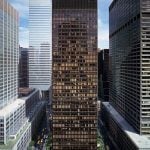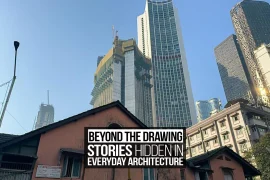
Mies van der Rohe’s conception of skyscrapers as transparent “skin-and-bone” structures radically transformed the approach to high-rise development. The ubiquitous glass skyscraper was originally intended to create minimal, lightweight, naturally lit, and economically viable spaces suited to temperate climates. However, driven by post-World War II economic growth, along with innovations in central air conditioning and curtain-wall technology, glass skyscrapers were increasingly adopted by corporations to project power and wealth. This architectural shift, commonly referred to as the International Style or Corporate Modernism, marked the beginning of the global emulation of glass skyscrapers as symbols of progress, transparency, and corporate authority.
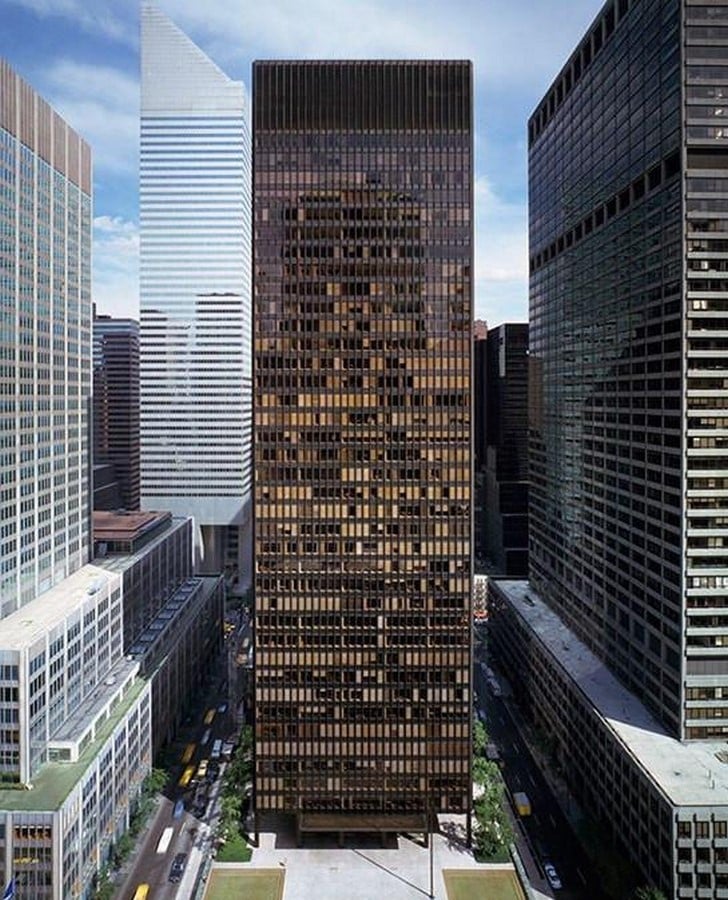
While this architectural style may have been suitable for temperate regions such as the United States and Europe, glass skyscrapers have proven environmentally inappropriate for tropical climates, which are characterized by consistently high temperatures and intense solar exposure throughout the year.
Glass Skyscrapers in Tropical Climates
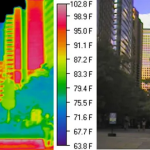
In tropical environments, glass skyscrapers create a domino effect, triggering a range of environmental consequences. Due to their extensive glazed facades, these buildings often behave as giant greenhouses, trapping significant heat within the structure. The consistent high temperatures in tropical climates make heat retention highly undesirable. Glass skyscrapers are supplemented with sophisticated air-conditioning and mechanical cooling systems to regulate indoor temperature and maintain occupant comfort. The dependence on artificial cooling significantly contributes to the global carbon emissions, both indirectly through enormous energy consumption and, in some cases, directly through refrigerant leakage.
Beyond the buildings themselves, the environmental effects extend into the surrounding urban landscape.
Carbon emissions and heat waste from the cooling systems, coupled with reflected solar radiation from glass facades, can elevate the temperature of nearby streets and adjacent structures. In extreme cases, reflective glass has intensified localized heat exposure; the ‘Walkie Talkie’ building in London is infamous for concentrating sunlight intensely enough to damage nearby vehicles. Although this is an occurrence in a temperate climate, it illustrates the thermal risks of glazed towers, which could be even more pronounced in tropical environments with stronger and more consistent solar intensity.
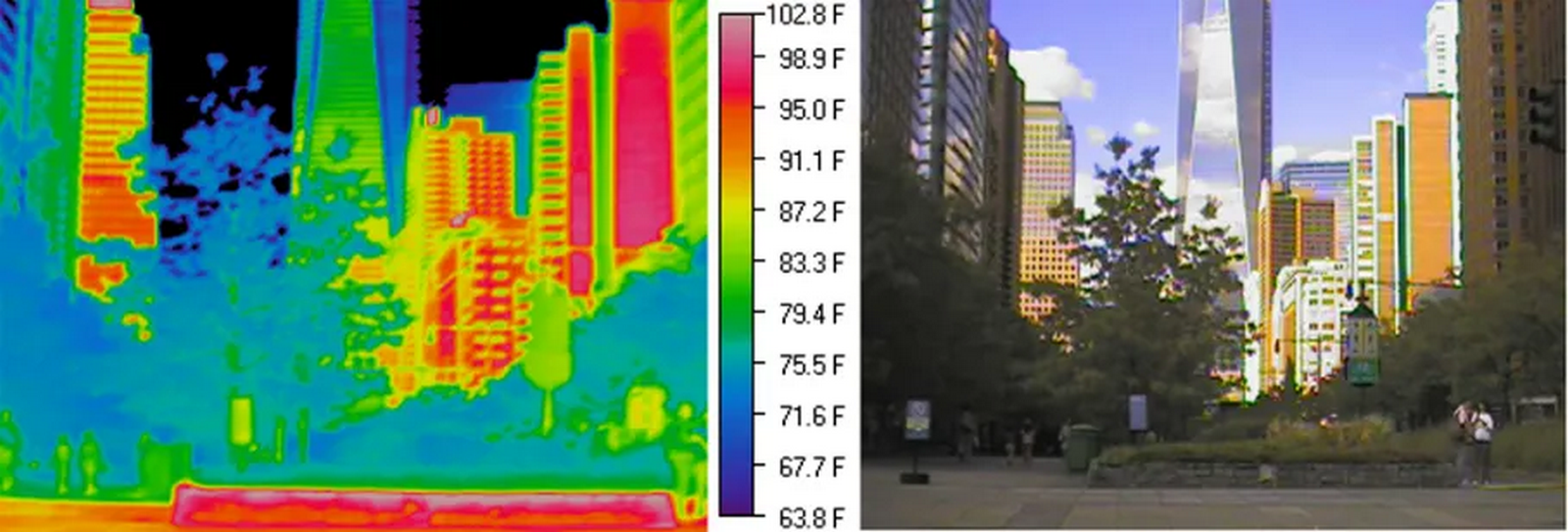
These localized increases in temperature contribute to the urban heat island effect, where dense urban areas absorb and retain heat, raising temperatures beyond those of surrounding rural regions and slowly contribute to climate change. Recent extreme heat events in countries such as India further highlight the vulnerability of already warm regions to rising temperatures. The widespread use of glass towers becomes increasingly questionable as an architectural solution for tropical climates.
The environmental inefficiency of glass skyscrapers also increases long-term economic demands. Although the glass towers were originally promoted as economically viable solutions for constructing large modern spaces, their performance in tropical climates often results in high operational costs that outweigh initial construction advantages. Continuous cooling demands require significant energy expenditure, while additional systems such as blinds, shading devices, and façade treatments are often necessary to reduce glare and solar heat gain. Furthermore, tropical heat and humidity can accelerate façade deterioration, requiring frequent maintenance to prevent staining and biological growth of moss. These ongoing costs undermine the economic logic that initially made glass skyscrapers attractive.
Architectural innovations have attempted to reduce these impacts, yet many remain partial solutions rather than fundamental fixes. Advanced curtain-wall systems have been developed to reduce heat gain. However, these technologies often carry high embodied carbon due to material-intensive manufacturing. Similarly, some contemporary skyscrapers integrate vertical gardens to reduce ambient temperatures. While these strategies may offer localized cooling, they require substantial water and maintenance. The technological adaptations can mitigate some negative effects; they do not fully resolve the broader environmental mismatch between glass skyscrapers and tropical climates.
The Tropical Architecture
In the pursuit of establishing glass skyscrapers as symbols of corporate authority and modernity, many cities have overlooked vernacular tropical architecture, which is rooted in cultural practicality and climate responsiveness. By design, glass towers often work against the natural order of tropical regions, relying on sealed façades and mechanical cooling systems rather than adapting to climate. In contrast, tropical architecture responds directly to its climatic context, allowing environmental conditions to shape architectural strategies. Its primary objective lies in minimizing direct solar exposure, maximizing cross-ventilation, and creating thermal comfort while preserving cultural identity.
The interplay between the sun’s movement and architectural form has historically shaped tropical buildings. Structures are often oriented to reduce exposure to intense solar radiation throughout the day, particularly by minimizing the surface area of western façades, which receive harsh afternoon sunlight. Elongation along the east-west axis is commonly preferred as a passive cooling strategy. Building layouts are often interspersed with shaded verandas, courtyards, and semi-open transitional spaces that naturally encourage air circulation and remove trapped warm air. When infused with vegetation such as trees and planted landscapes, these spaces further reduce indoor temperatures through shading and transpiration. Additional features such as deep roof overhangs, openable windows placed in strategic locations, and brise-soleil (perforated façades) help diffuse sunlight while maintaining ventilation.
Material palette also reflects the environmental intelligence of tropical architecture. Locally available materials such as bamboo, timber, brick, and concrete are well-suited to regional climatic conditions. These materials can improve insulation, regulate heat transfer, and reduce the environmental burden associated with transporting imported materials.
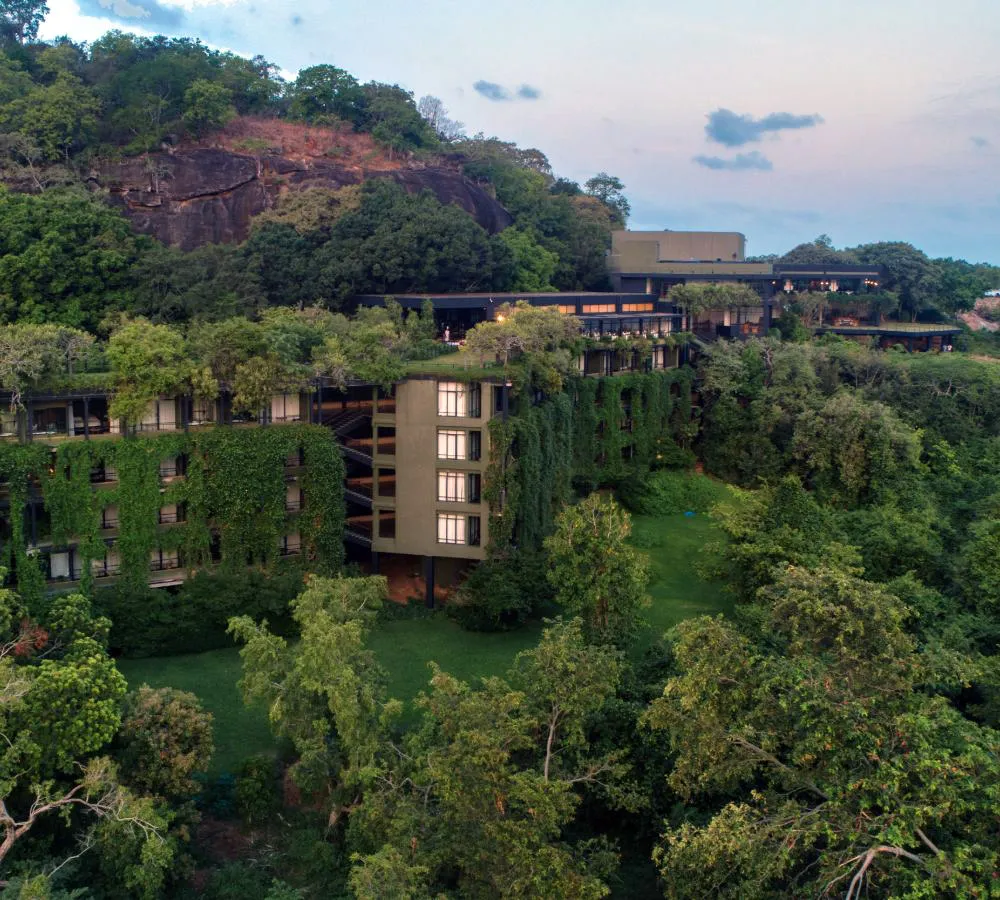
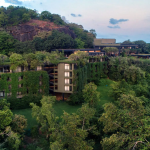
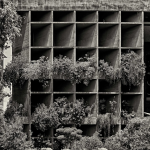
A common criticism of tropical architecture is its perceived impracticality in dense urban areas, where land scarcity and high spatial demand often favour vertical development. However, this concern has been addressed through Tropical Modernism, an architectural movement that blends the principles of Modernism with climate-responsive tropical design. Associated strongly with Geoffrey Bawa, Tropical Modernism embraces international advancements in architecture while remaining grounded in local environmental and cultural traditions. Bawa’s Heritance Kandalama, a classic example of Tropical Modernism, demonstrates terraced massing, natural ventilation, open corridors, and minimal separation between architecture and nature. Similarly, Le Corbusier’s Mill Owners’ Association Building incorporated overhanging ledges, exposed concrete, shade screens, and brise-soleil to regulate sunlight and heat.
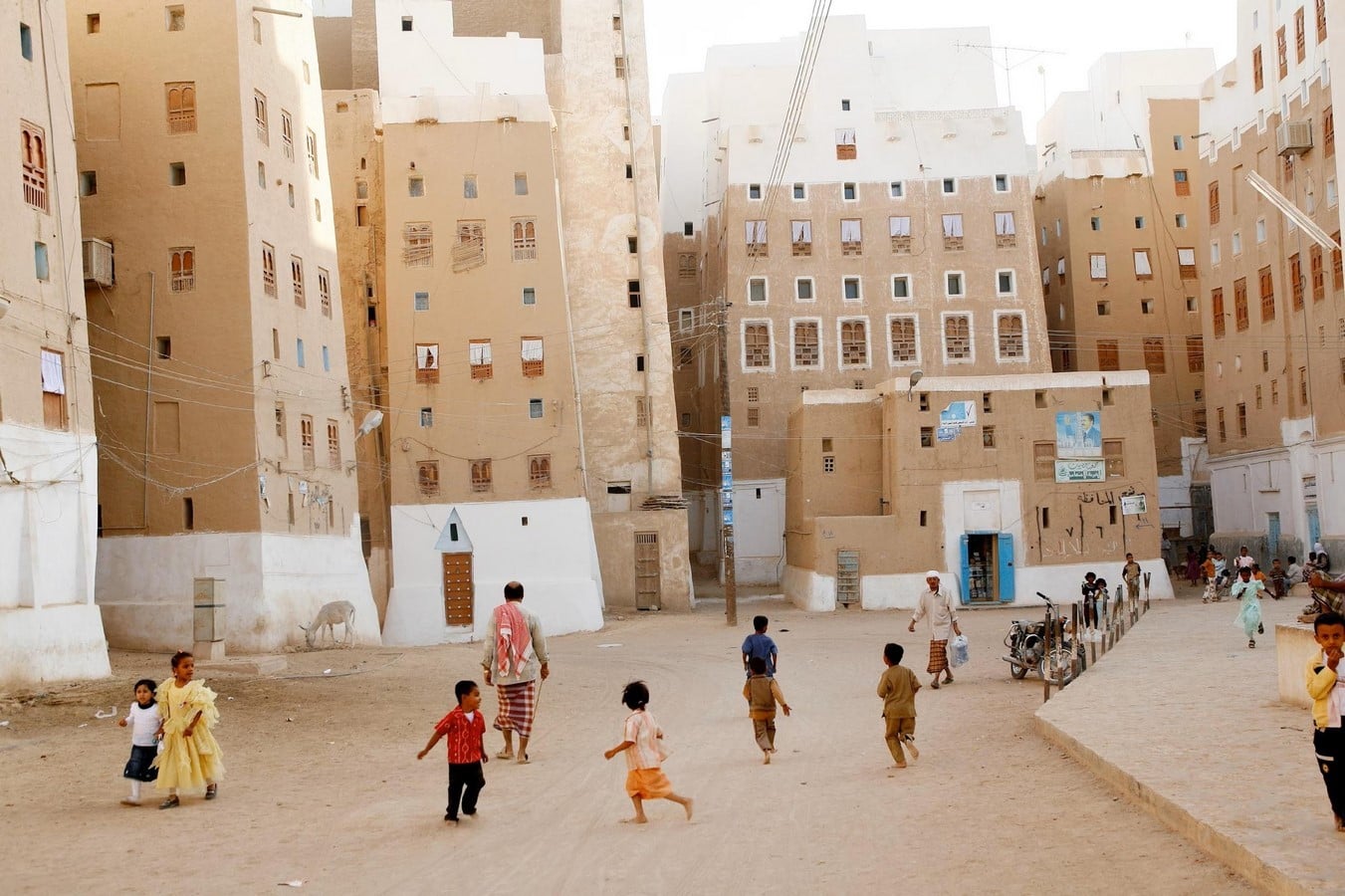
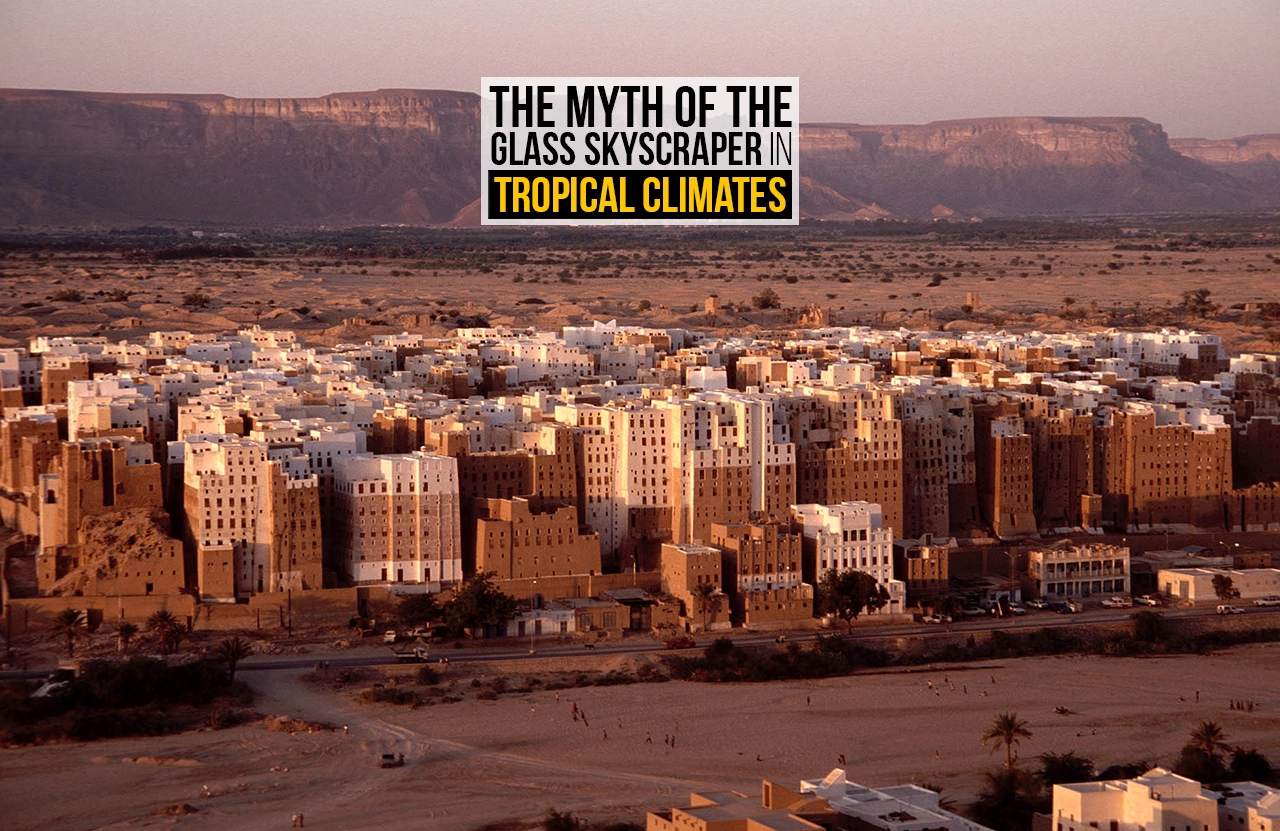
The mud skyscrapers of Shibam in Yemen further illustrate that vertical, climate-responsive architecture is not a contemporary invention. Shibam’s multi-storey mudbrick towers were constructed to maximize density within a confined settlement while using thick earthen walls for thermal insulation against extreme heat. Their compact verticality, narrow shaded streets, and locally sourced materials demonstrate how height, climate responsiveness, and urban efficiency can coexist.
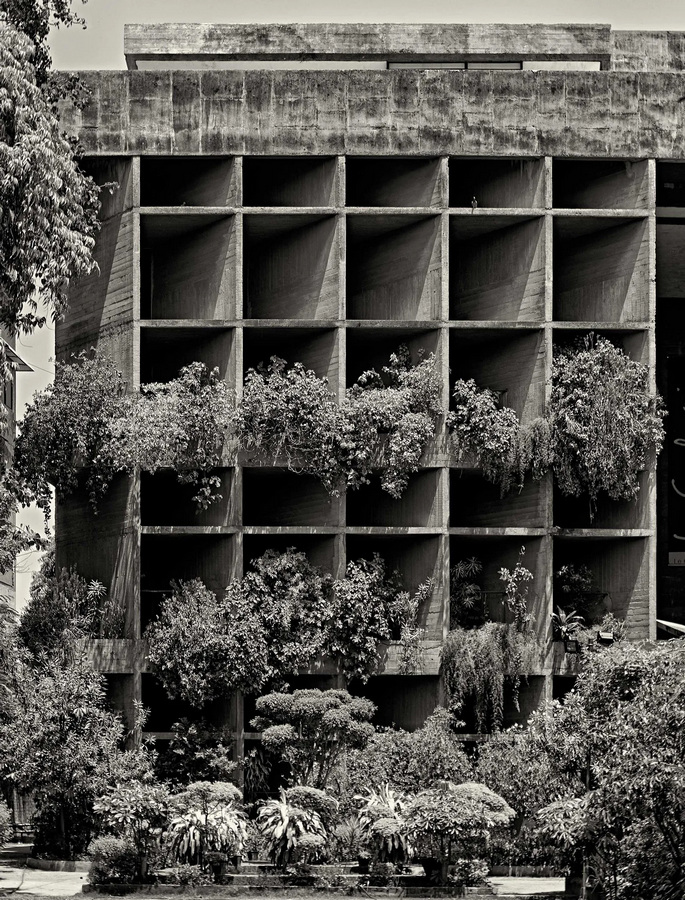
These examples show that tropical architecture is not incompatible with modern urban development. Tropical Modernism has adapted the geometric cubism of Modernist architecture by layering it with a “climatic skin” that responds directly to tropical environmental conditions. Beyond the external envelope, internal spatial layers of transitional spaces further enhance thermal regulation, allowing the architecture to balance environmental performance, spatial efficiency, and cultural identity.
Glass skyscrapers are not the only architectural response to growth and modernity. Climate-responsive alternatives, such as Tropical Modernism and other vernacular-inspired architectural approaches, demonstrate that dense, efficient, and visually striking urban development can collaborate with environmental sensitivity. Rather than replicating glass towers that often intensify ecological strain in tropical climates, architecture can evolve from cultural practices and local climatic knowledge to create solutions that are both functional and contextually responsive.
Ultimately, this raises a broader question about architectural priorities: should the image of prosperity and globalization continue to be defined by imported glass façades, even when they disregard environmental consequences? Perhaps modernity must be redefined as an ability to design buildings that are sustainable, adaptive, and rooted in place. As cities continue to grow, architects hold a critical responsibility in shaping built environments that respect climate, culture, and long-term ecological balance, ultimately redefining what it means to represent progress.
References:
- Epstein, S. (2019) Everyone needs to stop building giant glass skyscrapers right now. Wired.
- Ritchie, H. (2024) Air conditioning causes around 3% of greenhouse gas emissions. How will this change in the future? Our World in Data.
- Le Roux, H. (n.d.) Tropical Architecture/Building Skin. Bauhaus Imaginista. Available at: https://www.bauhaus-imaginista.org/articles/4359/tropical-architecture-building-skin/
- Jayawardena, S. (n.d.) Bawa: A contribution to cultural regeneration.
- Khan, G. (2017) This ancient mud skyscraper city is the ‘Manhattan of the Desert’. National Geographic. Available at: https://www.nationalgeographic.com/travel/article/shibam-mud-skyscraper-yemen
- ArchEyes (2024) Mill Owners Association Building by Le Corbusier. Available at: https://archeyes.com/mill-owners-association-building-by-le-corbusier/