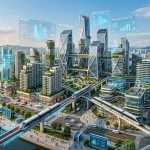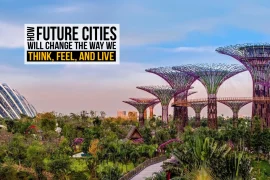
Due to the rapid population growth, the demand for smarter and more efficient cities has become essential. The traditional system of city planning is not sufficient to meet the ongoing challenges of sustainability and infrastructural demands. Artificial Intelligence (AI) and Building Information Modeling (BIM) are two emerging technologies that aim to transform cities’ design, construction, and management.
Understanding AI and BIM
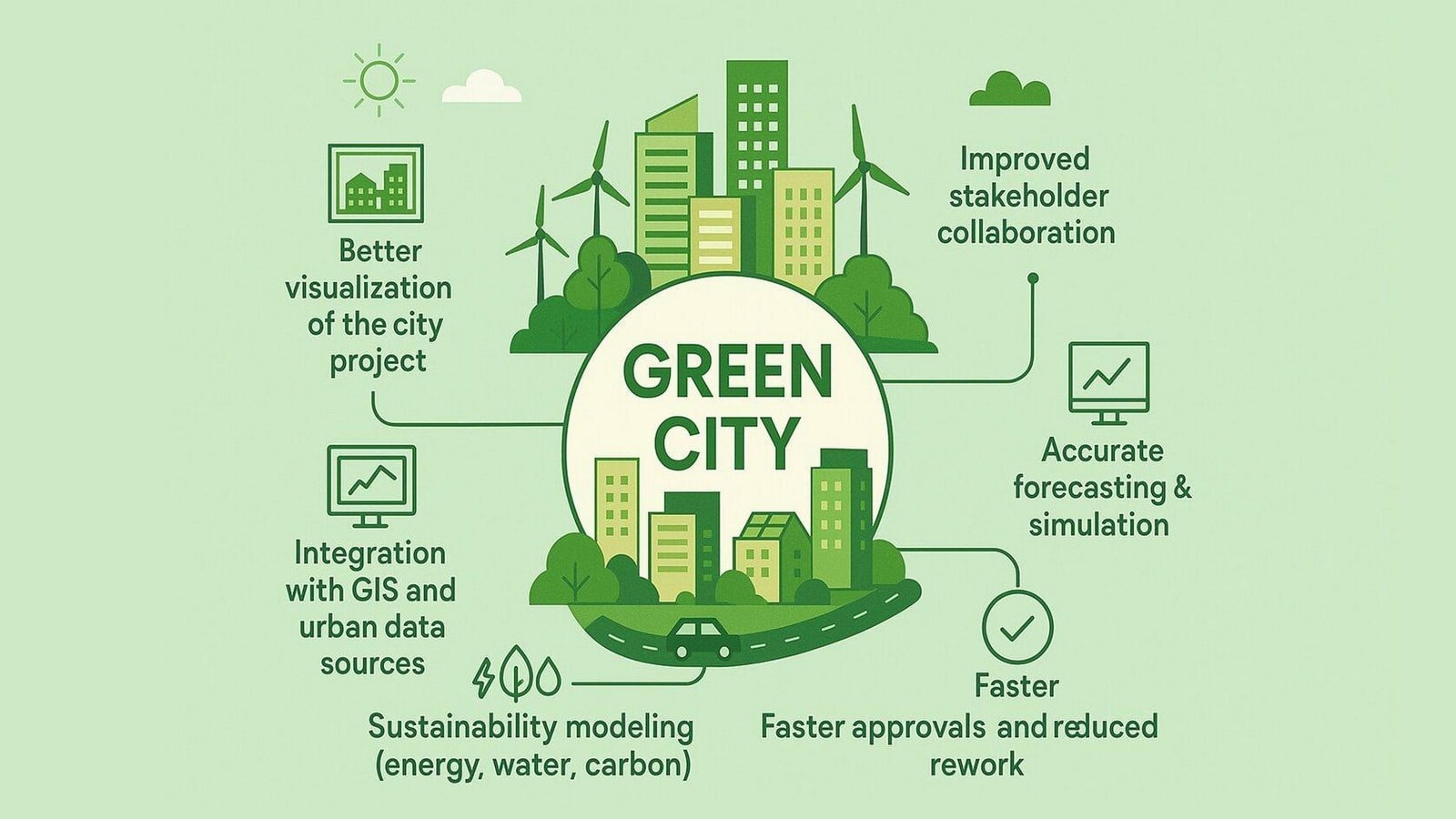
As urban planners or designers, the first step in designing a city is to research its demographic, physical, social, and other contextual aspects. AI tools can analyze data related to population density, traffic flow, and environmental conditions, which helps in the layout of urban space segregation. Similarly, BIM is the process of creating intelligent, data-driven 3D models of urban infrastructure. The scope of BIM ranges from individual buildings to entire neighbourhoods and cities. The integration of these technologies enables planners to make faster, smarter, and more sustainable decisions for efficient city management and design.
Importance of BIM and AI in City Redesign
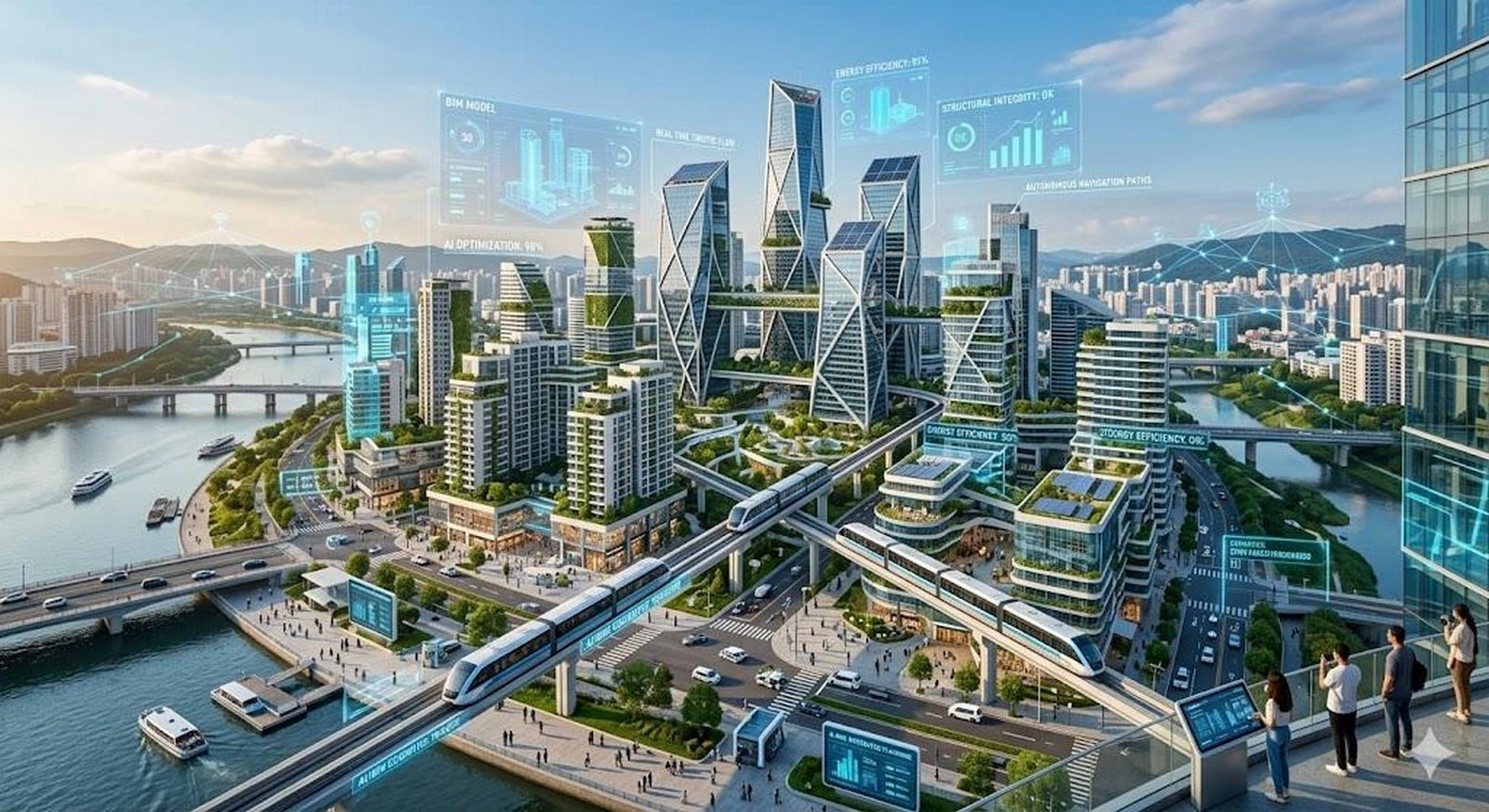
- In City Design, AI acts like a brain with data related to urban challenges, energy management, waste control, operational costs, transportation, and also predicts future problems. Whereas BIM is a map to the data given by AI.
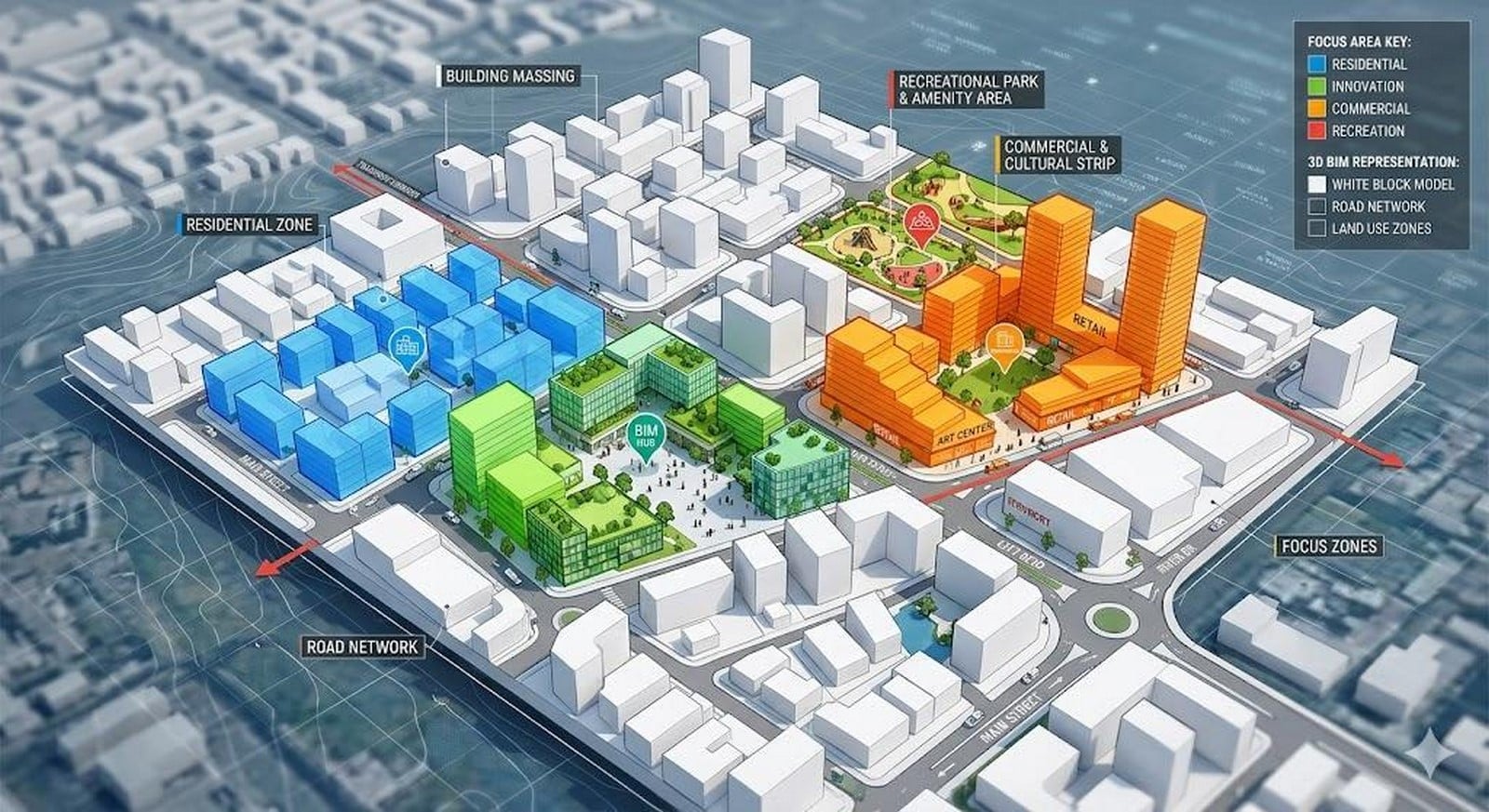
- Unlike 2D drawings, the BIM-generated tools work on 3D representations that help in understanding building massing, contour levels, infrastructure distribution, and overall urban design. This way, the designers have a clear concept of the skyline, shadows, and views of the proposed city. Furthermore, the BIM contains the information about materials being used, service networks, and land use patterns.
- In a world facing climate change, sustainable approaches in city design are not an option. Through AI, information on energy and water consumption, carbon emissions, and environmentally related challenges can be studied, and planners and designers can easily select eco-friendly materials with a reduced environmental impact, thereby meeting sustainability goals and green building standards accordingly.
- AI and BIM work together to improve the main requirements of city redesign, including sustainability, mobility, infrastructure planning, and human connections. This way, it aims to improve teamwork and communication among all professionals involved in city design. Everyone can monitor updates and project progress in real time with fewer errors, conflicts, delays, and costs.
Real-World Examples of AI and BIM used in City Design
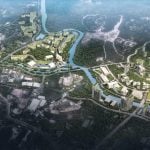
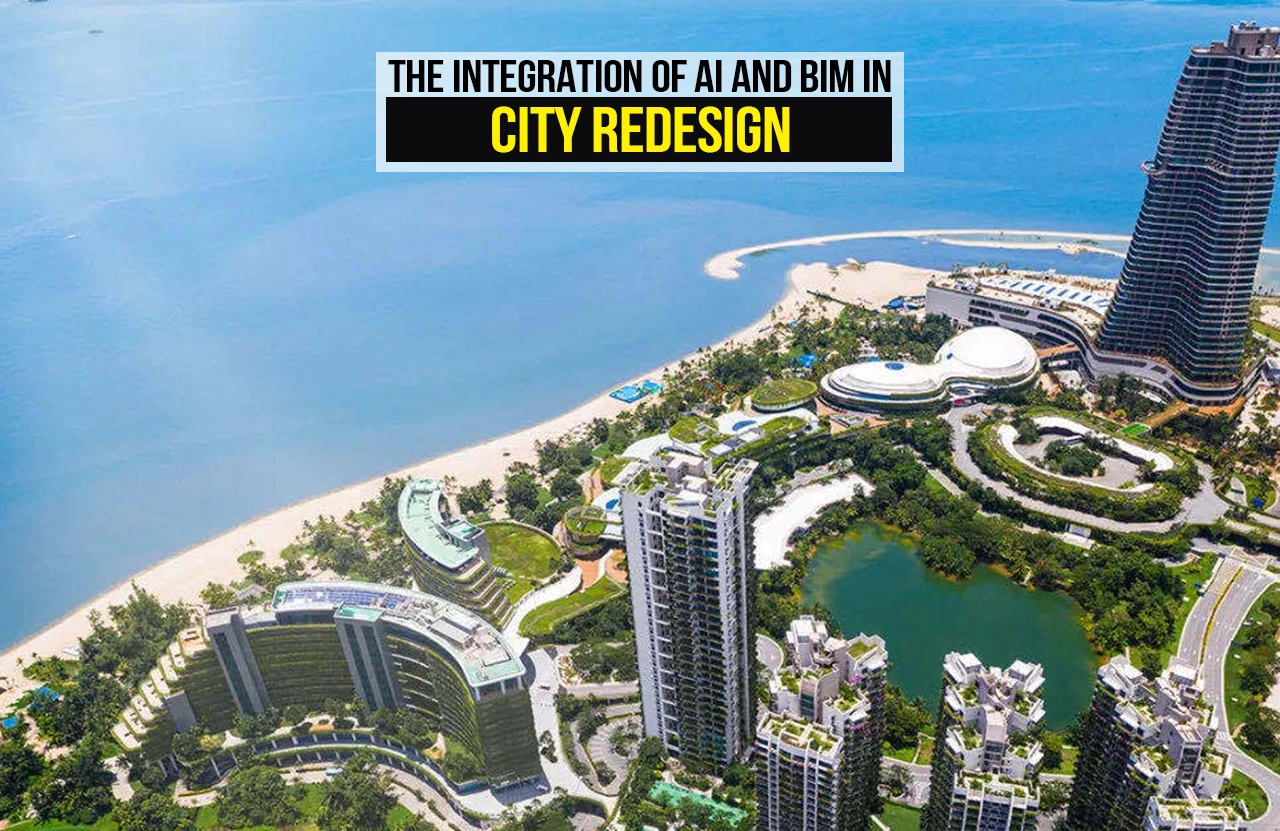
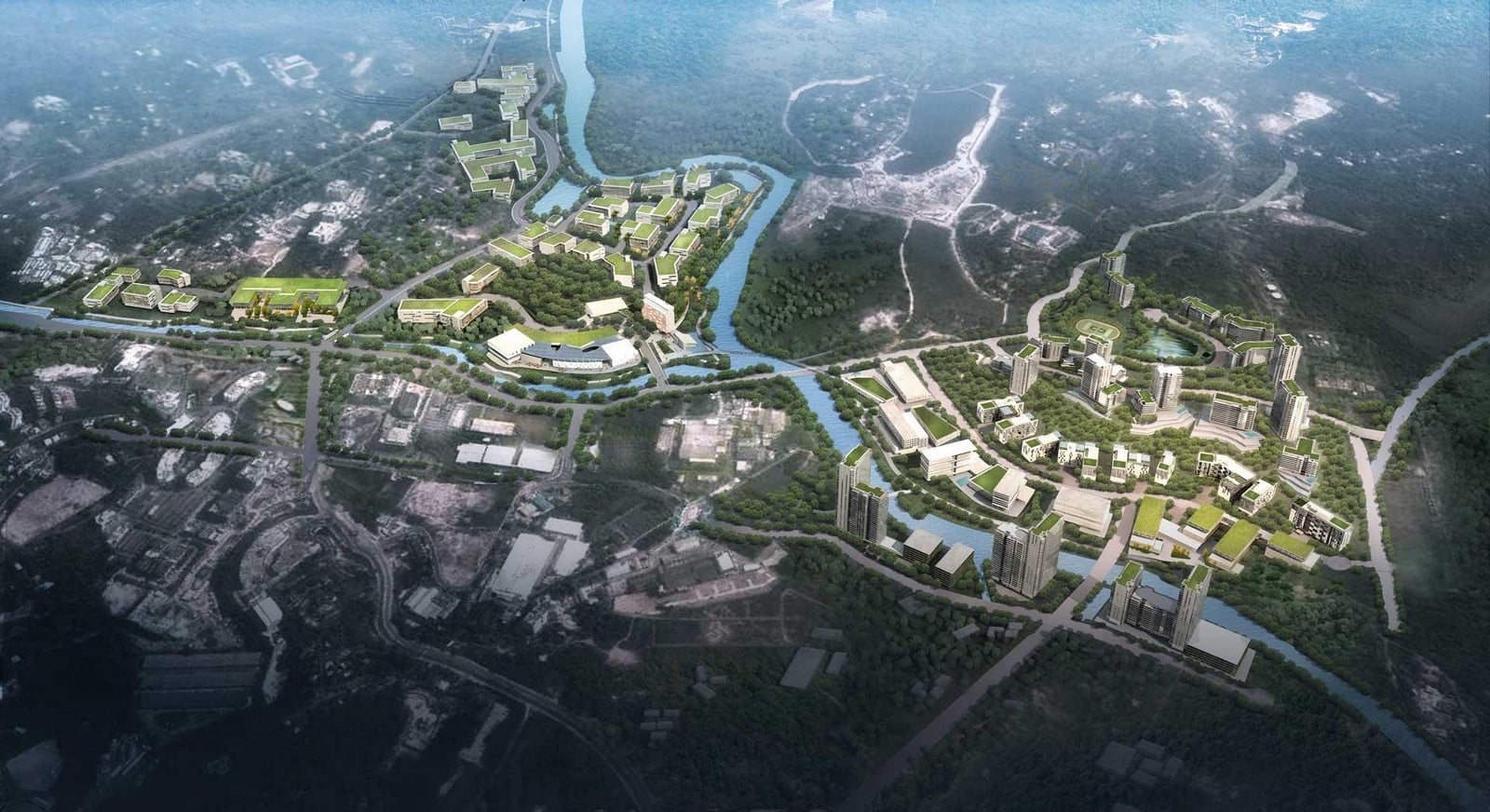
- Forest City, Malaysia: The city integrates BIM and AI technologies in controlling and supporting systems like green drip irrigation systems, building automation systems, security systems, intelligent security systems, and emergency systems. The city also has community robots that provide a variety of helpful, day-to-day functions for residents and visitors. These technologies have helped in a successful project delivery with minimal errors and rework.

- Kochi Smart City, Kerala: The city’s major infrastructure developments, like metro rail expansions, IT Parks, and advanced data centers, are now powered by BIM integration. From underground utilities to building facades, every component of the city is designed and constructed with precision, reducing errors and ensuring faster and cost-effective construction, and emphasizing sustainable urban development.
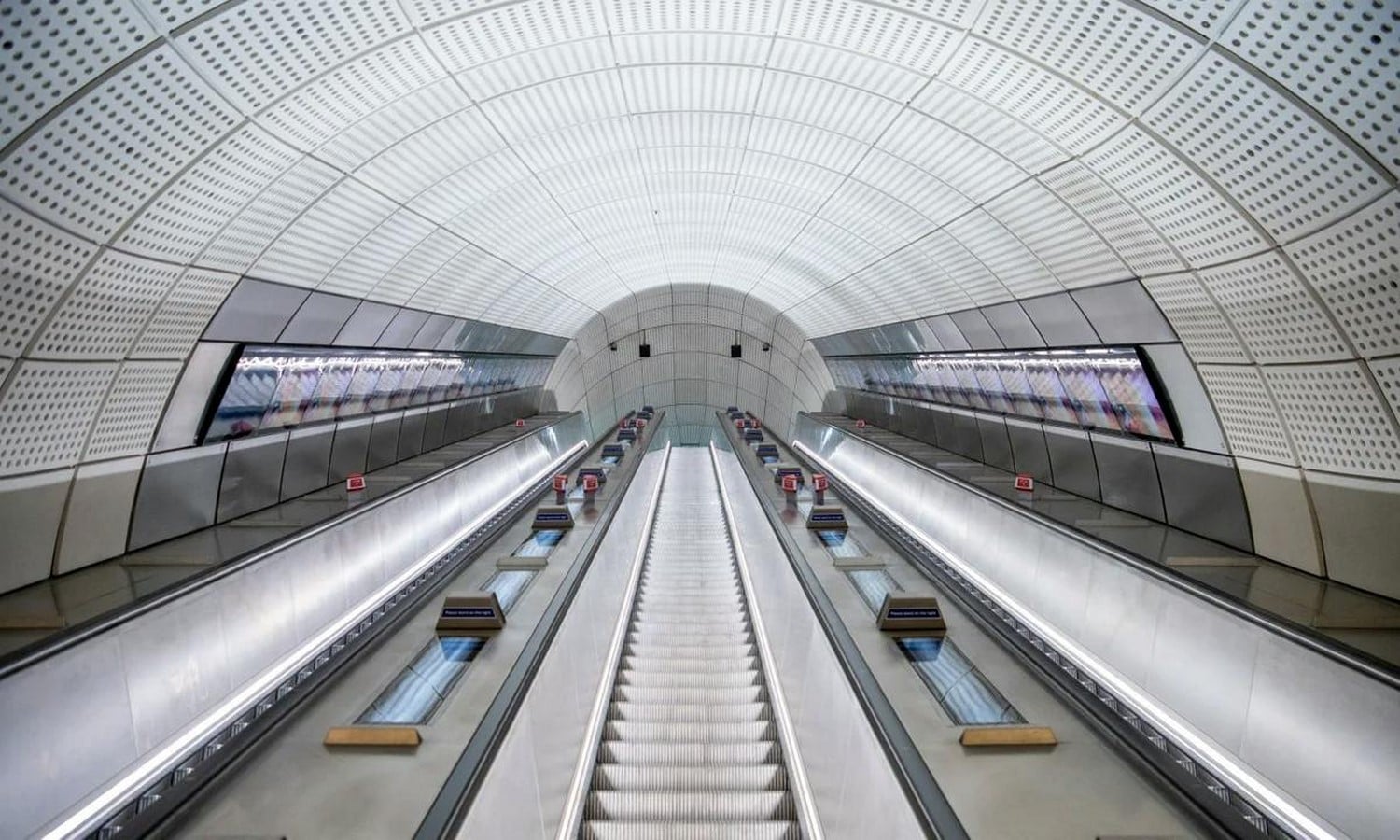
- Crossrail London: The project showcases the integration of BIM in building complex transportation systems. BIM was used to monitor real-time data for tunnels and stations. It helped in detecting early problems such as material wastage and clashes between building components before construction, which improved overall construction and operation efficiency.
Challenges of Integration of AI and BIM in City Redesign
While AI and BIM have a vast potential in urban development, several challenges must be addressed. The cost of implementing these technologies can be high. Furthermore, skilled and technical manpower are needed to manage AI-powered BIM systems. One of the primary issues of using such techniques is privacy violation. AI systems, especially, must collect data from multiple sources, including surveillance, cameras, mobile apps, social media, and other sources. This raises concerns about how the data might be used for personal monitoring or group information. Lack of digital skills can sometimes create gaps between people and communities.
However, due to the growing popularity of BIM and AI in designing smart, efficient, sustainable, and safer cities worldwide, these challenges should be minimized through the development of new practical solutions.
References:
(2025). Engisoft Engineering. How AI & BIM Are Shaping the Future of Smart Cities. Available at: LinkedIn. (Accessed: 16 May 2026).
Lathi, Y. (2025). What are the Benefits of BIM in Urban Planning? Available at: https://www.digitalbluefoam.com/post/what-are-the-benefits-of-bim-in-urban-planning (Accessed: 16 May 2026).
Helmbold, A. (2024). AI in Urban Planning: Redefining City Design. DBF. Available at: https://www.sandtech.com/insight/ai-in-urban-planning-using-tech-to-redefine-city-design/ (Accessed: 16 May 2026).
Devika, R. (2025). How BIM Is Powering India’s Smart City Projects: What Students and Engineers Should Know. BIM Café. Available at: https://bimcafe.in/blog/how-bim-is-powering-indias-smart-city-projects/ (Accessed: 16 May 2026).
GW Prime. Available at: https://geospatialworld.net/prime/case-study/aec/forest-city-of-malaysia-integrates-bim-with-4ir-technologies-for-smart-building-solutions/ (Accessed: 16 May 2026).
Kumar, M. (2026). BIM Case Studies: Successful Real-World Projects and Use Cases. Kaarwan. Available at: https://www.kaarwan.com/blog/architecture/case-studies-successful-projects-that-leveraged-bim-for-structural-excellence?id=1450 (Accessed: 17 May 2026).