Regenerative urbanism is a planning approach that treats the city as a living ecosystem rather than a machine to be optimised. Though conventional sustainability strives to limit harm, regenerative urbanism goes further, actively restoring soil, water, and biodiversity while rebuilding the social and economic wellbeing of a place. It shifts the guiding question from how little damage a city can cause to how much good it can generate. Although the term is most often associated with cities in the Global North, several Indian cities have quietly begun applying its principles, each formed by its own ecological and cultural context.
Beyond Sustainability: From Doing Less Harm to Doing More Good
Sustainability, as it is commonly practised, is largely a defensive strategy. It asks planners to reduce emissions, cut waste and offset the damage a city inevitably causes, without necessarily improving the underlying ecosystem. Regenerative urbanism proposes something more ambitious: that cities can function like living organisms, capable of renewal rather than simple endurance. Under this model, a road is not just resurfaced but designed to absorb stormwater; a derelict plot is not simply cleared but rewilded into a habitat corridor. The distinction matters because it changes what success looks like. A regenerative city does not aim to be carbon neutral alone; it aims to leave its air, soil and rivers healthier than it found them, while strengthening the livelihoods and social fabric built around them.
The Global North Bias in Green-City Narratives
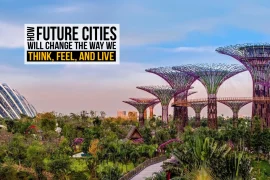
When sustainability or green urban design is discussed, the imagination tends to travel toward Singapore’s vertical gardens, Tokyo’s streamlined transit networks, or the eco-districts of Northern Europe. This is not without reason — these cities have invested heavily and visibly in environmental design. Yet the emphasis on several wealthy, temperate-climate cities obscures a wider and more varied picture. India, though facing acute pressures of population density, water stress and rapid urbanisation, is home to several cities that have begun experimenting with regenerative and circular models, often out of necessity rather than for branding. These efforts rarely receive the same international attention, but they grant valuable, locally grounded lessons for regenerative urbanism in the Global South.
India’s Emerging Regenerative Cities
Regenerative urbanism in India treats cities as self-rejuvenating ecosystems rather than static consumers of resources. Rather than importing a single template, Indian cities have adapted regenerative principles to their own constraints, from overstretched municipal waste systems to fragile hill ecologies. Three examples show this range: Indore, which has rebuilt its waste economy from the ground up; GIFT City in Gandhinagar, which channels regenerative ideas through smart infrastructure; and Shimla, which is learning to restrain development to protect the mountain ecosystem it depends on.
Indore’s Circular Waste Model
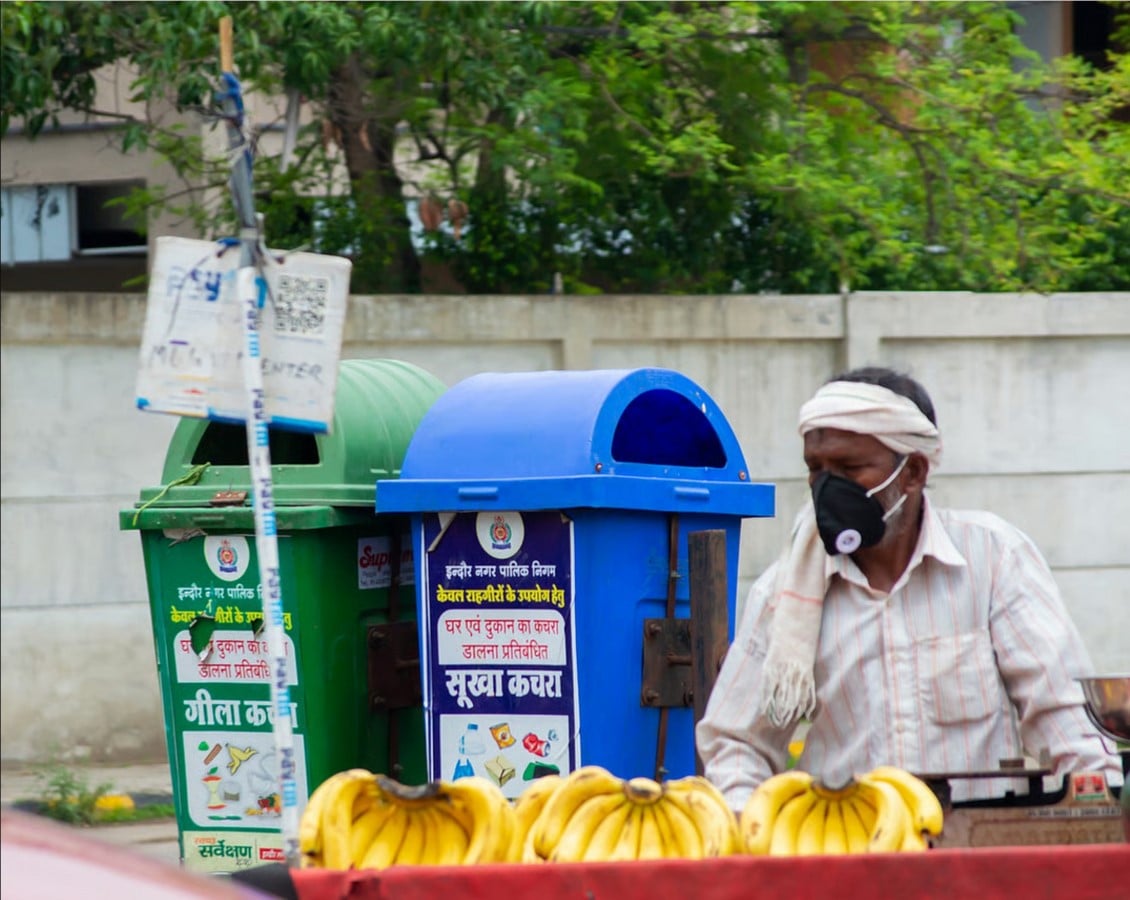
Indore has repeatedly been ranked India’s cleanest city, a status built on a circular approach to waste rather than a simple collect-and-dump system. The model rests on source-level segregation at every household, daily door-to-door collection, decentralised composting and dry-waste recovery, which together allow the city to process the overwhelming majority of the waste it generates. Organic waste is converted into compost and biogas, including a large bio-CNG plant that turns segregated waste into fuel and organic manure, reducing dependence on landfills. This is regenerative urbanism at the scale of everyday municipal service: waste is no longer treated as an endpoint but as a resource that re-enters the city’s economy, boosting air quality, sanitation and public health for millions of residents in the process.
GIFT City and the Limits of Smart Efficiency
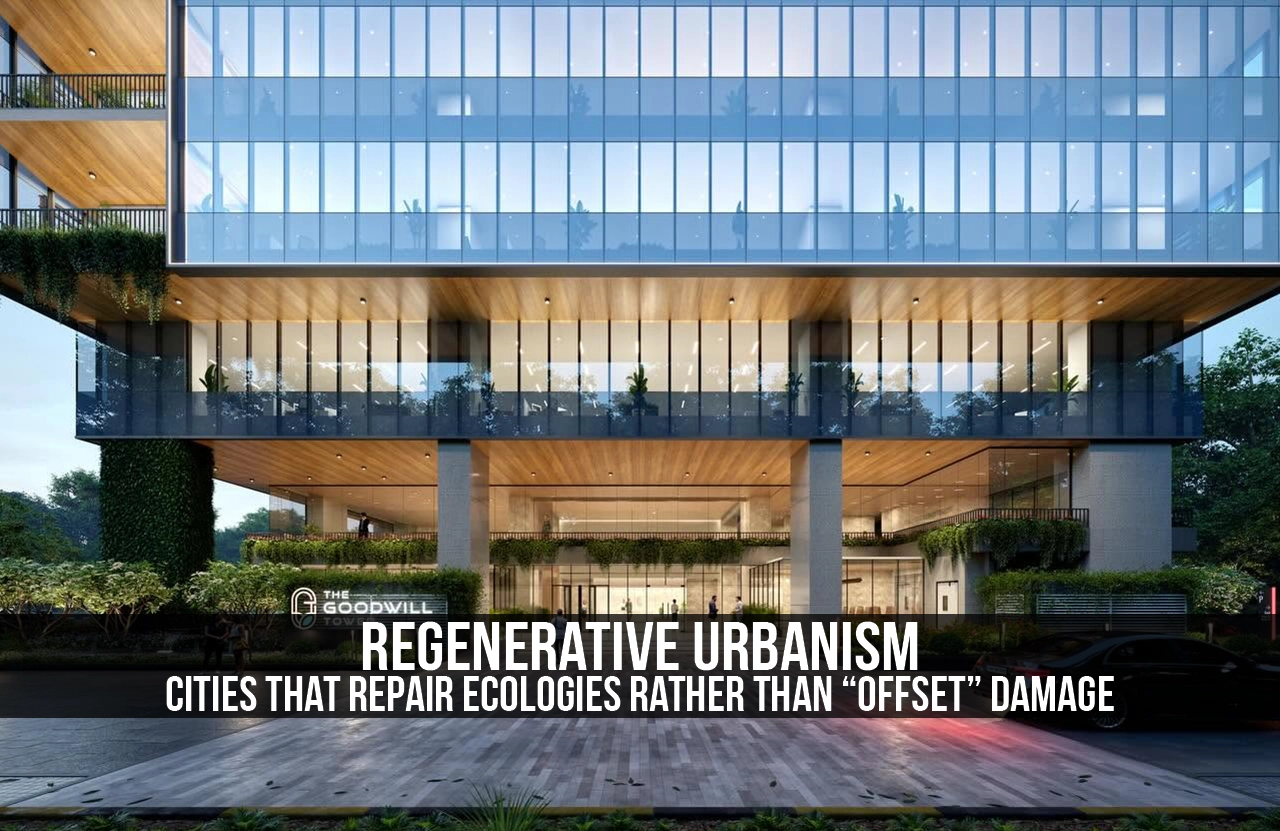
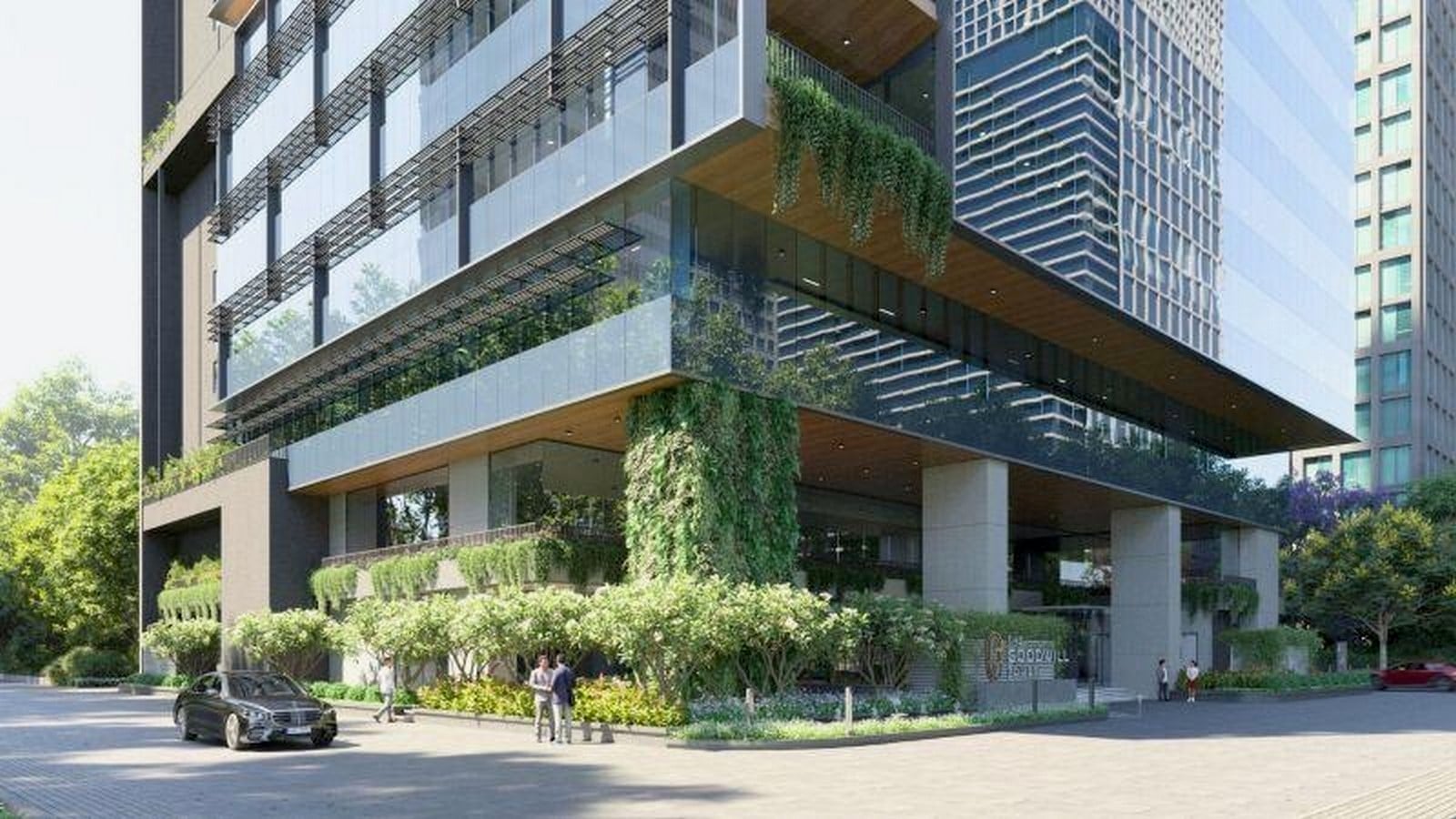
GIFT City in Gandhinagar represents a different, more technology-driven route toward the same goal. As one of India’s first purpose-built smart cities, it integrates a district cooling system, smart energy networks, water recycling plants and automated, centralised waste management within a single planned district. Green buildings and IGBC-rated construction, alongside pedestrian and bike infrastructure, are integrated into the master plan rather than added afterwards. Where GIFT City differs from a fully regenerative model is in scale and intent: its efficiencies are impressive, but they are largely aimed at minimising resource consumption within a business district rather than actively restoring the wider ecology around it. It is, nonetheless, a useful demonstration of how resource-efficient technology can be embedded inside urban infrastructure from the outset.
Shimla’s Fragile Balancing Act
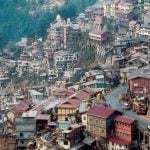
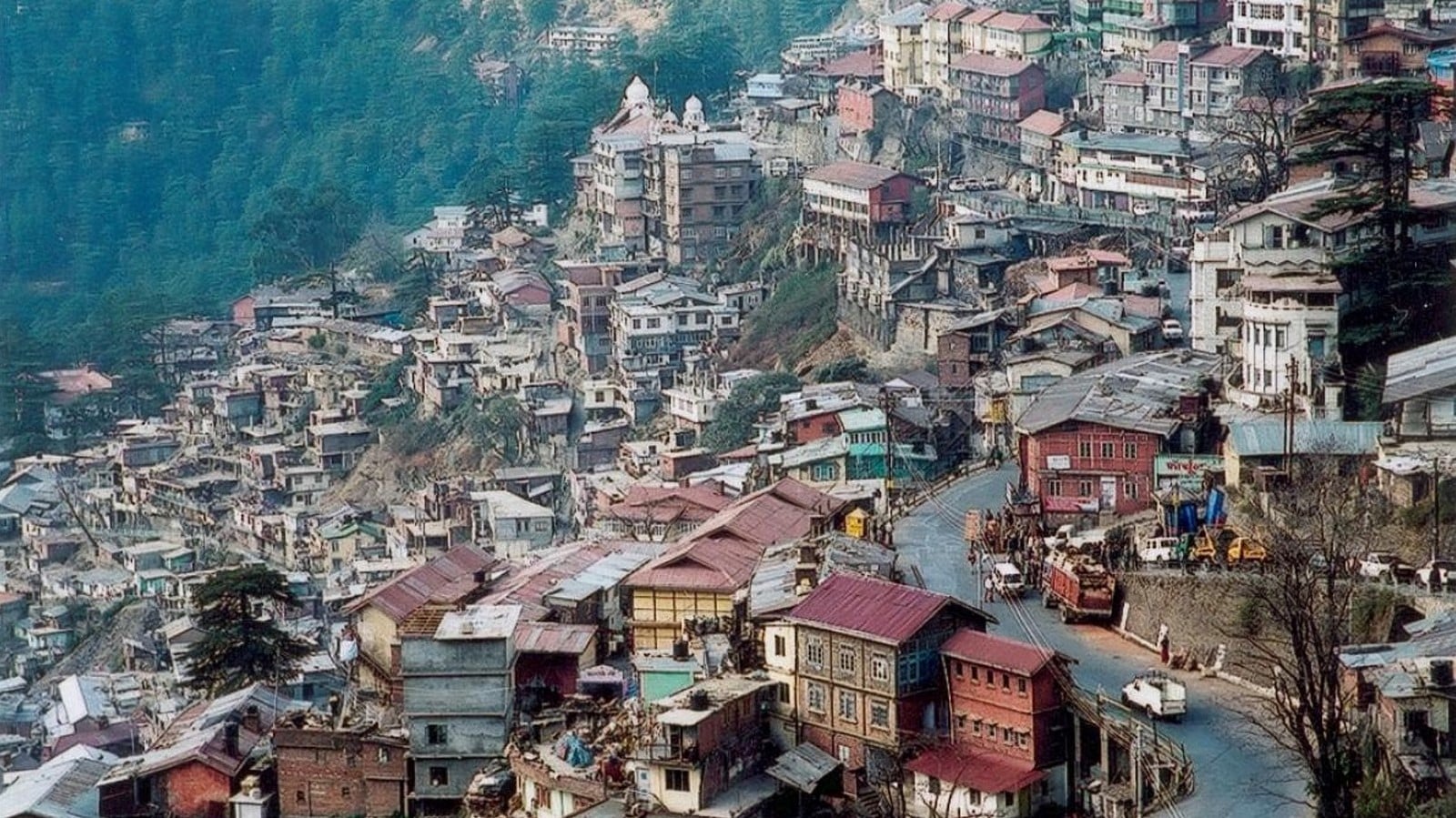
Shimla presents a contrasting lesson, one based in restraint rather than technology. Originally planned for a population of around 25,000, the hill town now houses more than three lakh residents, with tens of thousands of additional vehicles arriving daily during peak tourist season. In response, the Himachal Pradesh government has steadily expanded Shimla’s green zones, from 17 to 25 designated areas, and tightened construction rules near forest land and green belts, including recent decisions to acquire private plots in no-construction zones to protect the town’s shrinking tree cover. This eco-policy framework illustrates a core regenerative principle: that a city built on steep, ecologically sensitive slopes cannot keep expanding outward without undermining the exact landscape that sustains it, and that policy must sometimes prioritise ecological carrying capacity over unchecked growth.
What These Examples Reveal About the Road Ahead
Taken together, Indore, GIFT City and Shimla show that regenerative urbanism is not a single blueprint imported wholesale from abroad, but a set of principles that can be adapted to very different urban conditions: a dense metropolitan waste system, a purpose-built financial district, and a fragile mountain settlement. None of these cities is a perfect regenerative model; each addresses only part of the wider goal of restoring ecological and social health. What they share is a willingness to treat the city as an ecosystem with limits, rather than a site of endless extraction. As Indian cities keep to urbanise rapidly, these examples suggest that regenerative urbanism need not remain the preserve of wealthy, temperate cities; it can, and already does, take root in far more varied and constrained settings.
Images:
- Image 01: Progress is no longer measured by growing heaps of rubbish but by systems that support everyday life_© Dica Acharya, https://www.downtoearth.org.in/waste/indores-waste-model-shows-how-circular-systems-can-improve-urban-wellbeing
- Image 02: The Goodwill Tower_© RSP India
- Image 03: The heavy rains and landslides in 2023 have highlighted the city’s inability to bear the burden of additional population. Source: Vincent Desjardins; CC BY 2.0 DEED, https://www.indiawaterportal.org/health-and-sanitation/urban-sanitation/shimlas-future-crafting-development-plan